Metal Testing Equipment
Products
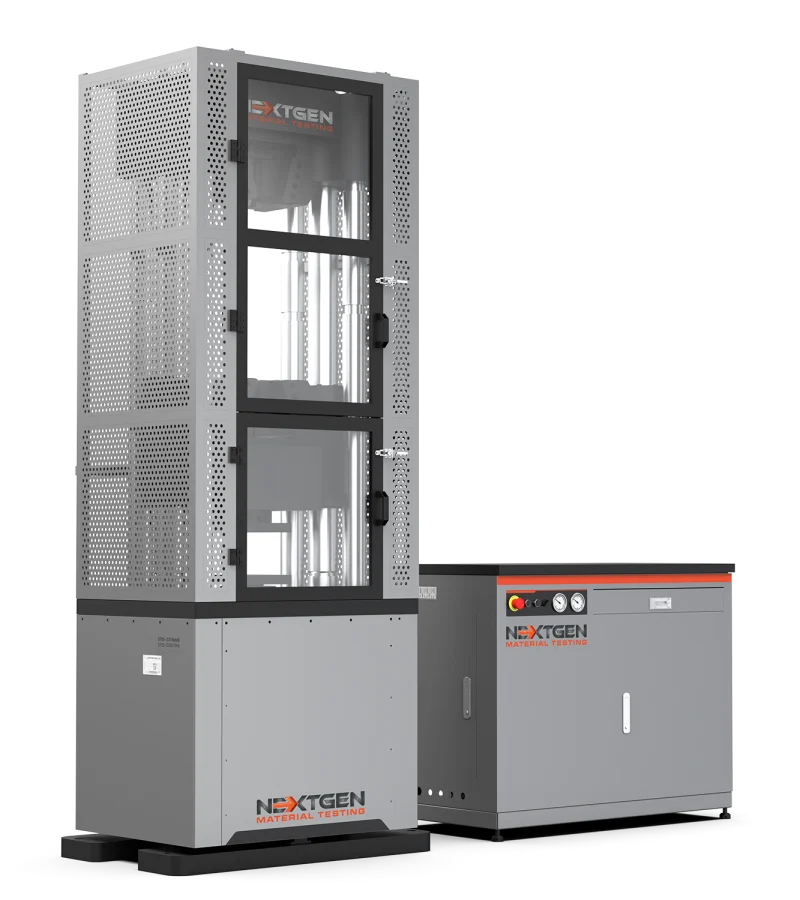
Once the load runs into hundreds of kilonewtons, a hydraulic actuator carries it more comfortably than a ballscrew. Servo-hydraulic static frames apply and hold force through a closed loop, which keeps the rate steady on stiff specimens: structural steel, rebar, fasteners, castings and welded joints. NextGen builds these frames for tension, compression and flexure, working to ASTM E8 and ISO 6892 for metals.
Each system is configured as a whole rather than assembled from parts: frame capacity, hydraulic power unit, grips and fixtures sized for the specimen, extensometry and method software. Machines are installed and calibrated on site by our engineers, your operators are trained on both the hydraulics and the software, and support continues for the life of the frame.
For Laboratories
One partner to equip your complete metals laboratory
Servo-hydraulic frames cover the high-force end of a metals laboratory. NextGen equips the rest of it too, from grips and fixtures to electromechanical frames, impact testing, hardness and metallography, and stays responsible for it after delivery.
- Equipment, fixtures and software
- Installation, training, calibration
- Lifetime technical support
1
Machines
Hydraulic frames from a few hundred kilonewtons upward
5
Most requested
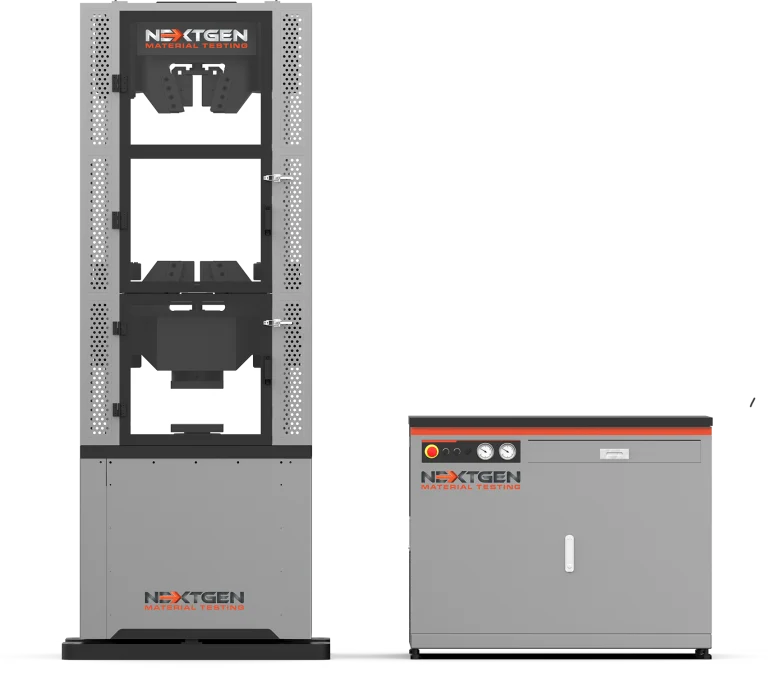 NG-SHM Series A – Servo-Hydraulic Universal Testing Machine
NG-SHM Series A is a high-force servo-hydraulic universal testing machine for static mechanical testing of metals and…
View product
NG-SHM Series A – Servo-Hydraulic Universal Testing Machine
NG-SHM Series A is a high-force servo-hydraulic universal testing machine for static mechanical testing of metals and…
View product
 NG-SHM Class B – Servo-Hydraulic Universal Testing Machine
NG-SHM Class B is a high-force servo-hydraulic universal testing machine for tensile, compression, and flexural…
View product
NG-SHM Class B – Servo-Hydraulic Universal Testing Machine
NG-SHM Class B is a high-force servo-hydraulic universal testing machine for tensile, compression, and flexural…
View product
 NG-SHM Class C – Servo-Hydraulic Universal Testing Machine
NG-SHM Class C is a servo-hydraulic universal testing machine for high-force metal testing, with capacity options of…
View product
NG-SHM Class C – Servo-Hydraulic Universal Testing Machine
NG-SHM Class C is a servo-hydraulic universal testing machine for high-force metal testing, with capacity options of…
View product
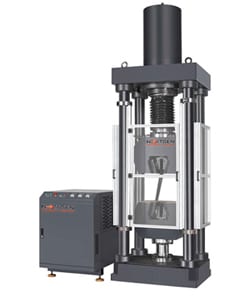 NG-SHM Class D – Servo-Hydraulic Universal Testing Machine
NG-SHM Class D is a servo-hydraulic universal testing machine for high-force mechanical testing of metals and…
View product
NG-SHM Class D – Servo-Hydraulic Universal Testing Machine
NG-SHM Class D is a servo-hydraulic universal testing machine for high-force mechanical testing of metals and…
View product
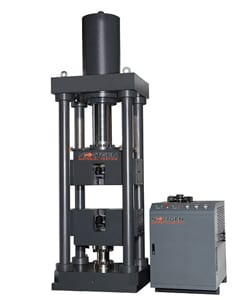 NG-SHM Class DP – Servo-Hydraulic Universal Testing Machine
NG-SHM Class DP is a high-force servo-hydraulic testing machine with an upper actuator, single-zone test space, and…
View product
NG-SHM Class DP – Servo-Hydraulic Universal Testing Machine
NG-SHM Class DP is a high-force servo-hydraulic testing machine with an upper actuator, single-zone test space, and…
View product
NG-SHM Series A – Servo-Hydraulic Universal Testing Machine
NG-SHM Series A is a high-force servo-hydraulic universal testing machine for static mechanical testing of metals and…
View product
NG-SHM Class B – Servo-Hydraulic Universal Testing Machine
NG-SHM Class B is a high-force servo-hydraulic universal testing machine for tensile, compression, and flexural…
View product
NG-SHM Class C – Servo-Hydraulic Universal Testing Machine
NG-SHM Class C is a servo-hydraulic universal testing machine for high-force metal testing, with capacity options of…
View product
NG-SHM Class D – Servo-Hydraulic Universal Testing Machine
NG-SHM Class D is a servo-hydraulic universal testing machine for high-force mechanical testing of metals and…
View product
NG-SHM Class DP – Servo-Hydraulic Universal Testing Machine
NG-SHM Class DP is a high-force servo-hydraulic testing machine with an upper actuator, single-zone test space, and…
View product
2
Grips and fixtures
What holds the specimen decides whether the result is valid
14
Most requested
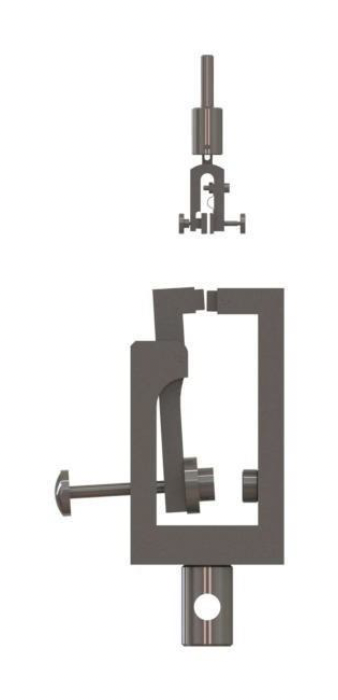 20 kN
Side-Action Tensile Grips
Side action tensile grips provide quick, secure clamping for films, thin sheets, textiles, fine wires, polymer…
View product
20 kN
Side-Action Tensile Grips
Side action tensile grips provide quick, secure clamping for films, thin sheets, textiles, fine wires, polymer…
View product
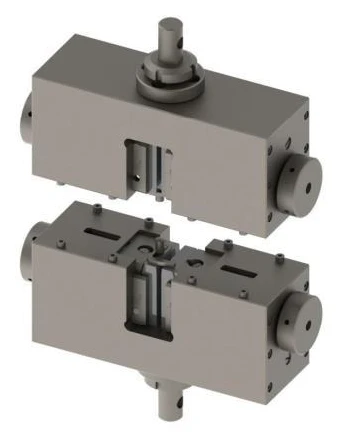 300 kN
Wedge Tensile Grips for Metals and Composites
Wedge tensile grips are built for high-load tensile testing of flat and round specimens made from metals, composites,…
View product
300 kN
Wedge Tensile Grips for Metals and Composites
Wedge tensile grips are built for high-load tensile testing of flat and round specimens made from metals, composites,…
View product
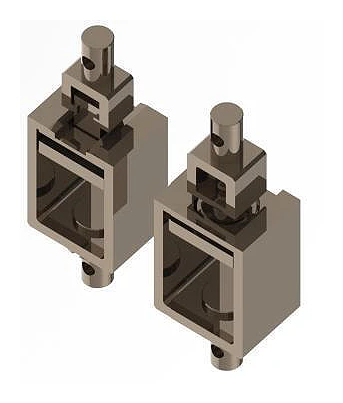 10 kN
Grips and Fixtures for Wood Testing
These wood testing grips and fixtures support tensile, shear, flexural, internal bond, and fastener-related…
View product
10 kN
Grips and Fixtures for Wood Testing
These wood testing grips and fixtures support tensile, shear, flexural, internal bond, and fastener-related…
View product
 2000 kN
Grips and Fixtures for Hydraulic Universal Testing Machines
Grips and fixtures for hydraulic universal testing machines are built for high-force tensile, shear, proof load,…
View product
2000 kN
Grips and Fixtures for Hydraulic Universal Testing Machines
Grips and fixtures for hydraulic universal testing machines are built for high-force tensile, shear, proof load,…
View product
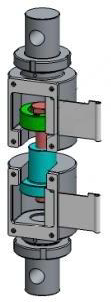 300 kN
Threaded Grips for Bolt and Nut Testing
Threaded grips for bolt and nut tensile testing provide secure axial loading for bolts, studs, nuts, and other…
View product
300 kN
Threaded Grips for Bolt and Nut Testing
Threaded grips for bolt and nut tensile testing provide secure axial loading for bolts, studs, nuts, and other…
View product
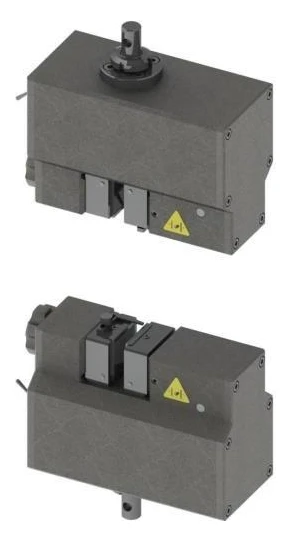 100 kN
Pneumatic Grips for Fast and Repeatable Clamping
Pneumatic grips provide fast, repeatable air-actuated clamping for universal testing machines in high-throughput…
View product
100 kN
Pneumatic Grips for Fast and Repeatable Clamping
Pneumatic grips provide fast, repeatable air-actuated clamping for universal testing machines in high-throughput…
View product
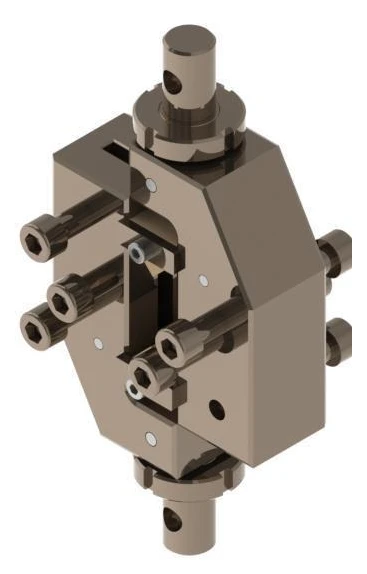 100 kN
Composite Grips and Fixtures for Tensile and Shear Testing
Composite grips and fixtures are engineered for tensile, compression, shear, bending, peel, and delamination testing…
View product
100 kN
Composite Grips and Fixtures for Tensile and Shear Testing
Composite grips and fixtures are engineered for tensile, compression, shear, bending, peel, and delamination testing…
View product
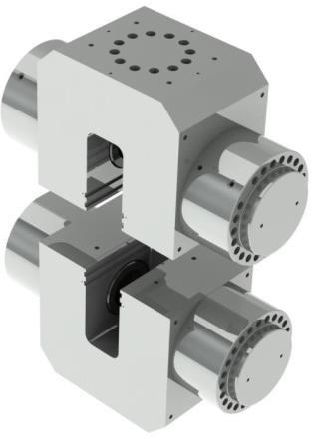 2000 kN
Dual-Action Hydraulic Wedge Grips for High-Capacity Testing
Dual-Action Hydraulic Grips are high-capacity wedge-clamping fixtures for tensile testing on universal testing…
View product
2000 kN
Dual-Action Hydraulic Wedge Grips for High-Capacity Testing
Dual-Action Hydraulic Grips are high-capacity wedge-clamping fixtures for tensile testing on universal testing…
View product
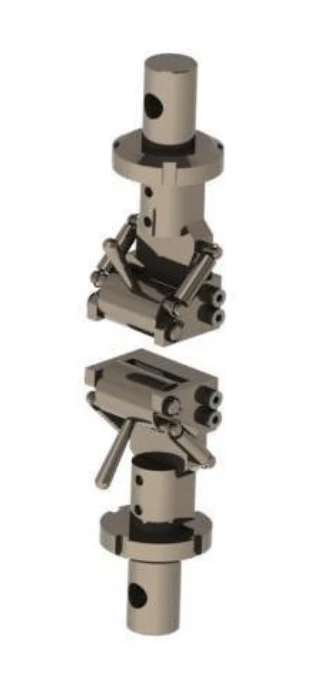 1 kN
Eccentric Roller Grips for Thin and Flexible Specimens
Eccentric roller grips are built for low-force tensile testing of thin, soft, and flexible specimens such as rubber…
View product
1 kN
Eccentric Roller Grips for Thin and Flexible Specimens
Eccentric roller grips are built for low-force tensile testing of thin, soft, and flexible specimens such as rubber…
View product
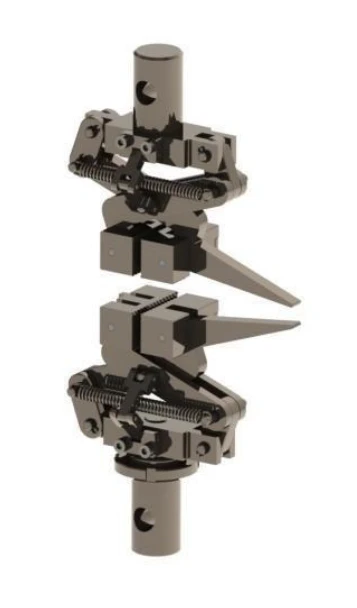 5 kN
Self-Tightening Grips for Elastic Materials
Self-tightening grips are designed for tensile testing of deformable, elastic, or low-friction materials such as…
View product
5 kN
Self-Tightening Grips for Elastic Materials
Self-tightening grips are designed for tensile testing of deformable, elastic, or low-friction materials such as…
View product
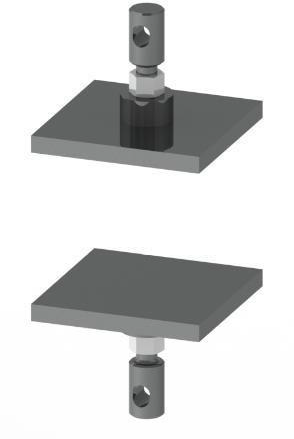 5 kN
Shoulder Fixtures for Pull-Off Testing
Shoulder fixtures are specialized tensile grips for specimens and components with shoulder geometries, where…
View product
5 kN
Shoulder Fixtures for Pull-Off Testing
Shoulder fixtures are specialized tensile grips for specimens and components with shoulder geometries, where…
View product
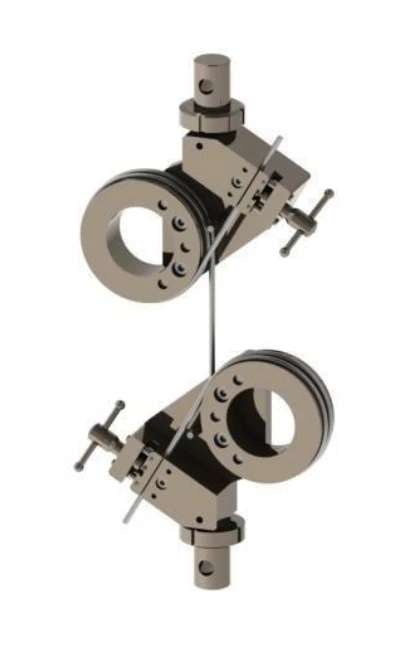 100 kN
Snubbing Grips for Wire and Cable Testing
Snubbing grips, also known as capstan grips, are designed for tensile testing of wires, cables, ropes, textile…
View product
100 kN
Snubbing Grips for Wire and Cable Testing
Snubbing grips, also known as capstan grips, are designed for tensile testing of wires, cables, ropes, textile…
View product
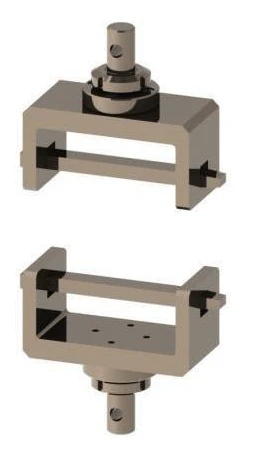 100 kN
Specialized Grips and Fixtures for Tear, Peel and Puncture Testing
These specialized grips and fixtures expand UTM testing capabilities for tear, peel, puncture, shear, and unique…
View product
100 kN
Specialized Grips and Fixtures for Tear, Peel and Puncture Testing
These specialized grips and fixtures expand UTM testing capabilities for tear, peel, puncture, shear, and unique…
View product
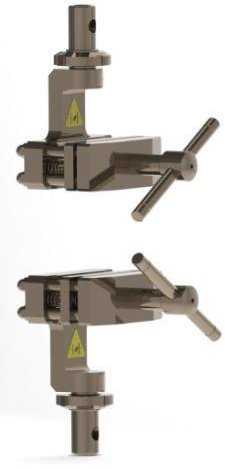 300 kN
TestStar Series Grips and Fixtures for Hydraulic UTMs
TestStar® Series grips and fixtures are high-precision accessories for integrating tensile, snubbing, wedge-action,…
View product
300 kN
TestStar Series Grips and Fixtures for Hydraulic UTMs
TestStar® Series grips and fixtures are high-precision accessories for integrating tensile, snubbing, wedge-action,…
View product
20 kN
Side-Action Tensile Grips
Side action tensile grips provide quick, secure clamping for films, thin sheets, textiles, fine wires, polymer…
View product
300 kN
Wedge Tensile Grips for Metals and Composites
Wedge tensile grips are built for high-load tensile testing of flat and round specimens made from metals, composites,…
View product
10 kN
Grips and Fixtures for Wood Testing
These wood testing grips and fixtures support tensile, shear, flexural, internal bond, and fastener-related…
View product
2000 kN
Grips and Fixtures for Hydraulic Universal Testing Machines
Grips and fixtures for hydraulic universal testing machines are built for high-force tensile, shear, proof load,…
View product
300 kN
Threaded Grips for Bolt and Nut Testing
Threaded grips for bolt and nut tensile testing provide secure axial loading for bolts, studs, nuts, and other…
View product
100 kN
Pneumatic Grips for Fast and Repeatable Clamping
Pneumatic grips provide fast, repeatable air-actuated clamping for universal testing machines in high-throughput…
View product
100 kN
Composite Grips and Fixtures for Tensile and Shear Testing
Composite grips and fixtures are engineered for tensile, compression, shear, bending, peel, and delamination testing…
View product
2000 kN
Dual-Action Hydraulic Wedge Grips for High-Capacity Testing
Dual-Action Hydraulic Grips are high-capacity wedge-clamping fixtures for tensile testing on universal testing…
View product
1 kN
Eccentric Roller Grips for Thin and Flexible Specimens
Eccentric roller grips are built for low-force tensile testing of thin, soft, and flexible specimens such as rubber…
View product
5 kN
Self-Tightening Grips for Elastic Materials
Self-tightening grips are designed for tensile testing of deformable, elastic, or low-friction materials such as…
View product
5 kN
Shoulder Fixtures for Pull-Off Testing
Shoulder fixtures are specialized tensile grips for specimens and components with shoulder geometries, where…
View product
100 kN
Snubbing Grips for Wire and Cable Testing
Snubbing grips, also known as capstan grips, are designed for tensile testing of wires, cables, ropes, textile…
View product
100 kN
Specialized Grips and Fixtures for Tear, Peel and Puncture Testing
These specialized grips and fixtures expand UTM testing capabilities for tear, peel, puncture, shear, and unique…
View product
300 kN
TestStar Series Grips and Fixtures for Hydraulic UTMs
TestStar® Series grips and fixtures are high-precision accessories for integrating tensile, snubbing, wedge-action,…
View product
3
Bend and compression
Fixtures that turn the frame into a flexural or compression rig
4
Most requested
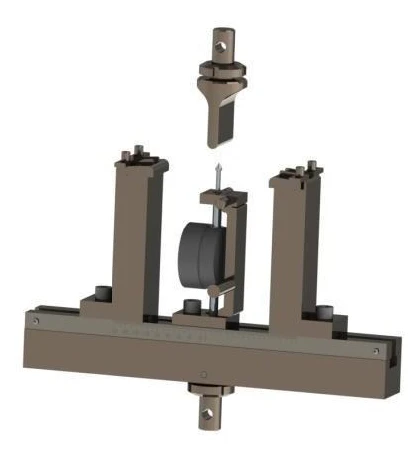 100 kN
3-Point and 4-Point Bending Fixtures for Flexural Testing
These 3-point and 4-point bending fixtures support flexural strength, deformation, and modulus testing of natural…
View product
100 kN
3-Point and 4-Point Bending Fixtures for Flexural Testing
These 3-point and 4-point bending fixtures support flexural strength, deformation, and modulus testing of natural…
View product
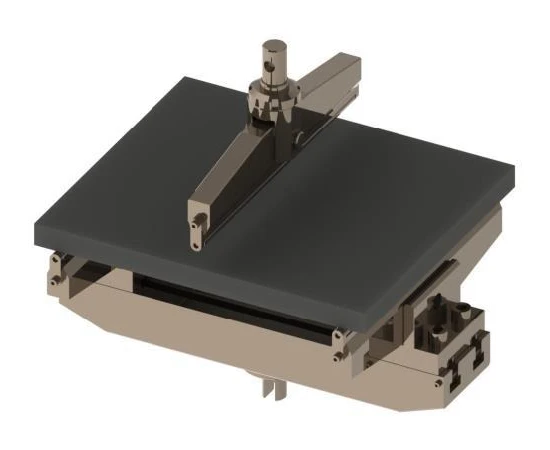 300 kN
3-Point Bending Fixtures for Flexural Testing
These bending fixtures support standard 3-point flexural testing of plastics, composites, metals, ceramics, alloys,…
View product
300 kN
3-Point Bending Fixtures for Flexural Testing
These bending fixtures support standard 3-point flexural testing of plastics, composites, metals, ceramics, alloys,…
View product
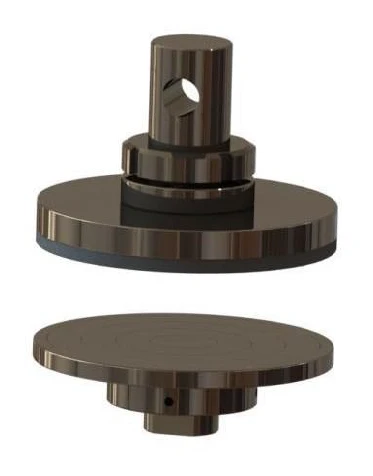 300 kN
Compression Fixtures for Rigid Samples
Compression fixtures provide aligned axial loading for rigid samples tested on NG-EML and SHM universal testing…
View product
300 kN
Compression Fixtures for Rigid Samples
Compression fixtures provide aligned axial loading for rigid samples tested on NG-EML and SHM universal testing…
View product
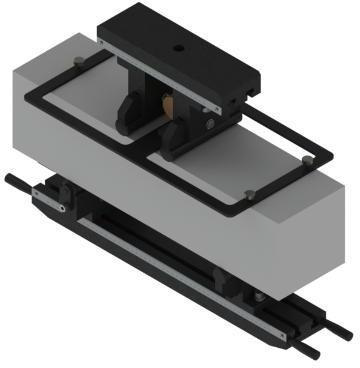 2000 kN
Flexure Fixtures for Large and Brittle Specimens
These flexure fixtures are designed for precise bending tests on large, brittle, or high-strength specimens,…
View product
2000 kN
Flexure Fixtures for Large and Brittle Specimens
These flexure fixtures are designed for precise bending tests on large, brittle, or high-strength specimens,…
View product
100 kN
3-Point and 4-Point Bending Fixtures for Flexural Testing
These 3-point and 4-point bending fixtures support flexural strength, deformation, and modulus testing of natural…
View product
300 kN
3-Point Bending Fixtures for Flexural Testing
These bending fixtures support standard 3-point flexural testing of plastics, composites, metals, ceramics, alloys,…
View product
300 kN
Compression Fixtures for Rigid Samples
Compression fixtures provide aligned axial loading for rigid samples tested on NG-EML and SHM universal testing…
View product
2000 kN
Flexure Fixtures for Large and Brittle Specimens
These flexure fixtures are designed for precise bending tests on large, brittle, or high-strength specimens,…
View product
4
Marking and software
Preparing the gauge length and running the test
2
 GenTest v3.0 Software for Universal Testing Machines
GenTest v3.0 is NextGen’s data acquisition and test control software for universal testing machines, built around…
View product
GenTest v3.0 Software for Universal Testing Machines
GenTest v3.0 is NextGen’s data acquisition and test control software for universal testing machines, built around…
View product
 500 mm
GenMark 500 – Automatic Gauge Length Marking Machine
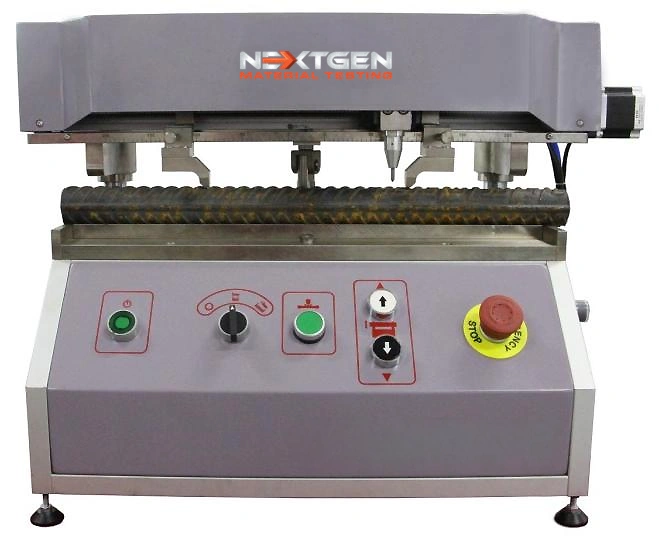
The GenMark 500 is a full-automatic gauge length marking machine for metal bar, rebar and wire rod, applying the…
View product
500 mm
GenMark 500 – Automatic Gauge Length Marking Machine
The GenMark 500 is a full-automatic gauge length marking machine for metal bar, rebar and wire rod, applying the…
View product
1
Machines
Hydraulic frames from a few hundred kilonewtons upward
5
 NG-SHM Series A – Servo-Hydraulic Universal Testing Machine
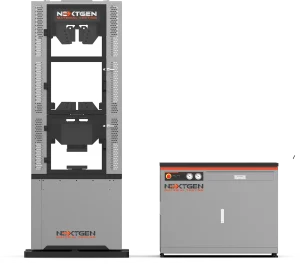
NG-SHM Series A is a high-force servo-hydraulic universal testing machine for static mechanical testing of metals and…
Servo-hydraulic universal testing
NG-SHM Class B – Servo-Hydraulic Universal Testing Machine
NG-SHM Class B is a high-force servo-hydraulic universal testing machine for tensile, compression, and flexural…
Servo-hydraulic universal testing
NG-SHM Class C – Servo-Hydraulic Universal Testing Machine
NG-SHM Class C is a servo-hydraulic universal testing machine for high-force metal testing, with capacity options of…
Servo-hydraulic universal testing
NG-SHM Class D – Servo-Hydraulic Universal Testing Machine
NG-SHM Class D is a servo-hydraulic universal testing machine for high-force mechanical testing of metals and…
Servo-hydraulic universal testing
NG-SHM Class DP – Servo-Hydraulic Universal Testing Machine
NG-SHM Class DP is a high-force servo-hydraulic testing machine with an upper actuator, single-zone test space, and…
Servo-hydraulic universal testing
NG-SHM Series A – Servo-Hydraulic Universal Testing Machine
NG-SHM Series A is a high-force servo-hydraulic universal testing machine for static mechanical testing of metals and…
Servo-hydraulic universal testing
NG-SHM Class B – Servo-Hydraulic Universal Testing Machine
NG-SHM Class B is a high-force servo-hydraulic universal testing machine for tensile, compression, and flexural…
Servo-hydraulic universal testing
NG-SHM Class C – Servo-Hydraulic Universal Testing Machine
NG-SHM Class C is a servo-hydraulic universal testing machine for high-force metal testing, with capacity options of…
Servo-hydraulic universal testing
NG-SHM Class D – Servo-Hydraulic Universal Testing Machine
NG-SHM Class D is a servo-hydraulic universal testing machine for high-force mechanical testing of metals and…
Servo-hydraulic universal testing
NG-SHM Class DP – Servo-Hydraulic Universal Testing Machine
NG-SHM Class DP is a high-force servo-hydraulic testing machine with an upper actuator, single-zone test space, and…
Servo-hydraulic universal testing
2
Grips and fixtures
What holds the specimen decides whether the result is valid
14
 Side-Action Tensile Grips20 kN
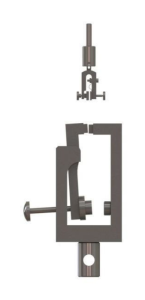
Side action tensile grips provide quick, secure clamping for films, thin sheets, textiles, fine wires, polymer…
Gripping and fixturing
Side-Action Tensile Grips20 kN
Side action tensile grips provide quick, secure clamping for films, thin sheets, textiles, fine wires, polymer…
Gripping and fixturing
 Wedge Tensile Grips for Metals and Composites300 kN
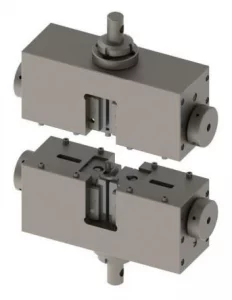
Wedge tensile grips are built for high-load tensile testing of flat and round specimens made from metals, composites,…
Gripping and fixturing
Wedge Tensile Grips for Metals and Composites300 kN
Wedge tensile grips are built for high-load tensile testing of flat and round specimens made from metals, composites,…
Gripping and fixturing
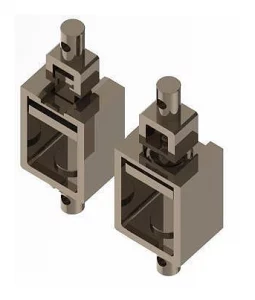 Grips and Fixtures for Wood Testing10 kN
These wood testing grips and fixtures support tensile, shear, flexural, internal bond, and fastener-related…
Gripping and fixturing
Grips and Fixtures for Wood Testing10 kN
These wood testing grips and fixtures support tensile, shear, flexural, internal bond, and fastener-related…
Gripping and fixturing
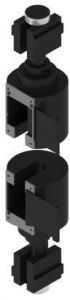 Grips and Fixtures for Hydraulic Universal Testing Machines2000 kN
Grips and fixtures for hydraulic universal testing machines are built for high-force tensile, shear, proof load,…
Gripping and fixturing
Grips and Fixtures for Hydraulic Universal Testing Machines2000 kN
Grips and fixtures for hydraulic universal testing machines are built for high-force tensile, shear, proof load,…
Gripping and fixturing
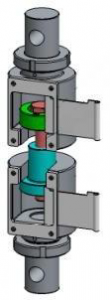 Threaded Grips for Bolt and Nut Testing300 kN
Threaded grips for bolt and nut tensile testing provide secure axial loading for bolts, studs, nuts, and other…
Gripping and fixturing
Threaded Grips for Bolt and Nut Testing300 kN
Threaded grips for bolt and nut tensile testing provide secure axial loading for bolts, studs, nuts, and other…
Gripping and fixturing
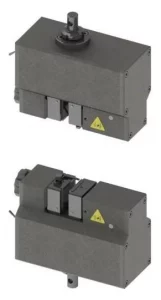 Pneumatic Grips for Fast and Repeatable Clamping100 kN
Pneumatic grips provide fast, repeatable air-actuated clamping for universal testing machines in high-throughput…
Gripping and fixturing
Pneumatic Grips for Fast and Repeatable Clamping100 kN
Pneumatic grips provide fast, repeatable air-actuated clamping for universal testing machines in high-throughput…
Gripping and fixturing
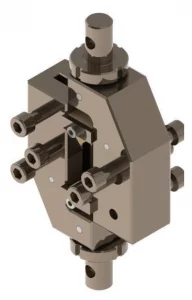 Composite Grips and Fixtures for Tensile and Shear Testing100 kN
Composite grips and fixtures are engineered for tensile, compression, shear, bending, peel, and delamination testing…
Gripping and fixturing
Composite Grips and Fixtures for Tensile and Shear Testing100 kN
Composite grips and fixtures are engineered for tensile, compression, shear, bending, peel, and delamination testing…
Gripping and fixturing
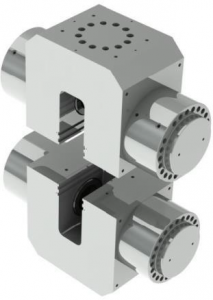 Dual-Action Hydraulic Wedge Grips for High-Capacity Testing2000 kN
Dual-Action Hydraulic Grips are high-capacity wedge-clamping fixtures for tensile testing on universal testing…
Gripping and fixturing
Dual-Action Hydraulic Wedge Grips for High-Capacity Testing2000 kN
Dual-Action Hydraulic Grips are high-capacity wedge-clamping fixtures for tensile testing on universal testing…
Gripping and fixturing
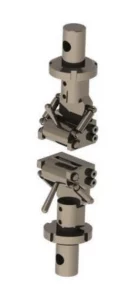 Eccentric Roller Grips for Thin and Flexible Specimens1 kN
Eccentric roller grips are built for low-force tensile testing of thin, soft, and flexible specimens such as rubber…
Gripping and fixturing
Eccentric Roller Grips for Thin and Flexible Specimens1 kN
Eccentric roller grips are built for low-force tensile testing of thin, soft, and flexible specimens such as rubber…
Gripping and fixturing
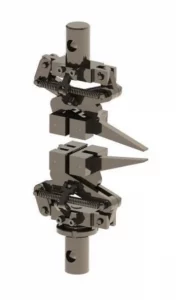 Self-Tightening Grips for Elastic Materials5 kN
Self-tightening grips are designed for tensile testing of deformable, elastic, or low-friction materials such as…
Gripping and fixturing
Self-Tightening Grips for Elastic Materials5 kN
Self-tightening grips are designed for tensile testing of deformable, elastic, or low-friction materials such as…
Gripping and fixturing
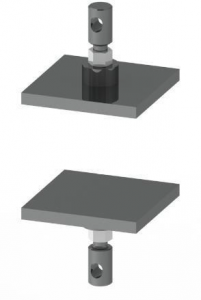 Shoulder Fixtures for Pull-Off Testing5 kN
Shoulder fixtures are specialized tensile grips for specimens and components with shoulder geometries, where…
Gripping and fixturing
Shoulder Fixtures for Pull-Off Testing5 kN
Shoulder fixtures are specialized tensile grips for specimens and components with shoulder geometries, where…
Gripping and fixturing
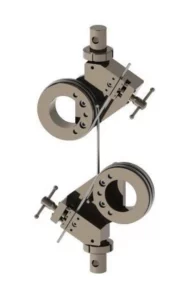 Snubbing Grips for Wire and Cable Testing100 kN
Snubbing grips, also known as capstan grips, are designed for tensile testing of wires, cables, ropes, textile…
Gripping and fixturing
Snubbing Grips for Wire and Cable Testing100 kN
Snubbing grips, also known as capstan grips, are designed for tensile testing of wires, cables, ropes, textile…
Gripping and fixturing
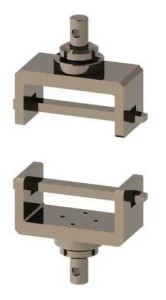 Specialized Grips and Fixtures for Tear, Peel and Puncture Testing100 kN
These specialized grips and fixtures expand UTM testing capabilities for tear, peel, puncture, shear, and unique…
Gripping and fixturing
Specialized Grips and Fixtures for Tear, Peel and Puncture Testing100 kN
These specialized grips and fixtures expand UTM testing capabilities for tear, peel, puncture, shear, and unique…
Gripping and fixturing
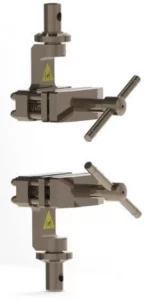 TestStar Series Grips and Fixtures for Hydraulic UTMs300 kN
TestStar® Series grips and fixtures are high-precision accessories for integrating tensile, snubbing, wedge-action,…
Gripping and fixturing
TestStar Series Grips and Fixtures for Hydraulic UTMs300 kN
TestStar® Series grips and fixtures are high-precision accessories for integrating tensile, snubbing, wedge-action,…
Gripping and fixturing
3
Bend and compression
Fixtures that turn the frame into a flexural or compression rig
4
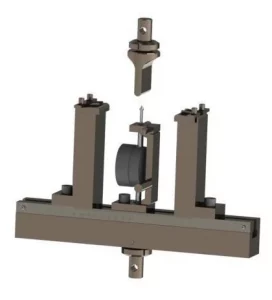 3-Point and 4-Point Bending Fixtures for Flexural Testing100 kN
These 3-point and 4-point bending fixtures support flexural strength, deformation, and modulus testing of natural…
Flexural and bend testing
3-Point and 4-Point Bending Fixtures for Flexural Testing100 kN
These 3-point and 4-point bending fixtures support flexural strength, deformation, and modulus testing of natural…
Flexural and bend testing
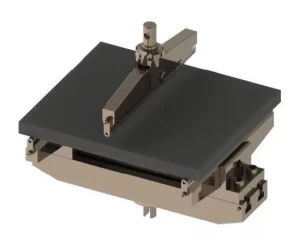 3-Point Bending Fixtures for Flexural Testing300 kN
These bending fixtures support standard 3-point flexural testing of plastics, composites, metals, ceramics, alloys,…
Flexural and bend testing
3-Point Bending Fixtures for Flexural Testing300 kN
These bending fixtures support standard 3-point flexural testing of plastics, composites, metals, ceramics, alloys,…
Flexural and bend testing
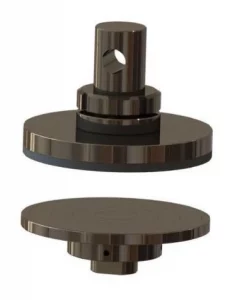 Compression Fixtures for Rigid Samples300 kN
Compression fixtures provide aligned axial loading for rigid samples tested on NG-EML and SHM universal testing…
Compression testing
Compression Fixtures for Rigid Samples300 kN
Compression fixtures provide aligned axial loading for rigid samples tested on NG-EML and SHM universal testing…
Compression testing
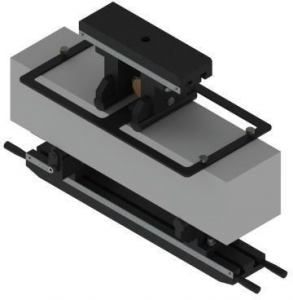 Flexure Fixtures for Large and Brittle Specimens2000 kN
These flexure fixtures are designed for precise bending tests on large, brittle, or high-strength specimens,…
Flexural and bend testing
Flexure Fixtures for Large and Brittle Specimens2000 kN
These flexure fixtures are designed for precise bending tests on large, brittle, or high-strength specimens,…
Flexural and bend testing
4
Marking and software
Preparing the gauge length and running the test
2
 GenTest v3.0 Software for Universal Testing Machines
GenTest v3.0 is NextGen’s data acquisition and test control software for universal testing machines, built around…
Test software
GenTest v3.0 Software for Universal Testing Machines
GenTest v3.0 is NextGen’s data acquisition and test control software for universal testing machines, built around…
Test software
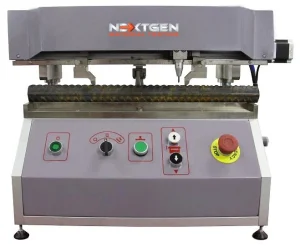 GenMark 500 – Automatic Gauge Length Marking Machine500 mm
The GenMark 500 is a full-automatic gauge length marking machine for metal bar, rebar and wire rod, applying the…
Gauge length marking
GenMark 500 – Automatic Gauge Length Marking Machine500 mm
The GenMark 500 is a full-automatic gauge length marking machine for metal bar, rebar and wire rod, applying the…
Gauge length marking
Nothing matches that filter. Show all products
FAQs
Here are some fundamental differences between Class A and Class DP Servo Hydraulic Universal Tensile Testers:
- Class A can only perform tension or compression test, while Class DP can perform tension and compression cyclical test.
- Class DP is much heavier system than Class A. It is a robust machine equipped with a heavier bottom platen and top platen. It also has a much larger cylinder.
- Class DP tensile tester uses I type load cell. This is an more advanced, precise and reliable load cell relative to Class A system.
- During specimen clamping Class DP Servo Hydraulic machine has smaller initial force than Class A. That means that Class DP has smaller rate of damage on specimens during clamping.
- Class DP system is shock absorbent allowing for a minimum ground shock upon tensile specimen break.
- Class DP is easier for tensile testing in general. It is more user friendly, accessible and accurate. When it comes to Class A tensile tester, the operator needs to use a small ladder when loading the specimens, because the tensile test space is in the upper section of the tester.
Learn more by contacting us today or submit quote request.