EN ISO 15630-1 is a test-methods standard used to evaluate reinforcing steel products (rebar and related forms) intended for concrete reinforcement. It brings together mechanical testing, chemical test methods, and measurement of key geometrical characteristics used to support product compliance and QA/QC decisions.
Because project and product standards can specify which tests, options, and reporting details apply, labs typically use this document as the “how to test” reference alongside the cited reinforcing-steel specification. If you need help mapping your requirement to the correct edition and test setup, talk with our team.
EN ISO 15630-1 — Steel for the reinforcement and prestressing of concrete — Test methods — Part 1: Reinforcing bars, rods and wire
This standard is part of the ISO 15630 series for reinforcing and prestressing steels. Part 1 focuses on reinforcing bars, rods, and wire, and is commonly referenced by reinforcing-steel product specifications and purchaser requirements.
It is written for routine laboratory and mill testing as well as for independent verification testing, with provisions that can be selected when the applicable product standard (or contract) calls them up.
Quick definition
EN ISO 15630-1 defines standardized methods to measure and report key properties of reinforcing steel (including tensile properties, bending performance, and surface geometry), plus related test-method options used when specified by a product standard.
What This Standard Covers
EN ISO 15630-1 specifies chemical and mechanical test methods and measurement methods for geometrical characteristics applicable to reinforcing bars, rods, and wire for concrete.
Important boundary: Sampling conditions are addressed in product standards rather than in this test-methods document. In practice, the “what to sample and how often” rules come from the cited reinforcing-steel specification, project requirements, or contract documents.
Why This Standard Matters in Testing
Reinforcing steel test results influence material release, traceability records, and compliance documentation for structural concrete applications. Using a recognized method standard helps labs and suppliers produce comparable results for common acceptance properties such as yield behavior, tensile strength, and ductility-related measurements.
It also helps align test execution with broader metals-testing requirements (for example, machine force verification and extensometer calibration), which can be critical when results are used for certification, dispute resolution, or third-party verification.
Common Materials, Product Types, or Applications Covered
This standard is used for reinforcing steel supplied as:
- Reinforcing bars (rebar)
- Rods
- Wire for concrete reinforcement
Typical users include reinforcing-steel producers, independent test labs, construction quality teams, and procurement/QA groups verifying incoming reinforcement for civil, commercial, and industrial concrete structures.
Common Test or Verification Workflow
EN ISO 15630-1 is commonly used within a workflow like this:
1) Requirement definition: Identify the reinforcing-steel product standard (or project spec) and confirm which EN ISO 15630-1 test clauses/options are invoked.
2) Specimen handling and preparation: Prepare straight test pieces as required for the selected tests and document any straightening or conditioning steps when they are relevant to the reported result.
3) Mechanical testing: Perform tensile testing and bending-related tests as required, capturing the specific elongation/extension measures and acceptance-relevant values called up by the specification.
4) Geometry and identity checks: Measure defined geometrical characteristics (commonly used to assess deformation pattern/geometry for bond-related performance in reinforced concrete applications).
5) Reporting: Report results in the format expected by the product standard or contract, including any selected options that can affect interpretation.
Equipment Commonly Used for This Standard
Equipment selection depends on which clauses and options the buyer/specification calls up, but most labs associate EN ISO 15630-1 with a core set of mechanical and dimensional measurement tools.
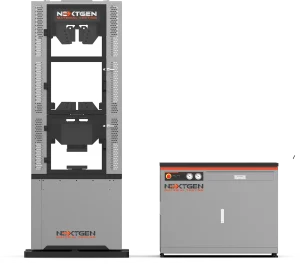
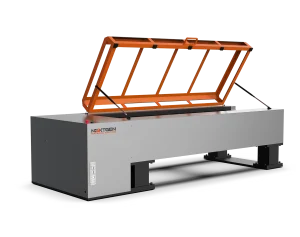
Common equipment: Universal testing machine (UTM) for tensile testing; appropriate grips for ribbed bar/rod/wire; extensometer or strain measurement system when required; bend (and where required, rebend) test tooling; dimensional metrology tools for diameter and surface-geometry measurements.
Calibration and verification: Because tensile results and extension measurements can be acceptance-critical, labs typically pair this workflow with documented verification of the force-measuring system and extensometer calibration practices appropriate to metals testing.
If you are configuring a system for rebar tensile and bend capability and want to align capacity, gripping, and strain measurement to your bar sizes and reporting requirements, you can request pricing for a configured setup.
How to Read This Designation or Revision
Designation: “EN ISO 15630-1” refers to the European adoption of ISO 15630-1, Part 1, covering reinforcing bars, rods, and wire.
Year/edition: The designation is often cited with a year (for example, “EN ISO 15630-1:2019”). Test options, referenced methods, and reporting expectations can be edition-sensitive, so purchasing, quoting, and lab procedures should match the exact edition stated in the contract or product specification.
Related Standards, Methods, or Frameworks when useful
EN ISO 15630-1 is commonly used alongside broader metals testing and reinforcing-steel frameworks referenced within the document, such as tensile testing and test-machine verification standards, and reinforcing-steel vocabulary used for consistent terminology.
For reinforcing and prestressing steels beyond bars/rods/wire, other parts of the ISO 15630 series may apply, depending on the product form and the governing product standard.
Get help selecting a test system for EN ISO 15630-1
If you share the product form (bar, rod, or wire), size range, and the exact cited edition and acceptance properties, we can help align machine capacity, gripping, extensometry, and bend tooling to your workflow. Start with a quick discussion with our team.