Oscillating Disc Rheometer (ODR)

Rubber Testing Equipment
Standards






Description
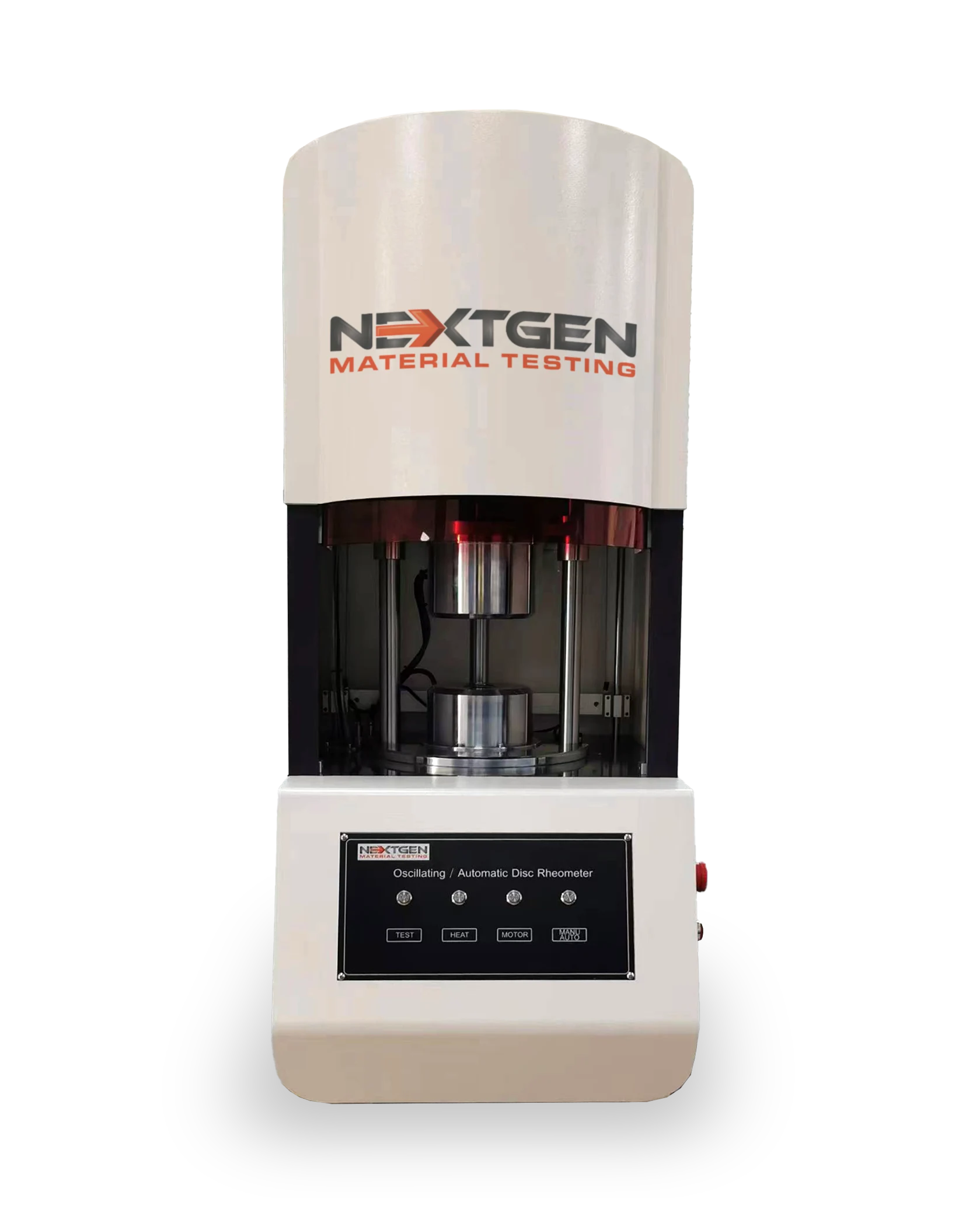
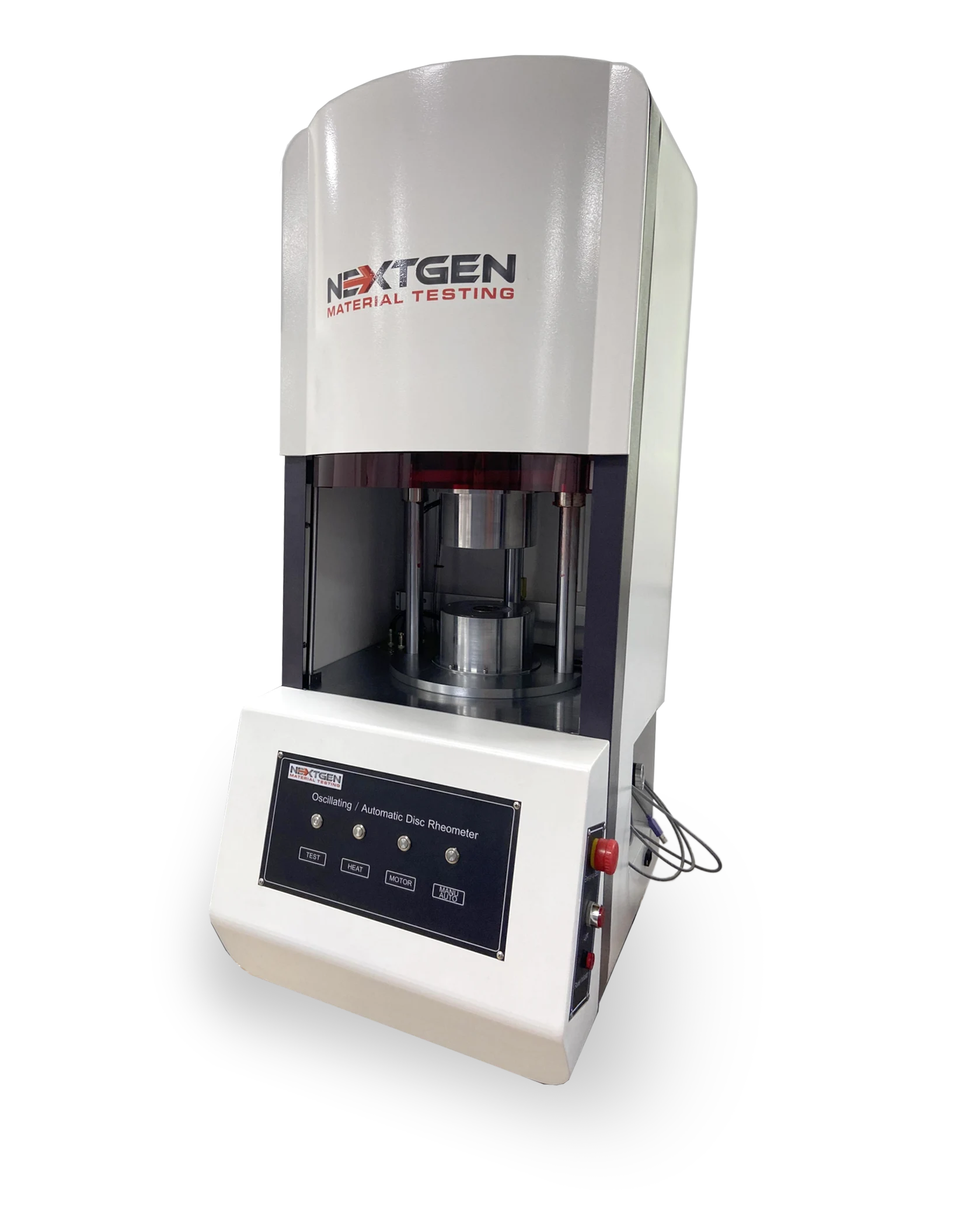
This machine is designed to get the characteristic curve and characteristic parameters of rubber vulcanization by measuring the applied moment of rubber to the oscillating die body. The NG-ODR rotor-free vulcameter has an excellent stability of results. The data and diagrams can be used as a reference for development, research and production quality.
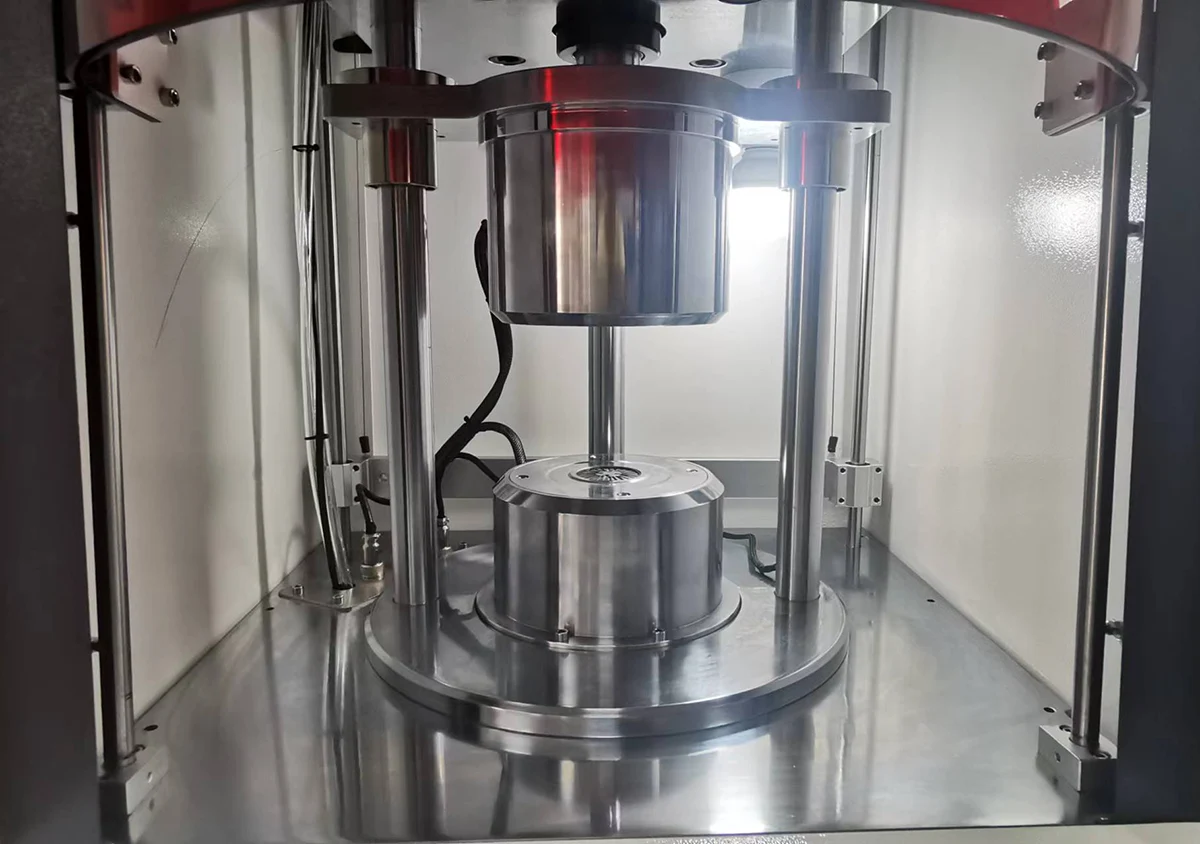
NG-ODR describes precisely and quickly the curing and processing characteristics of vulcanized rubber compounds. It works on a very simple principle. A test piece of rubber compound is contained in a sealed test cavity under positive pressure and maintained at a specified elevated temperature. A rotor, the oscillating disc, is embedded in the test piece and is oscillated through a small specified rotary amplitude. This action exerts a shear strain on the test piece, and the torque required to oscillate the disc depends on the stiffness or shear modulus of the rubber compound.
Torque Range0 to 20 N·m
Minimum Reading0.001 N·m
Temperature Accuracy±0.3 °C
Oscillation1.6 Hz (100 r/min)
Heating Rate120 °C/min
Specimen5 cm
The film below shows the instrument in operation.
The NG-ODR running a vulcanization test.
Software Functionality
What the software does with the curve once the test has run.
Database
Database functionality can store your curves, drawings and results for printing at any time.
Export
Allows you to export your testing results in Excel format.
Analysis
Multiple analysis functions like statistics, deviation setting, standard curve setting and CPK statistical calculations.
Interface
The interface allows for local zoom and curve comparison.
Selection
Selection of any vulcanization time, range selection and screen capture.
Reanalysis
It can reanalyze your previous test data, and increase or modify the reports according to the user’s requirements.
Data retrieval
Multiple data sequences provide convenient ways for data retrieval.
Testing Curve and Results
Eight values are read off the vulcanization curve. The first two describe the compound before and after cure; the six Ts values are times to a defined rise in torque.
| Value | What it is | How it is read |
|---|---|---|
| ML | Minimum torque (dNm) | Measures value of the vulcanization characteristic (viscosity) of the unvulcanised test sample. |
| MH | Maximum torque (dNm) | Measures value of the shear modulus or rigidity of the fully vulcanized test sample. This includes the maximum torque of the flat curve and titration curve, as well as the maximum torque when the flat and titration curves do not appear within the given time. |
| Ts1 | Minimum | Time in which the torque is increased to ML + 1 dNm when the swing angle is 0.5° or 1°. |
| Ts2 | Minimum | Time in which the torque is increased to ML + 2 dNm when the swing angle is 3°. |
| Ts10 | Minimum | Time in which the torque is increased to ML + 10(MH-ML)/100 dNm. |
| Ts30 | Minimum | Time in which the torque is increased to ML + 30(MH-ML)/100 dNm. |
| Ts60 | Minimum | Time in which the torque is increased to ML + 60(MH-ML)/100 dNm. |
| Ts90 | Minimum | Time in which the torque is increased to ML + 90(MH-ML)/100 dNm, reflecting the optimum vulcanization of your testing specimen. |
Standard Configuration
Every machine ships with the consumables and the tooling needed to run it.
| Item | Quantity |
|---|---|
| Sealing rings | 10 pcs |
| Heating plate | 2 pcs |
| High temperature paper | 3 copies |
| Desktop (PC) | 1 set |
| Printer | 1 set |
| Hexagonal wrench | 1 set |
Technical Specifications
The figures that apply to the machine itself.
| Specification | NG-ODR |
|---|---|
| Temperature range | Room temperature to 22 °C - 200 °C |
| Temperature accuracy | Within ±0.3 °C |
| Temperature display resolution | 0.01 °C |
| Oscillation frequency | 1.6 Hz (100 r/min) |
| Heating rate | 120 °C/min |
| Torque range | 0 to 20 N·m |
| Minimum torque reading | 0.001 N·m |
| Swing angles | ±0.5°, ±1°, ±2° (standard matching angle 1 degree) |
| Swing angle speed | 100 r/min (1.66 Hz) |
| Control | Computer controlled |
| Communication mode | COM port |
| Air pressure | 65 psi (4.6 bar), not including air compressor |
| Specimen dimensions | 5 cm |
| Display | NextGen software |
| Dimensions (W x D x H) | 51.5 × 22 × 24.4″ (131 × 56 × 62 cm) |
| Weight | 498 lbs (226 kg) |
| Power | 110 V/60 Hz or 220 V/50 Hz, 1000 W |
Have Questions or Need to Confirm a Detail?
If you need to confirm which swing angle your method calls for, or whether the rotor-free cavity suits your compound, send us a quick request online. Tell us the compound, the standard you report to and the cure temperature you run, and we will confirm the configuration you need.
For Laboratories
Need Additional Quality Control Equipment to Build Your Laboratory?
Rheological testing is only one part of a complete quality control laboratory. NextGen can help you equip your entire lab with rheometers and viscometers, abrasion and flex testers, ageing and salt spray chambers, hardness and rebound testers, specimen cutting presses, and other supporting solutions, all coordinated as one complete project.
- One partner to equip your complete laboratory
- Installation, training, calibration
- Support for the life of the equipment
FAQs
While maintaining or even increasing the elastic qualities of rubber, vulcanization reduces its plasticity. In the past, the term "vulcanization" was primarily used to describe the reaction between sulphur and rubber, but it is now typically used to describe any process that modifies a material's characteristics, whether it be caused by sulphur or another substance.
Practical vulcanization techniques rely on the transfer of heat from the exterior to the inside of the object being cured. Since compounding adjustments cannot significantly alter the heat conductivity of realistic rubber compounds, increasing temperature is a frequent way to hasten the vulcanization process. The most recent curing or moulding techniques, like injection moulding, the liquid curing medium (LCM) method, and microwave curing, employ higher curing temperatures.
NextGen’s Oscillating / Automatic Disc Rheometer (ODR weights 498lbs / 226kg, has the following dimensions: 51.5x22x24.4" / 131x56x62cm, and power: 110V/60Hz or 220V/50Hz 1000 W
Click here to obtain a personalized quote from NextGen Material Testing.
Rubber undergoes physical modification during vulcanization as a result of being forced to retract. Of course, mechanical techniques can also make rubber retract using force. But vulcanization is different since the rubber's natural shape is preserved. Rubber shrinks during the vulcanization process while maintaining its original shape. The process of vulcanization essentially shrinks rubber without distorting or changing its shape.
Vulcanization not only modifies rubber's size while maintaining its shape but also guards against further deformation. Rubber hardens and becomes less prone to distortion as it contracts. Vulcanized rubber won't deform as easily as regular, non-vulcanized rubber, but it may still distort if subjected to significant stress.
When rubber is vulcanized, it also becomes harder, increasing its tensile strength and lowering the possibility of physical harm.
The swing angle parameter for NextGen’s Oscillating / Automatic Disc Rheometer (ODR) is 100r / min (1.66hz).
Click here to obtain a personalized quote from NextGen Material Testing.
ASTM D5289 test method describes how to use sealed and unsealed torsion shear cure metres to measure certain vulcanization properties of rubber compounds. The outcomes from the two different types of instruments could differ.
NOTE: Test Approach ASTM D2084 provides an alternate method for determining vulcanization characteristics.
The values given in SI units should be taken as the norm. Parenthetical values are provided only for informational purposes.
This standard does not claim to resolve all, or even some, safety issues connected to its use. The user of this standard shall adopt adequate safety, health, and environmental practices and shall before use, determine the application of any regulatory constraints.
NextGen’s Oscillating / Automatic Disc Rheometer (ODR) complies with ASTM D5289 standard.
Click here to obtain a personalized quote from NextGen Material Testing.
Depending on where it comes from, rubber can be divided into natural rubber and synthetic rubber.
Latex, a milky-white liquid produced by the rubber tree (Hevea Brasiliensis) or other plants, is the source of natural rubber.
Conversely, synthetic rubber is a man-made polymer made from petroleum waste. Rubber is now thermoplastic, squishy, and sticky and has low tensile strength and elasticity.
The qualities of both natural and synthetic rubber can be enhanced by vulcanization, turning them into a strong, hard, non-thermoplastic substance with increased tensile strength.
The vulcanization process involves three stages:
The crosslinking process begins at a temperature between 180 °F (82 °C) and 230 °F (110 °C) during the flow duration of the induction step.
Permanent crosslinks are created during the curing stage, which is ultimately influenced by the rubber's composition, activity level, reaction time, temperature, and curing stage conditions.
All of the qualities in the rubber compound are generated as the curing process progresses to the point where it reaches its elastic behaviour in the final stage, also known as the optimum condition of cure.
The specimen dimensions for NextGen’s Oscillating / Automatic Disc Rheometer (ODR) are 5 centimetres.
Click here to obtain a personalized quote from NextGen Material Testing.
In the cure metre test cavity, a test sample of vulcanizable rubber compound is placed, and after a closure action, it is enclosed in a sealed cavity under positive pressure. The cavity is kept at a higher-than-normal vulcanization temperature. After the dies are closed, a biconical disc is completely encased in rubber. The test specimen experiences a shear strain as a result of the disc oscillating via a short rotating amplitude (1° or 3°). As a function of time, the force needed to rotate or oscillate the disc at its greatest amplitude is continually recorded, with force being proportional to the shear modulus (stiffness) of the test specimen at the test temperature.
The test is considered to be finished when the recorded torque reaches its equilibrium or maximum value or when the allotted amount of time has passed.
NextGen’s Oscillating / Automatic Disc Rheometer (ODR) complies with ASTM D2084 Standard.
Click here to obtain a personalized quote from NextGen Material Testing.
List of features of NextGen’s Oscillating / Automatic Disc Rheometer (ODR):
- Alpha closed mold cavity structure;
- Body surface treatment: American DuPont powder and electrostatic painting process are adopted. It is cured at 200 ℃ to ensure long-term color fastness;
- The alpha force sensor technology is adopted;
- The control accuracy of the heating plate at the inlet of the upper and lower mold cavities shall be within ± 0.15 ℃;
- The result report can be printed directly to check the change of vulcanization curve;
- LED lighting observation is set in the box;
- Software control can independently correct PID parameter values;
- Oil water separator with secondary pass rate self-locking;
- The machine is equipped with self-seat platform, storage box cabinet and • convenient mobile platform;
- The mechanical parts are composed of non-corrosive structural aluminum and stainless steel materials;
- Metal led button, waterproof, safe and durable, soft vision;
- Color LCD touch screen controls and displays, human-computer interaction interface, simple operation, convenient maintenance, stability and reliability;
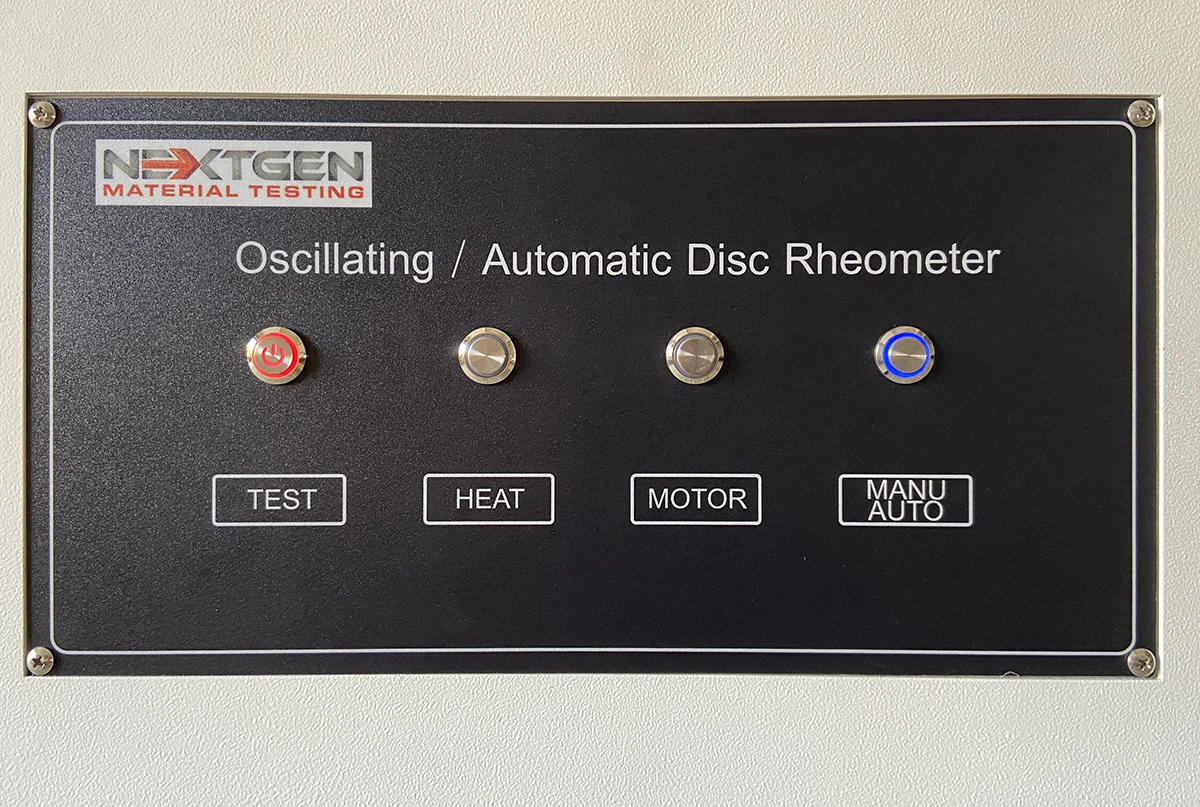
- One button automatic test, simple and convenient operation
Click here to obtain a personalized quote from NextGen Material Testing.
Here are the technical specifications of NextGen’s Oscillating / Automatic Disc Rheometer (ODR):
|
Temperature Range |
Room Temperature to 22°C - 200°C |
|
Temperature Accuracy |
Within ±0.3°C |
|
Temperature Display Resolution |
0.01°C |
|
Oscillation Frequency |
1.6Hz, (100r/min) |
|
Heating Rate |
120 °C / min |
|
Torque Range |
0 - 20nm |
|
Minimum Torque Reading |
0.001nm |
|
# of Swing Angles |
± 0.5°C ± 1°C ± 2°C (standard matching angle 1 degree) |
|
Swing Angle |
100r / min (1.66hz) |
|
Control |
Computer Controlled |
|
Communication Mode |
COM Port |
|
Air Pressure |
65psi (4.6 bar) - Not including air compressor |
|
Specimen Dimensions |
5cm |
|
Display |
NextGen Software |
|
Dimension (W x D x H) |
51.5x22x24.4" |
|
Weight |
498lbs / 226kg |
|
Power |
110V/60Hz or 220V/50Hz |
Click here to obtain a personalized quote from NextGen Material Testing.
If the vulcanization temperature is raised when silicone rubber products are being moulded, both the vulcanization time and efficiency can be effectively increased. As a result, many vulcanization moulding experts will begin their processes as soon as the temperature rises in order to speed up the moulding of custom silicone rubber keypads. Sometimes it does shorten the cure period, but other times it is counterproductive and causes a lot of numbness and rupture rather than enhancing productivity.
Natural rubber (NR) vulcanization temperature recommendations: the most suitable range is 140 to 150 °C, with a maximum temperature of 160 °C.
Butadiene rubber (BR), isoprene rubber (IR), and neoprene rubber (CR) should be vulcanized at temperatures between 150 and 160 °C, with the peak temperature not surpassing 170 °C.
The suggested vulcanization temperature for SBR and NBR is over 150°C, with the peak temperature not exceeding 190°C.
NextGen’s Oscillating / Automatic Disc Rheometer (ODR) temperature display resolution is 0.01°C.
Click here to obtain a personalized quote from NextGen Material Testing.
NextGen’s Oscillating / Automatic Disc Rheometer (ODR) has the following functionality:
- Your curves, drawings, and results can be stored in a database for printing at any time.
- Provides the option to export test results in Excel format.
- Numerous analytical features are available, including statistics, deviation setting, standard curve setup, and CPK statistical computations.
- Curve comparison and local zoom are features of the interface.
- It includes options for choosing any vulcanization time, choosing a range, and screen capture.
- Your earlier test data can be reanalyzed, and the reports can be expanded or changed to meet the needs of the user.
- Data retrieval is made simple by the existence of several data sequences.
Click here to obtain a personalized quote from NextGen Material Testing.
By monitoring the applied moment of rubber to the oscillating dye body, this machine is intended to obtain the characteristic curve and characteristic parameters of rubber vulcanization. The results are quite stable when using the NG-ODR rotor-free vulcameter. The information and diagrams can be consulted for development, research, and product quality.
NG-ODR precisely and promptly describes the curing and processing characteristics of rubber compounds that have been vulcanised. It operates on a very basic idea. Under positive pressure and while being kept at a predetermined high temperature, a test piece of rubber compound is kept inside a sealed test cavity. A Rotor (oscillating disc) that is placed in the test component oscillates via a limited rotary amplitude that is determined. The test piece experiences a shear strain as a result of this motion. Depending on the stiffness (shear modulus) of the rubber compound a torque is required to oscillate the disc.
NextGen’s Oscillating / Automatic Disc Rheometer (ODR) is computer controlled.
Click here to obtain a personalized quote from NextGen Material Testing.
This device is intended to measure the applied moment of rubber to the oscillating dye body in order to obtain the characteristic curve and characteristic parameters of rubber vulcanization. The results from the NG-ODR rotor-free vulcameter are highly stable. The information and illustrations can be used as a guide for development, investigation, and product quality.
Sulphur is necessary for the majority of vulcanizing techniques. Sulphur does not vulcanize synthetic polyolefins since it is a sluggish vulcanizing agent. Various substances that alter the kinetics of crosslinking are used to accelerate vulcanization; this mixture is frequently referred to as a cure package. Most street-legal car tyres are made of styrene-butadiene rubber (SBR), which is the primary polymer exposed to sulphur vulcanization. For the substrate and application, the cure package is customized.
Here is the list of standard accessories of NextGen’s Oscillating / Automatic Disc Rheometer (ODR):
- Sealing rings - 10
- Heating plate - 2
- High temperature paper – 3
- Desktop computer – 1
- Hexagonal wrench – 1
- Printer – 1
Click here to obtain a personalized quote from NextGen Material Testing.
An elastomer that has been strengthened by the biochemical process of vulcanization is known as vulcanized rubber. A curing agent, typically sulphur, is mixed with the milky latex from the rubber tree and heated under pressure.
Rubber and sulphur are chemically combined during vulcanization. The sulphur atoms join lengthy chains of rubber molecules when under high pressure and heat. This lessens the stickiness of the rubber while increasing its strength and durability. Additionally, it enables the rubber to maintain its flexibility across a much larger temperature range, making vulcanized rubber significantly more beneficial for a variety of applications.
Rubber becomes more durable, resilient, and heat resistant by vulcanization, making it more useful for industrial applications and some products. Vulcan, the Roman deity of fire and metalworking, is the source of the word "vulcanized."
NextGen’s Oscillating / Automatic Disc Rheometer (ODR) is designed to get the characteristic curve and characteristic parameters of rubber vulcanization by measuring the applied moment of rubber to the oscillating dye body.
Click here to obtain a personalized quote from NextGen Material Testing.
When a rubber compound is vulcanized, its properties change, and the vulcanization characteristics can be discovered by observing how the qualities vary with temperature and time. The tools known as curemeters are used to apply cyclic stress or strain to a test piece and measure the resulting strain or force in order to identify the features of vulcanization. The test is typically conducted at a predetermined constant temperature, with the stiffness measurement being continually recorded as a function of time.
The rubber becomes more rigid as the vulcanization process continues. When the observed stiffness reaches a plateau or a maximum and then starts to fall, vulcanization is complete. The loss of stiffness in the latter instance is brought on by reversion. When the observed stiffness keeps increasing (marching-modulus cure), vulcanization is regarded as complete after a certain time.
NextGen’s Oscillating / Automatic Disc Rheometer (ODR) complies with ISO 6502 standard.
Click here to obtain a personalized quote from NextGen Material Testing.
Rubber and a functional group undergo vulcanization, a chemical process that is typically triggered by heat. As a result, the product is more durable, elastic, resilient, and resistant to solvent action and temperature fluctuations than the original polymer was.
Chemical vulcanization involves heating rubber at 140–160 °C with sulphur, an accelerator, and an activator. Longer rubber molecules are cross-linked during the process to improve elasticity, resilience, tensile strength, viscosity, hardness, and weather resistance.
Rubber is reduced in size by vulcanization without changing or deforming its shape. Additionally, it keeps its shape, guarding against further deformation of the rubber.
Using the most common vulcanizing agent to vulcanize the rubber Rubber that is not saturated begins to cross-link when sulphur is added. Sulphur, as a vulcanizing agent, does not, however, work quickly. Chemical reactions involving rubber and hydrocarbons frequently include double bonds or C==C, and each cross-linking requires 40–55 sulphur atoms without an accelerator.
The torque range of NextGen’s Oscillating / Automatic Disc Rheometer (ODR) is 0 - 20nm
Click here to obtain a personalized quote from NextGen Material Testing.
The curing and processing characteristics of vulcanized rubber compounds are precisely and promptly described by NG-ODR. It operates on a fairly straightforward idea. A test piece of rubber compound is kept at a predetermined elevated temperature and enclosed in a sealed test cavity under positive pressure. The test item contains an embedded Rotor (oscillating disc) that oscillates through a narrow range of rotary amplitudes. The test piece experiences a shear strain as a result of this action, and the torque (force) necessary to cause the disc to oscillate depends on the stiffness (shear modulus) of the rubber compound.
Rubber is created through a series of activities that entail the addition of value-adding material through chemical reactivity, irreversible physical feature modification, and flow. Extrusion, calendaring, vulcanization, and breaking down the polymer through mastication on a mill are the processes that are crucially important during chemical modification in tyre production.
The lead time for NextGen’s Oscillating / Automatic Disc Rheometer (ODR) is 2-5 Months Depending on when the PO is placed.
Click here to obtain a personalized quote from NextGen Material Testing.
The recurrent or periodic change of a quantity around a central value (often an equilibrium point) or between two or more different states is known as oscillation. An alternating current and a swinging pendulum are two common examples of oscillation. In physics, oscillations can be used to simulate complex interactions like those between atoms.
The beating of the human heart (for circulation), business cycles in economics, predator-prey population cycles in ecology, geothermal geysers in geology, the vibration of strings in guitars and other string instruments, the periodic firing of nerve cells in the brain, and the periodic swelling of Cepheid variable stars in astronomy are just a few examples of dynamic systems that oscillate outside of mechanical systems.
When it comes to processing control and control theory (as in sliding mode control), where the goal is the convergence to a stable state, oscillation, especially rapid oscillation, may be an undesired feature. It is referred to as chattering or flapping in these situations, such as valve chatter and route flapping.
NextGen’s Oscillating / Automatic Disc Rheometer (ODR) oscillation frequency is 1.6Hz, (100r/min).
Click here to obtain a personalized quote from NextGen Material Testing.
A number of procedures are used for vulcanizing rubbers. The most popular method of treating natural rubber with sulphur was the only one to which the phrase originally applied. It has expanded to now include several methods for hardening other (synthetic) rubbers. Examples include the room-temperature vulcanization of silicone rubber and the use of metal oxides to vulcanize chloroprene rubber (neoprene).
The term "vulcanization" and "curing" are occasionally used synonymously in this context. Vulcanization is the process of curing elastomers. It functions by creating cross-links between polymer chain segments, increasing the material's rigidity and endurance, as well as altering its mechanical and electrical properties. Similar to the curing of other thermosetting polymers, vulcanization is typically irreversible.
Rubber hoses, shoe bottoms, toys, erasers, conveyor belts, vibration mounts/dampers, insulating materials, tyres, and bowling balls are just a few examples of the many applications for vulcanized materials. Most rubber products are vulcanized, which greatly increases their strength, durability, and longevity.
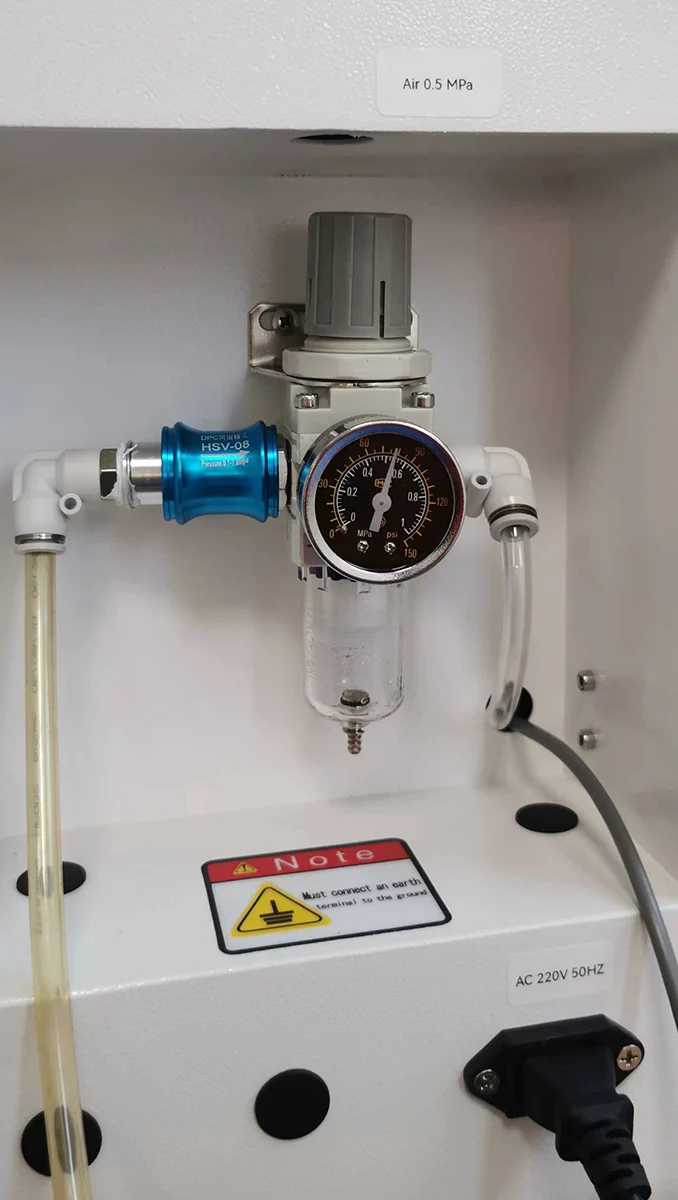
The air pressure of NextGen’s Oscillating / Automatic Disc Rheometer (ODR) is 65psi (4.6 bar) - Not including air compressor
Click here to obtain a personalized quote from NextGen Material Testing.
Rubber that has been vulcanized is substantially stronger than regular rubber. Since it can handle more strain and stress, many manufacturing companies choose it.
Rubber that has been vulcanized is also more elastic than unvulcanized rubber. Many individuals believe that flexibility and strength are related. However, just because something is sturdy doesn't automatically rule out the possibility of it being elastic. Rubber that has been vulcanized is durable and stretchy. It may be stretched further without permanently deforming, thanks to its improved flexibility.
Traditional rubber is often less resistant to abrasion than vulcanized rubber. Damage from scraping is what is meant by abrasion. Rubber that has been vulcanized is stronger and harder than unvulcanized rubber, which makes abrasion damage less likely.
When the rubber reaches a temperature of between 300 and 400 degrees Fahrenheit, it is taken out of the heating chamber and left to cool.
The temperature range of NextGen’s Oscillating / Automatic Disc Rheometer (ODR) is Room Temperature to 22°C - 200°C.
Click here to obtain a personalized quote from NextGen Material Testing
Any sort of rubber that has been made harder by using heat and sulphur is vulcanized rubber. It is created by a curing process in which heat and sulphur cause the rubber's elastomers to harden. New cross-links are formed in the rubber as a result of exposure to heat and sulphur, making it stronger and more elastic overall.
A multi-step vulcanization method is used to create vulcanized rubber. The rubber is first immersed in a sulphur and additive-filled solution. Sulphur is the main component that promotes vulcanization. However, it is combined with additional chemicals. Both colour-enhancing pigments and a process accelerator may be included in the bath.
The rubber is then shaped in the manner desired. Moulding vulcanized rubber is difficult. Instead, because of its strength and flexibility, it is challenging to mould. As a result, the rubber is moulded after being immersed in a sulphur and additive bath.
NextGen’s Oscillating / Automatic Disc Rheometer (ODR) temperature accuracy is within ±0.3°C.
Click here to obtain a personalized quote from NextGen Material Testing.
The rheometer measures the vulcanization strength required for the test specimen's deformation. The term "rheometer curve" refers to the strength's shift over time. These curves aid in assessing the rubber compound's quality.
These are the testing curves and results for NextGen’s Oscillating / Automatic Disc Rheometer (ODR):
- ML - Minimum torque (dNm) - Measures value of the vulcanization characteristic (viscosity) of the unvulcanised test sample
- MH - Maximum torque (dNm) - Measures value of the shear modulus or rigidity of the fully vulcanized test sample. This includes the maximum torque of the flat curve and titration curve as well as the maximum torque when the flat and titration curves don't appear within the given time.
- Ts1 (Minimum) - Time in which the torque is increased to ML + 1dNm when the swing angle is 0.5° or 1°
- Ts2 (Minimum) - Time in which the torque is increased to ML + 2dNm when the swing angle is 3°
- Ts10 (Minimum) - Time in which the torque is increased to ML + 10(MH-ML)/100dNm
- Ts30 (Minimum) - Time in which the torque is increased to ML + 30(MH-ML)/100dNm
- Ts60 (Minimum) - Time in which the torque is increased to ML + 60(MH-ML)/100dNm
- Ts90 (Minimum) - Time in which the torque is increased to ML + 90(MH-ML)/100dNm, reflecting the optimum vulcanization of your testing specimen
Click here to obtain a personalized quote from NextGen Material Testing.
For Torque characteristics, the MI (Initial torque), ML (Minimum Torque) and MH (Maximum Torque) can be ready from the Cure Curve. Time values are indicated as ts2 (Induction time), ts5 (scorch time), tc50 (optimum cure time) and tc90 (optimum cure time). Finally, the derived values consist of the curing rate "CR", the Thermoplasticity (Tp=MI-ML) as well as the Reversion time "RT".
The Cure Curve is the measure of Torque Vs Cure Time and is a clear indication of all the rubbers vulcanization characteristics. The Cure Curve, or Rheograph, is separated into three phases. Phase 1 provides a good indication of the processing behavior of the compound. Phase 2 provides the technician with information on the curing characteristics. Phase 3 supplies information on the physical traits and properties of the rubber compound.
A test specimen of a rubber compound is contained in a sealed test cavity which is held under a positive pressure and maintained at a specified elevated temperature dictated within the ASTM or ISO standard. A rotor (biconical disc) is embedded in the test specimen and is oscillated through a specific rotary amplitude. The rotor exerts a shear strain on the specimen and the torque required to oscillate the rotor depends on the toughness of the compound.
The vulcanization of rubber is defined as the curing of elastomers – in other words, it is the analysis of the processes involved with the hardening of rubbers. Knowing the characteristics of the vulcanization process can help determine the rubbers rigidity and durability, as well as other mechanical and electrical properties of the material.
The Rheometer is used to evaluate test batches and ensure consistency. Since materials are mixed in batches, there can be variations which need to be controller and limited to ensure a consistent product being produced. By testing material from different batches, production environments can set acceptable upper and lower control limits, ranges, the mean and standard deviation with reference to Rheological parameters. With this information, future batches can then be tested and easily fit within set Pass/Fail criteria.
The Rheometer allows for the curing characteristics of the Rubber Compound to be evaluated while also monitoring the processing characteristics and the physical properties of the test specimen. The "Cure Curve" provided after the test is the diagnostic of the compounds vulcanization and processing character.
The testing results of the Oscillating Disk Rheometer can be used for quality control in rubber manufacturing plants, for research and development on raw rubber compounded in an evaluation formulation and for analyzing raw materials in the preparation of rubber compounds.
Related Products
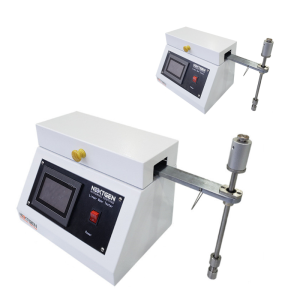
Linear Abrasion Tester
The Linear Abrasion Tester evaluates abrasion resistance, scratch resistance, and color transfer performance under dry or wet test conditions. Designed for samples of many shapes and surface profiles, it is suitable for plastics, rubber, leather, textiles, coatings, automotive parts, printed patterns, and electroplated components. Touchscreen operation and controlled linear motion help laboratories assess surface durability with repeatable, practical results.
Read more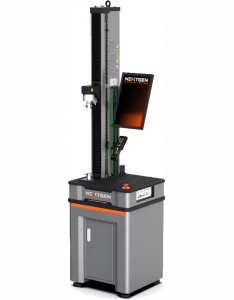
NG-EML Series A – Single-Column Universal Testing Machine (50 N – 5 kN)
NG-EML Series A is a compact single-column benchtop universal testing machine for low-force tensile, compression, and flexural testing. Covering 50 N to 5 kN capacity options, it is suited for rubber, plastics, adhesives, films, foams, wires, metals, composites, and consumer products. Its electromechanical frame, high-speed servo actuation, GenTest software, and standards support make it practical for R&D and routine QC.
Read more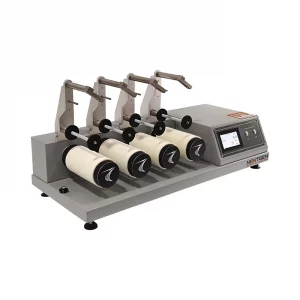
ICI/Mace Snag Tester
The ICI / Mace Snag Tester evaluates the snagging resistance of fabrics by simulating real-world wear in a controlled laboratory setup. Using a rotating drum and mace-style hammer action, it creates repeatable snagging conditions so samples can be compared against reference fabrics. Compliance with ASTM D3939, JIS L1058, and GB/T 11047 makes it suitable for textile durability and quality-control testing.
Read more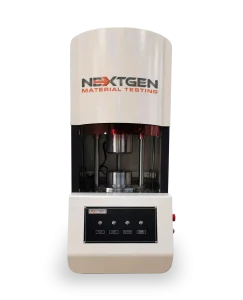
Moving Die Rheometer (MDR)
The Moving Die Rheometer is a rotorless rubber rheometer for assessing curing and processing characteristics of vulcanized rubber compounds. It measures torque response during oscillation in a sealed heated cavity, generating cure curves and parameters such as ML, MH, and cure times. ASTM D5289, ISO 6502, DIN 53529 compliance, database storage, Excel export, diagnostics, and programmable strain support reliable QC and R&D analysis.
Read more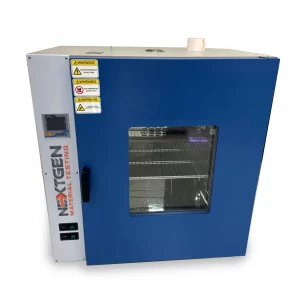
NG-AGOV-ADV – High-Temperature Aging Oven
NG-AGOV-ADV is a high-temperature aging oven for testing how rubber, plastics, elastomers, insulating materials, and similar products respond to long-term heat exposure. It simulates accelerated aging, thermal stability, and heat resistance conditions up to 300°C using forced convection, PID control, programmable cycles, stainless chamber construction, adjustable trays, over-temperature protection, and real-time monitoring. ISO 188, ASTM D573, IEC 60216-4-1, and GB/T 3512 support compliance workflows.
Read more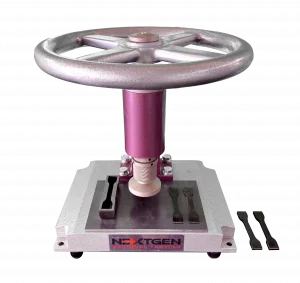
NG-T-Press M Series – Manual Cutting Press for Rubber Specimens
NG-T-Press M Series is a compact manual cutting press for preparing rubber, tape, and specialty material specimens for tensile and mechanical testing. With optional knives for standards such as ASTM D412, ASTM E8, ASTM B557, and ASTM A370, plus 30 kN punching force, quiet operation, and a 25 mm stroke, it helps labs create accurate, repeatable test samples with minimal setup.
Read more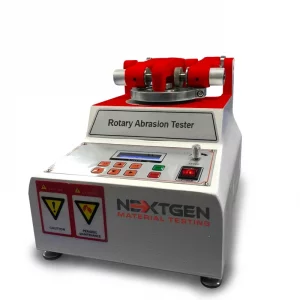
Rotary Abrasion Tester (Single and Dual Wheel)
NextGen’s Rotary Abrasion Tester is available in single- and dual-wheel configurations for evaluating surface wear resistance on rubber, plastics, fabrics, paper, coatings, leather, floor tiles, glass, plywood, and related materials. Controlled rotating speed, specified loads, abrasion wheels, LCD touchscreen counting, and automatic shutdown help laboratories compare weight loss, wear index, and surface durability under repeatable abrasion conditions.
Read more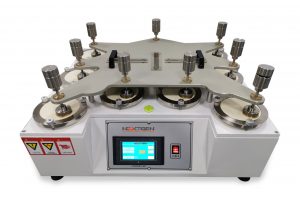
9-Station Martindale Abrasion Tester
GenDale 9-Station Martindale Abrasion Tester measures abrasion resistance and appearance change in shoe fabrics, linings, coated fabrics, textiles, and related materials. Its Martindale rubbing motion supports wet or dry testing, with PLC programmable control, adjustable speed, touchscreen operation, and simultaneous specimen handling to improve throughput. Standards alignment with ISO 12947, ISO 5470-2, and ISO 20344 makes it useful for footwear and textile QC.
Read more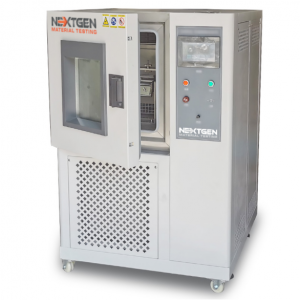
GenRoss-CH – Ross Flex Tester with Low-Temperature Chamber
GenRoss-CH is a Ross flex tester with an integrated low-temperature chamber for evaluating cold resistance and folding durability of shoes and shoe materials. With a -20°C to +150°C temperature range, programmable temperature control, 90° bending angle, adjustable cycling speed, and capacity for up to six test pieces, it supports repeatable footwear and rubber material testing under controlled conditions.
Read more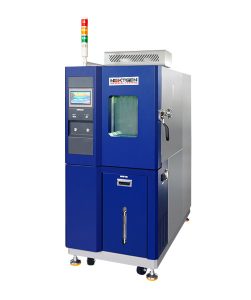
NG-EC Series – Environmental Test Chambers (100–1000 L)
NextGen NG-EC Environmental Chambers provide controlled temperature and humidity conditions for material, product, and quality-control testing. Available in 100, 150, 225, 408, and 1000 L sizes, they feature insulated steel construction, stainless interior walls, mechanical compression refrigeration, circulating air ducts, adjustable sample racks, a viewing window, and 7-inch touchscreen control to support stable, repeatable environmental simulation.
Read more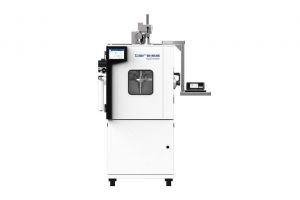
digiChamber – Temperature-Controlled Hardness Tester
digiChamber is a temperature-controlled rubber hardness testing system designed by Bareiss for Shore A and IRHD N testing under extreme environmental conditions. It combines an automatic test sequence, large 200-liter chamber, 7-inch touchscreen, digiCenter software, and multi-sample tray handling to evaluate rubber parts at controlled temperatures, helping automotive, tire, and quality-control labs verify hardness performance under realistic thermal stress.
Read more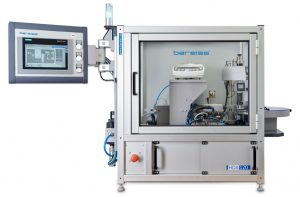
HDA 120 – Hardness and Density Automation System
HDA 120 is a semi-automatic hardness and density automation system for rubber and plastic sample characterization. It can handle up to 20 samples, perform three hardness measurements on a rotary table, and transfer specimens for density determination using a pneumatic gripping system. Data interfaces, touchscreen operation, ISO-compliant methods, and automated handling help improve throughput, traceability, and repeatability.
Read more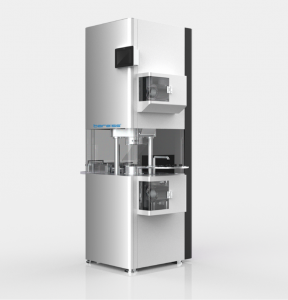
RPA Ultra – Rubber Process Analyzer
RPA Ultra is an advanced rubber process analyzer rheometer for measuring dynamic and static properties of raw rubber compounds and elastomers during processing and cure. Its closed-cavity moving die design, direct-drive deformation control, broad torque range, frequency capability up to 100 Hz, and high-pressure pneumatic sealing help labs characterize viscoelastic behavior, cure response, modulus, viscosity, tan δ, and processing performance.
Read more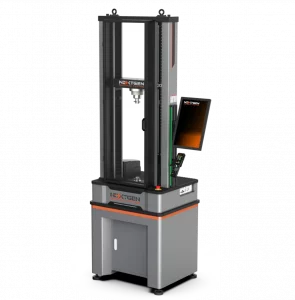
NG-EML Series B – Dual-Column Universal Testing Machine (100 N – 10 kN)
NG-EML Series B is a dual-column benchtop electromechanical universal testing machine for precision testing from 100 N to 10 kN. Built for research and industrial labs, it supports tension, compression, flexural, and component testing of composites, high-strength metals, polymers, films, foams, and rubber. Its compact rigid frame, advanced control accuracy, and GenTest software help deliver repeatable results in limited lab space.
Read more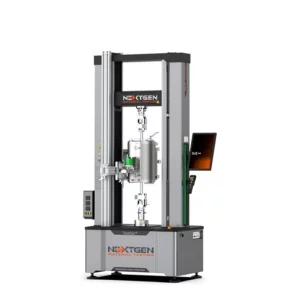
NG-EML Series C – Dual-Column Universal Testing Machine (5–50 kN)
NG-EML Series C is a dual-column electromechanical universal testing machine available in bench-top and floor-standing formats from 5 kN to 50 kN. Built for tension, compression, flexural, shear, and peel testing, it combines Class 0.5 accuracy, a servo direct-drive system, high-rigidity frame, touchscreen control, and GenTest software to support precise testing of metals, composites, rubber, plastics, and polymers.
Read more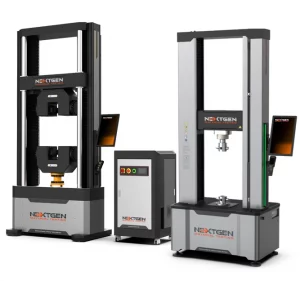
NG-EML Series D – Floor-Standing Universal Testing Machine (50–1000 kN)
NG-EML Series D is a heavy-duty floor-standing electromechanical universal testing machine for high-capacity tensile, compression, and flexural testing. Available from 50 kN to 1000 kN, it is built for high-strength steels, advanced composites, alloys, and challenging research materials. Its rigid dual-column frame, servo direct-drive system, closed-loop control, safety protections, and GenTest software support stable, accurate testing.
Read more
GenTest – Advanced UTM Testing Software
GenTest is NextGen’s advanced UTM testing software for electromechanical universal testing machines, managing test setup, live control, data acquisition, calculations, curves, and reporting from one method-driven environment. Preconfigured ASTM, ISO, DIN, EN, and BS templates help operators load the correct control mode, speeds, gauge length, formulas, and result fields for tensile, compression, and flexural tests.
Read more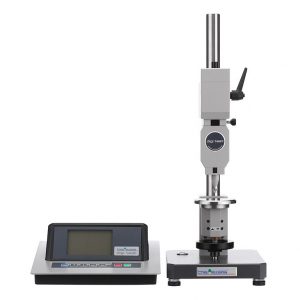
Automatic Shore, IRHD and VLRH Hardness Testing System
Digi Test II is an automatic Shore, IRHD, and VLRH hardness testing system for rubber, plastics, foams, elastomers, O-rings, tubes, hoses, and shaped parts. It combines an electronic control unit, loading module, test stand, and interchangeable measuring heads with automatic range recognition, programmable measuring time, USB output, and low-operator-influence operation. DIN, ISO, ASTM, BS, and DAkkS certificate support strengthen repeatability.
Read more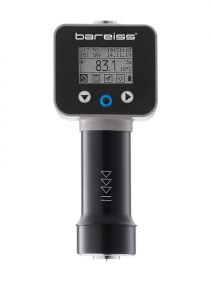
Portable Shore Durometer System with Test Stand
HPE III is an advanced portable Shore durometer system for hardness testing of rubber, plastics, and related materials. It measures hardness while also displaying specimen or environmental temperature and humidity, helping users track conditions during testing. A large LCD display, aluminum casing, patented ergonomic hand grip, USB connection, historical data display, rechargeable operation, and compatible manual or automatic test stands improve repeatability.
Read more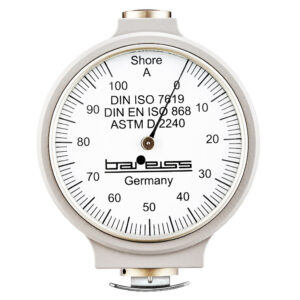
Analogue Shore Durometer with Test Stand
The Classic Analogue Shore Durometer is a German-manufactured hardness tester for rubber and plastic materials, available with manual or automatic test stand options. Known as a long-standing Shore hardness benchmark, it supports portable measurements, ergonomic operation, reference blocks, control rings, calibration accessories, and DAkkS/DKD certificate options. DIN 53505, EN ISO 868, ASTM D2240, and JIS K 6253 compatibility supports reliable verification.
Read more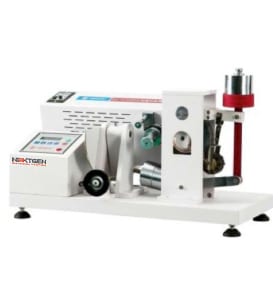
Akron Abrasion Tester
GenKron Akron Abrasion Tester measures abrasion resistance by tracking volumetric loss from a rotating specimen exposed to a standard grinding wheel. Designed for harder rubber materials such as shoe soles, tires, and similar compounds, it uses controlled rubber wheel speed, grinding speed, adjustable inclination, specified loading, and LCD cycle counting to support repeatable wear comparisons in rubber product development and quality control.
Read more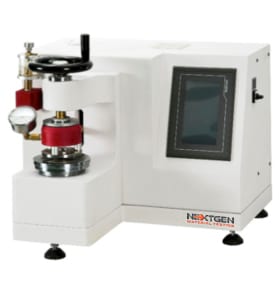
Fabric Burst Strength Tester
GenBurst is a burst strength tester for measuring the rupture resistance of fabric, leather, paper, and similar sheet materials under hydraulic pressure. Available in manual and automatic models, it uses a hydraulic diaphragm system with pressure transducers, capacity up to 100 kgf/cm², and ISO 2759 and ASTM D2210 compliance to support standardized durability, packaging, textile, and quality-control testing.
Read more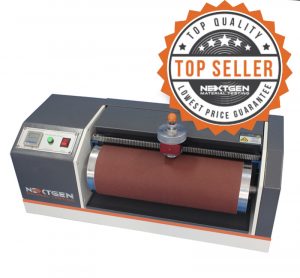
DIN Abrasion Tester
GenDin is a DIN abrasion tester for measuring abrasion resistance of vulcanized rubber, thermoplastic elastomers, footwear materials, tires, seals, and other rubber components exposed to frictional wear. The test moves a specimen across an abrasive sheet on a rotating drum and reports volume loss or abrasion index. ASTM D5963, ISO 4649, DIN 53516, EN ISO 20344, and SATRA TM174 support standardized comparisons.
Read more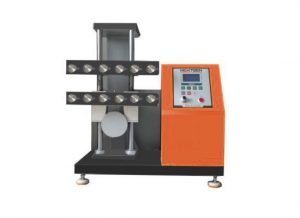
Demattia Flex Cracking Tester
GenFlex Demattia Flex Cracking Tester evaluates the ability of rubber products to withstand repeated flexing without developing cracks. It simulates standard flexing conditions of speed, stroke, and deformation to assess flex endurance in rubber and elastomer specimens. With selectable specimen formats, high-cycle LCD counting, controlled reciprocating motion, and stable fixture spacing, it helps laboratories compare compound durability for products exposed to repeated bending.
Read more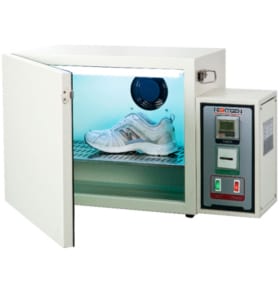
Discoloration Meter
The Discoloration Meter simulates sunlight and heat exposure to evaluate how fabrics, rubber, plastics, and other materials resist fading or discoloration. Available in compact and larger chamber configurations, it uses UV lamps, controlled temperature up to 200°C, sample racks, and an LED control display to support repeatable colorfastness testing for quality control, material comparison, and durability evaluation under accelerated environmental conditions.
Read more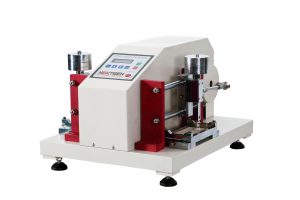
GenCrock – Electric Crocking Tester
GenCrock is an electric crocking tester for evaluating color transfer and fading on fabric, leather, and dyed surfaces after dry or wet rubbing. The specimen is fixed to the base and rubbed with a controlled abrasive hammer carrying wet or dry cloth. This repeatable setup helps laboratories rate dyeing quality, colorfastness, and surface durability for textile, leather, and product QC.
Read more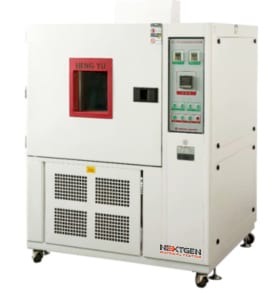
GenFreeze – Freezing Tester
GenFreeze is a freezing tester for evaluating rubber, leather, plastics, PU leather, footwear materials, and related products under cold-climate conditions. It allows operators to adjust flexing or impact-style fixtures according to the test demand, then expose specimens inside a controlled low-temperature chamber. Stainless construction, PID control, safety protection, viewing window, lighting, and intelligent power-failure recovery support repeatable cold-resistance testing.
Read more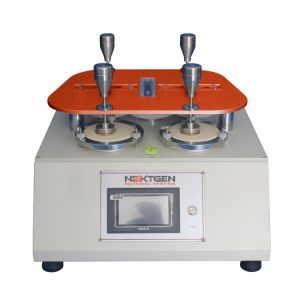
GenDale – Martindale Abrasion Tester
GenDale is a Martindale abrasion tester for evaluating abrasion resistance and visible wear in shoe fabrics, linings, textiles, and related materials. It tests up to four specimens at once using controlled multi-directional rubbing motion, with results based on the number of cycles until wear or hole formation appears. The system supports footwear, textile, and material QC labs needing repeatable durability comparisons.
Read more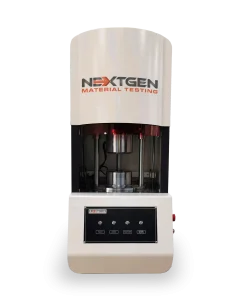
GenMooney – Mooney Viscosity Testing Machine
GenMooney is a Mooney viscosity testing machine for measuring viscosity, scorch behavior, and stress relaxation in unmixed or mixed unvulcanized natural, synthetic, and regenerated rubber. It combines fast heating, stable temperature control, high-precision torque measurement, automated calibration, data acquisition, and software reporting to support ASTM D1646, ISO 289, ISO 667, and GB/T 1233 workflows in rubber QC and formulation development.
Read more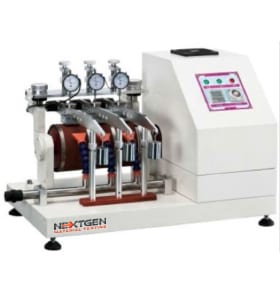
GenNBS – NBS Rubber Abrasion Tester
GenNBS is an NBS rubber abrasion tester for evaluating abrasion resistance of vulcanized rubber and related compounds, especially shoe soles and heels. It measures volumetric loss as specimens contact standardized abrasive media mounted on a rotating cylinder. Intelligent power-failure recovery, 45±5 rpm rotation, three specimen load sets, LCD counting, #40 grinding paper, and ASTM D1630 and D394 support make it useful for standardized rubber wear testing.
Read more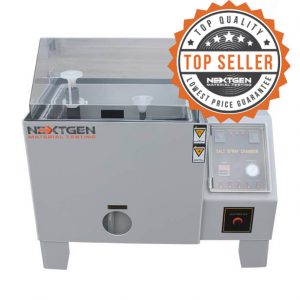
GenSalt – Salt Spray Tester
GenSalt is a salt spray tester for accelerated corrosion testing of metals, coated components, paints, varnishes, electroplating, anodizing, and rust-prevention treatments. It simulates controlled salt-fog exposure to evaluate how materials and protective finishes withstand corrosive environments. ASTM B117 alignment, reinforced PVC construction, SUS304 saturated air tank, precision air-pressure control, titanium heating tube, timing memory, and safety alarms support reliable long-duration QC testing.
Read more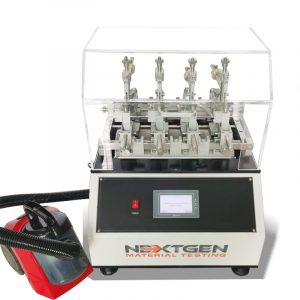
GenWyze – Wyzenbeek Abrasion Tester
GenWyze is a certified Wyzenbeek abrasion tester for measuring abrasion resistance of fabrics, upholstery materials, and selected coated or metallic surfaces. The specimen is pulled over a curved frame and rubbed against an abradant until visible wear appears, with results reported in cycles or double rubs. Four test chambers, adjustable load, ASTM D4157, ASTM D3597, ISO 12402-7, and automotive-method compatibility support standardized durability comparisons.
Read more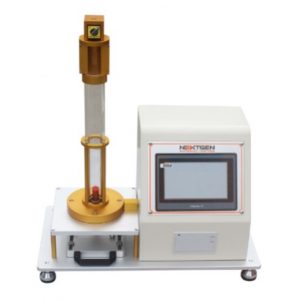
GenRebound – Vertical Rebound Resilience Tester
GenRebound is a vertical rebound resilience tester for measuring the elasticity and rebound behavior of hard rubber compounds and similar materials. Based on the free-fall hammer method, it records rebound height after controlled impacts and calculates results from repeated measurements. ASTM D2632 and ISO 10012 alignment, horizontal setup adjustment, electronic readout, and repeatable drop positioning make it useful for shock and vibration compound development.
Read more
Digital Densimeter System
NextGen Digital Densimeter Systems measure density, specific gravity, volume, and related material properties for rubber, plastics, tires, shoe materials, composites, leather, elastomers, and other solids. Using high-accuracy digital measurement with instant readout, storage, RS-232 output, temperature and medium settings, and Archimedes-based buoyancy methods, they help QC and R&D labs produce fast, repeatable density data under ASTM, ISO, JIS, and GB/T standards.
Read more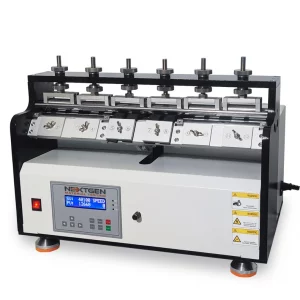
Ross Flex Tester
Ross Flex Tester evaluates the resistance of vulcanized and synthetic elastomers to cut growth and flex cracking under repeated bending. Designed for shoe soles and flexible sheet-like materials such as PU, PVC, TPR foams, rubber, leather, textiles, and plastics, it bends specimens through 90° over a 10 mm rod. Digital control, memory function, vacuum holding, and 6- or 12-grip configurations support repeatable testing.
Read more