Plastic Testing Equipment
Products
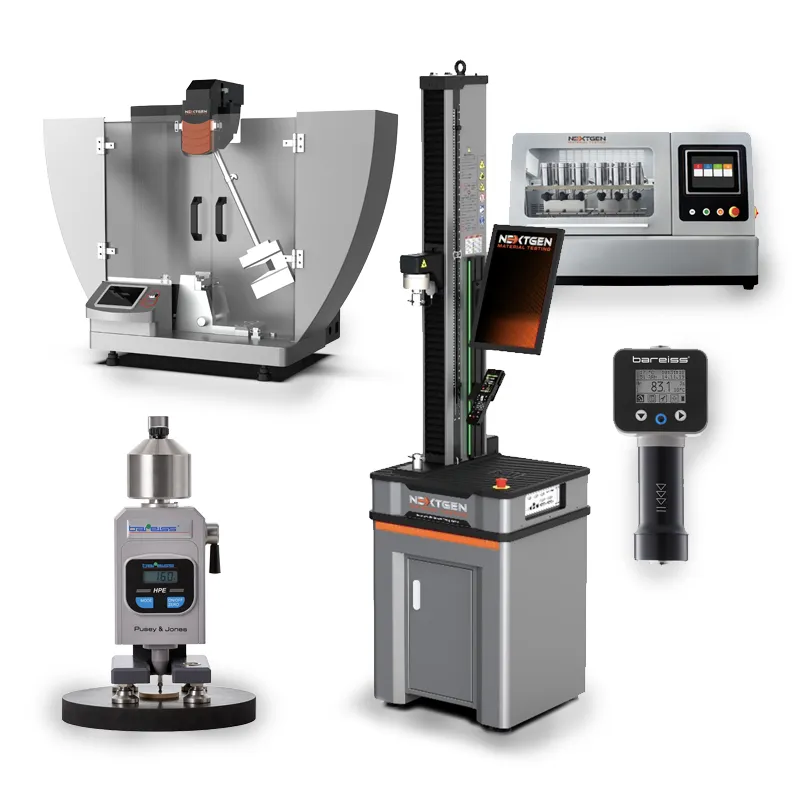
A polymer behaves like a different material at a different speed or temperature, which is why plastics are tested under conditions the method fixes rather than under whatever the laboratory happens to have that day. NextGen supplies equipment for tensile, flexural, impact and thermal work on moulded specimens, film, sheet and reinforced material, working to ISO 179 and ISO 180 for impact and ISO 7500 for frame verification.
The range covers electromechanical frames with grips and bend fixtures chosen for polymers, pendulum impact testers and notching equipment, melt flow and heat deflection instruments, and chambers that hold specimens at temperature before the test begins. Machines are installed and calibrated on site, your operators are trained on them, and support continues for the life of the equipment.

 Impact testing systems
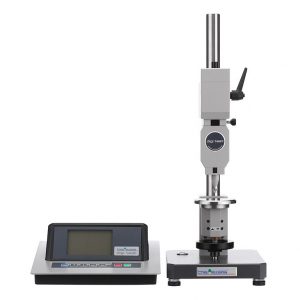
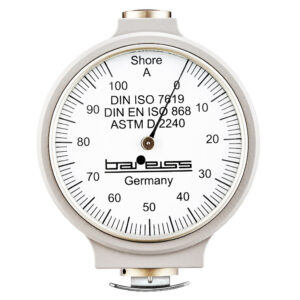
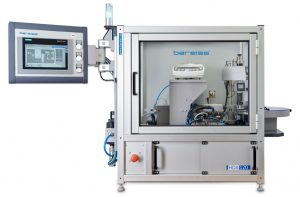
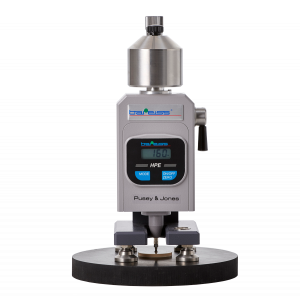
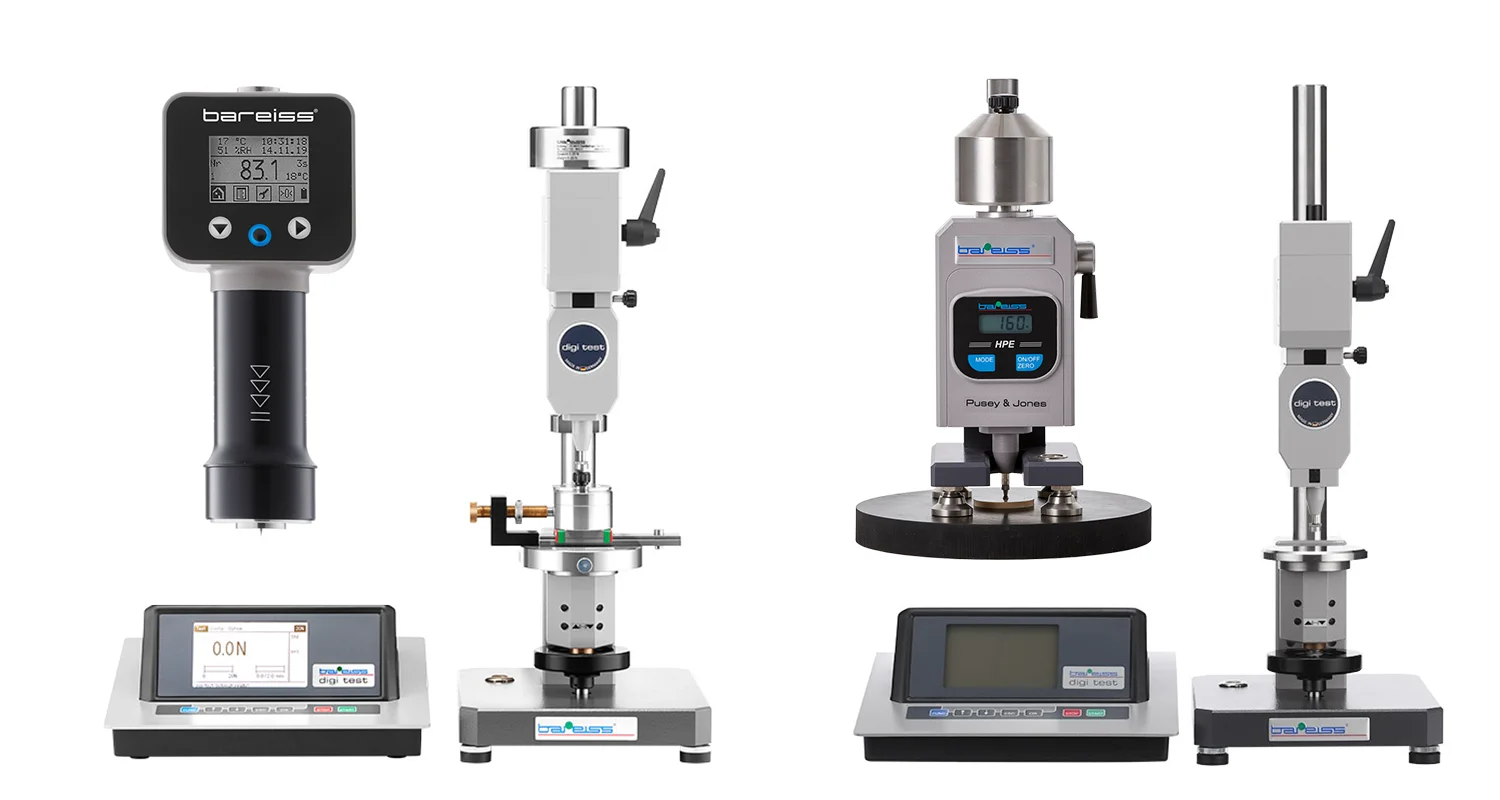 Hardness is one of the key indicators when working with plastics, rubbers, foams, and similar materials. It shows how resistant a sample is to indentation and helps evaluate durability and expected performance in use. Depending on the application, testing can be carried out with automatic systems for high-volume labs, portable durometers for quick checks, or specialized machines for unique sample types.
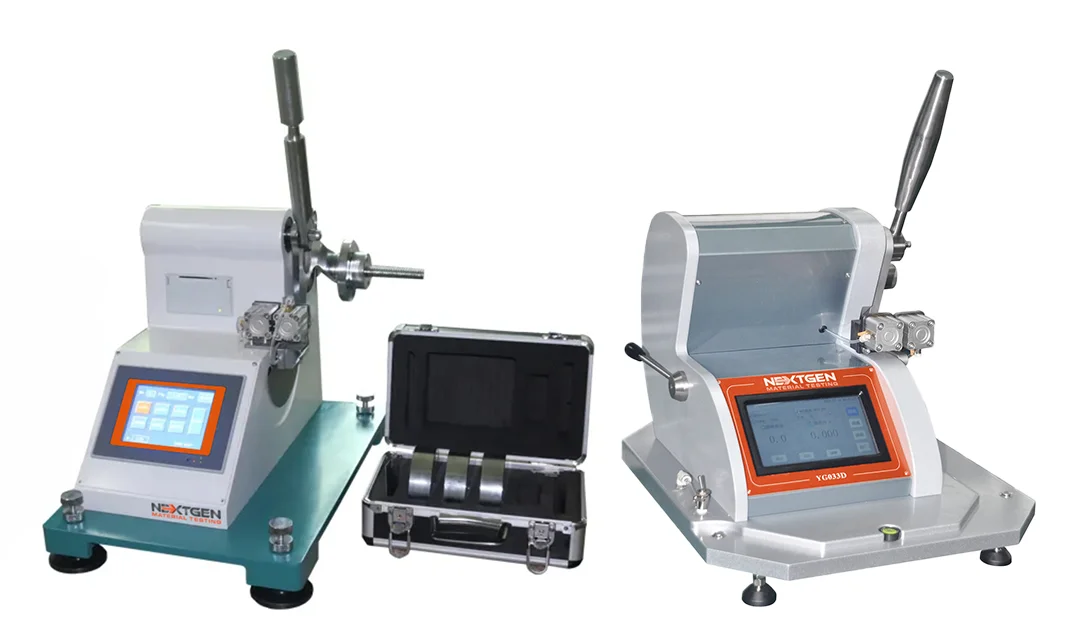 Tear strength is an important property for thin plastic films, textiles, and similar sheet materials. It shows how well a material resists the spread of a cut or small defect once it has started. Consistent tear strength data helps predict how plastics will perform in packaging, protective layers, or technical applications where durability matters.
 The NextGen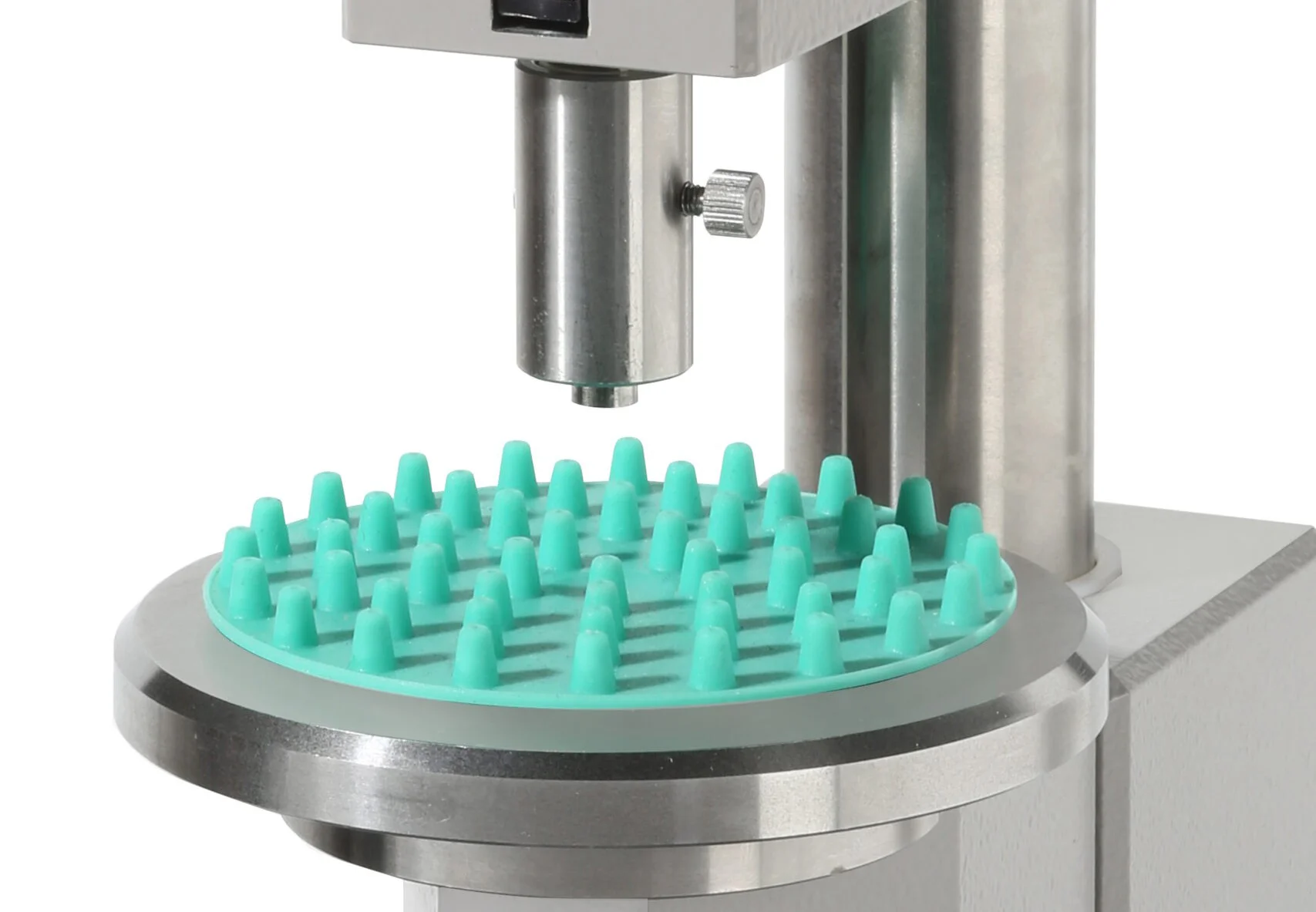
Not sure where your material fits?
Tell us the polymer, the property you need to report and the standard you test to, and our engineers will point to the machine that measures it - and say plainly when one machine covers several of your tests.
For Laboratories
One partner to equip your complete plastics laboratory
Plastics testing rarely stops at one machine. NextGen equips the whole quality control laboratory, from tensile and flexural testing to impact, melt flow, HDT and Vicat systems, and stays responsible for it after delivery.
- Equipment, fixtures and software
- Installation, training, calibration
- Lifetime technical support
Sub-categories
 Sub-category · 10 products
Electromechanical Universal Testing Machines for Plastic Testing
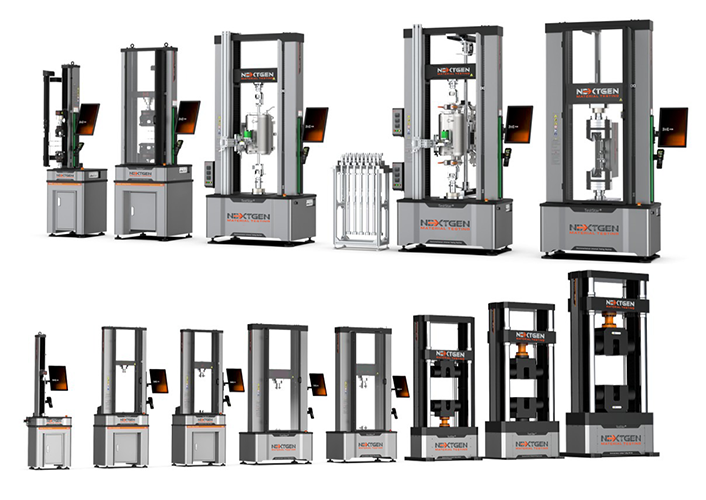
Electromechanical universal testing machines for plastic testing measure tensile strength, elongation, compression, flexural behavior, tear resistance, and related mechanical properties of polymers and advanced materials. This category focuses on motor-driven load frames with precise speed control, stiff construction, interchangeable grips, fixtures, and software-guided methods. They support routine QA/QC, R&D, standards-based reporting, and reliable comparison of plastic materials and finished components.
Open
Sub-category · 10 products
Electromechanical Universal Testing Machines for Plastic Testing
Electromechanical universal testing machines for plastic testing measure tensile strength, elongation, compression, flexural behavior, tear resistance, and related mechanical properties of polymers and advanced materials. This category focuses on motor-driven load frames with precise speed control, stiff construction, interchangeable grips, fixtures, and software-guided methods. They support routine QA/QC, R&D, standards-based reporting, and reliable comparison of plastic materials and finished components.
Open
 Sub-category · 8 products
Plastic Hardness Testing Equipment - Bench Top, Portable & Automated Solutions
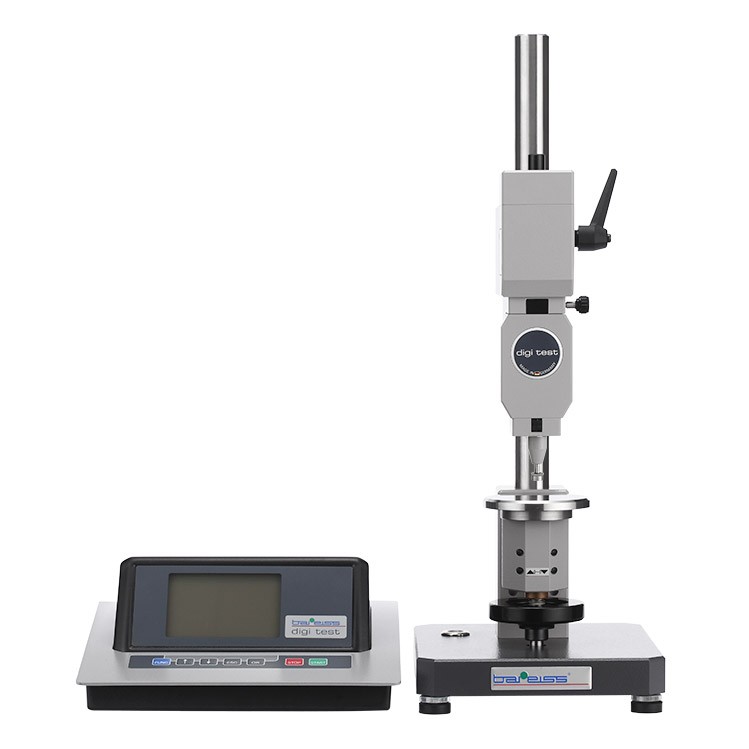
Plastic hardness testing equipment measures Shore hardness on plastic and rubber parts and foams. This category covers portable and analogue durometers on test stands, automatic Shore and IRHD systems, combined hardness and density stations and a plastometer, with specialty testers for capsules and fruit firmness.
Open
Sub-category · 8 products
Plastic Hardness Testing Equipment - Bench Top, Portable & Automated Solutions
Plastic hardness testing equipment measures Shore hardness on plastic and rubber parts and foams. This category covers portable and analogue durometers on test stands, automatic Shore and IRHD systems, combined hardness and density stations and a plastometer, with specialty testers for capsules and fruit firmness.
Open
 Sub-category · 3 products
Plastic Impact Testing Equipment
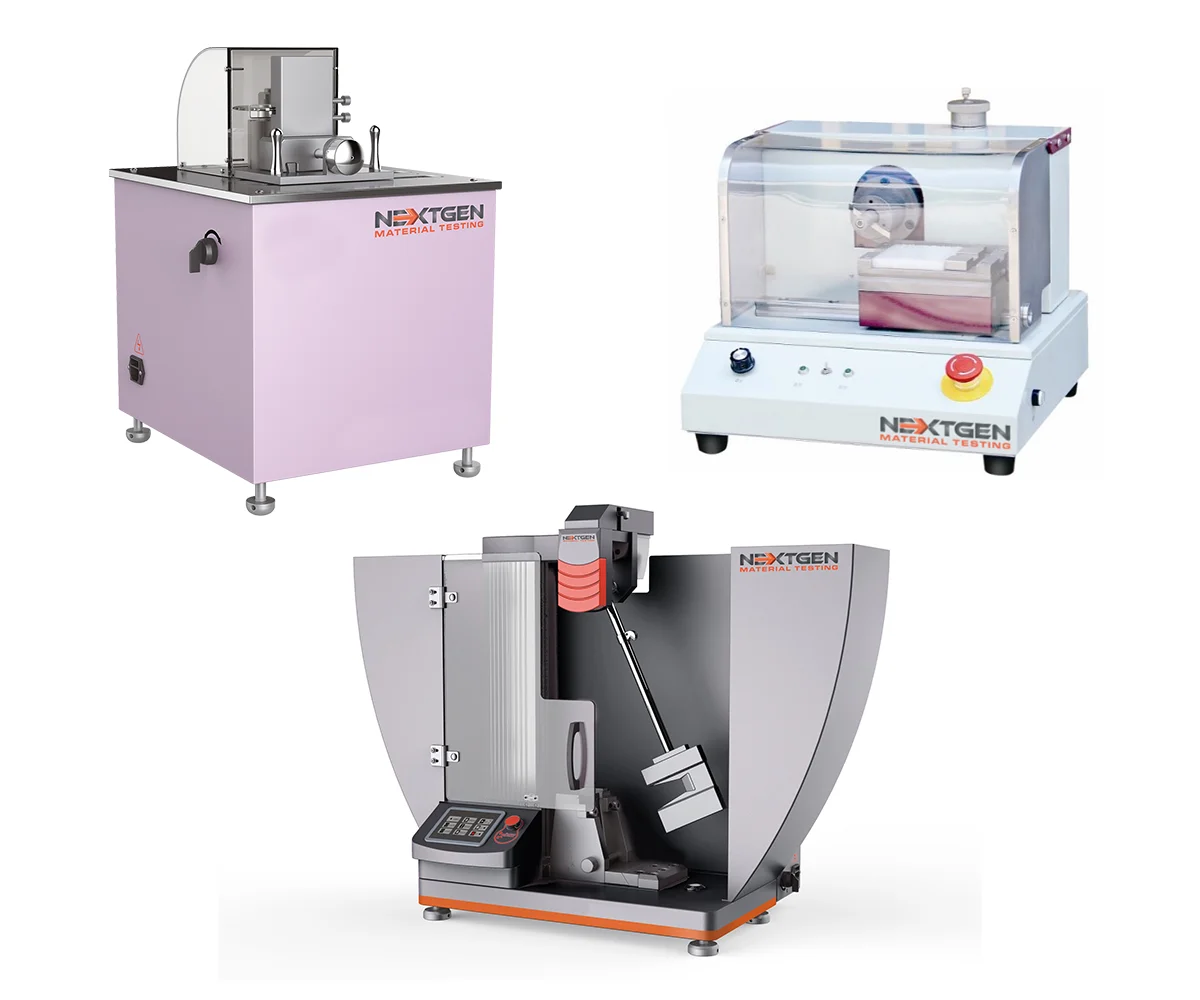
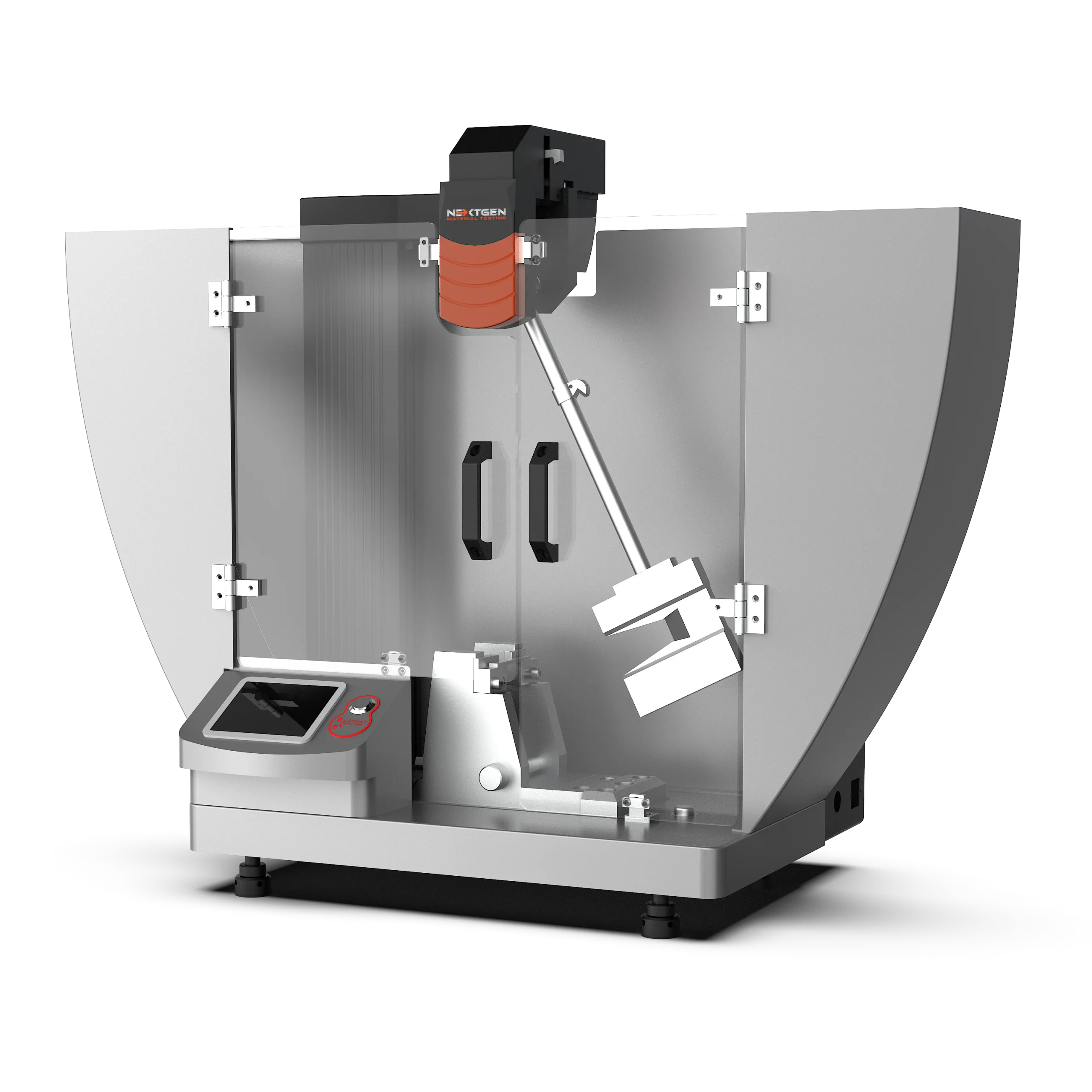
Plastic impact testing equipment measures how polymers absorb sudden loads. This category covers Charpy and Izod pendulum testers for plastic specimens, falling weight impact testers for pipes, fittings and boards, and motorised notching machines that prepare specimens before impact testing.
Open
Sub-category · 3 products
Plastic Impact Testing Equipment
Plastic impact testing equipment measures how polymers absorb sudden loads. This category covers Charpy and Izod pendulum testers for plastic specimens, falling weight impact testers for pipes, fittings and boards, and motorised notching machines that prepare specimens before impact testing.
Open
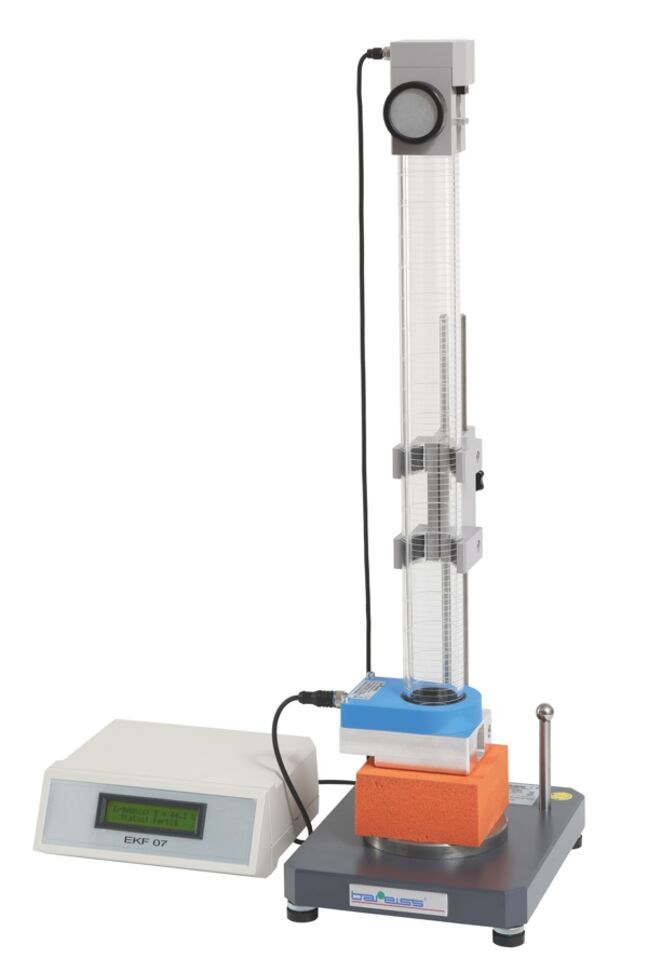 Sub-category · 2 products
Plastic & Foam Rebound Testing Equipment
Plastic and foam rebound testing equipment measures how much energy flexible foam, polyurethane and elastomers return after an impact. This category covers ball rebound testers for foam and pendulum rebound resilience testers for elastomers.
Open
Sub-category · 2 products
Plastic & Foam Rebound Testing Equipment
Plastic and foam rebound testing equipment measures how much energy flexible foam, polyurethane and elastomers return after an impact. This category covers ball rebound testers for foam and pendulum rebound resilience testers for elastomers.
Open
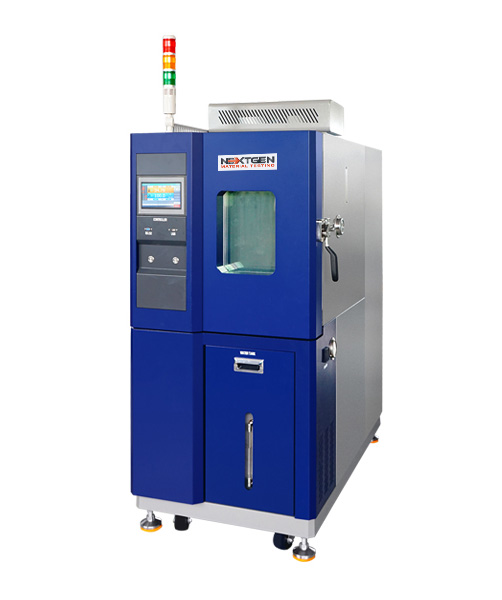 Sub-category · 4 products
Thermal & Environmental Testing Equipment for Plastics
Thermal and environmental testing equipment for plastics measures heat deflection and Vicat softening temperatures and exposes specimens to heat, temperature and humidity. This category covers HDT and Vicat testing, high-temperature aging ovens and environmental chambers.
Open
Sub-category · 4 products
Thermal & Environmental Testing Equipment for Plastics
Thermal and environmental testing equipment for plastics measures heat deflection and Vicat softening temperatures and exposes specimens to heat, temperature and humidity. This category covers HDT and Vicat testing, high-temperature aging ovens and environmental chambers.
Open
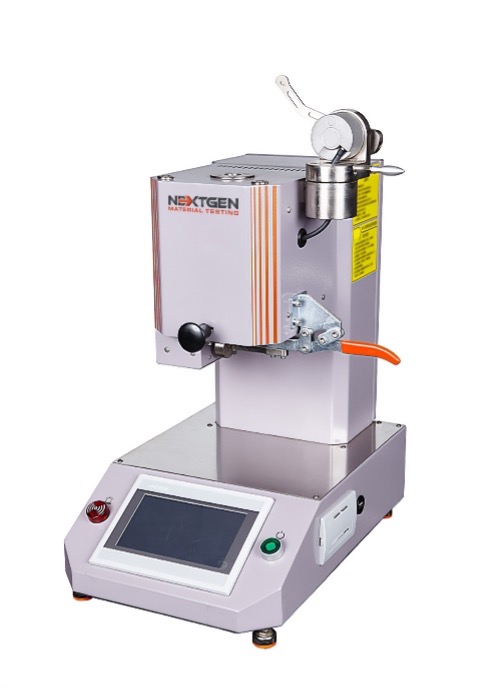 Sub-category · 1 product
Melt Flow Testing Equipment for Plastics
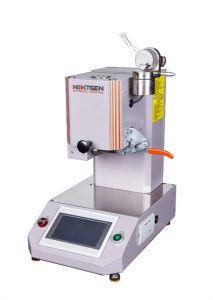
Melt flow testing equipment for plastics measures melt flow rate and melt volume rate of thermoplastics for quality control and material development. This category covers melt flow indexers with mass and volume methods for ASTM D1238 and ISO 1133.
Open
Sub-category · 1 product
Melt Flow Testing Equipment for Plastics
Melt flow testing equipment for plastics measures melt flow rate and melt volume rate of thermoplastics for quality control and material development. This category covers melt flow indexers with mass and volume methods for ASTM D1238 and ISO 1133.
Open
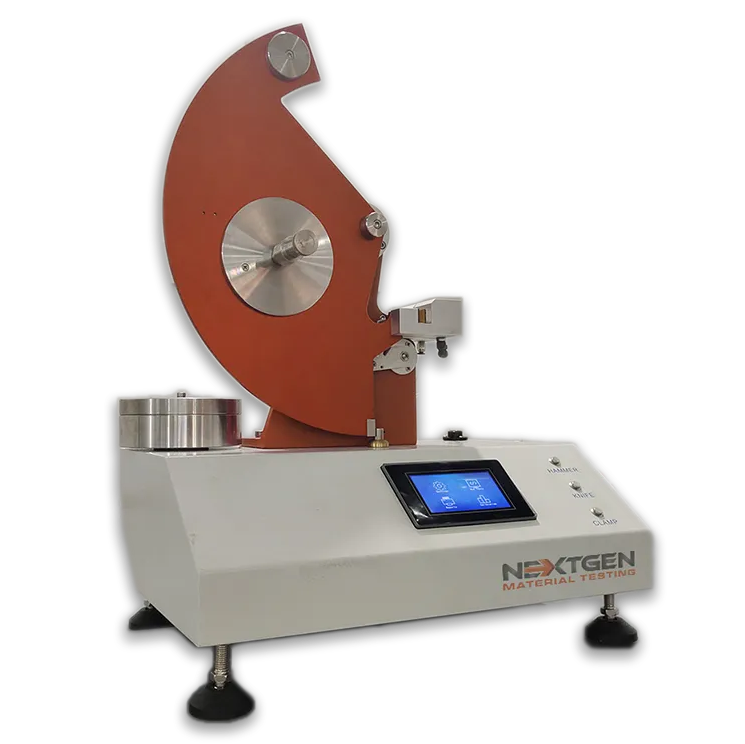 Sub-category · 2 products
Plastic Film & Sheet Tear Testing Equipment
Plastic film and sheet tear testing equipment measures the tear resistance of plastic film and sheeting. This category covers Elmendorf pendulum tearing testers and a high-energy Elmendorf tester for tougher materials.
Open
Sub-category · 2 products
Plastic Film & Sheet Tear Testing Equipment
Plastic film and sheet tear testing equipment measures the tear resistance of plastic film and sheeting. This category covers Elmendorf pendulum tearing testers and a high-energy Elmendorf tester for tougher materials.
Open
1
Testing machines
Tension, compression and flexure on plastics and films
4
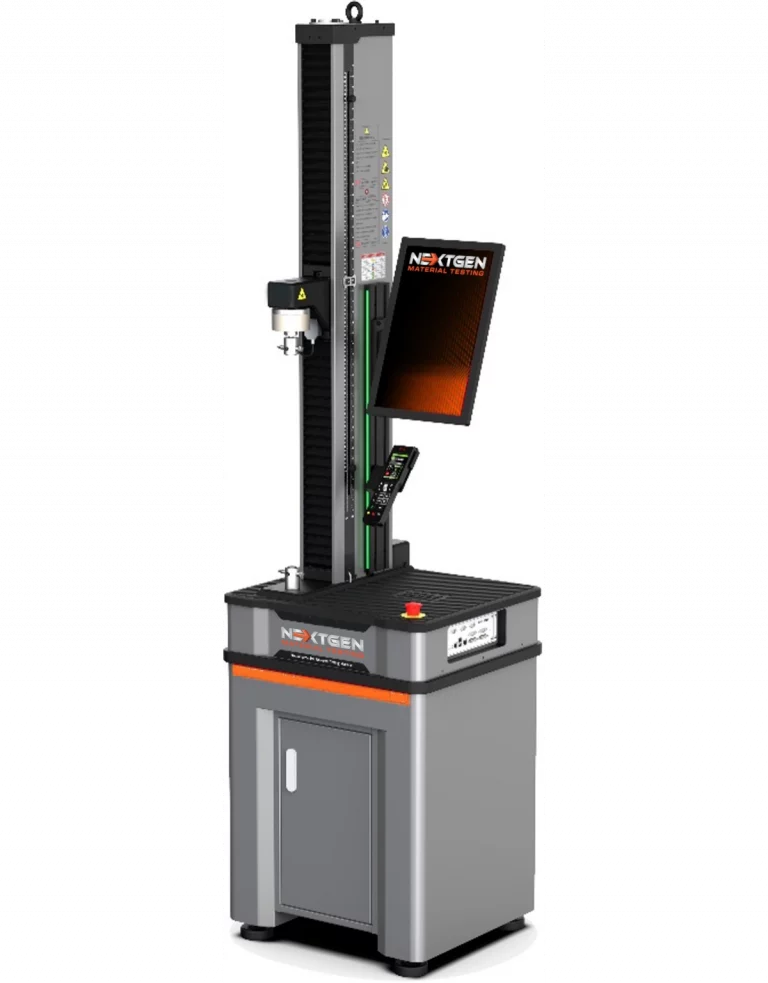 5 kN
NG-EML Series A – Single-Column Universal Testing Machine
NG-EML Series A is a compact single-column benchtop universal testing machine for low-force tensile, compression, and…
View product
Get quote
5 kN
NG-EML Series A – Single-Column Universal Testing Machine
NG-EML Series A is a compact single-column benchtop universal testing machine for low-force tensile, compression, and…
View product
Get quote
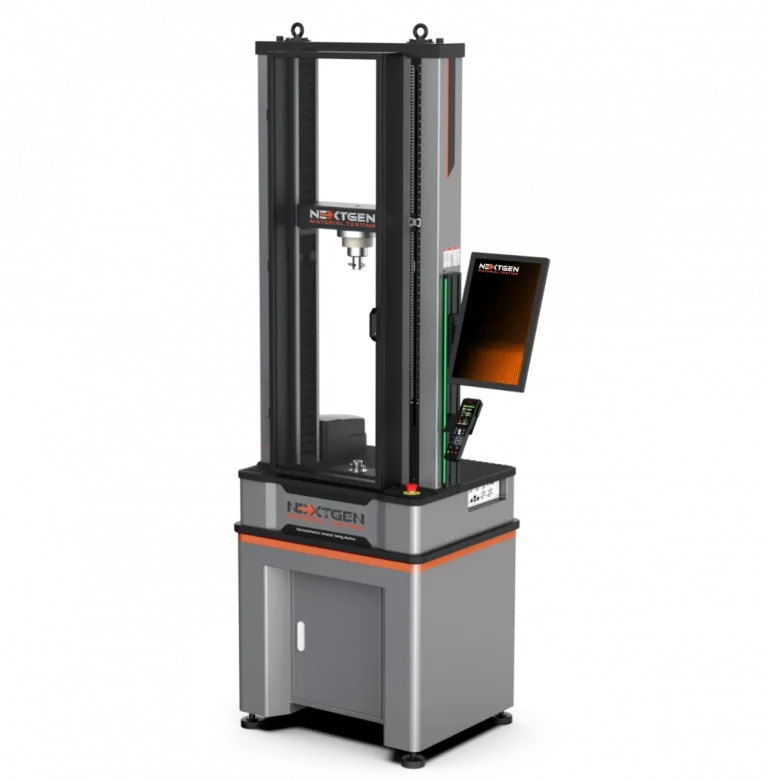 10 kN
NG-EML Series B – Dual-Column Universal Testing Machine
NG-EML Series B is a dual-column benchtop electromechanical universal testing machine for precision testing from 100…
View product
Get quote
10 kN
NG-EML Series B – Dual-Column Universal Testing Machine
NG-EML Series B is a dual-column benchtop electromechanical universal testing machine for precision testing from 100…
View product
Get quote
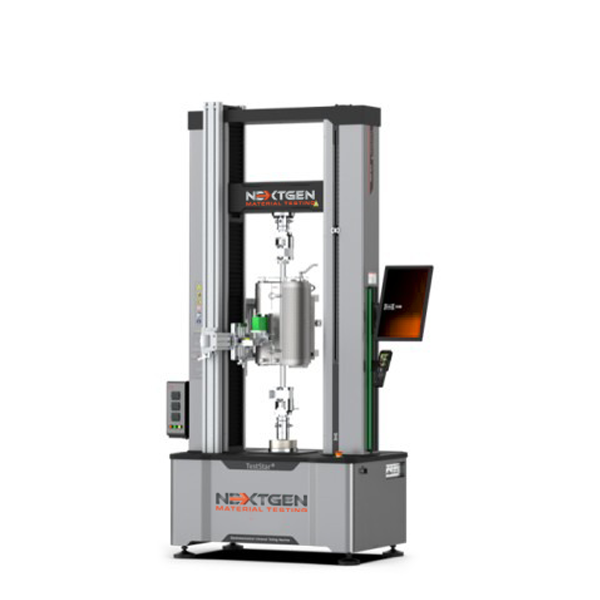 50 kN
NG-EML Series C – Dual-Column Universal Testing Machine
NG-EML Series C is a dual-column electromechanical universal testing machine available in bench-top and…
View product
Get quote
50 kN
NG-EML Series C – Dual-Column Universal Testing Machine
NG-EML Series C is a dual-column electromechanical universal testing machine available in bench-top and…
View product
Get quote
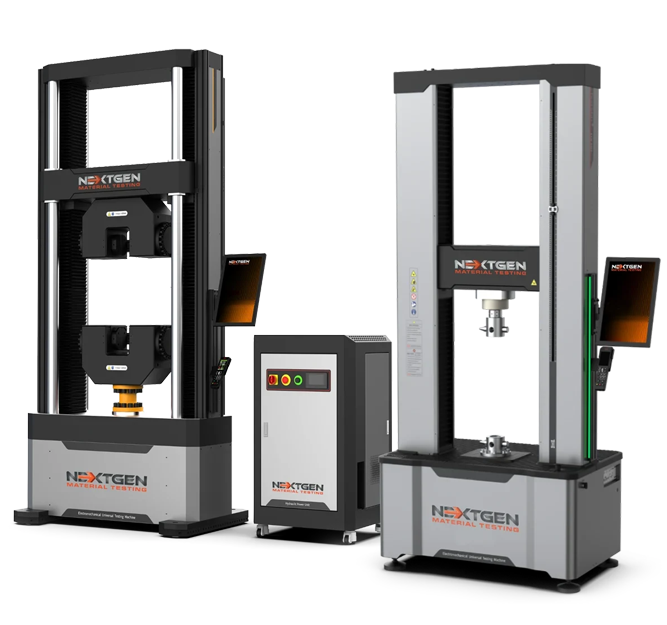 1000 kN
NG-EML Series D – Floor-Standing Universal Testing Machine
NG-EML Series D is a heavy-duty floor-standing electromechanical universal testing machine for high-capacity tensile,…
View product
Get quote
1000 kN
NG-EML Series D – Floor-Standing Universal Testing Machine
NG-EML Series D is a heavy-duty floor-standing electromechanical universal testing machine for high-capacity tensile,…
View product
Get quote
2
Hardness
Shore and IRHD, portable, bench top and automated
5
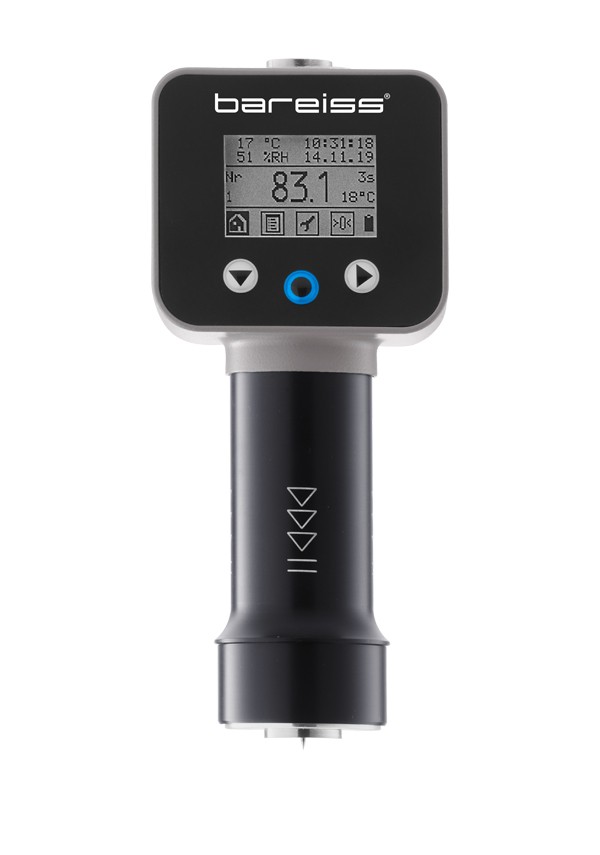 Portable Shore Durometer System with Test Stand
HPE III is an advanced portable Shore durometer system for hardness testing of rubber, plastics, and related…
View product
Get quote
Automatic Shore, IRHD and VLRH Hardness Testing System
Digi Test II is an automatic Shore, IRHD, and VLRH hardness testing system for rubber, plastics, foams, elastomers,…
View product
Get quote
Portable Shore Durometer System with Test Stand
HPE III is an advanced portable Shore durometer system for hardness testing of rubber, plastics, and related…
View product
Get quote
Automatic Shore, IRHD and VLRH Hardness Testing System
Digi Test II is an automatic Shore, IRHD, and VLRH hardness testing system for rubber, plastics, foams, elastomers,…
View product
Get quote
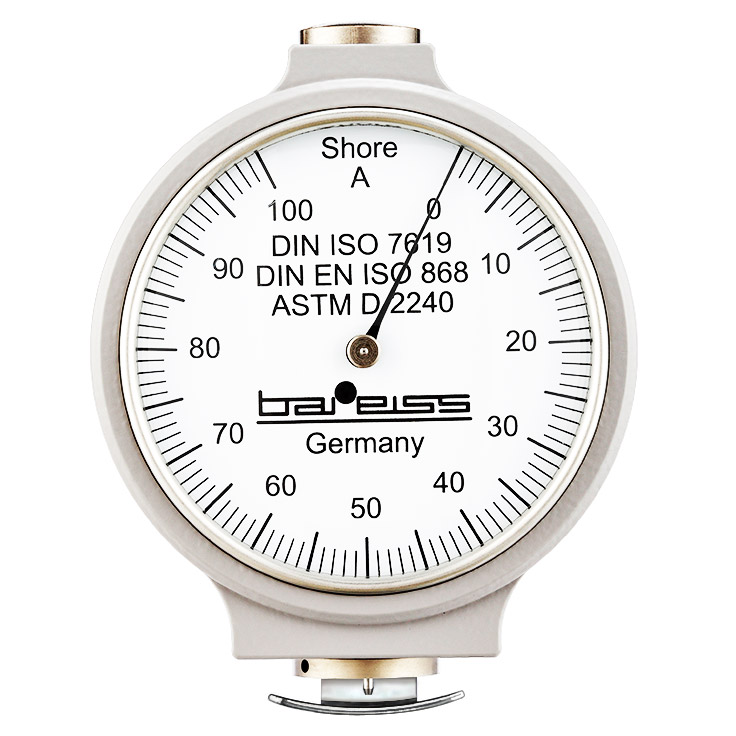 Analogue Shore Durometer with Test Stand
The Classic Analogue Shore Durometer is a German-manufactured hardness tester for rubber and plastic materials,…
View product
Get quote
Analogue Shore Durometer with Test Stand
The Classic Analogue Shore Durometer is a German-manufactured hardness tester for rubber and plastic materials,…
View product
Get quote
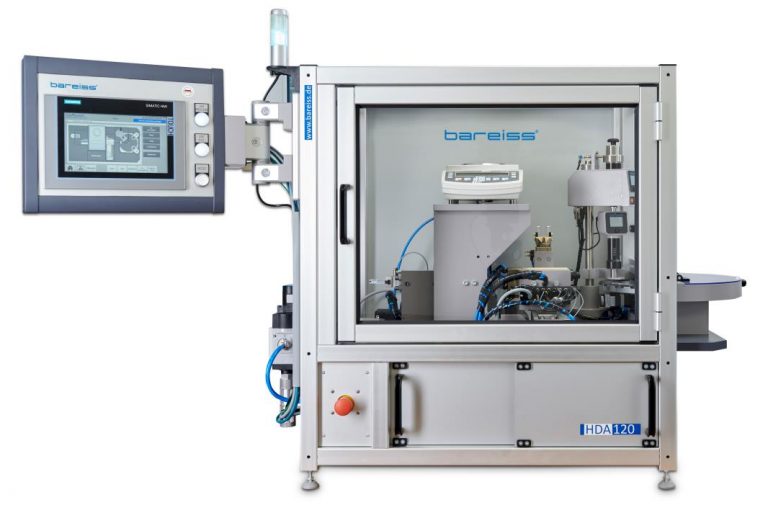 HDA 120 – Hardness and Density Automation System
HDA 120 is a semi-automatic hardness and density automation system for rubber and plastic sample characterization.
View product
Get quote
HDA 120 – Hardness and Density Automation System
HDA 120 is a semi-automatic hardness and density automation system for rubber and plastic sample characterization.
View product
Get quote
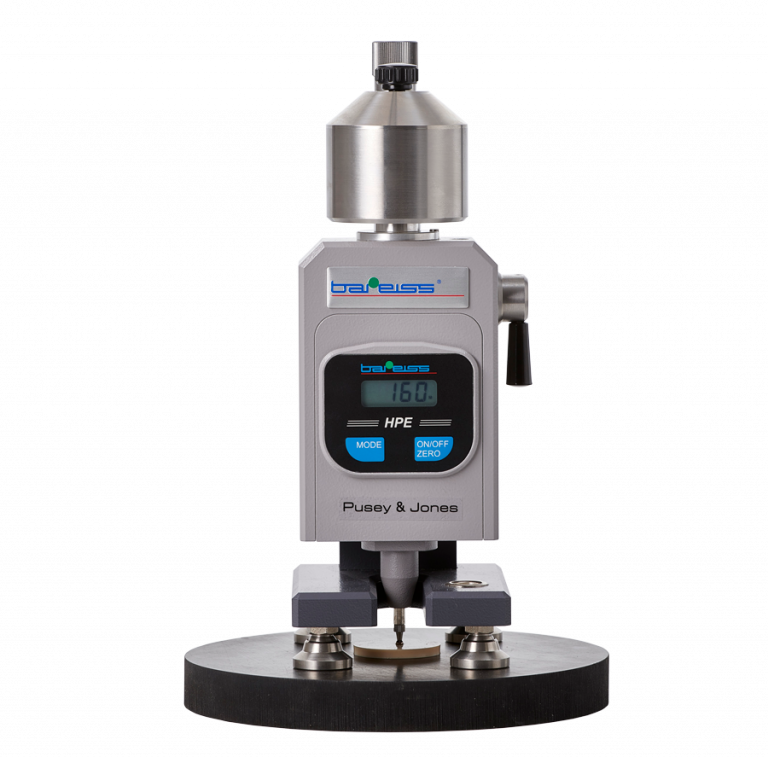 Pusey and Jones Tester
Pusey & Jones Tester is a portable plastometer system for measuring hardness and indentation behavior of rubber and…
View product
Get quote
Pusey and Jones Tester
Pusey & Jones Tester is a portable plastometer system for measuring hardness and indentation behavior of rubber and…
View product
Get quote
3
Specialty hardness and firmness
Capsules, soft gels and fresh produce
2
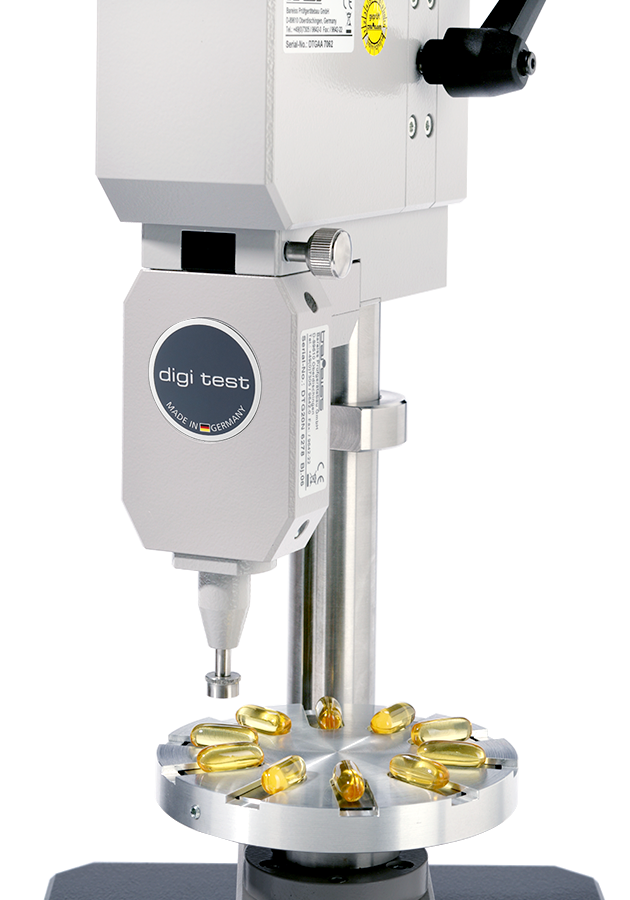 20 N
Capsule and Soft Gel Hardness Tester
Gelomat is an automatic capsule and soft gel hardness tester for gelatin capsules, softgels, plasticine, edible…
View product
Get quote
Most requested
20 N
Capsule and Soft Gel Hardness Tester
Gelomat is an automatic capsule and soft gel hardness tester for gelatin capsules, softgels, plasticine, edible…
View product
Get quote
Most requested
 Fruit Firmness Tester
NextGen’s Fruit Firmness Tester is a portable German-manufactured device for measuring firmness in fruits,…
View product
Get quote
Fruit Firmness Tester
NextGen’s Fruit Firmness Tester is a portable German-manufactured device for measuring firmness in fruits,…
View product
Get quote
4
Impact
Pendulum, falling weight and specimen notching
3
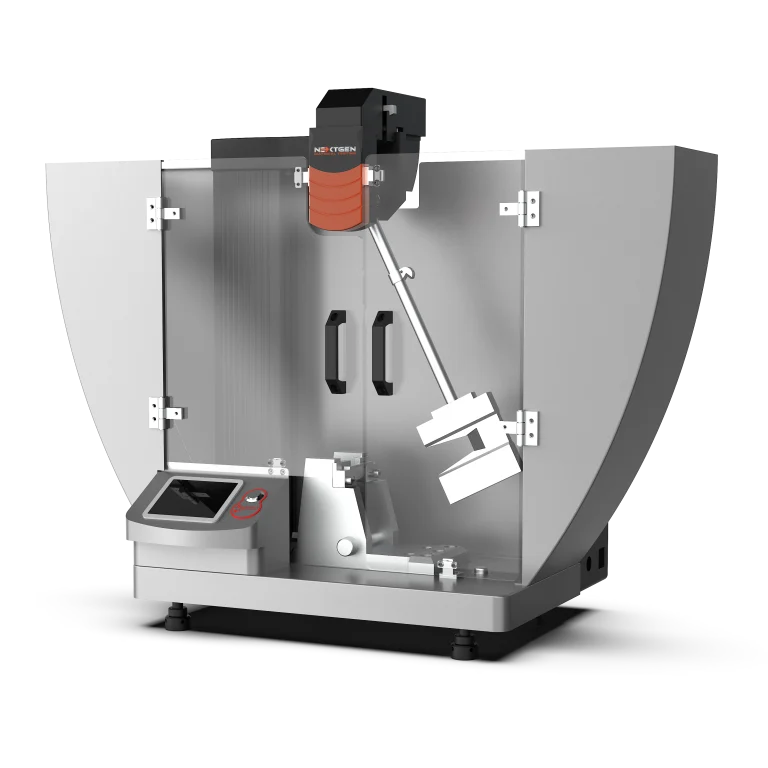 Class J – Automatic Charpy and Izod Impact Tester
Class J is an automatic Charpy and Izod impact testing system for low-energy impact evaluation of plastics and…
View product
Get quote
Class J – Automatic Charpy and Izod Impact Tester
Class J is an automatic Charpy and Izod impact testing system for low-energy impact evaluation of plastics and…
View product
Get quote
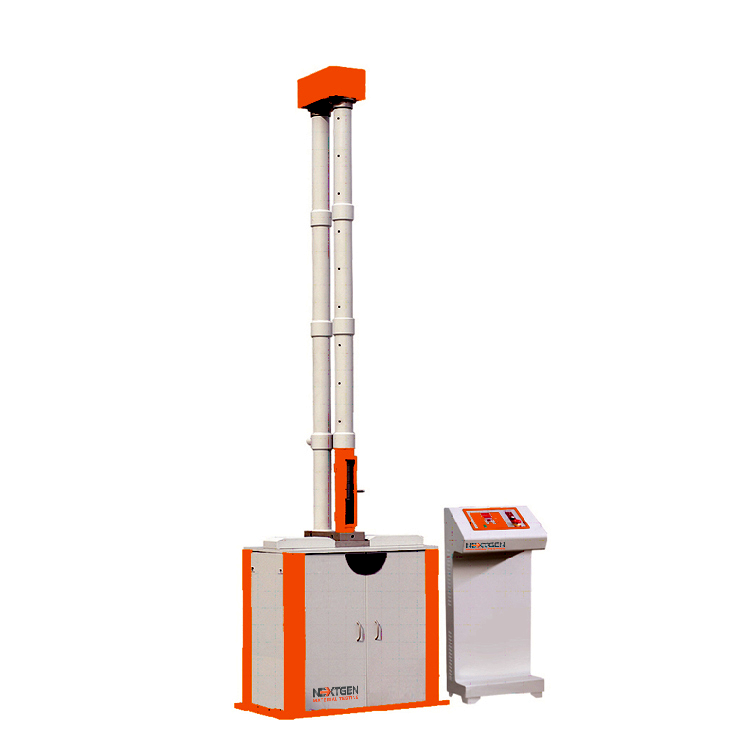 NG-ImpactFall – Falling Weight Impact Tester
NG-ImpactFall is a falling weight impact tester for evaluating external impact resistance of plastic pipes, fittings,…
View product
Get quote
NG-ImpactFall – Falling Weight Impact Tester
NG-ImpactFall is a falling weight impact tester for evaluating external impact resistance of plastic pipes, fittings,…
View product
Get quote
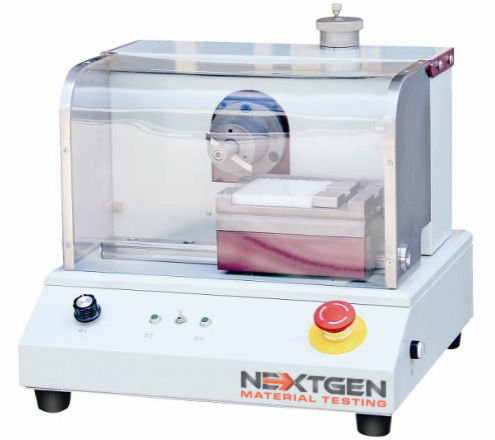 GenNotch 3000 – Motorized Multi-Specimen Notching and Broaching Machine
GenNotch 3000 is a motorized multi-specimen notching and broaching machine for preparing plastic specimens before…
View product
Get quote
GenNotch 3000 – Motorized Multi-Specimen Notching and Broaching Machine
GenNotch 3000 is a motorized multi-specimen notching and broaching machine for preparing plastic specimens before…
View product
Get quote
5
Rebound
Resilience of foam, polyurethane and elastomers
2
Most requested
Ball Rebound Tester
The Ball Rebound Tester measures rebound resilience in foam, polyurethane, rubber, and similar materials.
View product
Get quote
 Pendulum Rebound Resilience Tester
NextGen’s Pendulum Rebound Resilience Tester measures the elastic recovery and dynamic behavior of elastomers, foams,…
View product
Get quote
Pendulum Rebound Resilience Tester
NextGen’s Pendulum Rebound Resilience Tester measures the elastic recovery and dynamic behavior of elastomers, foams,…
View product
Get quote
Ball Rebound Tester
The Ball Rebound Tester measures rebound resilience in foam, polyurethane, rubber, and similar materials.
View product
Get quote
Pendulum Rebound Resilience Tester
NextGen’s Pendulum Rebound Resilience Tester measures the elastic recovery and dynamic behavior of elastomers, foams,…
View product
Get quote
6
Thermal and environmental
HDT, Vicat, heat aging and conditioning
3
 NG-HDT – HDT/Vicat Testing Machine for Plastics
NG-HDT is an HDT/Vicat testing machine for measuring heat deflection temperature and Vicat softening temperature of…
View product
Get quote
NG-HDT – HDT/Vicat Testing Machine for Plastics
NG-HDT is an HDT/Vicat testing machine for measuring heat deflection temperature and Vicat softening temperature of…
View product
Get quote
 300 °C
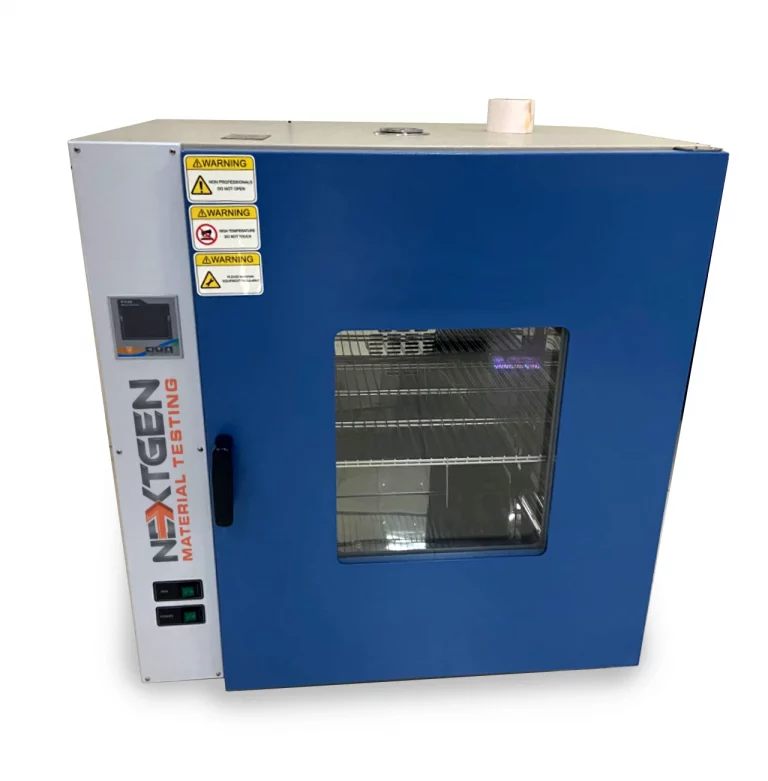
NG-AGOV-ADV – High-Temperature Aging Oven
NG-AGOV-ADV is a high-temperature aging oven for testing how rubber, plastics, elastomers, insulating materials, and…
View product
Get quote
NG-EC Series – Environmental Test Chambers
NextGen NG-EC Environmental Chambers provide controlled temperature and humidity conditions for material, product,…
View product
Get quote
300 °C
NG-AGOV-ADV – High-Temperature Aging Oven
NG-AGOV-ADV is a high-temperature aging oven for testing how rubber, plastics, elastomers, insulating materials, and…
View product
Get quote
NG-EC Series – Environmental Test Chambers
NextGen NG-EC Environmental Chambers provide controlled temperature and humidity conditions for material, product,…
View product
Get quote
7
Melt flow
Melt flow rate and melt volume rate
1
8
Tear
Tear resistance of film and sheet
2
GenElm Series – Elmendorf Tearing Tester
GenElm Series is an Elmendorf tearing tester for measuring tear resistance of plastic film, sheeting, textiles,…
View product
Get quote
 High-Energy Elmendorf Tearing Tester
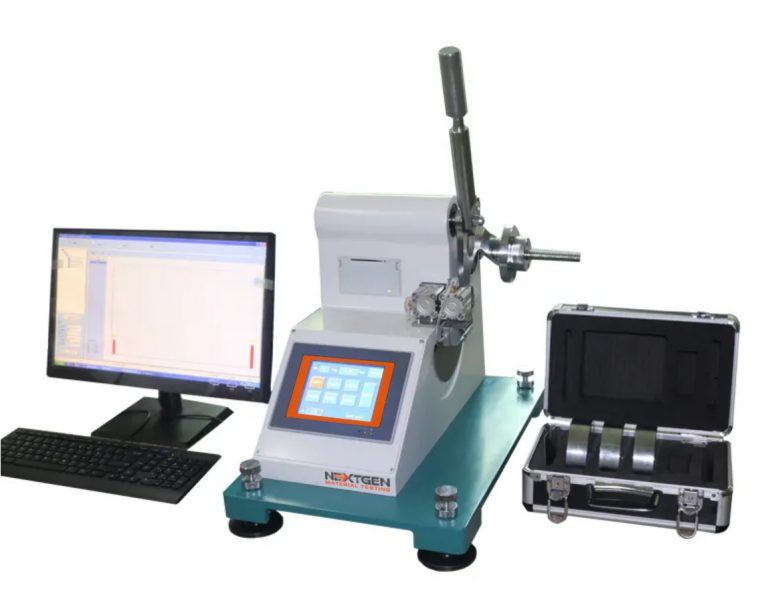
NG-HE Elmendorf is a high-energy tearing strength tester for plastics, films, textiles, paper, and other flexible…
View product
Get quote
High-Energy Elmendorf Tearing Tester
NG-HE Elmendorf is a high-energy tearing strength tester for plastics, films, textiles, paper, and other flexible…
View product
Get quote
9
Software
Running the test and keeping the results
1
1
Testing machines
Tension, compression and flexure on plastics and films
4
 NG-EML Series A – Single-Column Universal Testing Machine5 kN
NG-EML Series A is a compact single-column benchtop universal testing machine for low-force tensile, compression, and…
Electromechanical universal testing
NG-EML Series A – Single-Column Universal Testing Machine5 kN
NG-EML Series A is a compact single-column benchtop universal testing machine for low-force tensile, compression, and…
Electromechanical universal testing
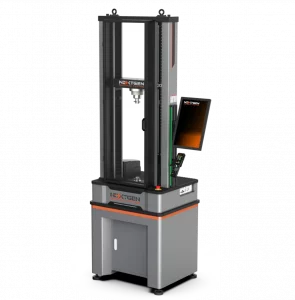 NG-EML Series B – Dual-Column Universal Testing Machine10 kN
NG-EML Series B is a dual-column benchtop electromechanical universal testing machine for precision testing from 100…
Electromechanical universal testing
NG-EML Series B – Dual-Column Universal Testing Machine10 kN
NG-EML Series B is a dual-column benchtop electromechanical universal testing machine for precision testing from 100…
Electromechanical universal testing
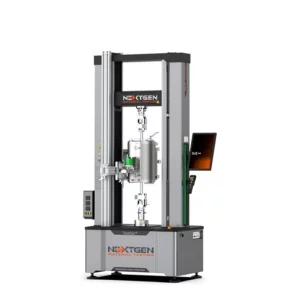 NG-EML Series C – Dual-Column Universal Testing Machine50 kN
NG-EML Series C is a dual-column electromechanical universal testing machine available in bench-top and…
Electromechanical universal testing
NG-EML Series C – Dual-Column Universal Testing Machine50 kN
NG-EML Series C is a dual-column electromechanical universal testing machine available in bench-top and…
Electromechanical universal testing
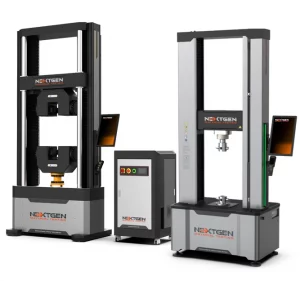 NG-EML Series D – Floor-Standing Universal Testing Machine1000 kN
NG-EML Series D is a heavy-duty floor-standing electromechanical universal testing machine for high-capacity tensile,…
Electromechanical universal testing
NG-EML Series D – Floor-Standing Universal Testing Machine1000 kN
NG-EML Series D is a heavy-duty floor-standing electromechanical universal testing machine for high-capacity tensile,…
Electromechanical universal testing
2
Hardness
Shore and IRHD, portable, bench top and automated
5
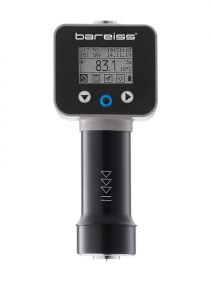 Portable Shore Durometer System with Test Stand
HPE III is an advanced portable Shore durometer system for hardness testing of rubber, plastics, and related…
Hardness testing
Portable Shore Durometer System with Test Stand
HPE III is an advanced portable Shore durometer system for hardness testing of rubber, plastics, and related…
Hardness testing
 Automatic Shore, IRHD and VLRH Hardness Testing System
Digi Test II is an automatic Shore, IRHD, and VLRH hardness testing system for rubber, plastics, foams, elastomers,…
Hardness testing
Automatic Shore, IRHD and VLRH Hardness Testing System
Digi Test II is an automatic Shore, IRHD, and VLRH hardness testing system for rubber, plastics, foams, elastomers,…
Hardness testing
 Analogue Shore Durometer with Test Stand
The Classic Analogue Shore Durometer is a German-manufactured hardness tester for rubber and plastic materials,…
Hardness testing
Analogue Shore Durometer with Test Stand
The Classic Analogue Shore Durometer is a German-manufactured hardness tester for rubber and plastic materials,…
Hardness testing
 HDA 120 – Hardness and Density Automation System
HDA 120 is a semi-automatic hardness and density automation system for rubber and plastic sample characterization.
Hardness testing
HDA 120 – Hardness and Density Automation System
HDA 120 is a semi-automatic hardness and density automation system for rubber and plastic sample characterization.
Hardness testing
 Pusey and Jones Tester
Pusey & Jones Tester is a portable plastometer system for measuring hardness and indentation behavior of rubber and…
Hardness testing
Pusey and Jones Tester
Pusey & Jones Tester is a portable plastometer system for measuring hardness and indentation behavior of rubber and…
Hardness testing
3
Specialty hardness and firmness
Capsules, soft gels and fresh produce
2
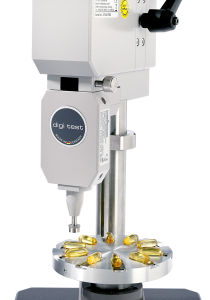 Capsule and Soft Gel Hardness Tester20 N
Gelomat is an automatic capsule and soft gel hardness tester for gelatin capsules, softgels, plasticine, edible…
Hardness testing
Capsule and Soft Gel Hardness Tester20 N
Gelomat is an automatic capsule and soft gel hardness tester for gelatin capsules, softgels, plasticine, edible…
Hardness testing
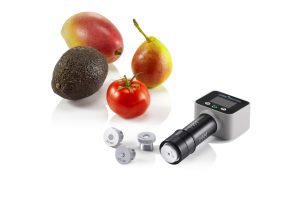 Fruit Firmness Tester
NextGen’s Fruit Firmness Tester is a portable German-manufactured device for measuring firmness in fruits,…
Hardness testing
Fruit Firmness Tester
NextGen’s Fruit Firmness Tester is a portable German-manufactured device for measuring firmness in fruits,…
Hardness testing
4
Impact
Pendulum, falling weight and specimen notching
3
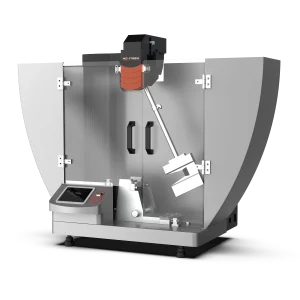 Class J – Automatic Charpy and Izod Impact Tester
Class J is an automatic Charpy and Izod impact testing system for low-energy impact evaluation of plastics and…
Impact testing
Class J – Automatic Charpy and Izod Impact Tester
Class J is an automatic Charpy and Izod impact testing system for low-energy impact evaluation of plastics and…
Impact testing
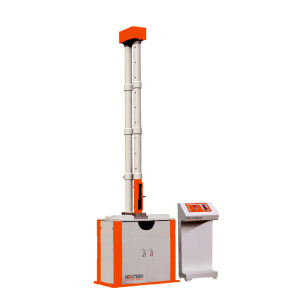 NG-ImpactFall – Falling Weight Impact Tester
NG-ImpactFall is a falling weight impact tester for evaluating external impact resistance of plastic pipes, fittings,…
Falling weight impact testing
NG-ImpactFall – Falling Weight Impact Tester
NG-ImpactFall is a falling weight impact tester for evaluating external impact resistance of plastic pipes, fittings,…
Falling weight impact testing
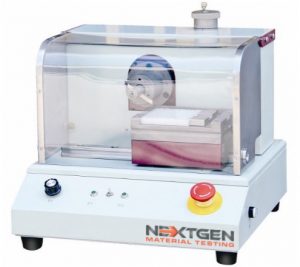 GenNotch 3000 – Motorized Multi-Specimen Notching and Broaching Machine
GenNotch 3000 is a motorized multi-specimen notching and broaching machine for preparing plastic specimens before…
Specimen notching
GenNotch 3000 – Motorized Multi-Specimen Notching and Broaching Machine
GenNotch 3000 is a motorized multi-specimen notching and broaching machine for preparing plastic specimens before…
Specimen notching
5
Rebound
Resilience of foam, polyurethane and elastomers
2
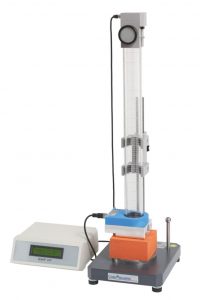 Ball Rebound Tester
The Ball Rebound Tester measures rebound resilience in foam, polyurethane, rubber, and similar materials.
Rebound resilience testing
Ball Rebound Tester
The Ball Rebound Tester measures rebound resilience in foam, polyurethane, rubber, and similar materials.
Rebound resilience testing
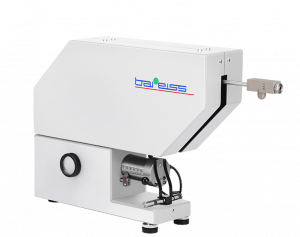 Pendulum Rebound Resilience Tester
NextGen’s Pendulum Rebound Resilience Tester measures the elastic recovery and dynamic behavior of elastomers, foams,…
Rebound resilience testing
Pendulum Rebound Resilience Tester
NextGen’s Pendulum Rebound Resilience Tester measures the elastic recovery and dynamic behavior of elastomers, foams,…
Rebound resilience testing
6
Thermal and environmental
HDT, Vicat, heat aging and conditioning
3
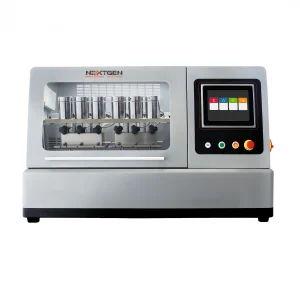 NG-HDT – HDT/Vicat Testing Machine for Plastics
NG-HDT is an HDT/Vicat testing machine for measuring heat deflection temperature and Vicat softening temperature of…
HDT and Vicat testing
NG-HDT – HDT/Vicat Testing Machine for Plastics
NG-HDT is an HDT/Vicat testing machine for measuring heat deflection temperature and Vicat softening temperature of…
HDT and Vicat testing
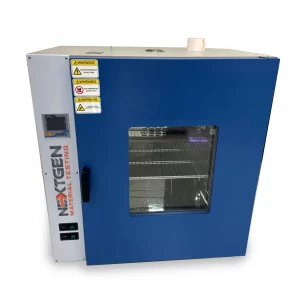 NG-AGOV-ADV – High-Temperature Aging Oven300 °C
NG-AGOV-ADV is a high-temperature aging oven for testing how rubber, plastics, elastomers, insulating materials, and…
Accelerated aging
NG-AGOV-ADV – High-Temperature Aging Oven300 °C
NG-AGOV-ADV is a high-temperature aging oven for testing how rubber, plastics, elastomers, insulating materials, and…
Accelerated aging
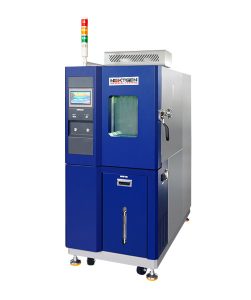 NG-EC Series – Environmental Test Chambers
NextGen NG-EC Environmental Chambers provide controlled temperature and humidity conditions for material, product,…
Environmental conditioning
NG-EC Series – Environmental Test Chambers
NextGen NG-EC Environmental Chambers provide controlled temperature and humidity conditions for material, product,…
Environmental conditioning
7
Melt flow
Melt flow rate and melt volume rate
1
8
Tear
Tear resistance of film and sheet
2
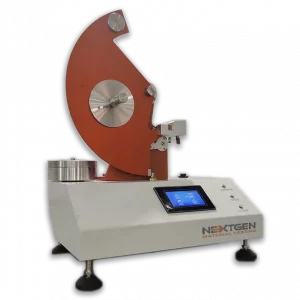 GenElm Series – Elmendorf Tearing Tester
GenElm Series is an Elmendorf tearing tester for measuring tear resistance of plastic film, sheeting, textiles,…
Tear testing
GenElm Series – Elmendorf Tearing Tester
GenElm Series is an Elmendorf tearing tester for measuring tear resistance of plastic film, sheeting, textiles,…
Tear testing
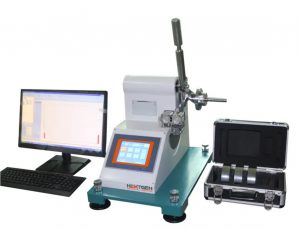 High-Energy Elmendorf Tearing Tester
NG-HE Elmendorf is a high-energy tearing strength tester for plastics, films, textiles, paper, and other flexible…
Tear testing
High-Energy Elmendorf Tearing Tester
NG-HE Elmendorf is a high-energy tearing strength tester for plastics, films, textiles, paper, and other flexible…
Tear testing
9
Software
Running the test and keeping the results
1
Nothing matches that filter. Show all products
FAQs
Universal testing machines cover tensile, flexural and compression work. Hardness holds Shore and IRHD systems and specialty testers for capsules and fruit. Impact has pendulum, falling weight and notching equipment, and Rebound covers foam and elastomers. Thermal and Environmental holds HDT, Vicat, aging ovens and chambers, followed by Melt Flow and Film and Sheet Tear.
Unsure where a test fits? Tell us the property and the standard and we will point you to the category.
Thin film is pulled to ASTM D882 on a universal testing machine and torn on an Elmendorf tester to ASTM D1922. Rigid molded parts go on the same frame for ASTM D638 tensile and ASTM D790 flexural tests, and on impact equipment. Flexible foam is judged by rebound, and the ball rebound tester runs ASTM D3574.
With the right configuration, yes. The Class J carries separate pendulum sets for ISO 179 and ASTM D6110. The NG-HDT offers preset methods for ASTM D648 and ISO 75-2, with a 64 mm support span for ISO and, as an option, the ASTM spans of about 100 mm.
The methods fix different specimens and test conditions, so report the standard with every result.
Three tests are common. The NG-ImpactFall falling weight tester drops hammers onto pipes of 16 to 4000 mm in diameter to ISO 3127 or ASTM D2444. The Class J pendulum tester runs Charpy on pipe specimens to ISO 9854-1. The NG-HDT machine runs Vicat softening on pipe and fitting samples to ISO 2507.
Often, yes. The Shore hardness systems and the Class J impact tester are listed for plastic and rubber specimens, the pendulum rebound tester covers elastomers and soft elastic foams, and the NG-AGOV-ADV aging oven is built for rubber, plastics and similar materials. NG-EML frames test rubber, plastics and metals with grips matched to each.
Cure and process methods that apply only to elastomers sit in Rubber Testing Equipment.
The NG-EML frames are calibrated to Class 0.5 of ISO 7500 and ASTM E4, the two practices that define how the force-measuring system of a static tension and compression machine is verified. Each frame reports force at a resolution of 1/600000 of full scale and holds speed to ±0.2% of the set value, which matters on polymers that change behavior with test speed.
NextGen covers the full spread of plastics testing, so you can build a lab around one supplier. The main groups are:
- Universal testing machines for tensile, flexural and compression strength.
- Impact testing, both pendulum Charpy/Izod and falling-weight impact.
- Hardness testers (Shore A/D, IRHD) and combined hardness and density systems.
- A melt flow indexer for melt flow rate (MFR/MVR).
- Thermal testing for HDT and Vicat softening.
- Tear, rebound and resilience testers, plus environmental chambers for temperature and humidity conditioning.
If you tell us which properties you report on, we'll map them to the right systems. Contact our team or request a quote.
Start from the property in your specification, and the machine follows:
- Strength, elongation or flexural modulus: a universal testing machine.
- Impact or brittleness: a pendulum impact tester, or a falling-weight tester for sheets and finished parts.
- Hardness: a hardness tester.
- Flow behaviour of the melt: a melt flow indexer.
- Heat resistance: an HDT/Vicat system.
After that it's a question of specimen size, load range and the standard you test to. Our engineers size it with you, so contact our team if you'd like a recommendation.
The equipment is built to the standards plastics labs work to, including ASTM and ISO. Common ones by test:
- Tensile and flexural: ASTM D638, D790; ISO 527, 178.
- Impact: ASTM D256 (Izod), D6110 (Charpy); ISO 179, 180.
- Melt flow: ASTM D1238; ISO 1133.
- Heat deflection and Vicat: ASTM D648, D1525; ISO 75, 306.
- Hardness: ASTM D2240 (Shore); ISO 868.
Each product page lists the exact standards a model meets. If your customer names a standard you don't see, send it over and we'll confirm it.
With a universal testing machine. It measures tensile strength, elongation, flexural strength and modulus by pulling or bending a specimen while recording load and displacement. One frame covers tensile, flexural and compression; you change the test by fitting different grips or fixtures. To match a frame to your peak load and specimen size, request a quote.
Two methods, depending on the material and the standard:
- Pendulum impact testers for notched Charpy and Izod tests on moulded specimens.
- Falling-weight impact testing (the NG-ImpactFall) for sheets, films and finished parts, where a weight is dropped from a set height.
Impact results are sensitive to specimen prep and temperature, so notching and conditioning matter as much as the machine.
Plastics hardness is usually measured on the Shore scale: Shore A for soft and flexible grades, Shore D for rigid ones. NextGen supplies manual durometers and the Automatic Shore, IRHD and VLRH system, which removes operator variation by applying the load and reading automatically. For labs that report hardness and density together, the HDA 120 Hardness and Density system combines both in one workflow.
Melt flow rate (MFR, and volumetric MVR) measures how easily a molten polymer flows under a set load and temperature. It's a quick, standard check on grade consistency and batch-to-batch variation. NextGen's Melt Flow Indexer runs the test to ASTM D1238 and ISO 1133. If you'd like it configured for your resins, request a quote.
The two most requested thermal checks are Heat Deflection Temperature (HDT) and Vicat softening temperature, and the NG-HDT / Vicat testing machine performs both. HDT tells you the load-bearing temperature limit of a plastic, while Vicat marks the point at which it starts to soften, both important for parts that see heat in service.
Yes. The GenElm Series Elmendorf Tearing Tester measures tear resistance by the Elmendorf method, with 64N and 128N models to cover light films through to heavier sheets. It's the standard test for packaging films, bags and thin sheet, where tear strength is a key quality metric.
NextGen offers two resilience testers: the Ball Rebound Tester and the Pendulum Rebound Resilience Tester. Both measure how much energy a material returns after impact, which relates to elasticity and damping. They're common for elastomers, foams and soft plastics.
Yes. Plastics are sensitive to temperature and humidity, and most standards require specimens to be conditioned before testing. The NextGen Environmental Chambers (NG-EC series) hold specimens at controlled conditions, and larger models also run tests inside the chamber. Tell us your temperature and humidity range and we'll match a chamber to it; contact our team.
Yes. A single universal testing machine handles all three, and the test type is set by the grips and fixtures you fit: grips for tensile, a three-point or four-point rig for flexural, and platens for compression. That keeps one investment doing the work of several dedicated machines. If you're not sure which fixtures your standards call for, contact our team.
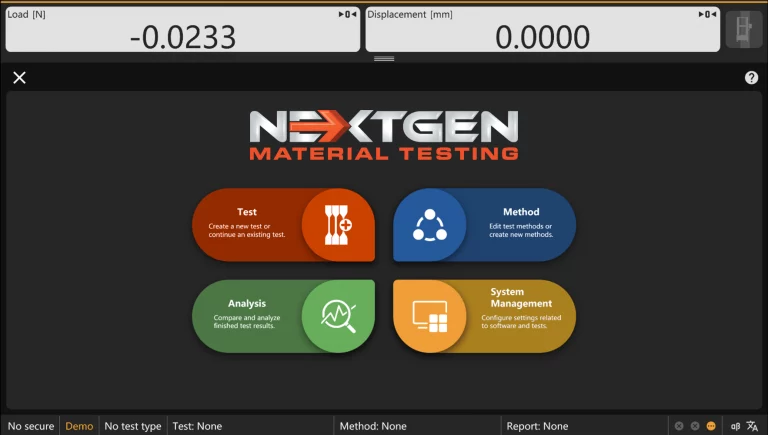
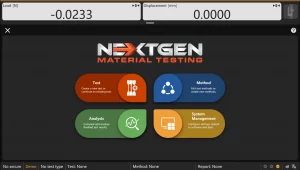
Yes. The universal testing machines run on GenTest, our control and data-acquisition software, which handles test set-up, live curves, automatic results and report export. Operators run to a saved method, so results stay consistent from one operator to the next.
Charpy and Izod specimens have to be notched to a precise profile, because the notch controls where and how the specimen breaks. NextGen supplies notching equipment alongside the pendulum impact systems so your blanks meet the geometry the standard specifies. Consistent notching is what makes impact results repeatable.
Yes. Many plastics behave very differently when hot or cold, so temperature control matters. Environmental chambers condition specimens or enclose the test, and the HDT/Vicat system directly measures behaviour under heat. We'll spec the right approach for the temperature range you work in.
Everything the equipment needs day to day: grips and fixtures for the universal frames, dies and weights for the melt flow indexer, notch cutters for impact specimens, and spare probes and indenters for hardness testers. Send us your model and we'll match the right supplies to it.
Yes. Installation and commissioning are done on site, followed by hands-on training on set-up, method creation, daily verification and maintenance. Training is tailored to the systems you buy and the standards you test to, so your team is running on their own before we leave. To plan an install, contact our team.
Yes. NextGen provides calibration and verification traceable to recognised standards, plus spare parts and both remote and on-site service. Regular calibration keeps results defensible in an audit, and support continues for the life of the equipment.
Polymer and resin producers, plastics converters, packaging and film manufacturers, automotive and electronics suppliers, medical device makers, and research and teaching labs. Anywhere a plastic has to meet a strength, hardness, impact or thermal specification, this equipment does the checking.
You can request a quote for any product on this page, and the request carries the item you're interested in so we can respond quickly. Prefer to talk it through first? Contact our team, and we can arrange a demonstration or a sample test on your own material before you commit. You can also browse the full Plastic Testing Equipment range to compare options.