Rubber Testing Equipment
Rebound resilience shows how much of an impact a compound gives back and how much it absorbs, which matters in compounds developed for shock and vibration. It is also a sensitive way to follow aging and fatigue in an elastomer. NextGen supplies rebound testers for rubber and elastomers, working to ASTM D1054, ISO 4662 and DIN 53512.
The range covers a pendulum tester in manual and fully automatic versions, with optional specimen heating, and a vertical tester that drops a free-falling hammer and records how high it rebounds over repeated impacts. Instruments are installed and calibrated on site, your team is trained on conditioning and reading results, and support continues for the life of the instrument.
For Laboratories
One partner to equip your complete rubber laboratory
Resilience testing is one station of an elastomer laboratory. NextGen equips the rest of it too, from tensile frames to cure testing, hardness, abrasion and specimen preparation, and stays responsible for it after delivery.
- Equipment, fixtures and software
- Installation, training, calibration
- Lifetime technical support
Most requested
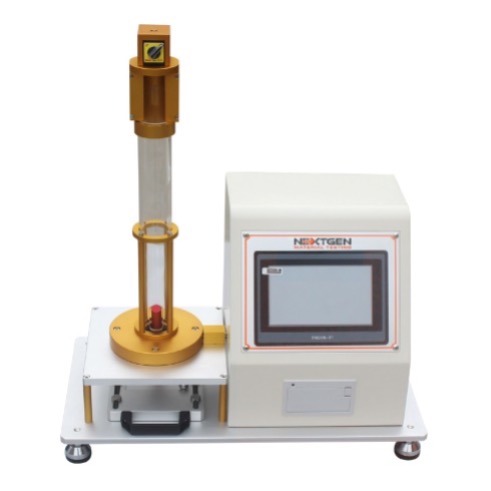
GenRebound – Vertical Rebound Resilience Tester
GenRebound is a vertical rebound resilience tester for measuring the elasticity and rebound behavior of hard rubber…
View product
Get quote
Most requested
 Pendulum Rebound Resilience Tester
NextGen’s Pendulum Rebound Resilience Tester measures the elastic recovery and dynamic behavior of elastomers, foams,…
View product
Get quote
Most requested
 Ball Rebound Tester
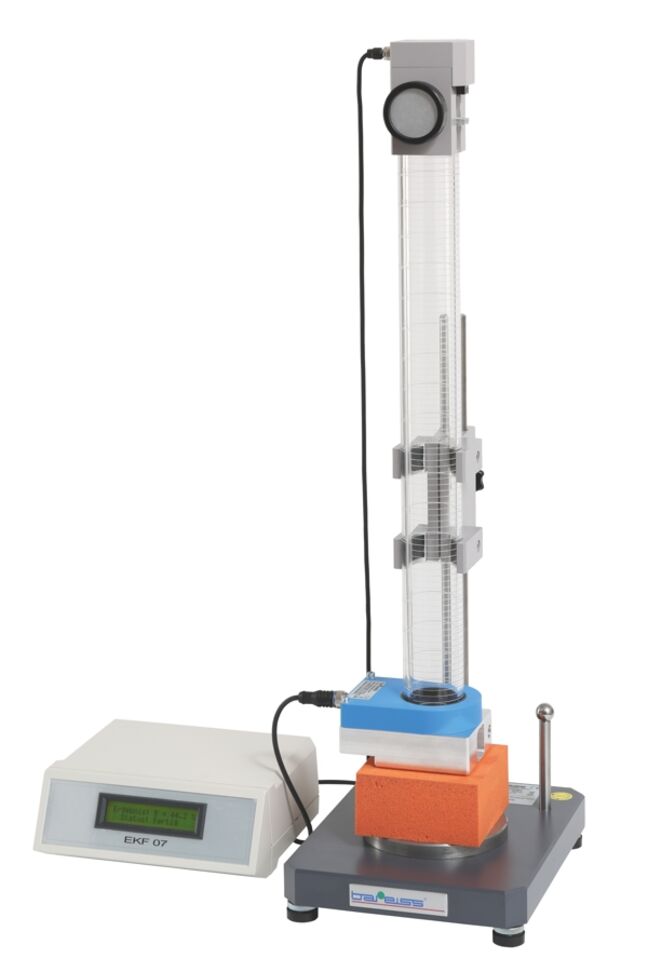
The Ball Rebound Tester measures rebound resilience in foam, polyurethane, rubber, and similar materials.
View product
Get quote
GenRebound – Vertical Rebound Resilience Tester
GenRebound is a vertical rebound resilience tester for measuring the elasticity and rebound behavior of hard rubber…
View product
Get quote
Most requested
Pendulum Rebound Resilience Tester
NextGen’s Pendulum Rebound Resilience Tester measures the elastic recovery and dynamic behavior of elastomers, foams,…
View product
Get quote
Most requested
Ball Rebound Tester
The Ball Rebound Tester measures rebound resilience in foam, polyurethane, rubber, and similar materials.
View product
Get quote
 GenRebound – Vertical Rebound Resilience Tester
GenRebound is a vertical rebound resilience tester for measuring the elasticity and rebound behavior of hard rubber…
Rebound resilience testing
 Pendulum Rebound Resilience Tester
NextGen’s Pendulum Rebound Resilience Tester measures the elastic recovery and dynamic behavior of elastomers, foams,…
Rebound resilience testing
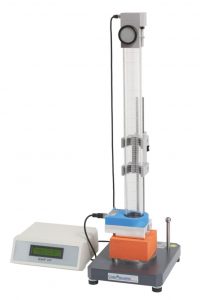 Ball Rebound Tester
The Ball Rebound Tester measures rebound resilience in foam, polyurethane, rubber, and similar materials.
Rebound resilience testing
Nothing matches that filter. Show all products
FAQs
Follow the one your specification names. The pendulum tester is listed under DIN 53512, ASTM D1054 and ISO 4662, and the vertical GenRebound product summary cites ASTM D2632. Values from different instrument types are not automatically interchangeable, so keep comparisons within one method. Because DIN 53512 is marked withdrawn, contact our team if a legacy callout needs mapping.
The machine is leveled, the plunger is raised to a set height and released onto the specimen for a given number of impacts. The first three are discarded, and the average of the fourth, fifth and sixth is the result. Test films sit 14 mm from the edge of the specimen. The analog GenRebound drops a 28 g hammer from 40 cm and suits compounds made to absorb shock or vibration.
Specimens are 29 to 53 mm (1.14 to 2.09 in) in diameter and 12 mm (0.47 in) thick, and the instrument adjusts for specimen thickness from 0 to 60 mm. A 200 N clamping device holds the specimen against the anvil. Results leave the independent electronic unit through an RS232 interface, and HardTest software collects and processes them.
An optional heating module brings the contact surface of the specimen to a selectable temperature from 10 °C to a maximum of 100 °C, and a second specimen can be preconditioned at the same time. The pendulum tester can therefore simulate the effect of heat on the elasticity of samples with different formulations.
Foam and cellular rubber are better served by a ball rebound method. ASTM D2632 states it is not intended for cellular rubber, and ISO 4662 notes that foams may need a different method. The digital ball rebound tester on the GenRebound page drops a 16 mm magnetic ball from 500 mm onto the specimen, and ball rebound testers are also listed in the Plastic and Foam Rebound category.