ASTM E8/E8M is a widely used standard test method for room-temperature tensile testing of metallic materials. It is commonly referenced for generating tensile properties used in material qualification, incoming inspection, production QA/QC, and engineering comparisons.
If you need help matching specimen type, extensometer approach, or reporting expectations to a purchase order or customer flowdown, talk with our team about your application.
ASTM E8/E8M – Standard Test Methods for Tension Testing of Metallic Materials
This standard describes how to perform uniaxial tensile tests on metallic materials at room temperature and how to determine commonly reported tensile results. It is used across many metal product forms, from mill products and machined coupons to finished-part sampling, when a room-temperature tensile property set is required.
Quick definition
Document type: Standard test methods.
Primary purpose: Determine tensile properties such as yield strength, yield point elongation (when applicable), tensile strength, elongation, and reduction of area from a room-temperature tension test.
Typical output: A tensile stress–strain record and a set of reportable tensile properties used for acceptance, comparison, or design screening.
What This Standard Covers
ASTM E8/E8M covers tensile testing of metallic materials “in any form” at room temperature and focuses on determining key strength and ductility values from the test.
It also distinguishes between E8 and E8M specimen conventions. A practical difference called out in the standard is the required gage length relationship for most round specimens (commonly expressed as a multiple of specimen diameter), which can affect specimen preparation and extensometer selection.
The standard notes that exceptions or modifications may be specified in other material-specific documents, and it provides examples of companion tensile-testing references used for certain material categories.
Why This Standard Matters in Testing
ASTM E8/E8M is often the “default” tensile-testing reference used to create a comparable dataset for metals across suppliers, heat lots, and production runs. When it is cited on a drawing, purchase order, or material certification requirement, it typically drives decisions around specimen geometry, strain measurement approach, and what values must be calculated and reported.
It also highlights a common interpretation issue: results from standardized specimens machined from selected locations may not fully represent the performance of the entire end product or in-service behavior. For QA/QC and supplier qualification, that distinction can matter when deciding where coupons are taken from and how results are used.
Common Materials, Product Types, or Applications Covered
This standard is used for metallic materials across a wide range of industries, including general manufacturing, aerospace supply chains, energy, transportation, and metal processing.
Common material forms: Plate, sheet, strip, bar, rod, wire, forgings, castings, and machined tensile coupons taken from parts or test blocks.
Common use cases: Material certification (mill/heat lot testing), process validation (heat treatment, welding procedure support where applicable), incoming inspection, and routine production monitoring.
Common Test or Verification Workflow
ASTM E8/E8M is typically applied as a controlled workflow that links specimen preparation, tensile loading, strain measurement, and reporting.
- Confirm the exact cited designation (for example, E8/E8M with a specific year) and whether the requirement is expressed in the E8 or E8M convention.
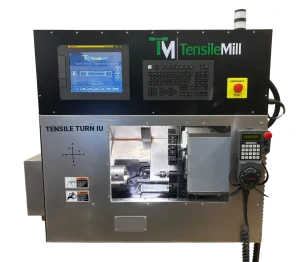
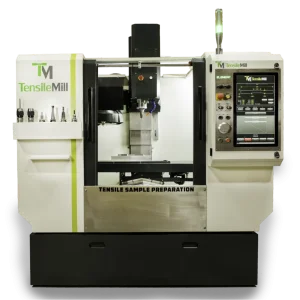
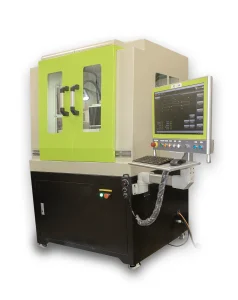
- Prepare specimens from the required product form or sampling location (often machined to standardized shapes).
- Set up the tensile test system with appropriate grips/fixtures and alignment for the specimen type.
- Measure extension/strain as required to determine yield-related results and elongation (often using an extensometer or other strain-measurement approach appropriate to the requirement).
- Run the test at room temperature within the applicable definition of room temperature for the cited document.
- Calculate and report the required properties (commonly yield strength, tensile strength, elongation, and reduction of area, plus any additional outputs required by the controlling purchase specification).
Equipment Commonly Used for This Standard
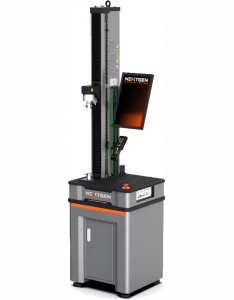
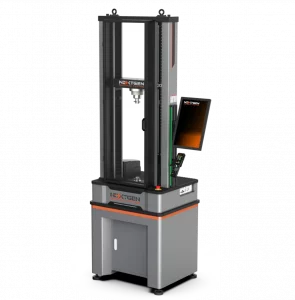
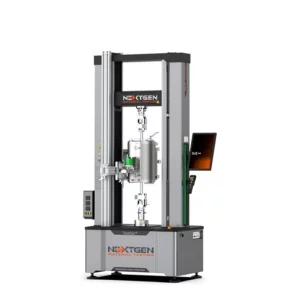
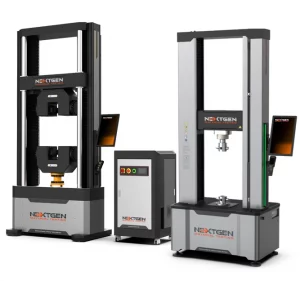
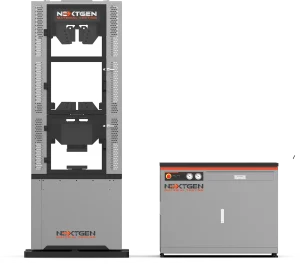
ASTM E8/E8M does not point to a single mandatory machine model, but it strongly implies a conventional uniaxial tensile test setup capable of controlled loading and accurate force/extension measurement.
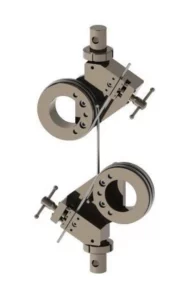
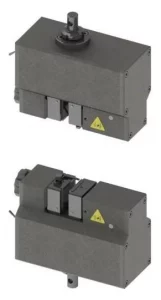
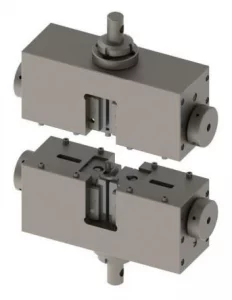
Common equipment families: Universal testing machines (electromechanical or servo-hydraulic), tensile grips for round and flat specimens, load cells, wedge grips or collet-style grips (application dependent), and extensometers suitable for the required gage length and expected strain range.
Common selection factors: Force capacity for the alloy/section size, grip style to prevent slip and avoid grip-induced failures, extensometer gage length and travel, and data acquisition/control capability aligned with how your lab reports yield and elongation results.
If you are configuring a tensile system for the materials and specimen sizes you run most often, you can request pricing for a matched tensile testing setup including grips and extensometry.
How to Read This Designation or Revision
E8/E8M: Indicates the standard includes both E8 and E8M conventions under the combined designation.
Suffix year (for example, “-25”): Indicates the year of the published edition being cited. In purchasing and compliance workflows, the year matters because details affecting specimen requirements, calculation conventions, and reporting expectations can change between editions.
Unit usage: The standard separates SI units and inch-pound units and expects each system to be used independently rather than mixing values between systems.
Related Standards, Methods, or Frameworks
Depending on the metal type and the controlling material specification, tensile requirements may cite additional or alternative tensile references for specific material families.
Commonly referenced alongside ASTM E8/E8M: ASTM A370 (steel products) and ASTM B557/B557M (aluminum and magnesium alloys) when a product specification directs you to those documents for certain forms or exceptions.
Talk through your ASTM E8/E8M tensile testing requirement
If you are unsure whether to follow E8 or E8M conventions for your specimen type, or you need to align grips, extensometer gage length, and reporting outputs to a specific contract requirement, contact our team for practical guidance.