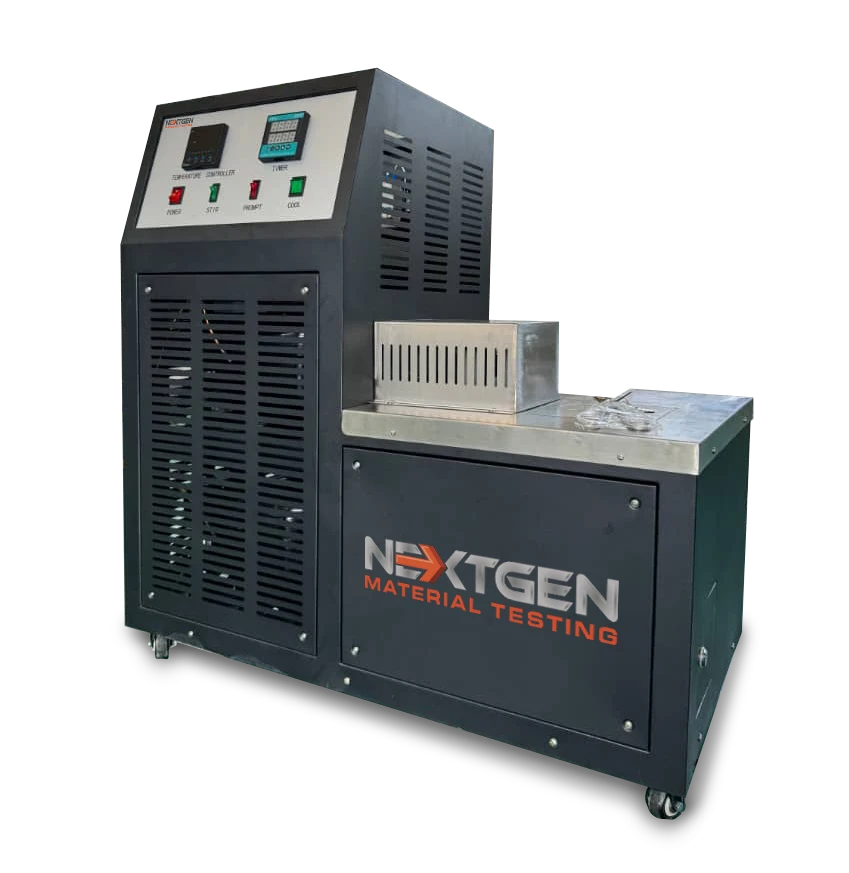
Impact Specimen Cooling Temperature Chamber – NG-ISCC Series

Trust
  • Impact Specimen Cooling Temperature Chamber – NG-ISCC Series
  • Impact Specimen Cooling Chamber
  • Impact Specimen Cooling Temperature Chamber – NG-ISCC Series
  • Impact Specimen Cooling Chamber - NGT-196

Standards

Ultimate User-Friendliness
Leading Dependability and Reliability
NIST Certified Consumables
Strict Compliance with Industry Standards
Stocked Consumables and Spares
Trusted After Sales Technical Support
Lifetime Product Support Advantage

Description

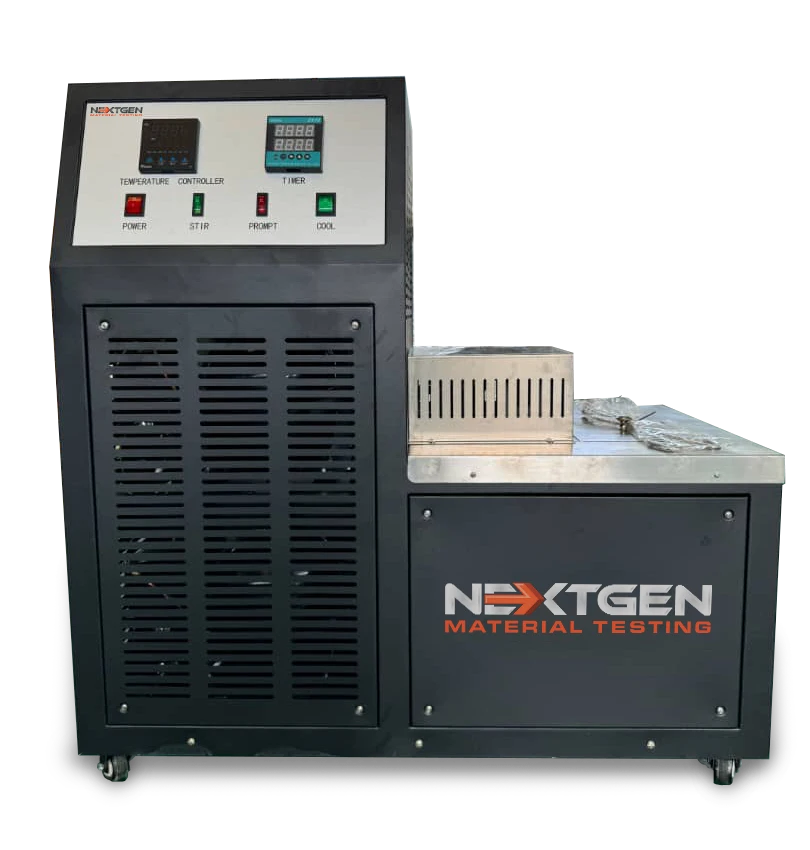
The NG-ISCC Series Low Temperature Chamber is designed to condition Charpy impact specimens at controlled sub-zero temperatures prior to testing. It cools specimens uniformly and maintains a stable setpoint to support consistent, repeatable results.

Available conditioning targets include -30°C, -60°C, -80°C, -100°C, and -196°C, depending on the selected model.

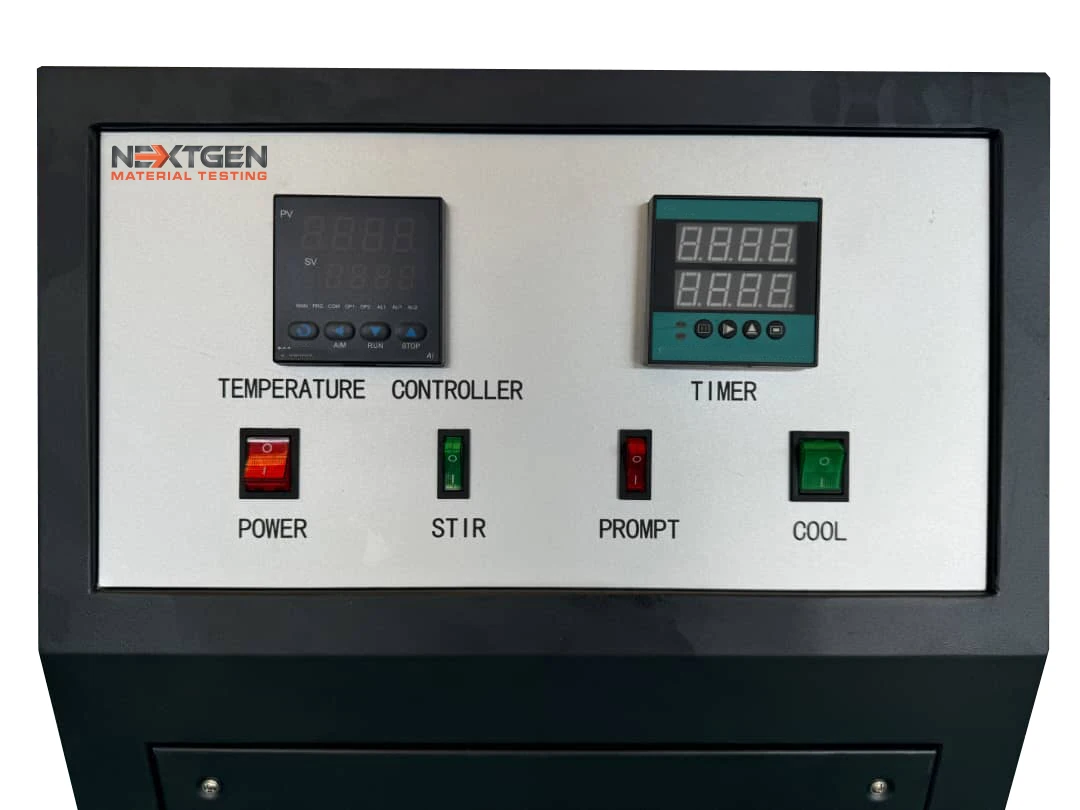
The system is engineered around thermal balance and circulation to help minimize temperature gradients between specimens and across the chamber volume. A high-precision self-adjusting controller and platinum–iridium sensor provide accurate monitoring and straightforward operation.

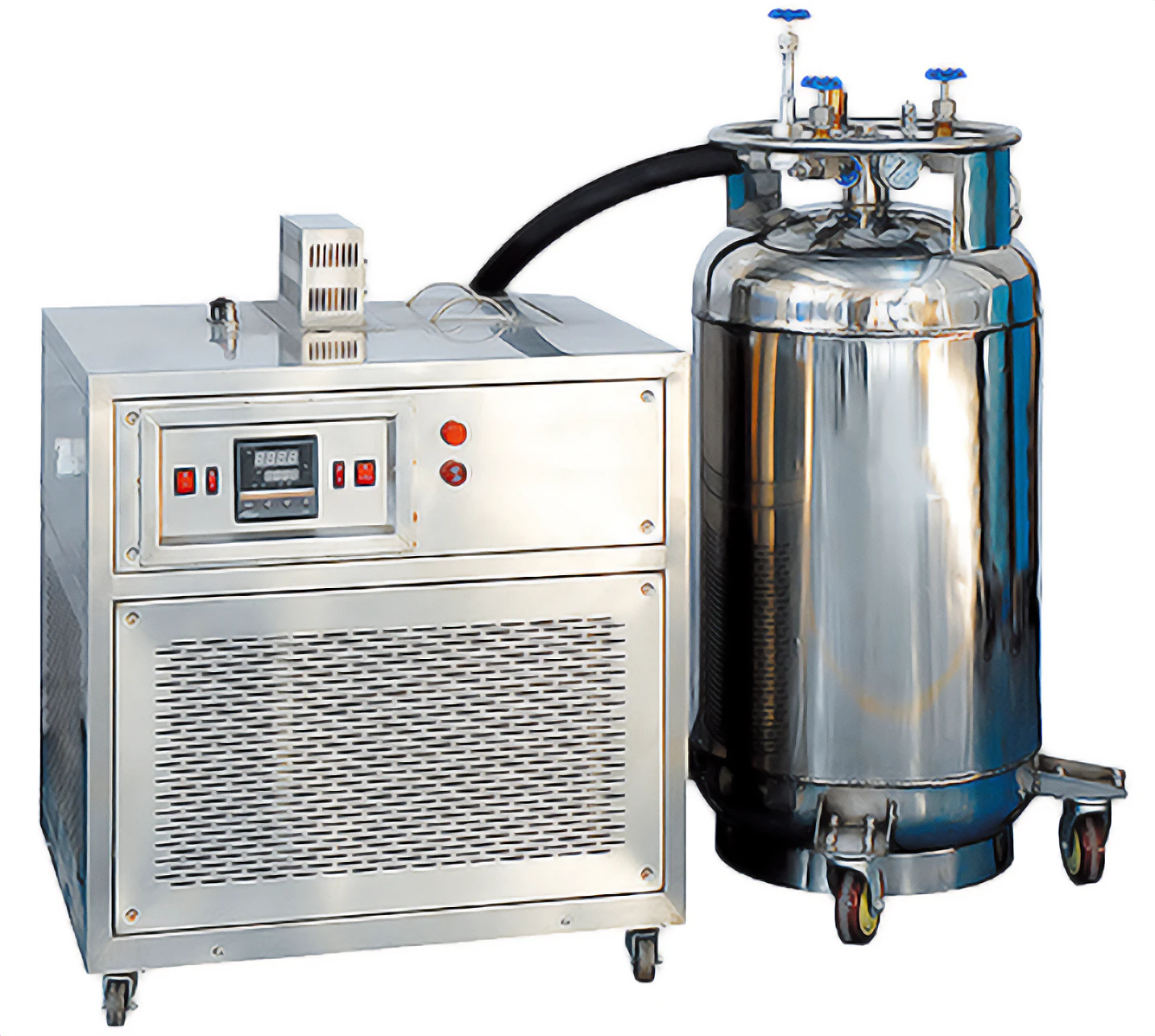
For cooling performance across the full range, the series uses two proven approaches. NG-ISCC-60 and NG-ISCC-80 rely on compressor-based refrigeration for stable low-temperature conditioning. For extended ultra-low capability, NG-ISCC-100 and NG-ISCC-196 use liquid nitrogen cooling to reach and maintain the lowest temperature setpoints.

Typical Applications

The NG-ISCC Series is used in materials testing labs and quality control environments that perform low-temperature Charpy impact testing, where specimens must be conditioned to a defined temperature before being transferred to the pendulum impact tester.

It is commonly applied to metallic materials and alloys evaluated for toughness and brittle-to-ductile transition behavior, including carbon and stainless steels, aluminum alloys, and nickel-based alloys, as well as weld procedure qualification and production lot verification programs.


Technical Specifications

Parameter NG-ISCC-60 NG-ISCC-80 NG-ISCC-100 NG-ISCC-196
Cooling method Compressor Compressor Liquid nitrogen Liquid nitrogen
Cooling temperature range -60°C to +30°C -80°C to +30°C -100°C to +30°C -196°C to +30°C
Temperature control accuracy ≤ ±0.5°C ≤ ±0.5°C ≤ ±0.5°C ≤ ±0.5°C
Instrument resolution 0.01°C 0.01°C 0.01°C 0.01°C
Cooling medium Ethanol or other non-freezing solution Ethanol or other non-freezing solution Ethanol or other non-freezing solution Ethanol or other non-freezing solution

Request a Quote

Need help selecting the right NG-ISCC model or confirming specifications for your Charpy testing workflow? Our team can answer technical questions and recommend the best configuration for your required temperature range.

Request an online quote or contact us with your details, and we’ll get back to you as quickly as possible.

FAQs

This chamber is designed to pre-condition Charpy impact specimens to a controlled sub-zero temperature before you break them on a pendulum impact tester. In a typical Charpy workflow, it brings specimens to the target temperature, stabilizes them, and helps you transfer them for testing with less temperature drift, improving repeatability from specimen to specimen.

It is built to cool specimens evenly and maintain a stable setpoint so your batch sees consistent conditioning. The design emphasizes thermal balance and circulation to reduce temperature differences across the chamber and between specimens.

Different NG-ISCC models support different conditioning targets, including options down to ultra-low temperatures. Depending on the model, cooling is achieved with either compressor-based refrigeration or liquid nitrogen for the lowest setpoints.

If you want to confirm the best NG-ISCC configuration for your specimen volume, target temperature, and transfer workflow to the impact frame, use learn more or request a quote.

Charpy impact energy is highly temperature-sensitive, so consistent pre-test conditioning is one of the biggest levers you have to reduce scatter. Conditioning in this system brings each specimen to the same defined sub-zero target and holds a stable setpoint, so differences in absorbed energy are driven more by the material and notch quality, not by unintended temperature variation.

This chamber is designed to cool specimens uniformly and limit temperature gradients through thermal balance and circulation. A self-adjusting temperature controller and platinum–iridium sensor help monitor and regulate the conditioning temperature, supporting tight control with ≤ ±0.5°C accuracy and 0.01°C resolution.

In day-to-day ASTM E23 and ISO 148 workflows, repeatability improves further when you standardize handling around the chamber, for example:

  • Use a consistent soak and loading practice so all specimens reach equilibrium the same way.
  • Keep transfer steps short and repeatable to avoid warming before the pendulum strike.
  • Use the correct cooling medium, such as ethanol or another non-freezing solution, for uniform heat transfer.

If you want to confirm the right NG-ISCC model and cooling approach for your target temperature and throughput, learn more or request a quote.

This system is a specimen conditioning chamber only. It is used to cool and stabilize Charpy impact specimens to a controlled setpoint before testing, then the actual impact test is performed on a separate pendulum impact tester.

In a typical low-temperature Charpy workflow, you load specimens into the chamber, allow them to reach temperature uniformly, then transfer them to your impact frame for the strike and energy measurement. The NG-ISCC Series is built around stable temperature control and circulation to help reduce temperature variation across the chamber, supporting more consistent pre-test conditioning.

If you want to confirm the best NG-ISCC model for your target temperatures and your Charpy testing workflow, review the details under learn more and reach out to request a quote.

This system is intended to condition metal Charpy impact test specimens to a controlled sub-zero temperature before they are transferred to a pendulum impact tester.

In day-to-day lab and QC use, it is commonly applied to Charpy specimens machined from metallic materials and alloys such as carbon steels, stainless steels, aluminum alloys, and nickel-based alloys.

It is also a practical fit for weld procedure qualification and production verification work, where you may be conditioning base metal, weld metal, or HAZ Charpy specimens as required by your method. The exact specimen loading approach depends on your specimen geometry and quantity, and how you want to stage specimens for quick transfer to the impact frame.

If you want to confirm the best NG-ISCC configuration for your specimen style and workflow, learn more or request a quote.

The NG-ISCC model selection is driven by the lowest conditioning temperature you need to achieve and hold. Each model is named for its minimum temperature capability, and all models cover common sub-zero setpoints that fall within their rated temperature range.

Model-to-setpoint matching is typically:

  • -60°C: NG-ISCC-60 (compressor cooled)
  • -80°C: NG-ISCC-80 (compressor cooled)
  • -100°C: NG-ISCC-100 (liquid nitrogen cooled)
  • -196°C: NG-ISCC-196 (liquid nitrogen cooled)
  • -30°C: achievable on any NG-ISCC model since it is within each model’s temperature range

If you want to confirm the right setpoint coverage and cooling approach for your Charpy workflow, review the model details under learn more and send your target temperatures for a fast recommendation through request a quote.

During conditioning, the NG-ISCC Series is available with cooling ranges from -60°C to +30°C, -80°C to +30°C, -100°C to +30°C, or -196°C to +30°C, depending on the model you select. Temperature control accuracy is specified at ≤ ±0.5°C, with 0.01°C instrument resolution.

Model choice drives both the low-end temperature and the cooling approach. The -60°C and -80°C versions use compressor refrigeration, while the -100°C and -196°C versions use liquid nitrogen to reach ultra-low setpoints.

In day-to-day use, the tightness of specimen conditioning at the target temperature is influenced by practical factors like specimen quantity and mass, bath circulation and loading pattern, lid or door open time, and the soak approach used before transfer to the impact frame.

If you want to confirm the best NG-ISCC configuration for your target temperature and conditioning workflow, use learn more or request a quote.

Ultra-low conditioning to −196°C is supported on the NG-ISCC-196 model, which uses liquid nitrogen cooling for specimen conditioning prior to pendulum impact testing.

The NG-ISCC Series is offered in multiple temperature configurations, so the minimum achievable temperature depends on the model selected:

  • NG-ISCC-60 and NG-ISCC-80 use compressor-based refrigeration for low-temperature conditioning.
  • NG-ISCC-100 and NG-ISCC-196 use liquid nitrogen cooling for lower setpoints, with NG-ISCC-196 covering −196°C to +30°C.

For transition-curve work and pre-test conditioning to ASTM E23 or ISO 148, the key is repeatable temperature control and uniform conditioning before transfer to the impact frame. This system uses a self-adjusting temperature controller with a platinum–iridium sensor, with temperature control accuracy specified at ≤ ±0.5°C and 0.01°C resolution.

If you want to confirm the right configuration for your conditioning temperatures and LN2 setup, review the chamber details and then learn more or request a quote.

In typical operation, this chamber is used to condition multiple Charpy impact specimens at the same time as a batch at one controlled setpoint, so a full series can be stabilized before transfer to the impact tester.

The practical number of specimens you can condition simultaneously depends on how you configure the load for consistent cooling and temperature stability. Key drivers are specimen size (full-size vs sub-size), how much spacing you maintain for uniform circulation, and the target temperature you are running, with NG-ISCC models available for conditioning down to -196°C depending on the version selected.

For repeatable results, most labs avoid overcrowding and keep the same loading pattern from run to run so the soak and temperature uniformity are consistent.

If you want to confirm the best NG-ISCC model and the right batch loading approach for your specimen geometry and workflow, learn more or request a quote.

This chamber is intended for conditioning Charpy impact specimens for standard low-temperature testing workflows, including ISO 148 and ASTM E23. In general, the chamber’s temperature conditioning is not notch-specific, so it can be used for standard Charpy specimen formats as long as your specimens physically fit the chamber’s specimen holding arrangement and can be conditioned uniformly.

In practice, the supported Charpy specimen geometry is driven by how you plan to stage the samples for consistent temperature soak prior to transfer to the impact frame. That is what keeps your brittle-to-ductile transition and lot-to-lot comparisons meaningful.

To confirm the best fit for your lab, the key factors are typically:

  • Specimen size format (full-size vs sub-size programs)
  • Notch type used for the method (V, U, or unnotched Charpy programs)
  • Specimen quantity and the holder or basket configuration used for uniform conditioning

If you want to confirm the right configuration for your specific Charpy specimen geometry and conditioning routine, please learn more and request a quote.

There can be limitations, and they typically come down to how your specimens physically fit and how they are supported while the chamber is conditioning them. This system is intended for Charpy impact specimens, so the most straightforward setup is using specimen holders or baskets sized for common Charpy geometries and arranged to maintain consistent cooling across the batch.

If you plan to run non-standard specimen dimensions, unusual orientations, or higher part counts per cycle, the holder or basket design becomes important. Spacing and layout should support good circulation and thermal balance so you do not create warm spots or temperature gradients from contact points, stacking, or overcrowding.

For most labs, the key selection factors are:

  • Specimen geometry and whether you are conditioning standard or sub-size Charpy bars
  • How many specimens you want to condition at once
  • Basket and holder material compatibility with your cooling approach and non-freezing bath fluid
  • Your transfer method from chamber to the impact tester

If you want to confirm the right basket or holder approach for your specimen dimensions and workflow, review learn more and share your specimen details through request a quote.

This chamber is commonly used in weld procedure qualification style Charpy programs, and it can typically be set up to condition sub-size Charpy specimens as long as the specimens can be loaded securely and exposed to uniform circulation in the chamber before transfer to the impact tester.

Whether sub-size weld specimens fit cleanly comes down to how you plan to stage them inside the chamber. The key drivers are the sub-size geometry you are using, how the specimens are supported or separated during the soak, and how many you want to condition per cycle without specimens touching each other.

For weld testing, the practical goal is repeatable temperature stabilization and a smooth handoff to the Charpy frame using your lab’s handling approach. The NG-ISCC series is built for controlled sub-zero conditioning ahead of Charpy testing, with model selection based on the temperature target and cooling approach.

If you want to confirm the right configuration for your sub-size specimens and weld test workflow, please learn more and request a quote.

This chamber is built around conditioning Charpy impact specimens to a stable target temperature and holding that setpoint for the required soak. In typical use, you select the desired setpoint and let the system stabilize rather than running a multi-step temperature program.

The NG-ISCC Series is offered in models intended for specific low-temperature targets, with available conditioning targets including -30°C, -60°C, -80°C, -100°C, and -196°C depending on the model you choose.

Whether a workflow truly needs temperature steps usually depends on your lab procedure and test method requirements, plus practical factors like specimen mass and quantity, soak time expectations, and whether you are using compressor-based refrigeration models or liquid nitrogen models for ultra-low setpoints.

If you want to confirm the best configuration for your target temperatures and conditioning workflow, use learn more and request a quote.

Pull-down time from ambient to a target setpoint is application-dependent, and it is best treated as a function of your chosen NG-ISCC model, the temperature difference to the setpoint, and the specimen load you are conditioning.

The NG-ISCC-60 and NG-ISCC-80 use compressor-based refrigeration, while the NG-ISCC-100 and NG-ISCC-196 use liquid nitrogen for ultra-low setpoints. In practice, deeper setpoints and heavier loads generally require more time to cool and stabilize, even when the chamber control is already holding a steady temperature.

For consistent Charpy conditioning, “ready to test” usually means both the chamber and the specimens have stabilized. The biggest drivers are typically:

  • Selected setpoint, such as -30°C down to -196°C
  • Batch size and starting specimen temperature
  • Heat input from door openings and transfer workflow
  • Bath medium volume and circulation conditions (ethanol or another non-freezing solution)

If you want to confirm expected pull-down and soak time for your setpoint and specimen batch size, please learn more or request a quote.

This chamber is designed with thermal balance and internal circulation to help reduce temperature gradients from specimen to specimen and throughout the chamber volume during low-temperature conditioning for Charpy impact testing.

In practice, uniformity is driven by a combination of the circulation approach, the cooling medium used in the chamber (ethanol or another non-freezing solution), and steady temperature control using the system’s controller and sensor. Your specimen mass, how many samples you load at once, and how tightly they are grouped can all influence how quickly everything reaches the same stabilized condition.

To help minimize gradients in day-to-day QC and lab use:

  • Keep consistent spacing so coolant can circulate around each specimen.
  • Avoid overloading the basket or stacking specimens tightly.
  • Use a consistent soak practice, then transfer promptly to the impact tester to limit temperature rise.

If you want to confirm the best configuration and conditioning workflow for your specimen size, batch quantity, and target temperature, learn more or request a quote.

The NG-ISCC Series is specified with temperature control accuracy of ≤ ±0.5°C and an instrument resolution of 0.01°C. These values are listed the same across the NG-ISCC-60, NG-ISCC-80, NG-ISCC-100, and NG-ISCC-196 models.

In practice, accuracy describes how closely the chamber controls to the target setpoint, while resolution is the smallest temperature increment the controller can display and adjust.

For Charpy specimen conditioning, the temperature consistency you achieve at the specimen also depends on typical workflow factors like specimen loading density, soak time at setpoint, and how often the lid is opened while staging samples for the impact test.

If you want to confirm performance for your target temperature and specimen handling routine, review the system details under learn more and share your setpoint and throughput needs to request a quote.

Temperature uniformity is typically verified by performing a simple multi-point temperature survey at the same time the chamber is controlling at your target setpoint. In practice, you place independent reference temperature probes at representative locations within the working volume, allow the system to stabilize, then confirm the readings are consistent across positions while the controller is holding the set temperature.

A common verification approach in a Charpy workflow includes:

  • Set the chamber to the required conditioning temperature and let it reach steady state.
  • Position multiple reference probes (or instrumented dummy specimens) at the center and near the outer boundaries of the load area.
  • Record readings over a defined soak period to confirm both spatial uniformity and short-term stability.

Results can vary with loading pattern, specimen mass, bath medium and level, circulation conditions, and the selected cooling approach (compressor-based vs liquid nitrogen models).

If you want to confirm the right verification method and probe placement for your setpoint and specimen load, review the chamber details under learn more and request a quote for the recommended setup.

This chamber is built around a high-precision, self-adjusting temperature controller using a platinum–iridium sensor for closed-loop monitoring and stable conditioning of Charpy impact specimens. External probe verification and any offset correction are typically handled as part of your lab’s temperature verification and calibration workflow, and the exact approach depends on the controller configuration and your quality requirements.

For verification, labs commonly place a calibrated reference probe in the working zone where specimens sit, then compare the reference reading to the chamber display at the soak temperature used for testing. This helps confirm what the specimens are actually seeing right before transfer to the impact frame.

For offsets, some teams prefer entering a correction in the controller (when enabled), while others document a correction factor and leave the control loop unchanged. The best path usually depends on your internal procedure, whether you are verifying one point or multiple setpoints, and how you need to document results for audits and method reporting.

If you want to confirm the best verification and offset approach for your NG-ISCC model and your target temperatures, use learn more and request a quote with your setpoints, probe type, and documentation expectations.

Out-of-tolerance alarming and any interlock behavior are typically configured around your temperature-conditioning workflow and how you want the chamber to signal or prevent specimen transfer when the setpoint is not stable.

This system uses a high-precision, self-adjusting controller with a platinum–iridium temperature sensor for accurate monitoring during Charpy specimen conditioning.

In practice, the right alarm or interlock approach depends on a few items:

  • Whether you need a local alert only (operator notification) or a hard interlock tied to your handling process
  • Your allowable deviation band and soak expectations for ASTM E23 or ISO 148 workflows
  • The selected model and cooling method (compressor-based vs liquid nitrogen cooling)

If you want to confirm the best controller alarm limits and any interlock integration for your procedure, review the system details under learn more and share your requirements via request a quote.

This conditioning system is specified to support Charpy specimen conditioning workflows aligned with ISO 148 and ASTM E23. It is also listed with ASTM E74 (Class AA) under the Standards section for the NG-ISCC Series.

In practice, meeting ASTM E23 or ISO 148 conditioning requirements depends on running the chamber to the method-defined specimen temperature and maintaining stable conditioning before transfer to your pendulum impact tester. Your lab procedure typically defines the setpoint, soak approach, and transfer handling needed to keep specimens at the required temperature at the moment of impact.

If you want to match a specific Charpy method setup, key factors usually include the target temperature range, specimen quantity and geometry, and how specimens are moved from the chamber to the impact frame.

If you want to confirm the right configuration and documentation for your ASTM E23 or ISO 148 workflow, use learn more or request a quote.

For ASTM E23 and ISO 148 Charpy programs, this system is typically supported with documentation that ties the chamber’s conditioning function to your lab’s controlled-temperature workflow, including the unit identification details and the operating guidance needed to run repeatable soak and transfer routines.

Documentation commonly provided or available for your quality file includes:

  • Equipment identification and order-specific configuration details (model, serial number, and key build features).
  • Operating and setup guidance for temperature conditioning, including how the controller and temperature sensor are used to monitor setpoint and stability.
  • Calibration and verification documentation packages when required for audits and internal procedures.

ASTM E74 is generally associated with force-proving and load measurement traceability. If your quality system calls out ASTM E74 Class AA documentation as part of your broader testing program, the right approach is to match the documentation package to the instruments that fall under that standard and keep the chamber documentation aligned to specimen temperature conditioning.

If you want to confirm the exact documentation set for your method and audit needs, learn more and request a quote.

Power requirements for the NG-ISCC Series depend on the specific model and how it is configured for your facility’s utilities. In general, NG-ISCC-60 and NG-ISCC-80 are compressor-based refrigeration systems, while NG-ISCC-100 and NG-ISCC-196 are liquid nitrogen cooled, so the electrical service and site connections are not identical across the lineup.

For accurate line specifications, the key items to align up front are your available facility power (voltage, phase, and frequency), the preferred connection style (hardwired vs. cord and plug), and whether a dedicated circuit is required for your lab. For liquid nitrogen models, you should also plan for the LN2 supply connection and appropriate ventilation practices around cryogenic use.

At a model level, here is what typically drives the utility differences:

  • NG-ISCC-60 and NG-ISCC-80 (compressor): electrical service must support refrigeration operation, including compressor starting characteristics.
  • NG-ISCC-100 and NG-ISCC-196 (liquid nitrogen): electrical service is primarily for controls and circulation, plus the LN2 control hardware, and your site must support the LN2 supply connection.

If you want to confirm the exact electrical input and site line requirements for your NG-ISCC model and location, use learn more and then request a quote with your facility power details and target conditioning temperature.

For the liquid nitrogen cooled NG-ISCC-100 and NG-ISCC-196, the best practice is to feed the chamber from a liquid-withdrawal LN2 dewar with stable, regulated delivery pressure, using cryogenic-rated fittings and an insulated transfer line so the chamber can reach and hold the lowest setpoints without flow swings or icing at the connection.

Dewar pressure is typically set to whatever level your LN2 supply system needs to deliver steady liquid to the chamber’s inlet valve over your run duration. The right setting depends on your dewar style (pressure-building capability), the distance to the chamber, and how aggressively you are pulling down to temperature versus holding a soak.

For fittings and hose types, prioritize components intended for liquid nitrogen service and repeatable connect and disconnect work in a lab or production environment:

  • Cryogenic-rated metal fittings that match your dewar outlet hardware and the chamber inlet supplied with your configuration
  • An insulated or vacuum-jacketed transfer line for the main run, with a short cryogenic flex section only where movement is needed
  • Secure routing and strain relief to protect the inlet connection during specimen loading and daily operation

If you want to confirm the recommended inlet connection details for your exact NG-ISCC-100 or NG-ISCC-196 configuration and your dewar type, review the system on learn more and send your LN2 supply details to request a quote.

For the NG-ISCC Series, the cooling bath is intended to be filled with ethanol or another non-freezing solution suitable for the target conditioning temperature.

In practice, the “right” cooling medium depends on your lowest setpoint, how quickly you need the bath to stabilize, and your facility’s EHS requirements for handling and storing flammable liquids. The goal is a stable, well-circulating bath fluid that will not freeze, thicken excessively, or create inconsistent specimen temperatures during the soak.

When evaluating an alternate non-freezing solution, confirm these basics before use:

  • Freezing point margin versus your lowest conditioning temperature
  • Viscosity at temperature (to maintain effective circulation)
  • Chemical compatibility with the chamber and accessories
  • Safety considerations such as flammability, ventilation, and disposal

If you want to confirm the best bath fluid for your temperature target and shop safety requirements, review the system details under learn more and send your setpoint and workflow details to request a quote.

Plan for normal lab ventilation and basic spill control during installation, with extra attention if you are installing a liquid-nitrogen-cooled model or using a non-freezing liquid medium such as ethanol. In most labs, no dedicated exhaust duct is required, but the right setup depends on your NG-ISCC configuration and your site safety rules.

For NG-ISCC-60 and NG-ISCC-80 (compressor refrigeration), provide open airflow around the unit so heat can dissipate and controls stay stable. For NG-ISCC-100 and NG-ISCC-196 (liquid nitrogen cooling), treat nitrogen boil-off as a room ventilation and oxygen-deficiency consideration. Many facilities address this with appropriate room ventilation practices, cylinder handling, and EHS-required monitoring where applicable.

For spill containment, the chamber uses a non-freezing cooling medium (commonly ethanol or a similar solution). Set the chamber on a chemical-compatible secondary containment tray or in an area where small leaks can be safely managed, and follow your facility’s flammability, PPE, and cleanup procedures for the selected fluid.

If you want to confirm the right installation approach for your model and cooling medium, review the system details and then learn more or request a quote with your target temperature and whether you are considering compressor or liquid nitrogen cooling.

This system is typically installed on a stable, level bench or a dedicated stand, as long as the surface can support the unit and you have a clean path for utilities and routine specimen handling. For clearance, plan space so the door can open fully and operators can load and remove Charpy specimens quickly without obstruction, while also preserving access for connections and service.

Recommended clearance around the enclosure depends on the selected NG-ISCC model and your workflow, especially whether you are using compressor cooling or liquid nitrogen cooling, how you route lines and power, and how close you want the chamber positioned to the impact frame to minimize specimen warm-up during transfer.

In practice, you should allow working space for:

  • Front access for loading, unloading, and safe specimen transfer tools.
  • Side and rear access for cable routing, coolant or liquid nitrogen connections (as applicable), and service tasks.
  • A protected bench area suitable for handling ethanol or other non-freezing bath solutions used for cooling.

If you want to confirm the best installation layout for your specific NG-ISCC configuration and specimen transfer process, use the product page to learn more or request a quote.

Accurate conditioning depends on keeping the chamber in a stable, indoor lab environment so it can hold a steady specimen soak temperature and recover quickly after loading or unloading. Large swings in room temperature, strong drafts, and high humidity can increase frosting and condensation, which can affect how consistently specimens reach the target setpoint.

This system conditions Charpy specimens at controlled sub-zero temperatures (model-dependent) using a non-freezing bath medium such as ethanol, with compressor-based or liquid-nitrogen cooling depending on the model. Ambient conditions mainly influence heat leak into the chamber and moisture load on cold surfaces, especially when running at the lowest setpoints or when the lid is opened frequently.

For best repeatability in production and QC workflows:

  • Place the unit away from direct sunlight, ovens, and HVAC vents.
  • Keep the lid closed except for quick loading and transfer.
  • Use dry tools and wipe moisture from specimens before conditioning to reduce ice buildup.
  • For liquid nitrogen models, follow your facility ventilation and safety practices during operation.

If you want to confirm the right site conditions for your setpoint, model choice, and specimen throughput, review the details under learn more and send your application notes to request a quote.

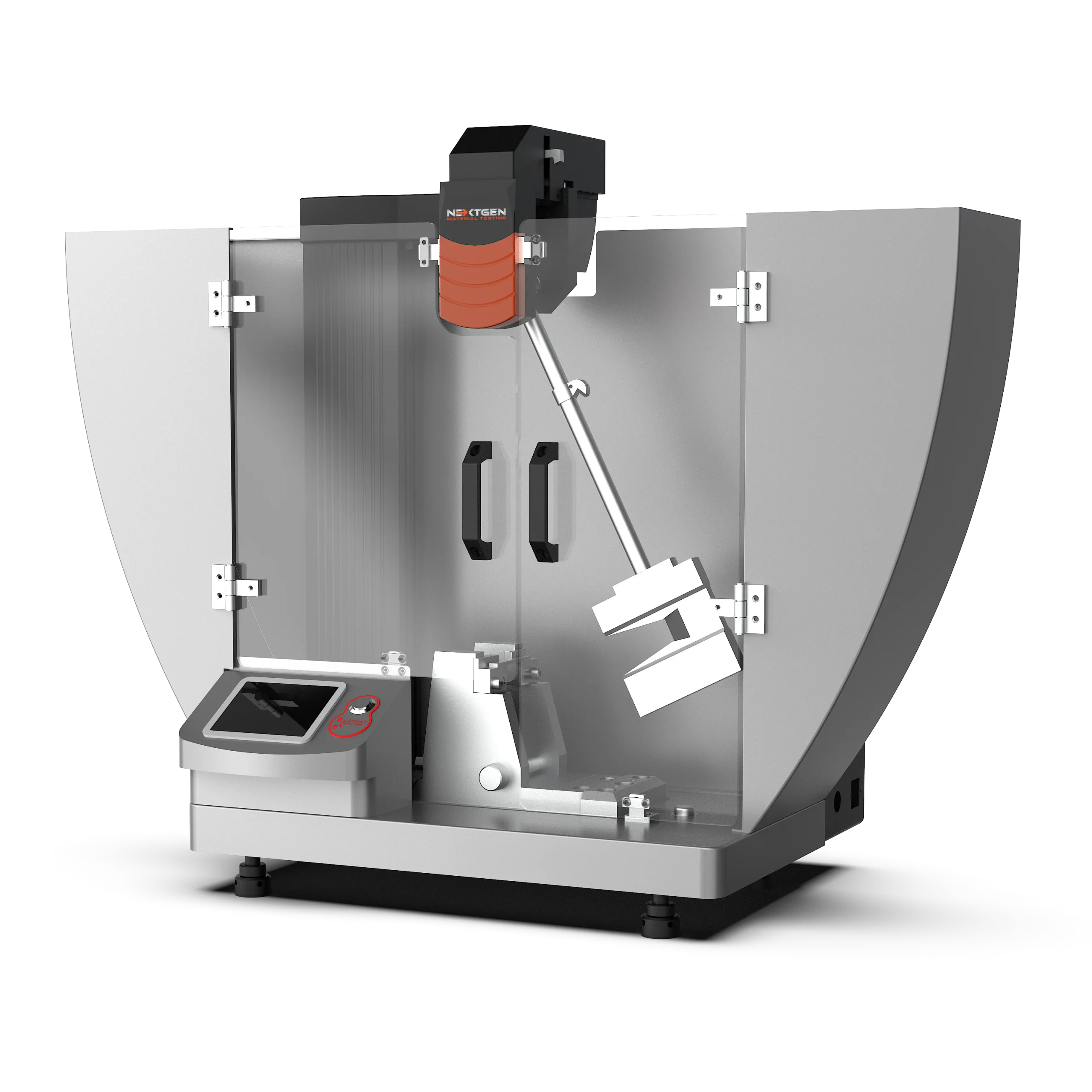
This chamber is most commonly paired with NextGen’s pendulum Charpy impact frames used for low-temperature Charpy workflows, where specimens are conditioned to a controlled setpoint and then transferred directly to the impact tester for the break.

In day-to-day QC and lab use, the most frequent pairings are the Class D Single-Column Charpy Impact Tester and the Class G Single-Column Charpy and Izod Impact Tester. For higher-energy Charpy programs or more advanced system configurations, labs also pair the NG-ISCC with the Class H Servo-Motor Dual Column Charpy Impact Tester. For lower-energy Charpy and Izod testing, the Class J Charpy and Izod Automatic Impact Testing System is another common match.

If you want to confirm the best pairing for your specimen type, target temperature, and throughput, please learn more or request a quote.

These items are typically configuration-dependent. The chamber can be supplied with the specimen handling accessories you need, but racks, baskets, and transfer tongs are often selected to match your specimens, your workflow, and how you transfer conditioned Charpy samples to the impact tester.

Most labs choose the accessory set based on a few practical factors:

  • Specimen geometry and quantity per batch, which drives rack or basket style.
  • Target temperature and safety practices, especially for ultra-low conditioning where dedicated transfer tongs help minimize handling risk.
  • Transfer distance and timing from chamber to pendulum impact frame, so specimens stay within the intended test temperature window.

If you want to confirm what is supplied for your exact NG-ISCC configuration, including the right rack or tong style for your specimens, review learn more and send the details through request a quote.

Select a heating and cooling GenChamber when your Charpy or Izod workflow requires both sub-zero conditioning and elevated-temperature conditioning in one system. The NG-ISCC Series is primarily a low-temperature conditioning chamber for Charpy specimens, with model-dependent ranges that cover sub-zero setpoints down to ultra-low temperatures and up to about +30°C.

GenChamber is typically the better fit when you need:

  • Conditioning above ambient for hot-temperature impact testing, up to +100°C.
  • One setup that supports both cooling and heating cycles for the same lab or program.
  • Compressor-based cooling for low-temperature work down to around -80°C, without relying on liquid nitrogen.

Stay with the NG-ISCC when your test plan includes colder conditioning targets, such as -100°C or -196°C, since those models are specifically configured for deeper sub-zero conditioning, including liquid nitrogen-cooled versions.

If you want to confirm the right chamber based on your required temperature points, specimen flow, and utilities, start with learn more and then request a quote for a configuration recommendation.

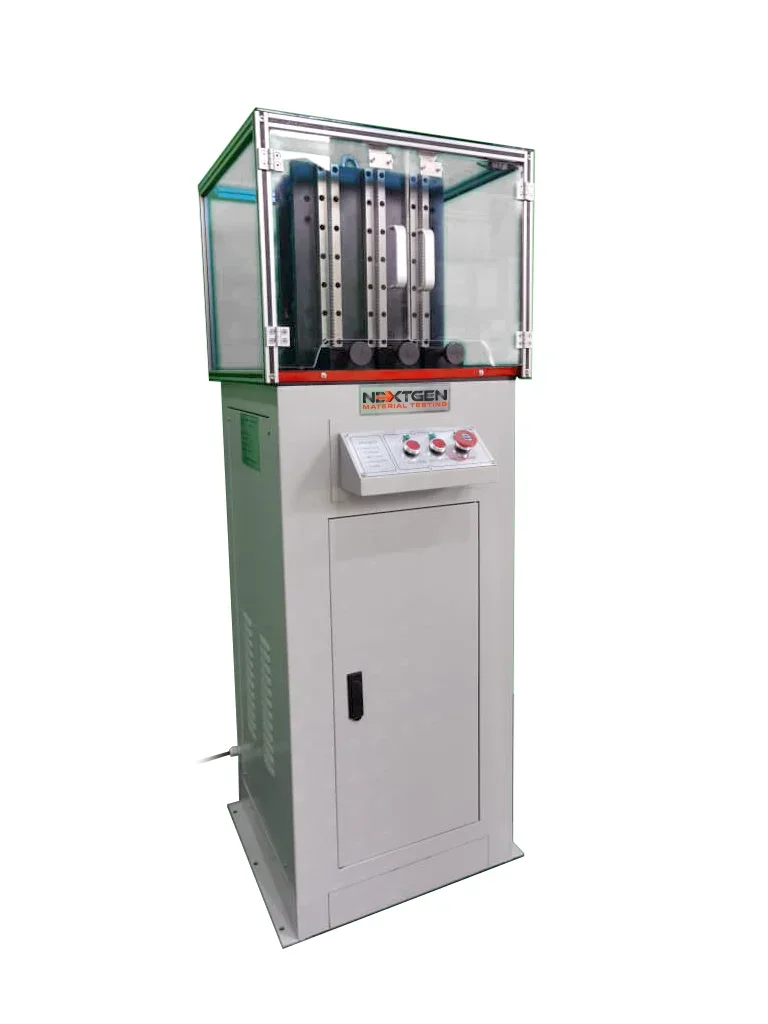
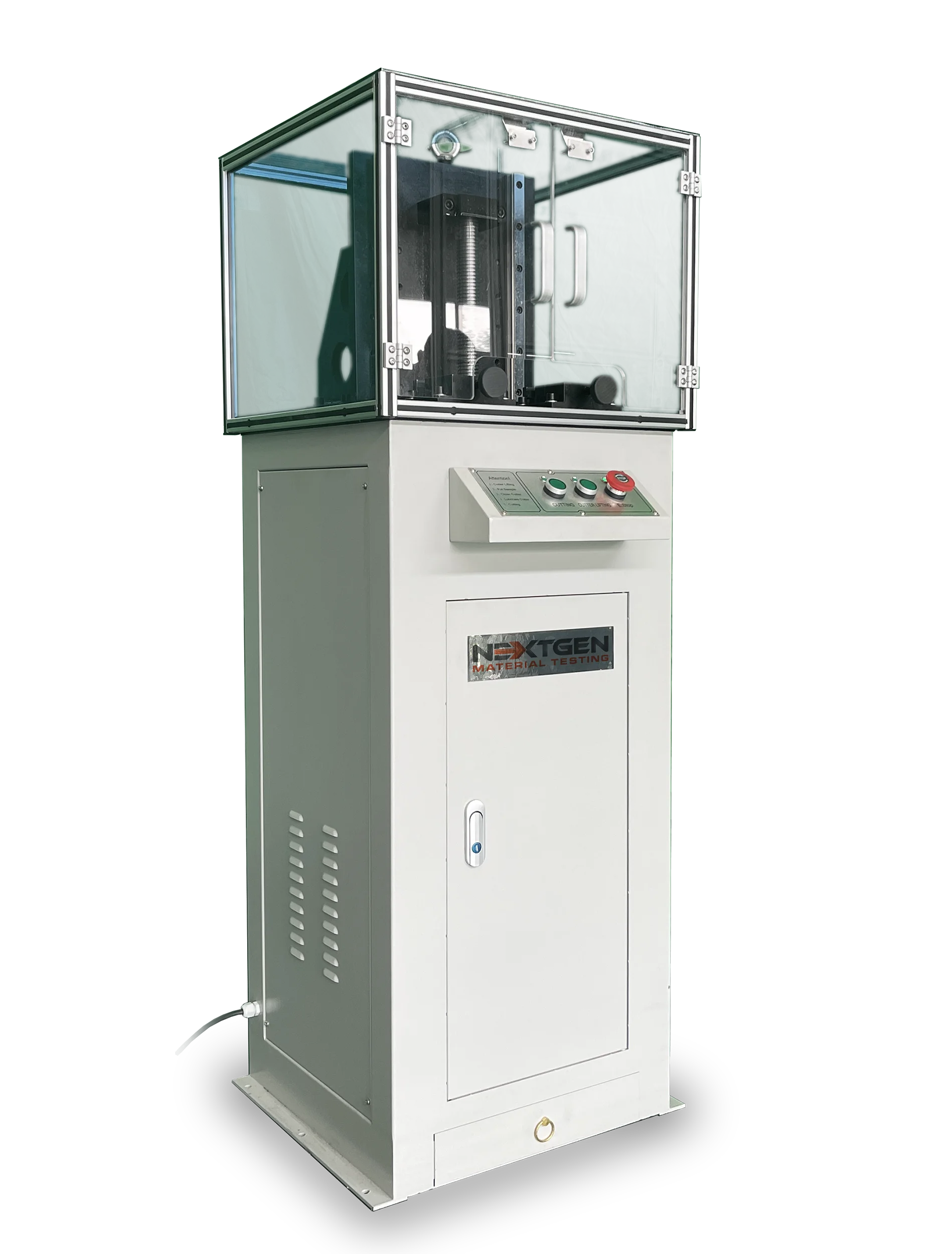
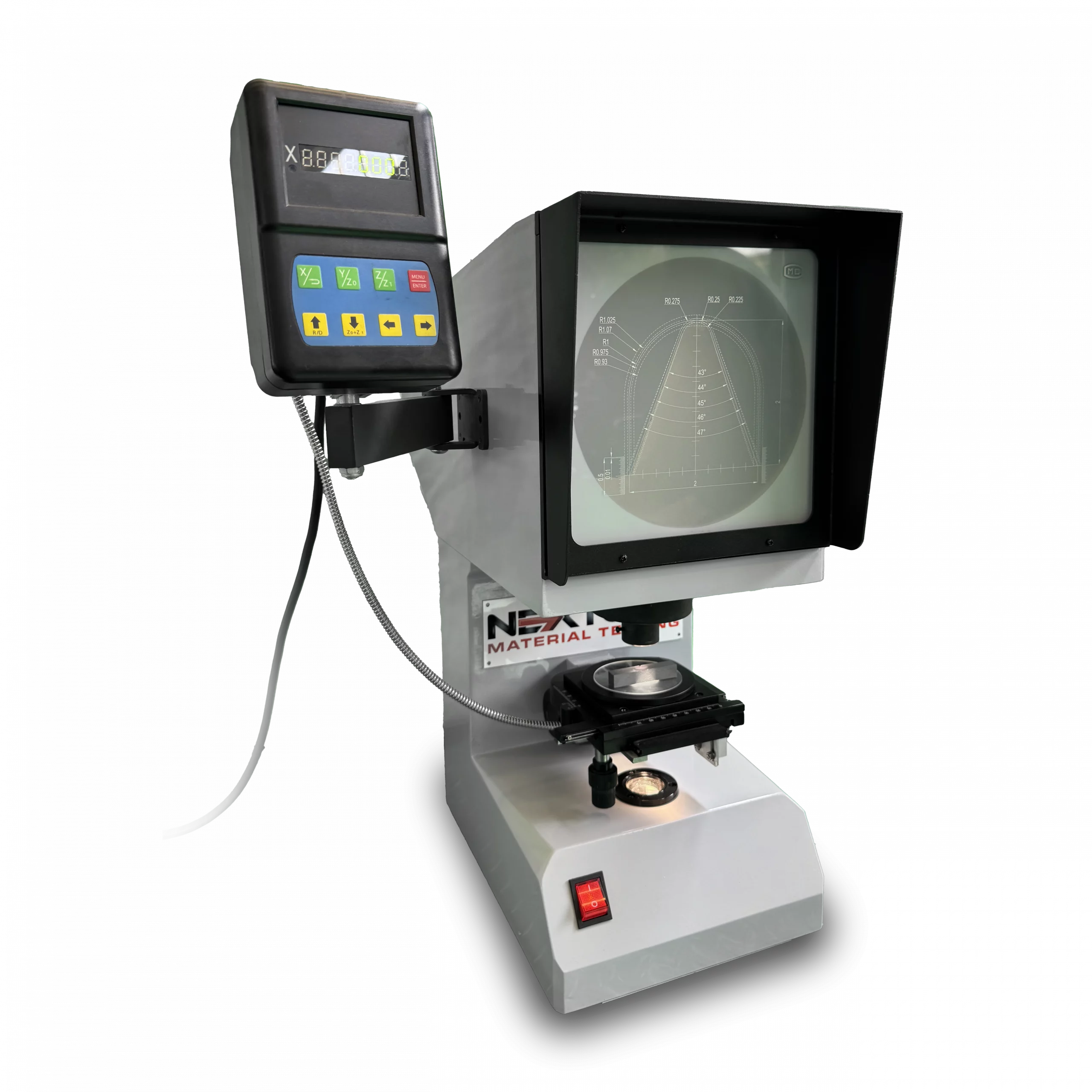
For a well-controlled Charpy program, the most reliable approach is to use a dedicated specimen notching and broaching machine to cut consistent V and U notches, then confirm the notch geometry on an optical notch verification system before testing. This combination reduces operator-to-operator variation and helps keep your impact results tied to the notch requirements of your Charpy method.

In practice, labs typically standardize on tools like these:

  • A motorized Charpy/Izod notching and broaching machine with the correct broaching knives for your required notch type.
  • A notch verification projector or optical comparator system that lets you align the specimen and compare the projected notch profile to certified reference templates.
  • Spare notching and broaching knives so you can maintain consistency after knife changes and routine wear.

A good habit is to verify notch profile at setup, after any knife replacement, and whenever you see unexpected shifts in absorbed energy or fracture appearance.

If you want to confirm the right notch-making and verification setup for your specimen geometry and Charpy method, learn more, learn more, or request a quote.

This chamber is built around accurate setpoint control and clear temperature monitoring during Charpy specimen conditioning. Temperature logging, setpoint “recipe” programming, and USB data export are typically controller-dependent features, so they are best treated as configuration options tied to your documentation and workflow needs.

For impact testing labs, the right controller features usually depend on how you plan to prove temperature stability and soak conditions before transfer to the pendulum impact tester, especially when you are running multiple conditioning temperatures in a shift.

When specifying logging or export, a few details usually drive the best fit:

  • Whether you need a time-stamped temperature history for QA records
  • How many setpoints or programs you want to store for repeat runs
  • Your preferred data-handling method, USB file export versus manual recording
  • Any internal restrictions on removable media or file formats

If you want to confirm the right controller configuration for your reporting and traceability needs, use learn more and send your requirements to request a quote.

Integration with an external temperature logger or a laboratory LIMS is typically achieved either by using an independent logger to capture the specimen soak temperature, or by connecting to the chamber’s control system if a direct data handoff is required. The best approach depends on how you need to store, time-stamp, and audit temperature records for your Charpy workflow.

This chamber is built around a precision temperature controller and sensor for monitoring and maintaining the conditioning setpoint. For traceable documentation, many QC labs place a calibrated probe in the working area or cooling medium, record the soak profile with their preferred logger, then link that record to the impact test report.

When specifying an interface, we typically confirm:

  • whether you need live data transfer or file-based temperature records
  • your LIMS import format and audit trail expectations
  • whether you require an independent, calibrated sensor separate from the controller sensor

If you want to confirm the right integration path for your logger or LIMS, review the chamber details under learn more and send your data requirements through request a quote.

For NG-ISCC configurations that use liquid nitrogen cooling, safe operation is typically achieved by combining controlled LN2 delivery to the chamber with facility-level safeguards that prevent cryogenic splash hazards and reduce oxygen displacement risk from nitrogen boil-off.

In practice, the most important protections are usually tied to how the LN2 supply is implemented, including secure, insulated transfer plumbing, stable supply control hardware, and correctly rated pressure relief on the LN2 source. The exact safety package depends on your LN2 supply method, the chamber placement, and your lab’s operating procedure for loading and transferring Charpy specimens.

Most labs also implement additional ODH and handling controls such as:

  • Dedicated ventilation or verified air exchange in the chamber area
  • Oxygen depletion monitoring with audible and visual alarms
  • Cryogenic PPE and documented handling steps for filling and specimen transfer
  • Clearance and housekeeping rules to avoid ice buildup and trip or slip hazards

If you want to confirm the right LN2 interface, ventilation, and ODH approach for your site and workflow, learn more and request a quote.

This chamber is built around closed-loop temperature control using a high-precision controller and a platinum–iridium temperature sensor, and it can be specified with protective functions such as over-temperature limiting, low-level or low-supply monitoring, and sensor-fault alarm logic. The exact protections integrated on your system depend on the NG-ISCC model and the control and utility configuration selected.

Protection needs typically vary based on the cooling approach, since compressor-cooled models and liquid-nitrogen models manage different risk scenarios during low-temperature conditioning and soak prior to Charpy impact testing.

When you are confirming protections for ASTM E23 and ISO 148 workflows, the most common items to review are:

  • Independent over-temperature limit and shutdown behavior
  • Low bath level (cooling medium) or low LN2 supply condition handling, depending on model
  • Temperature sensor fault detection and the associated alarm and safe-state response

If you want to confirm the right protection package for your method and how you plan to run the chamber, review learn more and request a quote with your target temperature, cooling method preference, and whether the unit will run unattended.

For the compressor-based NG-ISCC models, routine maintenance is mainly preventive housekeeping that keeps cooling performance stable and helps you hold repeatable specimen conditioning temperatures. In day-to-day use, focus on cleanliness, airflow, and regular checks of the cooling medium and seals.

Because these chambers use a non-freezing liquid medium such as ethanol, good practice is to keep the fluid clean, at the correct level for your workload, and free of moisture or debris. Labs also typically perform periodic temperature verification checks to support consistent Charpy specimen soak conditions before transfer to the impact tester.

Common routine checks include:

  • Wipe down the interior and remove residue after spills.
  • Inspect the door or lid seal for damage, frost buildup, or poor closure.
  • Check the cooling medium condition and top up or replace as needed.
  • Keep the condenser air path clear, clean dust from intake areas, and maintain clearance around the unit.
  • Confirm controller stability and sensor readings with your lab’s verification routine.

If you want to confirm the right maintenance checklist for your setpoints, usage rate, and site conditions, learn more or request a quote for the configuration you are running.

Verify temperature accuracy at commissioning, after any relocation, and any time the chamber has been serviced, adjusted, or shows behavior that could affect specimen conditioning. After that, set a routine verification interval that matches your Charpy method requirements and your lab’s quality system, then recalibrate whenever the verification check indicates drift outside your acceptance criteria.

In practice, field verification is typically done by comparing the chamber’s indicated temperature to a traceable reference sensor placed where specimens are conditioned, then checking stability at the setpoints you actually run. This is especially important when you rely on tight control for Charpy conditioning, since the NG-ISCC Series is built around a self-adjusting controller and a temperature sensor to maintain consistent setpoints.

You may want to shorten your verification interval when any of the following apply:

  • High test volume or frequent door openings
  • Regular operation at the coldest setpoints for your model
  • Audited work, customer flowdowns, or critical weld procedure qualification programs
  • Any change to the cooling medium, loading pattern, or operating practices

If you want to align your verification and recalibration plan to your exact NG-ISCC model and your ASTM E23 or ISO 148 workflow, use learn more and request a quote.

To prevent contamination and ice or slush build-up in the cooling bath, focus on keeping water and shop-floor debris out of the cooling medium and minimizing how long the chamber is left open during specimen loading and unloading. Clean handling and consistent bath maintenance typically make the biggest difference in temperature stability and repeatability.

Good day-to-day practices include:

  • Use a clean, non-freezing cooling medium recommended for your workflow, and keep containers and funnels dedicated to that fluid.
  • Keep specimens dry and free of coolant, cutting fluids, oil, or fingerprints before conditioning.
  • Limit lid or door open time to reduce humid air entry that can drive frost and water contamination.
  • Use clean tongs or gloves, and avoid placing shop rags, paper towels, or unclean fixtures near the bath opening.
  • Wipe down racks, baskets, and contact surfaces on a routine schedule so debris does not migrate into the bath.

For ongoing control, set a simple change-out and inspection routine based on how often you run tests and how humid the area is. If you see cloudiness, particulates, or unexpected temperature behavior, it is usually time to clean the bath area and refresh the cooling medium.

If you want to confirm the best coolant, handling workflow, and maintenance routine for your NG-ISCC configuration and your Charpy conditioning method, please learn more or request a quote.

This chamber is supported through NextGen’s stocked consumables and spares approach, which is intended to speed up replacements and reduce downtime when service items are needed.

Because the NG-ISCC Series is offered in multiple models and cooling approaches, the exact spare sensor and controller components are typically matched to your specific configuration, including the selected temperature conditioning target and whether the unit is compressor-cooled or liquid-nitrogen cooled.

Seal and gasket needs are usually driven by day-to-day wear, frost control practices, and how frequently the door is cycled in production conditioning. Many labs also choose to keep a small “downtime kit” on the shelf for critical wear items to avoid schedule impact on ASTM E23 and ISO 148 workflows.

If you want to confirm the right spare-part set for your exact NG-ISCC configuration and your turnaround expectations, use learn more or contact us.

On-site installation and basic operator training can be provided for the NG-ISCC as part of NextGen’s service offerings, so your team can get the chamber set up correctly and start conditioning Charpy specimens with confidence.

Typical on-site installation support includes setting the system up at your facility, completing the required physical and electrical connections, installing and checking any supplied peripheral fixtures and transducers, and verifying proper instrument operation. On-site calibration is not part of the standard installation scope.

Operator training is typically delivered as an on-site introduction for up to three operators and is focused on safe, correct day-to-day operation of the supplied system, including:

  • Safety awareness and general testing precautions
  • Review of major system components
  • How to mount and use the fixtures and accessories included with your order
  • Basic orientation to any NextGen control software, plus power-up and shutdown procedures
  • Access to operating documentation and supporting materials for trainees

If you want to confirm what’s included for your site and NG-ISCC model, learn more and request a quote, or contact us to schedule installation and training.

Remote technical support is available to help with controller setup and troubleshooting for this chamber. Our team can work with you by phone and email to walk through initial controller setup, verify correct operation, and resolve common temperature-control or operation issues.

Because this system uses a self-adjusting temperature controller with a precision temperature sensor, most setup questions can be handled efficiently by reviewing your setpoint, controller parameters, sensor feedback, and the specimen conditioning workflow. Troubleshooting steps can also vary depending on whether your unit is a refrigeration-based model or a liquid nitrogen model.

To speed up remote troubleshooting, it helps to have:

  • Your chamber model and serial number
  • Your target temperature and the symptoms you are seeing
  • Any controller messages, plus photos of the controller screen if possible

If you’re troubleshooting a controller issue or want help validating your setup before production testing, use the product page to learn more and reach our team via contact us.

This impact specimen cooling chamber is supplied with a comprehensive warranty that covers the entire instrument, with a minimum 12-month warranty period starting on the day the unit is delivered.

Coverage applies from the time the system leaves NextGen’s facility and is intended to protect you against defects in materials and workmanship across the chamber and its supporting controls.

Warranty coverage does not apply to consumables, and claims may be denied when issues are traced to buyer-caused factors such as modification, improper maintenance, misuse, or abuse.

In addition to the base warranty, NextGen also supports long-term ownership with ongoing after-sales assistance and a lifetime service commitment to supply spare parts and accessories.

If you want to confirm the exact warranty terms for your NG-ISCC configuration and any extended coverage options, please learn more or request a quote.

Common consumables and replacement parts for this system are supported through a stocked spares program, so many routine items can be turned around quickly once the part number and quantity are confirmed.

Actual delivery time depends on a few practical details, including which NG-ISCC model you have, what temperature target you run, and where the shipment is going. Order timing can also be influenced by whether the request is for a standard wear item versus a specialized assembly, and whether any special shipping handling is needed.

To minimize downtime, it helps to share your chamber model (NG-ISCC-60, -80, -100, or -196), serial number, and a brief description of the item you need, along with your preferred carrier and delivery requirements.

If you want to confirm stock status and the fastest ship option for your facility, use the product page to learn more and submit your parts list to request a quote.

Long-term support can be set up through NextGen, including ongoing service help and annual calibration support. Many labs choose to formalize this as a recurring calibration and service arrangement so the equipment stays consistent for audit and quality requirements.

For temperature conditioning systems used ahead of Charpy impact testing, the right plan is typically driven by your internal calibration interval, required documentation, and how tightly you control specimen soak and transfer procedures. NextGen supports annual calibrations through accredited ISO laboratories for instruments that require it.

Beyond calibration, NextGen also supports the full lifecycle around the equipment, including warranty support and technical assistance when you need troubleshooting, adjustments, or guidance on maintaining stable conditioning performance.

If you want to confirm the best service and calibration approach for your NG-ISCC chamber and your Charpy workflow, use learn more and request a quote, or reach out to contact us.

Related Products

TensileMill CNC MICRO – Compact Flat Tensile & Impact Specimen Preparation Machine

TensileMill CNC MICRO – Compact Flat Tensile & Impact Specimen Preparation Machine

The TensileMill CNC MICRO is a compact 2-axis machine for flat tensile and impact specimen preparation. Offered by NextGen Material Testing in partnership with TensileMill CNC, it brings precise and repeatable sample prep to labs and QA environments. Its 15.6-inch touchscreen and guided software make operation simple, even for non-machinists. The system is designed for metals, plastics, and composites, with support for standard and custom specimen geometries. With a small footprint and turnkey layout, the MICRO fits easily into modern laboratory workflows.

Read more

Class H - Servo-Motor Dual Column Charpy Impact Tester - 300J, 450J, 600J or 750J

Class H - Servo-Motor Dual Column Charpy Impact Tester - 300J, 450J, 600J or 750J

NextGen's Class H – Servo-Motor Dual Column Charpy Impact Testing system offers of an exceptional combination of versatility and robust build. This impact system provides our most durable options designed with a dual column configuration. The system offers the ultimate versatility of testing 300J (212 ft/lbs), 450J (332 ft/lbs), 600J (442 ft/lbs) and a maximum of 750J (553 ft/lbs) capacities based on both Charpy and Izod test methods. The unit comes standard equipped with a servo motor and is designed to test at any preset angle. The unit comes standard with all the functions of our Class G tester as well as enhanced functionality upgrade of a force transducer inside the strikerwhich enables the determination of characteristic force, energy and displacement parameters such as pre-maximum force energy (Wm), the post maximum force energy, the general yield force (Fgy), the force at brittle fracture initiation (Fbf) and the arrest force (Fa).

Read more

TensileMill CNC Classic Upgrade – Flat Tensile and Charpy/Izod Impact Specimen Preparation System

TensileMill CNC Classic Upgrade – Flat Tensile and Charpy/Izod Impact Specimen Preparation System

The TensileMill CNC Classic Upgrade is a hybrid CNC system for preparing standardized flat tensile and Charpy/Izod impact test specimens in-house. It supports ASTM E8, ASTM E23, ISO, DIN, and JIS geometry formats and provides stable machining accuracy for consistent batch-to-batch results.

Read more

Automatic Longitudinal Polisher System for Tensile Specimens – NG-AutoPol

Automatic Longitudinal Polisher System for Tensile Specimens – NG-AutoPol

The NG-AutoPol Automatic Longitudinal Polisher System by NextGen Material Testing Inc. is engineered to minimize grinding stress and residual surface stress that often remain after initial machining operations such as turning or milling. This advanced machine delivers precise longitudinal polishing […]

Read more

NG-EML Series A – Single Column Bench Top Universal Testing Machine (50 N – 5 kN)

NG-EML Series A – Single Column Bench Top Universal Testing Machine (50 N – 5 kN)

The NG-EML Series A – Single Column Bench Top UTM (50 N–5 kN) is a precision electromechanical system designed for tension, compression, and flexural testing of low-force specimens. Featuring GenTest™ software, a high-speed servo drive, Class 0.5 accuracy, and USB/Ethernet control, this compact tabletop unit supports ASTM, ISO, and EN standards. Ideal for testing plastics, rubber, foams, films, composites, and thin metals.

Read more

Alignment Device <br> (NADCAP-Ready Precision Fixture)

Alignment Device
(NADCAP-Ready Precision Fixture)

NextGen Material Testing’s Alignment Device is a precision-engineered fixture designed to ensure perfect axial alignment in universal testing machines.

Read more

G-800E Trinocular Metallurgical Microscope

G-800E Trinocular Metallurgical Microscope

This inverted metallurgical trincoular microscope is ideal for both industrial or educational metallurgy applications.

Read more

Class D Single-Column Charpy Impact Tester – High-Precision Pendulum Testing Machine

Class D Single-Column Charpy Impact Tester – High-Precision Pendulum Testing Machine

NextGen’s Class D Single-Column Charpy Impact Testing System is built for high rigidity and dependable specimen testing across a wide energy range. It supports impact energies from around 150 J (111 ft-lbs) up to around 750 J (553 ft-lbs), covering most standard metal testing needs. The unit includes a digital display and offers a software upgrade option for data plotting. Additional features, such as automated specimen feeding and integrated cooling or heating systems, are available as optional enhancements.

Read more

Class G Single-Column Charpy & Izod Impact Tester – High-Precision Pendulum Testing Machine

Class G Single-Column Charpy & Izod Impact Tester – High-Precision Pendulum Testing Machine

NextGen's Class G – Single Column Charpy and Izod Impact Testing system provides a high level of rigidity and specimen testing capacity. This Charpy and Izod Impact tester has a minimum capacity of 150 J (111 ft/lbs) and a maximum capacity of 750 J (553 ft/lbs). The system comes standard with a digital display with software upgrade function for data plotting. The Class G impact system can also include automatic specimen feeding, cooling and heating systems as optional upgrades.

Read more

Class J - Charpy and Izod Automatic Impact Testing System - 1J - 50J

Class J - Charpy and Izod Automatic Impact Testing System - 1J - 50J

Class J is widely used for lzod and Charpy impact test on softer metals, plastics and rubber specimens. Equipped with tensile impact pendulum and fixtures, it can carry on tests on plastic film and sheet. The newly enhanced design offers the most cost-effective configuration to address Charpy test from 1J to 50J (0.7 - 37 ft/lbs), and lzod test from 1J to 22J (0.7 - 16 ft/lbs).

Read more

DWT-1800 Computer Controlled Drop Weight Impact Testing Machine

DWT-1800 Computer Controlled Drop Weight Impact Testing Machine

DWT-1800 Impact Testing Machine is specifically designed for determining the non-plastic transformation temperature of ferritic steel.

Read more

GenCut GL100M – Precision Manual Metallographic Sample Cutting Machine with Simple User-Friendly Operation and Large Cutting Capacity Φ100mm

GenCut GL100M – Precision Manual Metallographic Sample Cutting Machine with Simple User-Friendly Operation and Large Cutting Capacity Φ100mm

Introducing the GenCut GL100M Manual Cutting Machine, expertly designed for precision metal sample cutting.

Read more

GenCut GL350 – Precision Metallographic Sample Cutting Machine with Simple User-Friendly Operation and Large Cutting Capacity Φ100mm

GenCut GL350 – Precision Metallographic Sample Cutting Machine with Simple User-Friendly Operation and Large Cutting Capacity Φ100mm

The GenCut GL350 is a cutting-edge high precision cutting machine equipped with advanced features and capabilities

Read more

GenCut GL80A  – Precision Metallographic Sample Cutting Machine with Simple User-Friendly Operation and Large Cutting Capacity Φ80mm

GenCut GL80A – Precision Metallographic Sample Cutting Machine with Simple User-Friendly Operation and Large Cutting Capacity Φ80mm

Introducing the GenCut GL80A, a highly precise cutting machine offering both automatic and manual work modes.

Read more

GenCut GL 170XY – Multi Function Abrasive Cut Off Saw with Touch Screen User Friendly Interface and Large Cutting Capacity – Φ170mm

GenCut GL 170XY – Multi Function Abrasive Cut Off Saw with Touch Screen User Friendly Interface and Large Cutting Capacity – Φ170mm

The GenCut GL 170XY has a large 170mm diameter maximum cutting capacity equipped with a fully automated XY table.

Read more

GenCut GL 120XY – Multi Function Abrasive Cut Off Saw with Touch Screen User Friendly Interface and Large Cutting Capacity Φ120mm

GenCut GL 120XY – Multi Function Abrasive Cut Off Saw with Touch Screen User Friendly Interface and Large Cutting Capacity Φ120mm

The GenCut GL 120XY has a large 120mm diameter maximum cutting capacity equipped with a fully automated XY table.

Read more

GenCut GL200E – High Speed Automatic Precision Metallographic Cutter with User-Friendly Touch Screen Interface with max. cutting diameter of 60mm

GenCut GL200E – High Speed Automatic Precision Metallographic Cutter with User-Friendly Touch Screen Interface with max. cutting diameter of 60mm

GenCut GL 200E precision cutting machine includes a touch screen and PLC control, with stable performance and real-time display parameters.

Read more

GenCut GL100E – Low Speed Precision Metallographic Automatic Cutter with User-Friendly Touch Screen Interface with max. cutting diameter of 25mm

GenCut GL100E – Low Speed Precision Metallographic Automatic Cutter with User-Friendly Touch Screen Interface with max. cutting diameter of 25mm

GenCut GL100E low speed series metallographic precision cutter has variable speed control from 50-1000 rpm.

Read more

GenGrind N Series 8” 200S / 10

GenGrind N Series 8” 200S / 10" 250S / 12" 300 S - Advanced Metallographic Grinder & Polisher - Variable Speed 50-1000rpm –Touch Screen Controlled

Introducing the GenGrind N Series metallographic grinders and polishers, offered in sizes 8", 10", or 12" diameter.

Read more

GenPress MFA Dual HYD Fully Automatic Dual Hydraulic Mounting Press – Hydraulic Controlled – 1-2” (25-50mm) Mold Assembly (other sizes available upon request)

GenPress MFA Dual HYD Fully Automatic Dual Hydraulic Mounting Press – Hydraulic Controlled – 1-2” (25-50mm) Mold Assembly (other sizes available upon request)

GenPress MFA DUAL HYD Metallographic Sample Preparation is an advanced automatic mounting press for compression mounting of material samples

Read more

GenPress MFA MOT - Fully Automatic Motorized Mounting Press – Motor Controlled – 1-2” (25-50mm) Mold Assembly (other sizes available upon request)

GenPress MFA MOT - Fully Automatic Motorized Mounting Press – Motor Controlled – 1-2” (25-50mm) Mold Assembly (other sizes available upon request)

GenPress MFA MOT mounting press system frees the operator to perform other tasks in the laboratory during the cycle allowing better efficiency

Read more

GenPress MFA HYD - Fully Automatic Hydraulic Mounting Press – Hydraulic Controlled – 1-2” (25-50mm) Mold Assembly

GenPress MFA HYD - Fully Automatic Hydraulic Mounting Press – Hydraulic Controlled – 1-2” (25-50mm) Mold Assembly

GenPress Mounting Press for Metallographic Sample Preparation is an advanced automatic mounting press for compression mounting of material sample

Read more

Triple Specimen Chamber Motorized Charpy Notch Making Machine

Triple Specimen Chamber Motorized Charpy Notch Making Machine

The GenNotch 4000UPG Series is a motorized Charpy & Izod Notch Making Machine with a triple specimen chamber.

Read more

NextGen GenTor Horizontal Torsion Tester

NextGen GenTor Horizontal Torsion Tester

NextGen GenTor Torsion Tester boasts a horizontal type load frame with high stiffness, ensuring accurate and reliable test results.

Read more

Specimen Notching/Broaching Machine

Specimen Notching/Broaching Machine

NextGen offers an economical solution for Specimen notching and broaching for Charpy and Izod specimens. This certified system complies with ASTM ISO148, EN10045, ASTM E23, DIN 50115 standards. This automated, motorized solution is capable of preparing two specimens at any one given time up to 46 HRC. A variety of broaches are available for different geometries of notches.

Read more

NG-EML Series B – Dual Column Bench Top Universal Testing Machine (100 N – 10 kN)

NG-EML Series B – Dual Column Bench Top Universal Testing Machine (100 N – 10 kN)

The NG-EML Series B is a high-precision dual-column benchtop universal testing machine engineered for tensile, compression, and flexural testing in the 0.1 kN to 10 kN range. It features Class 0.5 accuracy, a rigid FEM-optimized frame, and a direct-drive servo system with advanced closed-loop control, making it ideal for testing rubber, plastics, metals, composites, and high-performance polymers in both R&D and quality assurance settings.

Read more

NG-EML Series C – Dual Column Bench Top and Floor Standing Universal Testing Machine (5 kN – 50 kN)

NG-EML Series C – Dual Column Bench Top and Floor Standing Universal Testing Machine (5 kN – 50 kN)

The NG-EML Series C is a precision-engineered dual-column universal testing machine for tension, compression, and flexural testing of metals, composites, rubbers, and polymers. Available in both bench-top and floor-standing formats, with force capacities from 5 kN to 50 kN and Class 0.5 accuracy.

Read more

NG-EML Series D – Floor Standing Universal Testing Machine (50 kN – 1000 kN)

NG-EML Series D – Floor Standing Universal Testing Machine (50 kN – 1000 kN)

The NG-EML Series D – Floor Standing Universal Testing Machine (50 kN–1000 kN) is a dual-column system for tensile, compression, flexural, shear, and cyclic testing of high-strength metals, composites, polymers, and advanced materials. Available in single-space and dual-space configurations, it meets ASTM E8, ISO 6892-1, ISO 527, and GB/T 228 standards. With closed-loop control, 1200 Hz sampling, ultra-low speeds (0.00005 mm/min), and waveform generation, it is ideal for aerospace, automotive, construction, and research labs.

Read more

Grips and Fixtures for NextGen Universal Testing Machines (UTMs)

Grips and Fixtures for NextGen Universal Testing Machines (UTMs)

NextGen's grips and fixtures are precision-engineered accessories that transform universal testing machines into versatile systems capable of tensile, compression, flexural, shear, and other mechanical tests. Designed to meet ASTM and ISO standards, these components ensure accurate, repeatable results across various materials and applications.

Read more

GenTest – Advanced UTM Testing Software

GenTest – Advanced UTM Testing Software

GenTest Software provides test control and data acquisition for universal testing machine workflows used in quality control and materials testing. It combines method templates, step-based sequencing, live curve monitoring, and built-in calculations in one environment. The software supports standards-based testing programs aligned with ASTM, ISO, DIN, EN, and BS. Results and reports remain linked to the method and specimen inputs for consistent review, auditing, and customer documentation.

Read more

NG - LeebGen 3000 - Leeb Rebound Portable Hardness Tester

NG - LeebGen 3000 - Leeb Rebound Portable Hardness Tester

LeebGen3000 is a non-destructive precision metal hardness tester developed according to the latest industry standards. LeebGen 3000 is equipped with features which provide the instrument with a combination of a user-friendly interface and exceptional test result accuracy. This in turn allows for ease of operation and an accurate conversion display of virtually any metal hardness testing value.

Read more

GenVac MP3 Series - Epoxy Mounting Vacuum Impregnation System for Metallographic Sample Preparation

GenVac MP3 Series - Epoxy Mounting Vacuum Impregnation System for Metallographic Sample Preparation

Experience our enhanced version of the GenVac MP Series. Our user-friendly touch screen interface along with automatic unit conversion and memory modes holds the title of one of the most advanced systems in the marketplace.

Read more

TensileTurn CNC – Classic Upgrade – Round Tensile Specimen Preparation Machine

TensileTurn CNC – Classic Upgrade – Round Tensile Specimen Preparation Machine

The TensileTurn CNC – Classic Upgrade is engineered specifically for preparing round tensile specimens with controlled gauge dimensions and stable repeatability. The system allows operators to select standardized geometry from ASTM, ISO, or DIN libraries or input custom parameters when required. Materials up to 55 HRC can be processed, including common engineering metals and specialty alloys used in research and production. Its compact footprint and guided interface support both experienced machinists and users without CNC backgrounds.

Read more

Ultrasonic Contact Impedance Hardness Tester - UH200

Ultrasonic Contact Impedance Hardness Tester - UH200

Welcome to our most advanced and cost-effective Ultrasonic Hardness Testing System. This portable machine is all you need and more!

Read more

TensileTurn CNC – Industrial Upgrade – Round Tensile Sample Preparation Machine

TensileTurn CNC – Industrial Upgrade – Round Tensile Sample Preparation Machine

The TensileTurn CNC – Industrial Upgrade Model is a compact round tensile specimen preparation system designed for accurate and repeatable machining results. Operators can select specimen dimensions from preloaded ASTM, ISO, and DIN standard libraries or enter custom parameters directly through the touchscreen interface. The system supports a wide range of materials and specimen types, including standard round bars, button-head samples, and threaded tensile specimens. Its dedicated CNC control environment enables independent sample preparation without relying on external machine shop resources.

Read more

TensileMill CNC XL – Flat Tensile Specimen Preparation Machine

TensileMill CNC XL – Flat Tensile Specimen Preparation Machine

The TensileMill CNC XL – Flat Tensile Specimen Preparation Machine is an advanced CNC system built for accurate and repeatable flat specimen machining. Designed for high-volume testing environments, it supports ASTM E8, ASTM A370, ISO 6892-1, and DIN 50125 standards. Its powerful 5 hp spindle, Mach4-based Carbon™ control, and automatic tool changer deliver fast material processing across metals, polymers, and composites. The heavy cast iron frame ensures vibration-free precision, while the intuitive TensileSoft™ interface allows both trained and new operators to achieve consistent results.

Read more

NG-SHM CLASS DP - Servo Hydraulic Testing Machine

NG-SHM CLASS DP - Servo Hydraulic Testing Machine

600kN-2000kN - Servo-Hydraulic Universal Testing Machine - Side Action Wedge Grip 2/4 columns, servo-controlled hydraulic

Read more

NG-SHM Series A — Servo-Hydraulic Universal Testing Machines (300 kN – 3000 kN)

NG-SHM Series A — Servo-Hydraulic Universal Testing Machines (300 kN – 3000 kN)

NG-SHM Series A is a high-force servo-hydraulic UTM for static tensile and compression testing of metals. Capacity options from 300 to 3000 kN support oversized round and flat specimens beyond electromechanical limits. The dual-zone configuration enables tension on the upper head and compression on the lower platen without fixture changeover. GenTest software offers standards-based method libraries, real-time curves, automatic calculations, and exportable reports. The system is built for ASTM/ISO metal strength testing in heavy industrial and research environments.

Read more

NG-SHM Class D - Servo Hydraulic Universal Testing Machine

NG-SHM Class D - Servo Hydraulic Universal Testing Machine

600kN-2000kN - Servo-Hydraulic Universal Testing Machine 2/4 columns, servo-controlled hydraulic

Read more

NG-SHM Class C - Servo Hydraulic Testing Machine

NG-SHM Class C - Servo Hydraulic Testing Machine

600kN-1000kN - Servo-Hydraulic Universal Testing Machine 6 column, servo-controlled hydraulic

Read more

TensileMill CNC MINI – Compact Flat Tensile Specimen Preparation System

TensileMill CNC MINI – Compact Flat Tensile Specimen Preparation System

The TensileMill CNC MINI is a compact CNC system designed for preparing standardized flat tensile test specimens. It supports specimen geometries based on ASTM E8, ASTM A370 / E370, ISO 6892-1, DIN 50125, and JIS Z2201. The system uses a cast iron frame, linear guideways, and a guided TensileSoft™ interface to support consistent specimen dimensions. Operators can select preloaded standard profiles or enter custom dimensions directly into the control interface. The MINI is suitable for routine testing workflows, training environments, and production quality control applications.

Read more

Charpy/Izod Notch Verification Projector System NG-NPS-CIS

Charpy/Izod Notch Verification Projector System NG-NPS-CIS

Enhance your material testing accuracy with our advanced Charpy/Izod Notch Verification Projector System NG-NPS-CIS.

Read more

Impact Specimen Cooling and Heating Temperature Chamber – GenChamber

Impact Specimen Cooling and Heating Temperature Chamber – GenChamber

NextGen offers a full range of impact specimen cooling and heating chamber designed to meet virtually all Charpy, Izod and Tensile Impact Testing requirements. NextGen's temperature chambers are a combination of user-friendliness, compact and robust build, offering the ultimate versatility of cooling and heating requirements.

Read more

Drop Weight (Falling Weight Impact) Tester – NG-FWT1 & NG-FWT2 (Up to 2000 J)

Drop Weight (Falling Weight Impact) Tester – NG-FWT1 & NG-FWT2 (Up to 2000 J)

NG-FWT1 and NG-FWT2 are low-capacity vertical drop weight impact testers for controlled impact testing up to 2000 J. They let you set drop height, impact speed, and energy to reproduce repeatable real-world impact events. Operation is available via an integrated touchscreen with DROPTest-S or a PC with DROPTest-BASIC for advanced evaluation and data management. Optional instrumentation supports high-speed measurement up to 4 MHz for force and impact analysis. The platform can be expanded with temperature-controlled testing and robotic automation for higher throughput and consistency.

Read more

NG-SHM Class B - Servo Hydraulic Testing Machine

NG-SHM Class B - Servo Hydraulic Testing Machine

300kN-3000kN - Servo-Hydraulic Universal Testing Machine 6 column, servo-controlled hydraulic

Read more

GenTest v3.0 Software for Universal Testing Machines

GenTest v3.0 Software for Universal Testing Machines

GenTest Software is developed for testing facilities that require controlled execution on universal testing machines. The method-driven workflow keeps setup parameters, recorded data, calculations, and reporting connected in a single record. The software supports standards-based programs aligned with ASTM, ISO, DIN, EN, and BS and is used for tensile, compression, bending, and shear testing. It helps teams produce consistent results and documentation for QA/QC and customer reporting.

Read more

GenGrind Belt BF - Floor Standing Heavy Duty Dual Stage Belt Grinder for Metallographic Sample Preparation

GenGrind Belt BF - Floor Standing Heavy Duty Dual Stage Belt Grinder for Metallographic Sample Preparation

The GenGrind Belt BF Series is a heavy duty dual stage, wet or dry belt grinder offering a robust, floor standing solution for high volume manual belt grinding applications. GenGrind Belt BF - Heavy Duty Dual Stage Belt Grinder for metallographic sample preparation is designed for high material removal of various sample shapes and configurations.

Read more

GenGrind Belt BT - Dual Stage Tabletop Belt Grinder for Metallographic Sample Preparation

GenGrind Belt BT - Dual Stage Tabletop Belt Grinder for Metallographic Sample Preparation

The GenGrindBelt BT series is a dual stage, wet or dry table top belt grinder offering the most economical solution for manual grinding applications. The GenGrind BT - Dual Stage Belt Grinder for Metallographic Sample Preparation is designed for high material removal of various sample shapes and configurations. The BT - Belt Grinder system is a table top belt grinder suitable for laboratories designed for high material removal.

Read more

GenGrind FA-IC Dual Wheel Fully Automatic

GenGrind FA-IC Dual Wheel Fully Automatic

Introducing the GenGrind FA-IC, a state-of-the-art single-chip microcomputer controlled grinding and polishing machine.

Read more

GenVac MP Series - Epoxy Mounting Vacuum Impregnation System for Metallographic Sample Preparation

GenVac MP Series - Epoxy Mounting Vacuum Impregnation System for Metallographic Sample Preparation

GenVac MP2 - Vacuum Impregnator is designed for precision sample impregnation for porous materials. Common applications for vacuum impregnation systems include rocks and minerals, ceramics, electronic circuit boards and other composite materials.

Read more

Micro Vickers and Knoop Hardness Tester - Digital and Digital with CCD Optical Analysis Software

Micro Vickers and Knoop Hardness Tester - Digital and Digital with CCD Optical Analysis Software

NG-1000 Series
NextGen Micro Hardness testers provide solutions for Vickers and Knoop hardness testing with micro loads ranging from 10gf to 1kgf. The NG1000 series is available in Standard Digital, Digital and CCD configurations for Micro Vickers/Knoop testing.

Read more

Macro Vickers Hardness Tester - Standard Digital, Digital and Digital with CCD Optical Analysis Software

Macro Vickers Hardness Tester - Standard Digital, Digital and Digital with CCD Optical Analysis Software

NG-5000 Series
NextGen Macro Vickers Hardness testers are available with different load capacities and are available in Standard Digital, Digital or CCD configurations. With 5kgf, 10kgf, 30kgf and 50kgf maximum loads available, the NextGen Macro hardness testers can fit all of your Macro testing requirements.

Read more

BrinGen - 3000 Series - Digital Brinell and Automatic Brinell Hardness Tester - Closed Loop System

BrinGen - 3000 Series - Digital Brinell and Automatic Brinell Hardness Tester - Closed Loop System

BringGen 3000 is a digital and automatic Brinell testing system equipped with closed loop technology. The forces range from 62.5kgf to 3000kgf and are electronically controlled according to ASTM E10 for precise and repeatable measurements.

Read more

BrinGen Scope - Optically Advanced CCD Brinell Measuring Scope for Manual or Digital Brinell Hardness Testing System

BrinGen Scope - Optically Advanced CCD Brinell Measuring Scope for Manual or Digital Brinell Hardness Testing System

BrinGen Scope - is a Optically Advanced CCD Brinell Measuring Scope for Manual or Digital designed as Brinell Hardness Testing automatic scanning system. It is engineered to work with a computer or a laptop to make your testing program faster and more accurate. The Optical Brinell Scope is equipped with real-time result support.

Read more

NG-RockGen - Analogue Series Rockwell Hardness Tester - Manual and Electronic Models

NG-RockGen - Analogue Series Rockwell Hardness Tester - Manual and Electronic Models

The NG-RockGen Analogue Rockwell Hardness Tester is designed to test the hardness of metals by determining the depth of penetration of an indenter under a large load compared to the penetration made by a preload according to the Rockwell regular scales.

Read more

NG-RockGen DGEN Series - Digital Rockwell Hardness Tester - Rockwell Regular, Rockwell Superficial and Rockwell TWIN Digital Models

NG-RockGen DGEN Series - Digital Rockwell Hardness Tester - Rockwell Regular, Rockwell Superficial and Rockwell TWIN Digital Models

The NG RockGen Digital Series provides an automatic, digital, high accuracy solution to your Rockwell testing requirements. The Digital series is completely automated and is available in Rockwell Regular or Rockwell Superficial scale configurations.

Read more

GenRock NG-150 Series - Advanced Rockwell Hardness Tester - Manual and Automatic Rockwell Hardness Testing System

GenRock NG-150 Series - Advanced Rockwell Hardness Tester - Manual and Automatic Rockwell Hardness Testing System

The NG150 GenRock system can be equipped with a variety of accessories to meet all of your hardness testing requirements. A fully motorized stage, Jominy accessories and a wide variety of specimen fixtures are available to configure the NG150 RockGen system to meet your application.

Read more

NextGen Telebrineller Brinell Hardness Testing System

NextGen Telebrineller Brinell Hardness Testing System

The Telebrineller Brinell Hardness Testing System stands out as the best QA solution for ensuring top-notch quality. Developed specifically for welding crews, Telebrineller draws on over fifty years of field experience and solid metallurgical knowledge. Portable and practical, the entire Telebrineller system, housed in a case, weighs less than ten pounds. It's an ideal choice for Brinell hardness testing in any situation.

Read more

Surface Roughness Testers

Surface Roughness Testers

High accuracy surface roughness testing systems for material surface analysis and statistical processing of data. Multiple model variations to help fit your technical and budgetary expectations.

Read more

UniGen Universal Hardness Tester – Rockwell, Vickers & Brinell Hardness Testing System

UniGen Universal Hardness Tester – Rockwell, Vickers & Brinell Hardness Testing System

NextGen's Universal Hardness Tester is a closed loop load cell machine with an 8-inch touch screen interface is the ultimate user-friendly solution for your Vickers, Knoop, Rockwell and Brinell Hardness Testing requirements. The measurements are made through optical objective lens and CCD camera to collect indentation images and to generate your hardness reading on the touchscreen LCD.

Read more

Hardness Test Blocks, Indenters and Hardness Testing Accessories

Hardness Test Blocks, Indenters and Hardness Testing Accessories

Certified Test Blocks are a requirement as a reference material for any type of hardness testing. At NextGen, we understand the importance of a Test Block to ensure the accuracy of your hardness testing procedures.

Read more

Metallography Consumables

Metallography Consumables

Learn about the full scope of NextGen's cutting, polishing & grinding, mounting and etching metallography consumables. Our consumables are compatible with virtually all global brands, offering a rare combination of exceptional quality, longevity and affordability.

Read more