ISO 148:1983 is an ISO test method for Charpy pendulum impact testing of steel using V-notch test pieces. It is commonly referenced when buyers need a standardized way to compare impact resistance (energy absorbed at fracture) across heats, product forms, or processing conditions.
This document is withdrawn and was revised by ISO 148-1. If you are working from a legacy drawing, contract, or material certificate that cites ISO 148:1983, edition matching matters—if you are not sure what your customer expects, talk with our team about the citation and what test setup it implies.
ISO 148:1983 — Steel — Charpy impact test (V-notch)
ISO 148:1983 describes a Charpy V-notch impact test for steel using a swinging pendulum to break a supported, notched specimen in a single blow and determine the energy absorbed.
In day-to-day lab use, this type of method is typically applied for comparative material screening, quality control, and support of product qualification programs where an impact-energy value is specified or trended over time.
Quick Definition
What it is: A pendulum impact test method for steel using Charpy V-notch test pieces.
What it measures: Energy absorbed during fracture under a single pendulum blow (impact energy), used as an indicator of impact resistance under the specified conditions.
Document type: Test method (withdrawn; revised by ISO 148-1).
What This Standard Covers
ISO 148:1983 focuses on the Charpy impact method for steel with a V-notch specimen. The method involves striking a notched specimen supported on two anvils and determining the energy absorbed during break.
Because it is a legacy, withdrawn document, the most important practical point is confirming whether the requirement is truly to the withdrawn edition or whether the intent is to follow the later ISO 148 series (with updated method and verification practices).
Why This Standard Matters in Testing
Charpy impact testing is widely used to monitor material behavior under rapid loading, support comparisons between material conditions, and check that products meet a specified impact-energy level.
When ISO 148:1983 appears in specifications, it is often tied to acceptance criteria, certificate reporting, or internal QC trending—so consistent machine condition, correct striking geometry, and repeatable specimen presentation are central to defensible results.
Common Materials, Product Types, or Applications Covered
This standard is specific to steel. It may be encountered in legacy requirements for:
- Steel plate, bar, forgings, and structural products where impact performance is a procurement requirement
- Weld procedure or production qualification support (where Charpy impact energy is used as a supporting property)
- Low-temperature or safety-critical applications where impact performance is tracked as part of material control
Common Test or Verification Workflow
A typical Charpy V-notch workflow aligned with ISO 148:1983 generally includes:
- Selecting the required specimen orientation and notch type (V-notch) as specified by the controlling requirement
- Preparing notched test pieces and conditioning to the specified test temperature (when temperature is part of the requirement)
- Running pendulum impact tests and recording absorbed energy for each break
- Reporting results in the format required by the purchase specification or test request
Practical caution: Impact results can be highly sensitive to notch quality, striker/support condition, temperature control, and machine verification practices—so make sure the cited edition and any companion verification requirements are clear before testing begins.
Equipment Commonly Used for This Standard
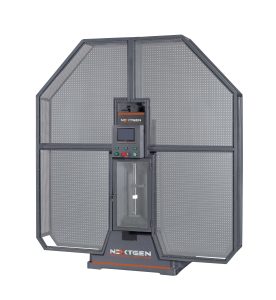
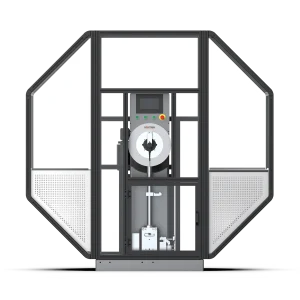
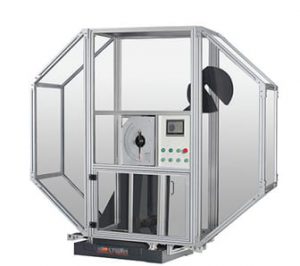
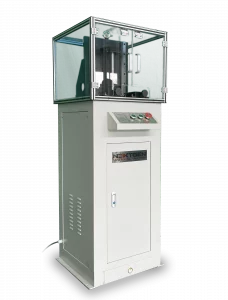
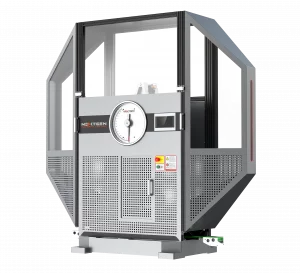
ISO 148:1983 points to the Charpy pendulum impact test equipment category rather than a universal testing machine.
Common equipment: Pendulum impact testing machine (Charpy configuration), specimen supports/anvils, striker (hammer) matched to the required Charpy setup, specimen centering aids, temperature conditioning accessories as needed, and shielding/safety enclosure.
If you are selecting a pendulum impact tester or upgrading an existing setup to support Charpy testing programs, you can request pricing for a Charpy impact system configured around your capacity range, safety needs, and reporting workflow.
How to Read This Designation or Revision
ISO 148:1983 identifies the ISO standard number and the publication year (1983).
Status note: ISO 148:1983 is withdrawn and was revised by ISO 148-1. When a customer requirement cites “ISO 148” without a year or part number, confirm the exact intended document (legacy ISO 148:1983 vs. the later ISO 148-1 method and related machine verification documents) before finalizing scope, fixtures, or reporting.
Related Standards, Methods, or Frameworks when useful
When you see ISO 148:1983 in older specifications, it is common for modern programs to reference the later ISO 148 series for the current Charpy test method and supporting requirements. Many labs also align internal procedures with a machine verification and ongoing performance-check routine appropriate to pendulum impact testing.
Need help aligning a legacy ISO 148 citation to today’s Charpy impact workflow?
If your requirement references ISO 148 without clear edition details, or you need help mapping a purchase spec to the right pendulum capacity and accessories, contact our team to discuss your material, test temperature needs, and reporting expectations.