Triple-Specimen Motorized Charpy Notching Machine

Metal Testing Equipment
Standards
Description
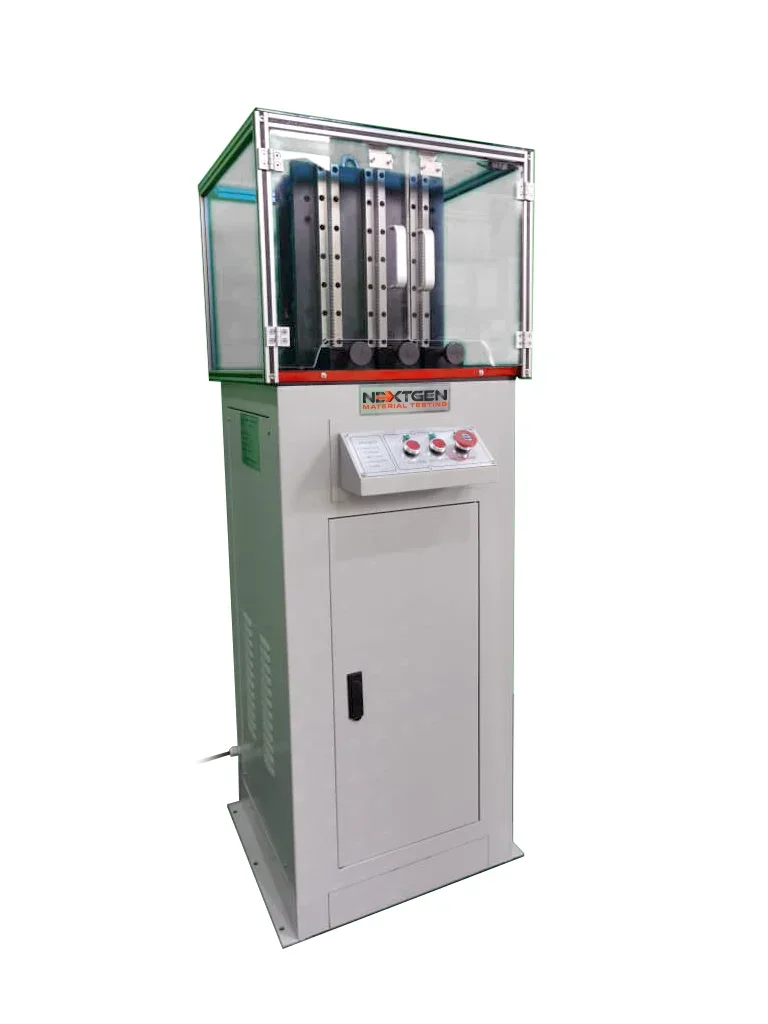
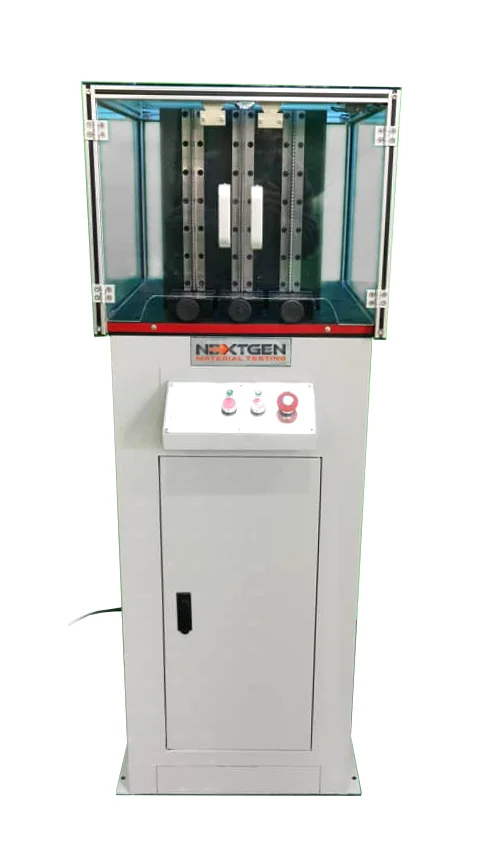
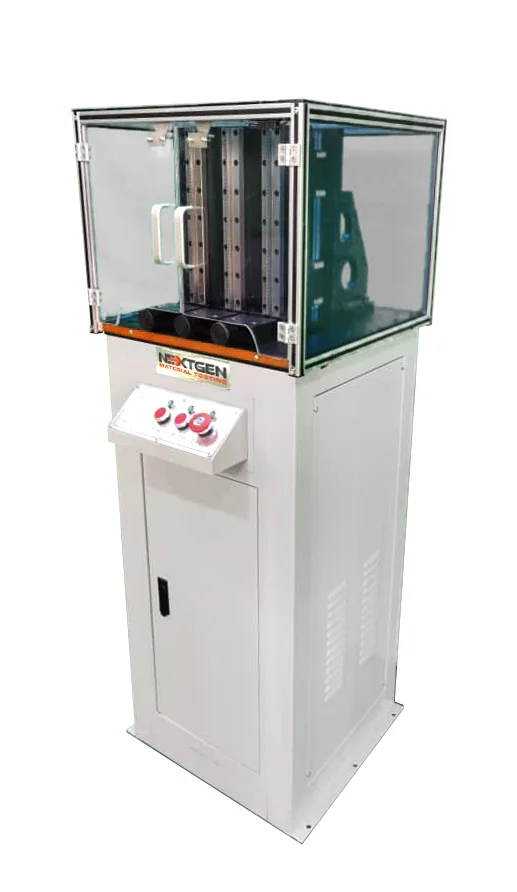
The GenNotch 4000UPG Series is a triple specimen chamber motorized Charpy Notch Making Machine designed specifically for creating Charpy test notch specimens. This floor placed stand-alone machine comes with an easy-to-use interface for simple operation.
The GenNotch 4000UPG is built to cut Charpy and Izod notches in both V-type and U-type shapes. It produces industry standards complied top-quality notched samples comparable to those made with a milling machine. Because the chamber holds three blanks side by side, a set of specimens is broached in one pass instead of three, which is where the time is saved in a lab preparing impact samples in batches.
The clip below shows a broaching cycle running on the machine.
GenNotch 4000UPG, triple notching cycle
Key Specifications at a Glance
The figures below are the ones that usually decide whether the machine fits a given lab. Everything else is in the specification table further down.
Specimens Per Cycle3
Notch ShapesV and U
Power Consumption450 W
Broacher Travel13.4 in (340 mm)
Broaching Speed6.6-9.8 ft/min
Weight562 lbs / 255 kg
Notch Types and Profiles
The machine cuts the two standard Charpy and Izod notch geometries. Which one you need is set by the standard your results are reported under, so it is worth confirming before ordering the broacher knife.
V2 Type
U5 Type
The U notch under ISO 148, GB/T 229 and Gost 9454, and Type C of ASTM E23. This is a non-standard type with a short using life and no warranty.
Two further U-profiles are available as notching options for laboratories working to GB/T and Gost requirements. Their dimensions are fixed as follows.
| Option | Depth | Width | Root Radius | Complies With |
|---|---|---|---|---|
| U2 | 2 mm | 2 mm | 1 mm ±0.05 mm | GB/T 229, Gost 9454 |
| U3 | 3 mm | 2 mm | 1 mm ±0.05 mm | Gost 9454 |
U-profile notching options
Test Specimens
The chamber takes the standard Charpy blank and its reduced-thickness variants. The hardness and strength limits below are set by what the broacher knife can cut cleanly, not by the machine frame.
| Parameter | Specification |
|---|---|
| Specimen size | 10 x 10 (7.5, 5, 2.5) x 55 mm |
| Specimen hardness | ≤ HRC 34 |
| Specimen tensile strength | < 600 MPa |
Specimen limits, GenNotch 4000UPG
Harder or stronger material can still be run, with a change of tooling. If hardness is ≤ 42 HRC, M42 material for the broacher knife will be used. For higher strength than 600 MPa, the broacher knife will be customized and the customer needs to provide the specimen.
Inside the Machine
Two things decide how the GenNotch 4000UPG behaves day to day: how the blanks are held, and how little the operator has to think about to run a cycle. The chamber sits behind hinged safety doors, and the three specimen positions are loaded from the front in one movement.
Control is deliberately narrow. Three buttons run the machine, and the cutting sequence is printed on the panel itself, so an operator who has been trained once does not need the manual to repeat the job correctly.
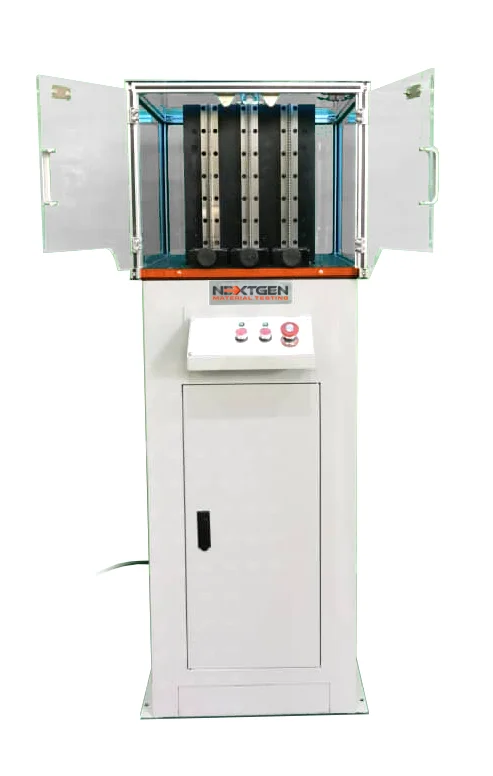
GenNotch 4000UPG with safety doors open, three specimen positions
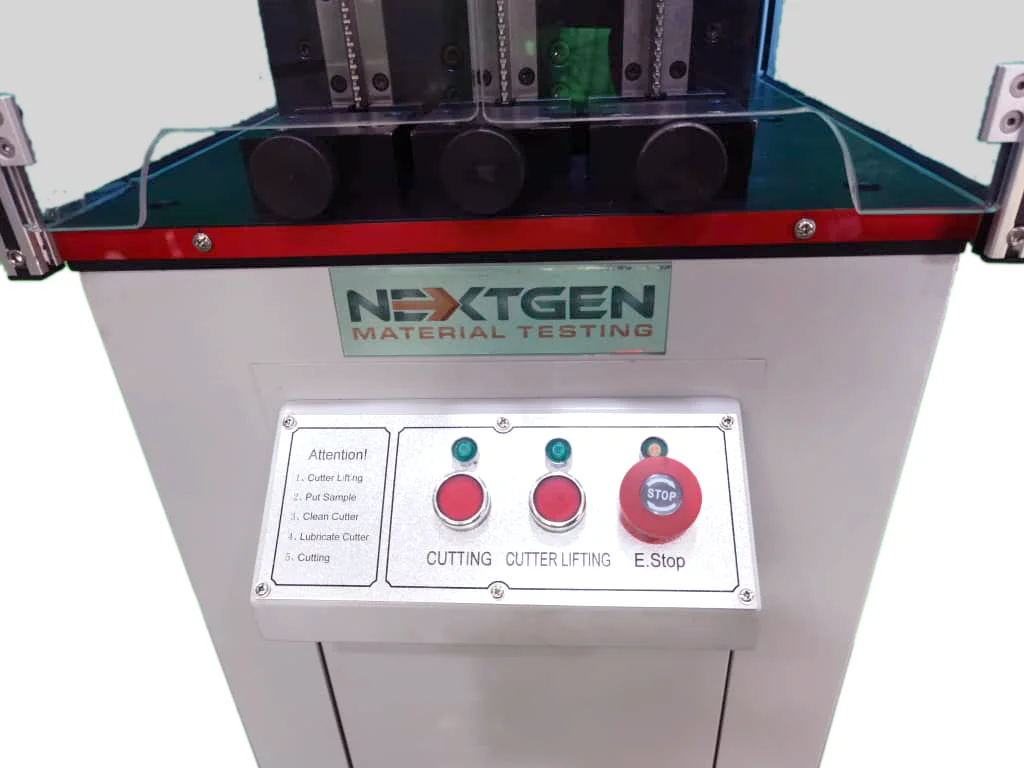
Control panel: cutting, cutter lifting, emergency stop, with the five-step sequence plate
GenNotch 4000UPG Series - Triple Charpy Notch Making Machine Technical Specification
Full specifications are listed below, including the power and lubrication requirements to check against your site before installation.
| Specification | GenNotch 4000UPG |
|---|---|
| Broacher Travel | 13.4 in (340±10 mm) |
| Number of Samples at One Cycle Time | 3 |
| Speed | 6.6-9.8 ft/min (2-3 m/min) |
| Lubrication System | Lubricating oil circulation, the oil is interchangeable |
| Hydraulic Oil | L-HM46 (Anti-wear) |
| Oil Volume | 5.3 gal (20 L) |
| Power Consumption | 450 W |
| Power Requirements | 3-phase, 5-line, AC 220V±10%, 50/60Hz |
| Machine Dimension (L x W x H) | 27.16 x 25.6 x 61.0 in (69 x 65 x 155 cm) |
| Weight | 562 lbs / 255 kg |
GenNotch 4000UPG specifications
If your blanks sit close to HRC 34 or 600 MPa, or you need a notch profile that is not one of the four listed above, send us the specimen drawing and the standard you report against. We will confirm which broacher knife the machine needs and whether the material has to be supplied for a trial cut, then put a quotation together. You can request a quote or contact our team directly.
For Laboratories
Need Additional Quality Control Equipment to Build Your Laboratory?
Specimen notching is only one part of a complete quality control laboratory. NextGen can help you equip your entire lab with impact testers, notching and broaching systems, cooling chambers, tensile testers, hardness testers, specimen preparation equipment, and other supporting solutions, all coordinated as one complete project.
- One partner to equip your complete laboratory
- Installation, training, calibration
- Support for the life of the equipment
FAQs
Yes, the GenNotch 4000UPG is fully compatible with a wide range of Charpy and Izod impact testing systems that adhere to international standards such as ISO 148, ASTM E23, and DIN 50115. The specimens produced by this machine maintain precise notch geometry and surface finish, allowing seamless integration with both NextGen’s own pendulum impact testers and other compliant testing instruments.
This compatibility means that laboratories can prepare samples using the GenNotch 4000UPG and test them across various certified impact testing machines without adjustment or reconfiguration.
Click here to learn more about the product or here to receive a personalized quote.
The GenNotch 4000UPG stands out for its combination of precision, productivity, and international compliance. It features a triple-specimen chamber, allowing simultaneous preparation of three Charpy or Izod samples in one cycle, greatly improving efficiency and repeatability. Its motorized broaching system provides uniform notch geometry and consistent cutting speed, reducing operator influence and human error. The integrated oil-lubricated mechanism ensures smooth operation, extended tool life, and reduced maintenance requirements.
Beyond mechanical performance, the GenNotch 4000UPG is fully compliant with ISO 148, EN 10045, ASTM E23, DIN 50115, and ASTM E74 (Class AA) standards, guaranteeing global test compatibility. This makes it a dependable choice for both production and research laboratories seeking reliable notch accuracy, long-term operational stability, and traceable results that meet international quality expectations.
Click here to learn more about the product or here to receive a personalized quote.
The GenNotch 4000UPG operates on a three-phase, five-line power supply rated at 220 V ±10%, 50/60 Hz, making it suitable for use in laboratories with standard industrial electrical configurations. The system is driven by a 450-watt motor, which provides steady power for the motorized broaching process while maintaining low energy consumption and minimal operational noise.
A stable and properly grounded electrical connection is essential for optimal performance and operator safety. Voltage fluctuations or incorrect wiring can affect cutting precision and system reliability.
It is recommended that installation be carried out by a qualified technician.
Click here to learn more about the product or here to receive a personalized quote.
The GenNotch 4000UPG provides a broacher travel distance of 13.38 ± 0.39 inches (340 ± 10 mm), ensuring full and accurate motion for precise notch formation across various specimen sizes. The system operates at a fixed cutting speed of 6.5–9.8 feet per minute (2–3 meters per minute), which has been optimized to balance cutting efficiency and surface quality.
This stable operating speed prevents tool vibration, minimizes heat buildup, and ensures that each notch maintains the correct geometry and smooth finish required by international testing standards.
Click here to learn more about the product or here to receive a personalized quote.
The GenNotch 4000UPG is designed to accommodate standard Charpy and Izod test specimens used in impact testing worldwide. It supports specimens measuring 0.39 × 0.39 × 2.16 inches (10 × 10 × 55 mm), as well as sub-size samples with reduced thicknesses of 7.5 mm (0.29 in), 5 mm (0.20 in), and 2.5 mm (0.10 in).
These specimen sizes fully comply with international standards such as ISO 148, ASTM E23, and DIN 50115, ensuring compatibility across various testing systems. The machine maintains tight dimensional tolerances and smooth surface finishes to guarantee accurate and repeatable impact results.
Click here to learn more about the product or here to receive a personalized quote.
The GenNotch 4000UPG is specifically designed for preparing Charpy and Izod impact test specimens by cutting precision V- and U-type notches. These notches play a critical role in impact testing, as they act as controlled points of stress concentration that allow engineers to evaluate a material’s toughness, ductility, and energy absorption characteristics under sudden loading conditions.
By using a motorized broaching mechanism, the machine produces uniform and repeatable notches that meet international testing standards such as ISO 148 and ASTM E23. The consistent quality of these notches means that impact test results accurately reflect the true performance of the material, minimizing measurement errors caused by geometric inconsistencies.
Click here to learn more about the product or here to receive a personalized quote.
Yes, the GenNotch 4000UPG is designed to produce notched specimens that conform to EN 10045-1 test method requirements, allowing you to perform Charpy impact tests under that European standard.
EN 10045-1 (1990) is the European standard defining the Charpy impact test method (with U- and V-notches) for metallic materials. It specifies the required specimen geometry (standard length of 55 mm, square cross-section 10 × 10 mm or reduced widths of 7.5 mm or 5 mm), the notch types (V notch, U notch) and their dimensions and tolerances, and machine test conditions such as striker energy, specimen placement, and reporting. It also pairs with EN 10045-2, which addresses verification of the pendulum impact testing machines. Because EN 10045-1 has been made inactive or superseded in many regions (often replaced by ISO 148 series), it is commonly regarded as historically important and still relevant for interpreting older test data and legacy compliance.
Click here to learn more about the product or here to receive a personalized quote.
The GenNotch 4000UPG stands apart from manual or single-specimen notch cutters through its advanced automation, productivity, and precision. Its motorized broaching mechanism delivers a uniform cutting speed that ensures consistent notch geometry across all specimens, reducing variability caused by manual operation.
The triple-specimen chamber allows three samples to be processed simultaneously, significantly increasing throughput and minimizing preparation time in high-volume testing environments. The integrated oil-circulation system keeps the cutting area lubricated, improving surface finish, extending tool life, and reducing the need for frequent maintenance.
In contrast to manual machines, which rely heavily on operator skill and physical effort, the GenNotch 4000UPG provides stable, repeatable performance with minimal user input.
Click here to learn more about the product or here to receive a personalized quote.
The choice of knife depends on the hardness and tensile strength of the specimen material. For most standard applications, where specimen hardness does not exceed HRC 42, an M42 broacher knife is the ideal choice. This tool steel offers excellent wear resistance and maintains sharpness through repeated use, ensuring precise and smooth notch formation.
When working with materials that exceed 600 MPa in tensile strength or have higher hardness values, a customized knife configuration is recommended. In such cases, NextGen’s engineering team analyzes the provided specimen samples to design a broacher knife with the appropriate material composition, geometry, and cutting angle.
Click here to learn more about the product or here to receive a personalized quote.
Yes, the GenNotch 4000UPG is designed to fully comply with ISO 148-1 (Metallic materials — Charpy pendulum impact test, Part 1: Test method). It prepares V- and U-notches meeting the dimensional and positional tolerances stipulated in that standard, ensuring the specimens produced are suitable for ISO-compliant Charpy impact testing.
The ISO 148-1 standard defines the methodology for conducting Charpy impact tests on metallic materials. It specifies standard specimen dimensions (for example, 55 mm length, 10 × 10 mm cross-section for full size, and alternate thicknesses of 7.5, 5.0 or 2.5 mm), the placement and geometry of V and U notches, and requirements for temperature control and time limits during specimen transfer to the impact tester. The standard ensures that tests across different labs are comparable by standardizing specimen preparation, notch geometry, test temperature conditions, and procedural timing. The GenNotch 4000UPG’s capabilities align with these requirements to deliver consistent ISO-conformant notched specimens.
Click here to learn more about the product or here to receive a personalized quote.
Yes, the GenNotch 4000UPG is fully compatible with low-temperature testing setups commonly used in impact testing laboratories. Specimens prepared with this system can be conditioned in cryogenic or sub-zero temperature chambers before being tested on Charpy or Izod impact testers.
The precision of the notches produced by the GenNotch 4000UPG ensures that results remain consistent and reliable even when tests are performed under extreme temperature conditions. The specimens meet the dimensional and surface finish requirements outlined in ISO 148 and ASTM E23, which regulate low-temperature impact testing procedures.
Click here to learn more about the product or here to receive a personalized quote.
The GenNotch 4000UPG complies with a range of international standards, allowing it to be used confidently in laboratories conducting Charpy and Izod impact testing across the globe. The system fully meets the requirements of ISO 148, EN 10045, ASTM E23, DIN 50115, and ASTM E74 (Class AA).
These standards define the dimensional tolerances, notch geometries, and testing procedures for impact specimens used in metallic material testing. Compliance ensures that the specimens produced by the GenNotch 4000UPG maintain precise notch depth, root radius, and alignment consistent with certified global testing methods.
Click here to learn more about the product or here to receive a personalized quote.
The standard delivery package of the GenNotch 4000UPG includes all essential components required for immediate installation and operation. Each system comes with the main unit, an integrated control system, and a complete oil circulation assembly to maintain optimal lubrication during cutting.
A factory-calibrated broacher knife set is provided to ensure precise notch formation from the first use. The package also contains a starter spare parts kit with commonly replaced components and a detailed operation manual with setup, maintenance, and safety instructions.
For laboratories requiring additional accessories or consumables, extra broacher knives, oils, or replacement parts can be ordered separately. This comprehensive package enables users to begin producing standardized notched specimens immediately after installation, minimizing setup time.
Click here to learn more about the product or here to receive a personalized quote.
The accuracy of notches produced by the GenNotch 4000UPG can be verified through precise optical measurement and projection methods. Laboratories typically use optical profile projectors, measuring microscopes, or digital image analysis systems to assess notch geometry, including depth, angle, and root radius. These tools allow for non-destructive verification and provide highly detailed visual confirmation of compliance with international standards such as ISO 148 and ASTM E23.
NextGen offers optical measurement systems and certified accessories specifically designed for Charpy and Izod specimen validation. These instruments help laboratories confirm that each notch meets the required dimensional tolerances before conducting impact testing.
Click here to learn more about the product or here to receive a personalized quote.
Routine maintenance of the GenNotch 4000UPG is essential to preserve precision, reliability, and long-term performance. Operators should regularly check hydraulic oil levels, inspect the oil’s clarity, and replace it approximately every six to twelve months, depending on usage and environmental conditions. Maintaining clean, properly circulated oil helps prevent system wear and ensures smooth broaching motion.
The broacher assembly and cutting chamber should be cleaned periodically to remove metal shavings or residue that could affect cutting accuracy. The broacher knife must also be examined for sharpness and replaced when signs of dulling or uneven wear appear.
Lubrication is a key factor in consistent operation. The integrated oil-circulation system should be monitored for proper flow and pressure to guarantee stable performance.
Click here to learn more about the product or here to receive a personalized quote.
Yes, the GenNotch 4000UPG is equipped with a fully automatic circulating lubrication system designed to maintain optimal cutting performance and prolong the life of internal components. The system uses L-HM46 anti-wear hydraulic oil with a total capacity of 5.28 gallons (20 liters), ensuring consistent lubrication throughout each broaching cycle.
This closed-loop oil circulation system minimizes friction between moving parts, keeps the cutting area clean, and helps maintain stable operating pressure. Regular inspection of oil levels and scheduled replacement are recommended to sustain smooth operation and reliable performance over time.
Click here to learn more about the product or here to receive a personalized quote.
Yes, NextGen offers upgraded versions of the GenNotch 4000UPG series that provide higher levels of automation, control, and operator safety. These modernized systems are designed to deliver faster specimen preparation, reduced maintenance, and improved consistency for high-volume testing environments.
The newer-generation models include refined motorized components, enhanced lubrication systems, and advanced control panels with intuitive digital interfaces. They also feature updated safety enclosures and more efficient energy management, ensuring long-term reliability and compliance with current laboratory standards.
Customers can contact NextGen’s technical sales team to receive recommendations on the most suitable upgraded model for their testing requirements, including details on performance improvements, available configurations, and integration options with existing laboratory equipment.
Click here to learn more about the product or here to receive a personalized quote.
Yes, NextGen provides professional calibration and certification services to ensure that every testing setup meets international accuracy and traceability standards. The company performs calibration for impact testing systems, force-measuring instruments, and related accessories in accordance with recognized procedures and reference materials.
All calibration work is carried out using equipment traceable to NIST (National Institute of Standards and Technology), guaranteeing verified measurement accuracy. This allows laboratories to maintain full compliance with standards such as ISO 148, ASTM E23, and ASTM E74.
In addition to calibration, NextGen offers certified consumables and verification specimens that help users validate machine performance over time. Each calibration service is accompanied by detailed documentation, including certificates of conformity and measurement uncertainty data, supporting complete audit and accreditation requirements.
Click here to learn more about the product or here to receive a personalized quote.
The GenNotch 4000UPG should be operated in a clean, dry, and stable laboratory environment to maintain optimal performance and longevity. The recommended ambient temperature range is between 10 °C and 35 °C, with relative humidity kept at moderate levels to prevent condensation or corrosion on metal components.
The machine should be placed on a solid, level surface away from sources of vibration, dust, or direct airflow from air-conditioning systems. Excessive humidity, unstable voltage, or strong mechanical shocks may affect cutting precision and wear resistance of the broacher knife.
For storage, the system should be kept covered in a temperature-controlled room, ideally between 5 °C and 40 °C. Before extended periods of non-use, it is recommended to drain the oil, clean the cutting chamber, and apply a thin layer of protective lubricant to prevent oxidation of critical parts.
Click here to learn more about the product or here to receive a personalized quote.
Yes, NextGen can fully adapt the GenNotch 4000UPG to meet unique operational or research needs. Each customization begins with an assessment of the client’s testing objectives, sample types, and production environment. From there, NextGen’s engineering team develops tailored solutions to enhance efficiency, precision, or automation levels.
Custom configurations may include special broacher knife geometries, adjustable cutting depths, or reinforced cutting assemblies for working with harder or unconventional materials. For high-volume laboratories, the system can also be equipped with automated sample handling, integrated oil-circulation monitoring, or digital data tracking for seamless workflow integration.
Click here to learn more about the product or here to receive a personalized quote.
Yes, NextGen supplies a full range of replacement knives and consumables for the GenNotch 4000UPG to maintain consistent cutting quality and system reliability. All consumables are precision-manufactured and tested to ensure compatibility with the original machine specifications.
Available items include replacement broacher knives, hydraulic oils, seals, and key mechanical components such as filters and lubrication fittings. For laboratories requiring verified quality control, NextGen also provides NIST-certified consumables, ensuring traceability and compliance with international standards.
Customers can order parts directly through NextGen’s technical sales team or authorized distributors. Stocked items are typically available for quick shipment, minimizing downtime and allowing laboratories to maintain uninterrupted operation of their notch preparation and testing processes.
Click here to learn more about the product or here to receive a personalized quote.
The GenNotch 4000UPG is a compact yet durable floor-mounted system designed for stable operation and easy placement in laboratory environments. The machine’s overall dimensions are 27.16 × 25.6 × 61.0 inches (69 × 65 × 155 cm), allowing it to fit comfortably within most testing spaces while providing sufficient room for operator access and maintenance.
It has a total weight of approximately 562 lbs (255 kg), which contributes to its vibration stability during broaching operations. The solid construction ensures consistent notch accuracy even during continuous or heavy-duty use.
Click here to learn more about the product or here to receive a personalized quote.
The service life of the broacher knife depends primarily on the hardness and tensile strength of the specimens being processed. Under standard operating conditions, typically with specimens below HRC 34, a single knife can produce several thousand notched samples before requiring replacement. Consistent lubrication, proper alignment, and regular cleaning further extend tool life and maintain notch precision.
When working with harder materials or specimens that approach the upper hardness limits, wear on the cutting edges increases, leading to shorter operational cycles. In such cases, the knife should be inspected more frequently for dullness or surface damage.
NextGen offers replacement broacher knives manufactured from high-performance materials such as M42 tool steel, which provides excellent wear resistance and maintains sharpness even under demanding conditions.
Click here to learn more about the product or here to receive a personalized quote.
Yes, NextGen offers complete installation and setup services for the GenNotch 4000UPG to ensure proper system operation from the very beginning. Upon delivery, qualified technicians can perform on-site installation, alignment, and initial calibration to verify that the system is functioning according to specifications.
During installation, operators receive familiarization training covering machine operation, maintenance procedures, and safety guidelines. This helps laboratory staff quickly gain confidence in using the equipment and maintain optimal performance during routine operation.
For international customers or facilities with remote locations, NextGen also provides virtual installation support. Through video guidance and detailed documentation, the technical team assists clients step-by-step with setup and configuration.
Click here to learn more about the product or here to receive a personalized quote.
Under normal laboratory operating conditions, the hydraulic oil in the GenNotch 4000UPG should be replaced approximately every 6 to 12 months. This interval may vary depending on the frequency of use, ambient temperature, and cleanliness of the working environment.
Regular oil maintenance is essential to preserve the efficiency of the lubrication and hydraulic systems. Over time, oil can accumulate fine metal particles and impurities that reduce its protective properties and increase component wear. Before each replacement, the oil level and clarity should be inspected through the system’s viewing port or dipstick.
When performing an oil change, it is recommended to use the specified L-HM46 anti-wear hydraulic oil or an equivalent grade to maintain smooth broacher motion and stable pressure control. Proper oil management not only extends the service life of internal components but also ensures consistent cutting precision and smooth operation.
Click here to learn more about the product or here to receive a personalized quote.
Yes, the GenNotch 4000UPG is engineered to support specimen notches and tolerances consistent with DIN 50115 requirements, enabling preparation of notched specimens in line with that German impact testing standard.
DIN 50115 is a German standard for notched bar impact bending tests on metallic materials (Kerbschlagbiegeversuch). It defines specimen dimensions, notch types (V and U), test conditions, energy absorption measurement, and procedures for conducting the impact test. DIN 50115 has historically aligned with ISO/R 83 and ISO/R 148 formats, prescribing impact hammer speeds (e.g. about 5 to 5.5 m/s for certain energy ranges), specimen placement, and reporting of absorbed energy. Over time, DIN 50115 has been withdrawn and replaced by international standards (notably ISO 148 series) but remains relevant when dealing with legacy test data or conformity to formerly adopted German norms.
Click here to learn more about the product or here to receive a personalized quote.
NextGen provides lifetime technical support for all GenNotch 4000UPG systems, ensuring continuous performance and reliability throughout the equipment’s service life. Customers have access to dedicated support specialists who assist with troubleshooting, maintenance guidance, and system optimization.
Technical assistance includes help with diagnostics, spare parts replacement, and remote consultations for resolving operational or calibration issues. In addition, NextGen supplies detailed technical documentation, including manuals, service guides, and reference materials, to assist laboratory personnel in maintaining proper operation.
For new installations or staff onboarding, on-site or remote operator training sessions can be arranged to familiarize users with system operation, maintenance routines, and safety best practices.
Click here to learn more about the product or here to receive a personalized quote.
The GenNotch 4000UPG is capable of producing both V-type and U-type notches that meet international Charpy and Izod testing standards. It supports V-type notches in accordance with ISO 148 and ASTM E23 Type A, ensuring precise geometry for standard impact testing applications. The machine also accommodates U-type notches, compliant with ISO 148, GB/T 229, GOST 9454, and ASTM E23 Type C specifications.
In addition to these standard configurations, the system can produce non-standard U5 notches when required for specialized research or comparative testing. However, because of their deeper geometry and increased tool stress, U5 notches have a shorter tool life and are not covered under warranty.
Click here to learn more about the product or here to receive a personalized quote.
The GenNotch 4000UPG is designed to handle a wide range of metallic materials commonly used in Charpy and Izod impact testing. It can efficiently process specimens with a hardness of up to HRC 34 or a tensile strength below 600 MPa, producing precise V- and U-type notches that comply with international standards.
For materials with higher hardness, up to HRC 42, the system uses an M42 broacher knife, a high-speed steel tool known for its excellent wear resistance and durability. When testing extremely tough or high-strength alloys that exceed these limits, a custom-engineered knife is required. In such cases, the client is asked to provide sample specimens so that NextGen’s engineering team can design and validate the appropriate cutting configuration.
Click here to learn more about the product or here to receive a personalized quote.
No, the GenNotch 4000UPG does not require any external software integration. It is a fully self-contained, floor-mounted system designed for direct and independent operation. The built-in control interface allows operators to manage all cutting parameters, speed adjustments, and specimen cycles without the need for a connected computer or additional software.
This simplified design minimizes setup time and eliminates compatibility concerns that can arise with third-party software. It also enhances reliability, as all operations are handled directly through the system’s intuitive control panel.
Click here to learn more about the product or here to receive a personalized quote.
The GenNotch 4000UPG should be installed on a stable, level surface capable of supporting its total weight of approximately 562 lbs (255 kg). The installation area must provide enough clearance on all sides for daily operation, inspection, and maintenance tasks. It is recommended to keep at least 24 inches (60 cm) of free space around the machine to ensure safe specimen handling and proper ventilation.
A stable three-phase power supply of AC 220 V ±10%, 50/60 Hz is required for consistent performance. The electrical circuit must be properly grounded to prevent voltage fluctuations and ensure safe operation. Clean oil circulation is also critical, so the surrounding area should remain free from excessive dust, humidity, or chemical vapors that could contaminate the lubrication system.
Click here to learn more about the product or here to receive a personalized quote.
Yes, the GenNotch 4000UPG is capable of producing notched specimens whose geometry and force-related preparation steps align with calibration practices consistent with ASTM E74, including the more stringent demands of Class AA verified range standards. Its precise machining and control systems support producing specimens whose associated force calibrations can satisfy the lower uncertainty limits demanded by Class AA.
ASTM E74 is a standard that defines practices for calibration and verification of static force-measuring instruments (such as load cells, dynamometers, and force transducers) used in materials testing machines. In the context of Class AA, instruments must maintain a lower limit factor (LLF) whose error does not exceed 0.05 % of applied force, and the verified loading range must begin at 2000 × LLF up to the full capacity. The standard ensures high accuracy and traceability to primary force standards, minimizing measurement uncertainty in critical calibration steps.
Click here to learn more about the product or here to receive a personalized quote.
NextGen provides comprehensive after-sales support to guarantee long-term reliability and user confidence in every installed unit. Clients benefit from lifetime product assistance, meaning technical help is always available for troubleshooting, maintenance, or performance optimization.
The company maintains a steady inventory of consumables and spare parts, allowing quick replacement and minimal downtime during operation. Each customer also receives access to NextGen’s technical specialists, who can assist remotely or on-site with installation, calibration, and operator training.
In addition to this, all systems are covered by a global warranty program that reflects NextGen’s commitment to product quality and ongoing customer care. This combination of lifetime support, stocked consumables, and professional guidance ensures that laboratories can operate the GenNotch 4000UPG efficiently and confidently for years to come.
Click here to learn more about the product or here to receive a personalized quote.
Although the GenNotch 4000UPG is designed with a simple and intuitive control interface, operator training is highly recommended to achieve consistent and reliable results. Training helps users understand proper specimen alignment, notch positioning, and system operation, ensuring that each sample meets international testing standards.
During the training process, operators learn how to monitor broaching speed, verify notch geometry, and maintain optimal lubrication and oil levels. They are also instructed on routine cleaning, tool replacement, and safety procedures to prevent operational errors or equipment wear.
For new installations, NextGen can provide on-site or remote training sessions tailored to the laboratory’s workflow and testing requirements. This structured instruction allows operators to become confident in using the machine effectively while maintaining precision, safety, and long-term system reliability.
Click here to learn more about the product or here to receive a personalized quote.
The GenNotch 4000UPG is equipped with a triple-specimen chamber, allowing three samples to be prepared simultaneously in a single cutting cycle. This configuration significantly improves laboratory productivity by reducing preparation time while maintaining uniform quality across all specimens.
Each specimen is securely positioned within its chamber to ensure precise alignment and consistent notch geometry. The synchronized broaching mechanism applies equal pressure and motion to all three samples, guaranteeing identical results in terms of notch depth, surface finish, and profile accuracy.
Click here to learn more about the product or here to receive a personalized quote.
The GenNotch 4000UPG is equipped with several built-in safety features designed to protect both the operator and the machine during operation. The cutting process takes place within a fully enclosed chamber that prevents accidental contact with moving components and contains metal fragments or oil mist produced during broaching.
Automatic pressure regulation ensures stable hydraulic performance and prevents system overload, reducing the risk of mechanical failure. The integrated oil-circulation control continuously monitors lubrication flow and temperature, maintaining safe operating conditions and extending component life.
Additionally, the machine includes emergency stop functionality, electrical overload protection, and interlock systems that prevent operation if the chamber door is open or improperly secured.
Click here to learn more about the product or here to receive a personalized quote.
Yes, NextGen provides worldwide delivery for all equipment, accessories, and consumables. Every shipment includes complete export documentation, such as CE certification, conformity paperwork, and detailed operation manuals.
The products are securely packaged according to international freight and safety standards, ensuring safe transport by air, sea, or ground. NextGen’s logistics team coordinates with global freight partners to handle customs clearance, insurance, and tracking, offering clients a smooth and transparent delivery experience.
Click here to learn more about the product or here to receive a personalized quote.
Related Products
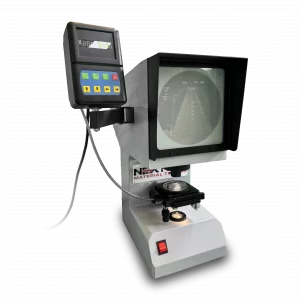
NG-NPS-CIS – Charpy/Izod Notch Verification Projector
NG-NPS-CIS is a Charpy/Izod notch verification projector for precise inspection of U- and V-type impact specimens. Built for laboratories working to ISO 148, ASTM E23, and GB/T229 requirements, it combines 50× optical magnification, a large Φ200 mm projection screen, integrated digital readout, table rotation, and fine displacement control to help operators confirm notch geometry with clarity and repeatability.
Read more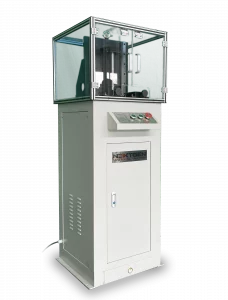
Specimen Notching and Broaching Machine
GenNotch 4000 is a motorized specimen notching and broaching machine for preparing Charpy and Izod impact specimens in metals. Its dual broaching system prepares two samples in one pass, producing V-type and U-type notches with high repeatability. Floor-standing construction, internal lubricating oil circulation, precision broaching knives, standard specimen support, and ASTM E23, ISO 148, EN10045, and DIN 50115 alignment help labs streamline impact preparation.
Read more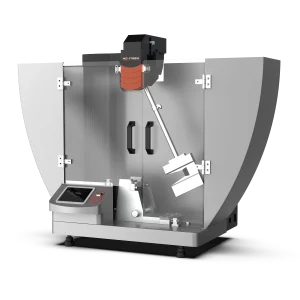
Class J – Automatic Charpy and Izod Impact Tester (1–50 J)
Class J is an automatic Charpy and Izod impact testing system for low-energy impact evaluation of plastics and related materials. It covers 1–50 J for Charpy tests and 1–22 J for Izod tests, with interchangeable pendulums, adjustable spans, controlled striking velocity, and ASTM D6110, ASTM D1822, ISO 179, GB/T 1043, and ISO 9854.1 support for standardized testing.
Read more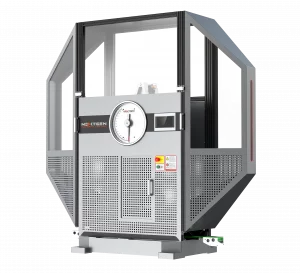
Class D – Single-Column Charpy Impact Tester
Class D is a single-column Charpy impact tester for high-energy pendulum testing of metallic specimens up to 750 J. It supports 150 J, 300 J, 450 J, 600 J, and 750 J configurations, with ASTM E23, ISO 148, and EN 10045 alignment. A heavy cast-iron base, PLC touchscreen, enclosed chamber, motorized hammer return, interchangeable strikers, precision bearings, and optional cooling or automation support safe, repeatable testing.
Read more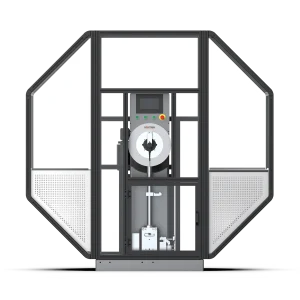
Class G – Single-Column Charpy and Izod Impact Tester
Class G is a single-column Charpy and Izod impact tester for high-precision pendulum testing of metals and engineering materials. Available in 450 J and 750 J models with optional pendulums down to 150 J, it supports ASTM E23, ISO 148, and EN 10045 workflows. PLC touchscreen control, enclosed safety guarding, motorized hammer return, interchangeable strikers, precision bearings, and optional feeding or cooling improve repeatability.
Read more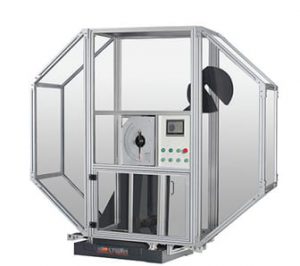
Class H – Dual-Column Charpy Impact Tester (300–750 J)
Class H is a servo-motor dual-column Charpy impact tester for high-volume metal impact testing of hard materials. Available with 300 J, 450 J, 600 J, or 750 J pendulums, it supports ASTM E23, ASTM E1820, ASTM E2298, ISO 148, and EN10045 methods. A rigid cast-iron base, enclosed test area, motorized hammer return, touchscreen display, and optional instrumented striker support accurate, safe testing.
Read more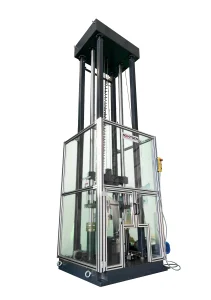
DWT-1800 – Computer-Controlled Drop Weight Impact Tester
DWT-1800 is a computer-controlled drop weight impact testing machine for evaluating impact resistance in metal and non-metal materials. Capable of high-energy tests up to 1800 joules and low-energy tests from 3.72 joules, it supports ferritic steel NDT evaluation, conduit testing, tubing, cable hardware, and electrical enclosures. PLC control, touchscreen setup, automated hammer movement, and sensors improve safety and accuracy.
Read more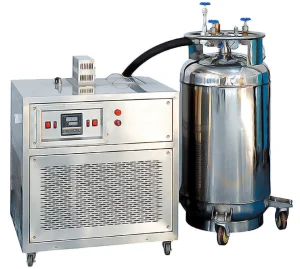
NG-ISCC Series – Impact Specimen Cooling Chamber
NG-ISCC Series is a low-temperature chamber for conditioning Charpy impact specimens before pendulum impact testing. Available in -60°C, -80°C, -100°C, and -196°C configurations, it uses compressor refrigeration or liquid nitrogen depending on the model. Uniform cooling, stable setpoint control, ≤ ±0.5°C accuracy, 0.01°C resolution, and ethanol-based cooling media help labs improve repeatability in ASTM E23 and ISO 148 workflows.
Read more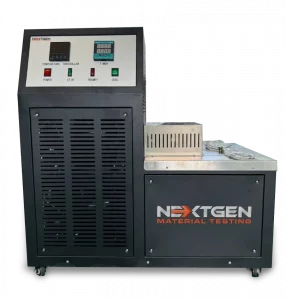
GenChamber – Impact Specimen Cooling and Heating Chamber
GenChamber is an impact specimen cooling and heating temperature chamber for conditioning Charpy and Izod specimens before pendulum impact testing. It provides low-temperature control from +30°C to -80°C and high-temperature control from +30°C to 100°C, with 0.1°C display resolution, PID control, forced-air circulation, specimen capacity for 60–120 standard samples, and stable preparation for standards-based impact workflows.
Read more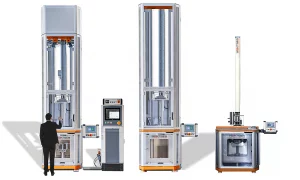
NG-FWT1 and NG-FWT2 – Drop Weight Impact Testers (up to 2000 J)
NG-FWT1 and NG-FWT2 are low-capacity vertical drop weight impact testers for controlled falling-weight tests up to 2000 J. They help evaluate impact resistance, damage tolerance, energy absorption, and shock response in materials, weldments, production batches, and finished components. Controlled drop height, impact speed, and energy settings support repeatable testing for R&D, quality control, and product validation.
Read more