Moving Die Rheometer (MDR)

Rubber Testing Equipment
Standards
ASTM D5289, ISO 6502, DIN 53529
Description
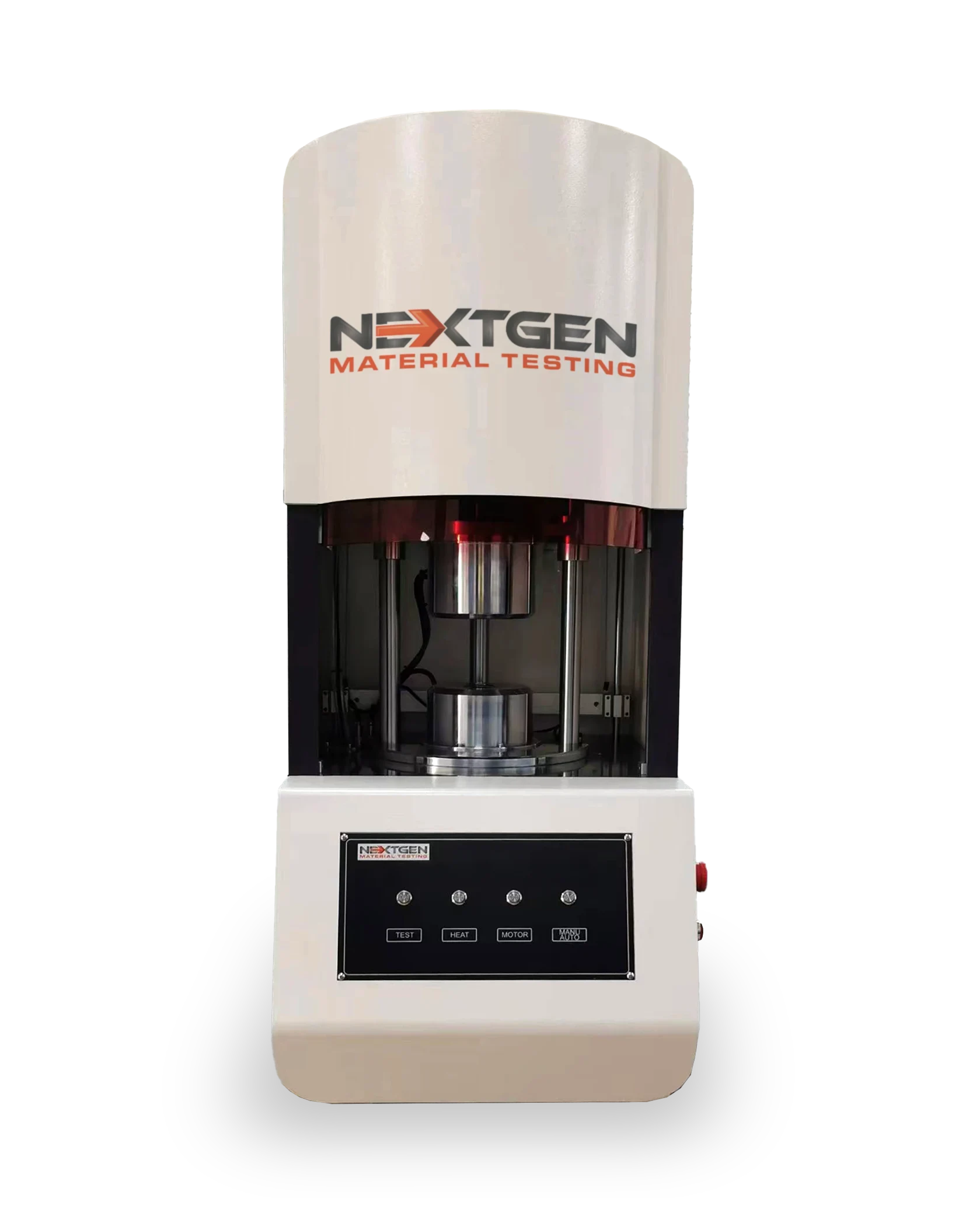
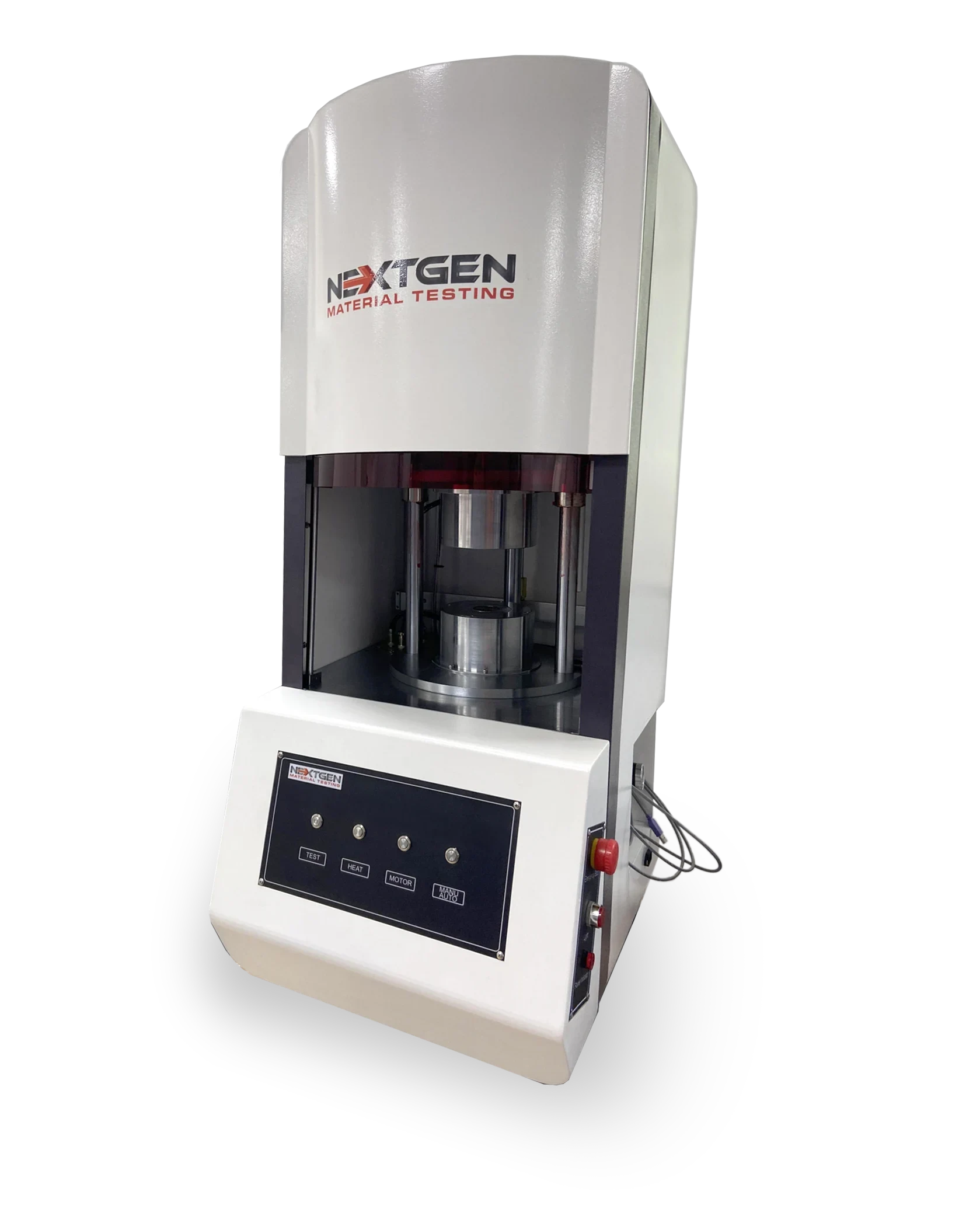
The Moving Die Rheometer is a new development to the Oscillating Disc Rheometer solution. The unit meets ASTM D5289, ISO 6502, and DIN 53529. Repeatability also means your data is consistently reproducible from instrument to instrument and factory to factory, worldwide. Your data doesn’t shift just because your time zone does.
NextGen’s MDR is custom-designed and manufactured to withstand any continuous production environment. Offering robust durablility, repeatabily and most importantly a peace of mind. The NG-MDR Moving Die Rheometer is your solution for accurately assessing the curing and processing characteristics of vulcanized rubber compounds. Designed for precision, this state-of-the-art rheometer captures the characteristic curve and parameters of rubber vulcanization by measuring the torque applied to the oscillating die.
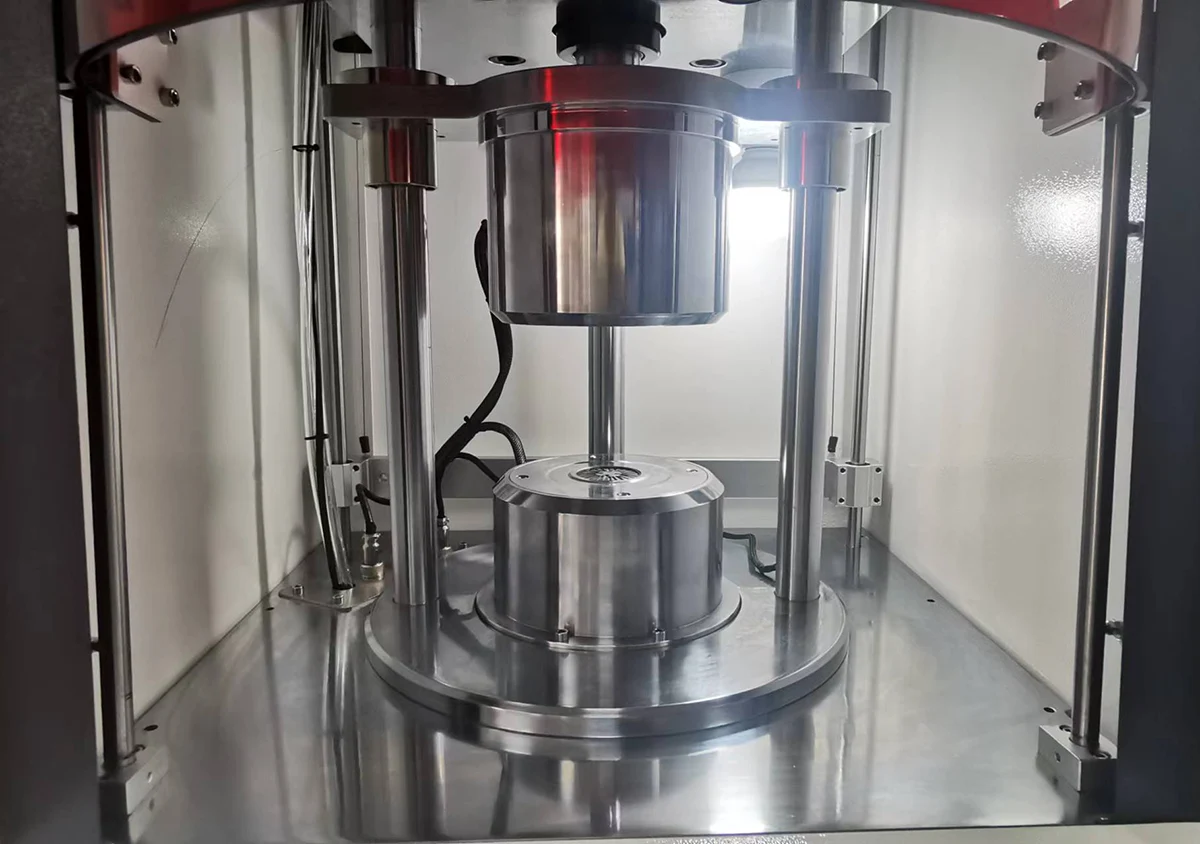
The NG-MDR rotor-free vulcameter stands out for its exceptional stability, delivering consistent and reliable results every time. Operating on a straightforward principle, the moving die rheometer works by placing a rubber compound sample in a sealed test cavity under positive pressure at an elevated temperature. A Rotor (oscillating disc) is embedded in the sample and oscillates through a small, specified rotary amplitude. This action applies a shear strain to the test piece, and the force (torque) required to oscillate the disc is directly related to the stiffness (shear modulus) of the rubber compound. Read more in our latest MEGA BLOG!
Moving Die Rheometer Functionality
- Database functionality can store your curves, drawings and results for printing at any time.
- Allows you to export your testing results in Excel format.
- It has multiple analysis functions like statistics, deviation setting, standard curve setting, and CPK statistical calculations
- Interface allows for local zoom and curve comparison
- It has such functions as selection of any vulcanization time, range selection and screen capture.
- It can reanalyze your previous test data, and increase or modify the reports according to the users requirements
- Multiple data sequences provide convenient ways for data retrieval
Features and Applications
- Rugged Construction: A durable machine frame designed to deliver the most stable readings, no matter the conditions.
- Sealed, Fanless Housing: The fanless and sealed design effectively prevents debris from infiltrating critical systems, ensuring long-lasting performance.
- Wearless Torque Drive: Equipped with the wearless direct torque drive motor, this machine offers unmatched precision and durability.
- Customizable Strain Modification: With software-programmable strain modification ranging from 0.01° to 5.0°, you can adapt the testing to your specific needs.
- Advanced Diagnostics: The NG-MDR includes internal diagnostic and condition monitoring routines, keeping your equipment in optimal condition.
- Optional Cooling Systems: For enhanced versatility, optional cooling systems are available to meet specific testing requirements.
Testing Curve and Results
- ML - Minimum torque (dNm) - Measures value of the vulcanization characteristic (viscosity) of the unvulcanised test sample
- MH - Maximum torque (dNm) - Measures value of the shear modulus or rigidity of the fully vulcanized test sample. This includes the maximum torque of the flat curve and titration curve as well as the maximum torque when the flat and titration curves don't appear within the given time.
- Ts1 (Minimum) - Time in which the torque is increased to ML + 1dNm when the swing angle is 0.5° or 1°
- Ts2 (Minimum) - Time in which the torque is increased to ML + 2dNm when the swing angle is 3°
- Ts10 (Minimum) - Time in which the torque is increased to ML + 10(MH-ML)/100dNm
- Ts30 (Minimum) - Time in which the torque is increased to ML + 30(MH-ML)/100dNm
- Ts60 (Minimum) - Time in which the torque is increased to ML + 60(MH-ML)/100dNm
- Ts90 (Minimum) - Time in which the torque is increased to ML + 90(MH-ML)/100dNm, reflecting the optimum vulcanization of your testing specimen
Moving Die Rheometer Standard Configurations
- Sealing rings: 10pcs
- Heating plate: 2pcs
- High temperature paper: 3 copies
- Desktop (PC): 1 set
- Printer: 1 set
- Hexagonal wrench: 1 set
Technical Specifications
| Temperature Range | Room Temperature to 22°C - 200°C |
| Temperature Accuracy | Within ±0.3°C |
| Temperature Display Resolution | 0.01°C |
| Oscillation Frequency | 1.6Hz, (100r/min) |
| Heating Rate | 120 °C / min |
| Torque Range | 0 - 20nm |
| Minimum Torque Reading | 0.001nm |
| # of Swing Angles | ± 0.5°C ± 1°C ± 2°C (standard matching angle 1 degree) |
| Swing Angle | 100r / min (1.66hz) |
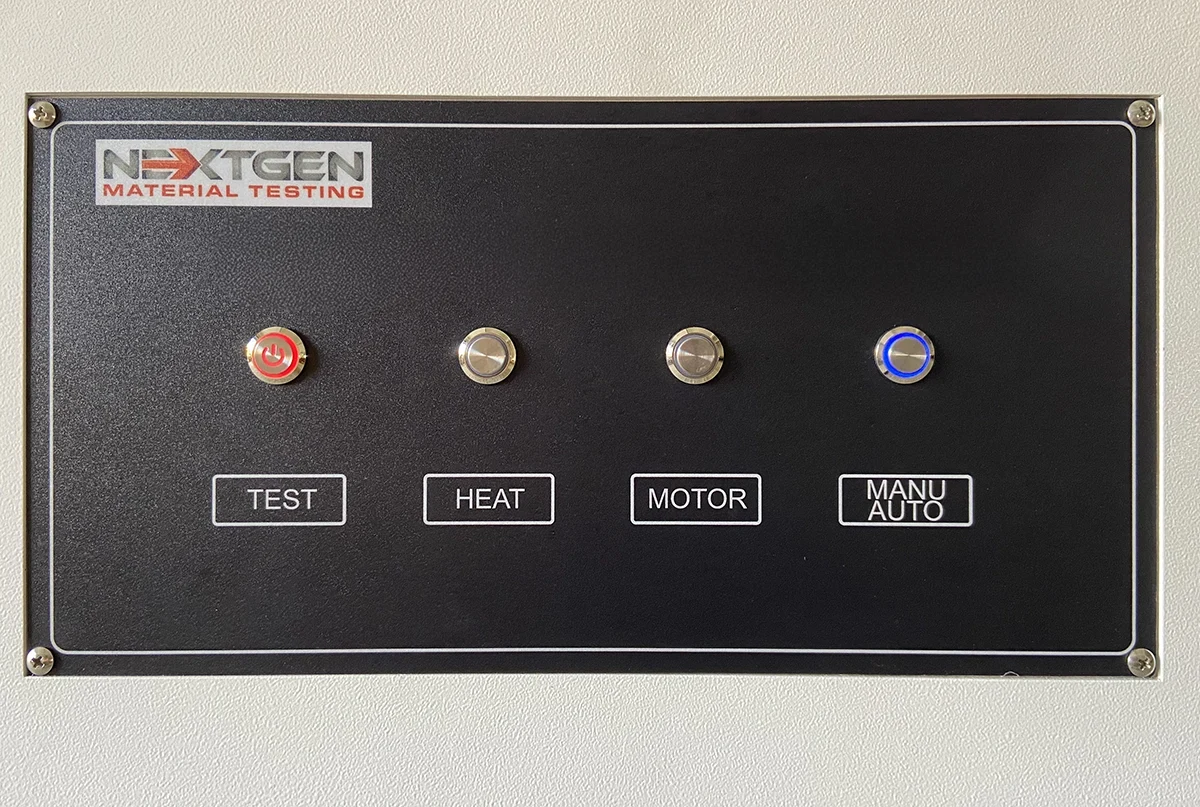
| Control | Computer Controlled |
| Communication Mode | COM Port |
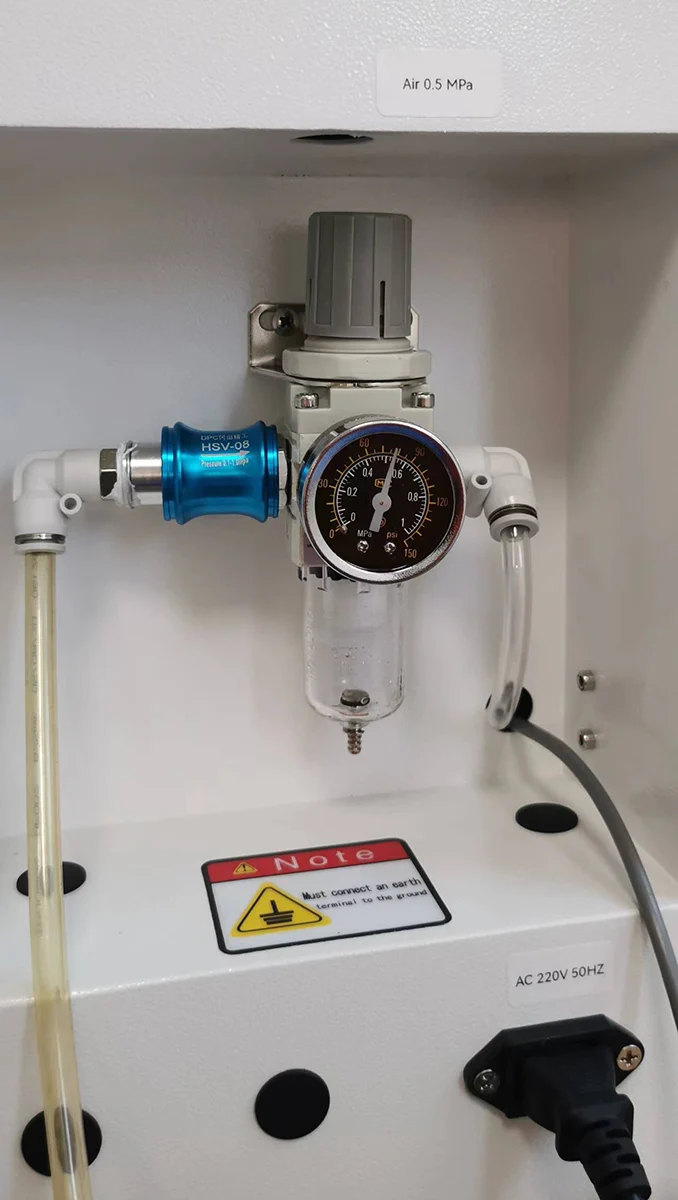
| Air Pressure | 65psi (4.6 bar) - Not including air compressor |
| Specimen Dimensions | 5cm |
| Display | NextGen Software |
| Dimension (W x D x H) | 51.5 x 22 x 24.5" 131 x 56 x 62cm |
| Weight | 498lbs / 226kg |
| Power | 110V/60Hz or 220V/50Hz 1000 W |
FAQs
The Moving Die Rheometer is primarily used to assess the curing behavior and processing characteristics of vulcanized rubber compounds. The test is essential for determining the material's response to heat and pressure during vulcanization. The device works by placing a rubber sample in a sealed cavity, where a die oscillates within the material under controlled conditions. The resistance (torque) applied by the material to the oscillating die is measured, providing insights into the rubber’s stiffness and curing properties.
The Moving Die Rheometer tracks critical parameters such as minimum and maximum torque, as well as specific vulcanization times (Ts1, Ts2, Ts90, etc.), which are vital for ensuring consistent product quality. This data helps manufacturers optimize the rubber curing process, making certain that materials meet the required standards for strength, flexibility, and durability. In the rubber industry, this is an instrument that is widely used for quality control, research, and development purposes.
Click here to learn more about the product or here to receive a personalized quote.
The Moving Die Rheometer (MDR) builds upon and improves the traditional Oscillating Disc Rheometer (ODR) by offering a more advanced and stable solution for testing the curing and processing characteristics of vulcanized rubber compounds. The key difference lies in the design: while the ODR relies on a rotor (oscillating disc) embedded in the rubber sample, the Moving Die Rheometer eliminates this rotor, making the system more precise and durable.
In both systems, the test sample is placed in a sealed cavity under pressure and maintained at an elevated temperature. In the traditional ODR, the oscillating disc applies shear strain to the test piece, and the torque required to oscillate the disc is measured, reflecting the material’s stiffness. However, the MDR's rotor-free design reduces mechanical wear and offers better torque measurement accuracy. This makes the MDR exceptionally stable, producing highly reproducible data across different environments and production settings.
Additionally, the Moving Die Rheometer enhances ease of use with robust functionality, including features like database storage for curves and results, exporting to Excel, statistical analysis, and customizable vulcanization time settings. These advanced features provide users with detailed insights into material performance.
Click here to learn more about the product or here to receive a personalized quote.
The Moving Die Rheometer complies with ASTM D5289, ISO 6502, and DIN 53529 standards. This compliance is a necessity as it guarantees that the device meets international benchmarks for assessing rubber compounds' curing and processing characteristics. Compliance with these standards means that the rheometer provides consistent and reliable results across different industries and laboratories worldwide.
For manufacturers and researchers, compliance with these standards is crucial for improving rubber products' quality and performance. Whether used in quality control or research and development, the MDR ensures test results are consistent with industry expectations and regulations. This level of compliance makes the Moving Die Rheometer a trusted tool in global rubber testing environments, guaranteeing that materials meet safety and performance specifications.
Click here to learn more about the product or here to receive a personalized quote.
The Moving Die Rheometer is designed with a high level of repeatability, meaning that data produced by the instrument is consistently reproducible from one machine to another, regardless of location or time zone. This repeatability helps to ensure that test results remain accurate and reliable across instruments and factories worldwide. Whether used in a research facility or production environment, the rheometer's ability to maintain consistent results is crucial for verifying the quality and performance of vulcanized rubber products.
This feature is especially helpful for global manufacturers, as it eliminates data discrepancies from environmental or geographical factors. The MDR makes certain that rubber testing results are not influenced by time zones or machine variations, providing peace of mind that the data is consistent, reliable, and globally comparable. This level of consistency helps maintain production standardization, leading to better quality control and product reliability.
Click here to learn more about the product or here to receive a personalized quote.
The NG-MDR rotor-free vulcameter stands out for its exceptional stability, consistently delivering reliable results in every testing condition. By eliminating the rotor used in traditional systems, this rheometer minimizes mechanical wear and tear, leading to greater long-term precision and reduced maintenance. The rotor-free design allows for more accurate torque measurements so that the data generated during rubber vulcanization testing is both stable and reproducible.
This stability is critical for industries that rely on precision in material testing, as it guarantees consistent results across different test runs and environments. Whether used in a laboratory or production facility, the NG-MDR provides users with confidence that their results will remain accurate and reliable over time, contributing to better quality control and material performance assessment.
Click here to learn more about the product or here to receive a personalized quote.
The Moving Die Rheometer operates on the principle designed to assess rubber compounds' curing characteristics. A rubber sample is placed in a sealed test cavity, which is subjected to positive pressure and maintained at an elevated temperature. Inside this cavity, a rotor (oscillating disc) is embedded in the sample. The disc oscillates at a small, specified rotary amplitude, applying shear strain to the rubber compound.
The key measurement in this process is the torque (force) required to oscillate the disc, which is directly related to the stiffness (shear modulus) of the rubber compound. As the sample undergoes vulcanization, the rheometer measures how the stiffness changes, providing critical data about the curing process. This method provides accurate tracking of the material’s behavior under heat and pressure, helping manufacturers fine-tune rubber formulations for desired performance characteristics.
Click here to learn more about the product or here to receive a personalized quote.
Yes, the Moving Die Rheometer complies with ASTM D5289, a standard test method for measuring rubber curing characteristics using a rotorless cure meter. This standard outlines the procedures for evaluating the vulcanization process by measuring the torque applied to a rubber sample during oscillation. ASTM D5289 is specifically designed to assess important properties such as cure time, scorch time, and the material’s stiffness (shear modulus) during the vulcanization process.
The Moving Die Rheometer adheres to this standard by providing accurate measurements of the torque required to oscillate the die within the rubber sample, giving insights into the rubber’s behavior as it cures under heat and pressure. The data captured during the test helps manufacturers verify that their rubber compounds meet specifications for flexibility, durability, and performance. Compliance with ASTM D5289 guarantees that the results produced by the Moving Die Rheometer are consistent, reliable, and valid for quality control, research, and development purposes across the rubber industry.
Click here to learn more about the product or here to receive a personalized quote.
Yes, the Moving Die Rheometer complies with ISO 6502, an international standard that outlines methods for determining the cure characteristics of rubber compounds through oscillating rheometers, such as the Moving Die Rheometer. ISO 6502 provides guidelines for measuring critical parameters like torque, curing time, and material stiffness during vulcanization. The standard provides assurance that the equipment used delivers accurate and repeatable results.
Compliance with ISO 6502 means that the Moving Die Rheometer follows a globally recognized testing protocol, making it suitable for evaluating rubber compounds' vulcanization behavior in a standardized manner. By meeting this standard, the Rheometer provides reliable data on curing processes, which is crucial for quality control, research, and material development.
Click here to learn more about the product or here to receive a personalized quote.
Yes, the Moving Die Rheometer complies with DIN 53529, a German standard that specifies testing procedures for assessing rubber compounds' curing behavior. This standard outlines how to measure key parameters such as torque, curing time, and rubber stiffness during the vulcanization process. The DIN 53529 standard is widely used in the rubber industry to ensure that test results are accurate and reliable.
By complying with DIN 53529, the Moving Die Rheometer guarantees that it delivers precise and repeatable data, particularly regarding rubber mechanical properties during curing. This adherence to the standard allows for consistent quality control and product development across different testing environments. DIN 53529 compliance means that manufacturers using the MDR can trust the results for their rubber compounds, whether for research, development, or production purposes, guaranteeing that the material meets industry performance and safety requirements.
Click here to learn more about the product or here to receive a personalized quote.
The Moving Die Rheometer offers comprehensive database functionality that allows users to store important test data, including curves, drawings, and results. This capability makes certain that all testing data is readily available for printing or further analysis at any time. Users can access stored information efficiently, making it easier to review past test results, compare outcomes, and generate reports when needed.
The stored data can be reanalyzed and used for generating customized reports according to specific user requirements. This feature enhances workflow by reducing manual record-keeping and providing convenient data retrieval for quality control or research purposes. Furthermore, the system supports exporting test results to formats like Excel, making data integration and further statistical analysis more streamlined and accessible.
Click here to learn more about the product or here to receive a personalized quote.
Yes, the Moving Die Rheometer allows users to export testing results in Excel format. This feature makes it convenient for users to further analyze and manipulate the data as needed for additional reporting, statistical evaluations, or comparisons. Exporting to Excel allows compatibility with widely used software, enabling seamless integration of the data into broader quality control systems or research databases. It is especially useful for labs and manufacturers who require a great deal of flexibility in the way they handle and present test results, allowing for easier collaboration and sharing across teams when handling test results.
Click here to learn more about the product or here to receive a personalized quote.
The Moving Die Rheometer offers multiple advanced analysis functions, including statistical analysis, deviation setting, standard curve setting, and CPK (Capability Process Index) statistical calculations. These features allow users to perform in-depth analyses of test data directly within the system. The statistical tools help evaluate the performance and consistency of the material being tested, while deviation settings allow for additional customization in setting tolerance limits for quality control.
The standard curve setting provides users with the ability to compare test results against predefined benchmarks, providing assurance that the rubber compound meets the required specifications. CPK calculations help monitor process capability, making sure that the manufacturing process is within the desired performance range.
Click here to learn more about the product or here to receive a personalized quote.
The Moving Die Rheometer interface offers advanced features such as local zoom and curve comparison. These capabilities allow users to closely examine specific sections of their test data by zooming into particular areas of the curves for detailed analysis. The curve comparison feature enables users to overlay multiple test curves to compare results, helping to identify trends or discrepancies across different tests.
This functionality is especially useful for quality control and research, as it allows for a more granular examination of the curing process and material performance. By enabling side-by-side comparison and precise zoom, the interface allows for easier data interpretation, making it simpler to pinpoint variations and verify that rubber compounds meet the necessary specifications. These tools provide a more user-friendly and efficient way to analyze test outcomes without additional software.
Click here to learn more about the product or here to receive a personalized quote.
The Moving Die Rheometer is equipped with several advanced features, including the ability to select any vulcanization time, range selection, and screen capture. These functions provide flexibility in test conduct and analysis. The selection of vulcanization time allows users to customize and control the specific time frame for each test, making certain that the curing process is monitored according to their precise requirements.
Range selection lets users define specific parameters or thresholds for their tests, which enhances control and accuracy during rubber compound analysis. Additionally, the screen capture feature enables users to take snapshots of data or curves directly from the interface, making it easy to document and share results without relying on external tools. These functions improve the overall usability and efficiency of the testing process.
Click here to learn more about the product or here to receive a personalized quote.
Yes, the Moving Die Rheometer can reanalyze previous test data and modify reports according to the user’s specific requirements. This feature allows users to revisit their stored data and apply new analysis techniques or adjust settings based on evolving testing needs. By enabling reanalysis, the rheometer ensures that users can gain further insights from past results without repeating tests.
Additionally, the system provides flexibility in generating reports, allowing modifications to the format and content of reports as needed. This helps in creating customized documentation that aligns with specific projects or client demands. Whether for quality control, research, or detailed comparisons, this functionality guarantees that users have the tools to adapt their analysis and reporting to meet various requirements.
Click here to learn more about the product or here to receive a personalized quote.
The Moving Die Rheometer offers multiple data sequences that provide users with flexible and convenient ways to retrieve stored information. This functionality allows easy access to past test results, enabling quick and efficient data retrieval for analysis or reporting. Users can organize and access their data by various criteria so that they can locate specific results without manual searches.
This feature is particularly useful for labs and manufacturers that need to review multiple tests over time. It simplifies workflow by offering organized access to historical data, which can be used for comparisons, reanalysis, or report generation. The ability to handle multiple data sequences makes the Moving Die Rheometer a powerful tool for maintaining a comprehensive and accessible database of rubber testing results.
Click here to learn more about the product or here to receive a personalized quote.
The Moving Die Rheometer is built with a durable machine frame designed to provide the most stable and accurate readings, regardless of testing conditions. This rugged construction guarantees that the machine can withstand continuous use in demanding production environments, minimizing the impact of external vibrations or environmental changes on the testing process.
By maintaining structural stability, the Moving Die Rheometer consistently delivers precise and reliable data during vulcanization. The strong, robust frame protects the internal components from wear and tear, extending the machine's lifespan and providing accuracy. This durable design makes the Moving Die Rheometer a dependable choice for labs and manufacturers who require long-term stability and reliability in rubber testing.
Click here to learn more about the product or here to receive a personalized quote.
The sealed, fanless housing of the Moving Die Rheometer prevents debris, dust, and other particles from entering the critical components of the machine. This protection ensures that the internal systems remain clean and free from contamination, which is crucial for maintaining test results' precision and accuracy. The fanless design eliminates airflow, reducing debris infiltration risk and resulting in a longer-lasting, more reliable performance in harsh environments.
By avoiding fans, the system also reduces noise and mechanical wear, contributing to quieter, low-maintenance operation. This sealed, fanless design is especially valuable in industrial or lab settings where environmental factors impact sensitive testing equipment.
Click here to learn more about the product or here to receive a personalized quote.
How does the wearless torque drive in the Moving Die Rheometer improve its precision and durability?
This Moving Die Rheometer is equipped with a wearless direct torque drive motor, which significantly improves the precision and durability of the device. This advanced motor design eliminates mechanical wear commonly associated with traditional torque drive systems, resulting in consistent and highly accurate torque measurements throughout the testing process. The system maintains accuracy over time without degradation of performance due to the removal of components that are prone to wear, such as belts and gears.
The wearless design of the machine increases long-term durability and reduces the need for frequent maintenance, helping the machine to perform optimally in challenging production environments. As a result, even after extensive use, the Moving Die Rheometer will continue to deliver precise and accurate data for rubber vulcanization tests for a long time to come.
Click here to learn more about the product or here to receive a personalized quote.
Yes, the Moving Die Rheometer allows for customizable strain modification with software-programmable settings that range from 0.01° to 5.0°. This feature enables users to tailor the testing parameters to their specific requirements, providing flexibility in how strain is applied during the vulcanization testing process. By adjusting the strain modification, users can simulate different real-world conditions and evaluate the rubber compound’s performance under different strain levels.
This customization is particularly useful for research, product development, and quality control, where precise adjustments are necessary to meet unique testing goals or material specifications. Whether you need to test small or large deformations, the programmable strain modification feature allows the Moving Die Rheometer to adapt easily to diverse testing scenarios, resulting in accurate and relevant results for a wide range of applications.
Click here to learn more about the product or here to receive a personalized quote.
Yes, the Moving Die Rheometer (NG-MDR) is equipped with advanced diagnostics and condition monitoring routines that help maintain the equipment in optimal condition. These internal diagnostic systems continuously monitor the machine's performance, so that any issues or inefficiencies are detected early. This proactive approach helps prevent unexpected breakdowns and guarantees consistent and accurate operation over time.
The condition monitoring routines also provide real-time feedback on the machine's health, allowing users to address potential maintenance needs before they affect the accuracy or reliability of test results. This advanced diagnostic capability is crucial in laboratories and production environments where continuous, high-quality performance is essential, minimizing downtime and guaranteeing that the machine is always ready for precise rubber testing.
Click here to learn more about the product or here to receive a personalized quote.
Yes, the Moving Die Rheometer offers optional cooling systems to increase versatility and meet specific testing requirements. These cooling systems allow users to control the temperature during testing, which is essential for evaluating rubber compounds' behavior under various thermal conditions. By integrating cooling systems, the rheometer can simulate a broad range of real-world scenarios, including rapid temperature changes or maintaining low temperatures during vulcanization testing.
This optional feature is particularly beneficial for manufacturers and researchers who need precise temperature management to meet the specific needs of different rubber compounds. The ability to regulate cooling helps guarantee that material performance is accurately assessed, especially in applications where temperature sensitivity is a critical factor. These cooling systems enhance the overall functionality and adaptability of the Moving Die Rheometer.
Click here to learn more about the product or here to receive a personalized quote.
The Moving Die Rheometer provides detailed testing curves and results critical for analyzing rubber compounds' vulcanization process. These curves help measure specific torque values and times, which correspond to various stages of vulcanization:
-
ML (Minimum Torque): This measures the viscosity or flow characteristics of the unvulcanized rubber sample, indicating how easily the material can deform before curing.
-
MH (Maximum Torque): This represents the shear modulus or rigidity of the fully vulcanized rubber sample, showing the stiffness after curing is complete. As well as the maximum torque of flat and titration curves, it covers even when these curves don't appear within the expected time frame.
-
Ts1, Ts2, Ts10, Ts30, Ts60, Ts90 (Minimum Times): These reflect the incremental increases in torque (ML) over time, showing how quickly the rubber cures. For example, Ts1 is the time required for the torque to increase by 1 dNm over ML, while Ts90 represents the time when the torque reaches 90% of the difference between ML and MH, indicating optimal vulcanization.
Click here to learn more about the product or here to receive a personalized quote.
The Moving Die Rheometer comes with standard configurations to ensure optimal operation and testing flexibility. These include:
-
Sealing rings (10 pcs): Used to maintain airtight conditions within the test cavity, maintaining pressure and temperature control.
-
Heating plate (2 pcs): These plates are critical for controlling and maintaining elevated temperatures required for vulcanization testing.
-
High-temperature paper (3 copies): This paper is used in high-temperature testing environments to provide accurate measurements without affecting the sample or equipment.
-
Desktop (PC - 1 set): A desktop computer is provided for running the software and managing test data, allowing smooth control over testing operations.
-
Printer (1 set): The included printer allows immediate printouts of test results, facilitating easy documentation.
-
Hexagonal wrench (1 set): A hex wrench is supplied for maintenance and adjustments so that the equipment can be quickly tuned as needed
Click here to learn more about the product or here to receive a personalized quote.
The Moving Die Rheometer operates within a temperature range from room temperature to 22°C – 200°C. This extensive range of temperatures is crucial for accurately assessing the vulcanization process of rubber compounds. Rubber curing requires specific temperature conditions to induce chemical changes. The ability to maintain such a precise temperature range allows the material’s behavior, particularly its mechanical properties like stiffness, strength, and elasticity, to be monitored accurately throughout the curing process.
This temperature control is particularly important for quality control and research in industries that rely on rubber materials, such as automotive, aerospace, and manufacturing. By simulating the heat conditions rubber materials will experience during actual use, the Moving Die Rheometer allows manufacturers to optimize formulations, making certain that their products meet durability and performance standards under various thermal conditions.
Click here to learn more about the product or here to receive a personalized quote.
The Moving Die Rheometer offers a temperature accuracy of 0.3°C. This high level of precision is necessary for maintaining consistent and reliable test conditions during rubber compound vulcanization. Even slight deviations in temperature can impact the curing process, leading to variations in the material's mechanical properties such as stiffness, strength, and elasticity. By guaranteeing that the temperature remains within a tight tolerance, the rheometer provides more accurate and reproducible test results.
This precise temperature control is particularly important in industries, where material performance must meet strict standards. Whether used in research or quality control, the ability to maintain such accuracy ensures that rubber compounds are tested under consistent thermal conditions, leading to better predictions of how the material will perform in real-world applications. The ±0.3°C accuracy increases the reliability of the rheometer's data.
Click here to learn more about the product or here to receive a personalized quote.
The Moving Die Rheometer features a temperature display resolution of 0.01°C, meaning it can measure and display temperature changes with a high degree of precision. This fine resolution is crucial in rubber vulcanization testing, where even the smallest variations in temperature can significantly affect the curing process and the final properties of the rubber, such as elasticity, stiffness, and durability.
The ability to monitor temperature changes to the nearest 0.01°C allows for greater control and guarantees that test conditions are as accurate and consistent as possible. This precision helps manufacturers and researchers fine-tune their testing protocols, leading to more reliable data for assessing rubber compounds' performance and quality under controlled thermal conditions. The high resolution makes certain that critical temperature fluctuations are detected, providing confidence in the material testing process and assuring that the material meets industry standards.
Click here to learn more about the product or here to receive a personalized quote.
The Moving Die Rheometer operates at an oscillation frequency of 1.6Hz, equivalent to 100 revolutions per minute (r/min). This frequency is significant because it directly impacts the shear strain applied to the rubber sample during testing. The consistent oscillation of the die allows for precise measurements of the material’s stiffness (shear modulus) as the rubber undergoes vulcanization.
By maintaining a steady oscillation frequency, the rheometer guarantees that the rubber compound is tested under controlled and repeatable conditions. This frequency is optimal for assessing how the material responds to mechanical strain, providing valuable data on the curing behavior and processing characteristics of rubber. The oscillation frequency plays a crucial role in ensuring the accuracy and reliability of test results, which are a crucial element for quality control, research, and development in the rubber manufacturing industry.
Click here to learn more about the product or here to receive a personalized quote.
The Moving Die Rheometer has a heating rate of 120°C per minute, which allows for rapid temperature adjustments during vulcanization testing. This fast heating rate is crucial for assuring that the rubber sample reaches the desired testing temperature quickly, minimizing the time needed to stabilize the sample under heat. It simplifies the testing process by reducing waiting periods and increasing overall testing efficiency.
A rapid heating rate also ensures that the rubber compound undergoes consistent thermal exposure, which is essential for an accurate assessment of its curing behavior. By heating the material at a controlled and fast pace, the rheometer makes certain that temperature-related variables do not interfere with the results, providing reliable data on rubber vulcanization characteristics. This is particularly beneficial in industrial settings where high-throughput testing is necessary.
Click here to learn more about the product or here to receive a personalized quote.
The Moving Die Rheometer features a torque range of 0 - 20Nm, which is ideal for measuring the resistance (torque) applied to the rubber sample during the vulcanization process. This torque range allows the rheometer to evaluate both the minimum and maximum torque values, providing a comprehensive understanding of the material's stiffness and mechanical properties as it transitions from an unvulcanized to a fully cured state.
By covering this torque range, the rheometer can accurately assess the viscosity, shear modulus, and overall rigidity of the rubber compound. These measurements are critical for determining the curing characteristics of the material, making certain that it meets the desired performance specifications for various applications. The broad torque range also enables the testing of a broad range of rubber compounds, making the Moving Die Rheometer a versatile tool for both research and quality control in the rubber industry.
Click here to learn more about the product or here to receive a personalized quote.
The Moving Die Rheometer has a minimum torque reading of 0.001Nm, which is highly helpful for providing precise measurements of the torque applied to the rubber sample during testing. This high level of sensitivity allows the rheometer to detect even the smallest changes in the material's stiffness, especially during the early stages of vulcanization when the rubber is soft and less resistant to deformation.
Accurate minimum torque readings are crucial for understanding the initial viscosity of unvulcanized rubber and for tracking how it cures under heat and pressure. This precision ensures that manufacturers and researchers can closely monitor the curing process, making it easier to optimize rubber formulations and ensure consistent product quality. The 0.001Nm sensitivity enables the rheometer to capture detailed data on a wide range of rubber compounds.
Click here to learn more about the product or here to receive a personalized quote.
The Moving Die Rheometer offers swing angles of ±0.5°C, ±1°C, and ±2°C, with the standard matching angle being 1 degree. These swing angles refer to the range within which the oscillating die moves during testing, applying varying levels of shear strain to the rubber sample. The ability to choose between different swing angles allows for greater flexibility in testing, as it enables the rheometer to simulate different real-world strain conditions that rubber compounds may encounter.
This flexibility is important for accurately evaluating the material's behavior under different strain levels so that the curing process is assessed comprehensively. By offering multiple swing angles, the Moving Die Rheometer provides detailed insights into how different rubber formulations respond to mechanical stress. This allows for better optimization of the material’s properties for specific applications.
Click here to learn more about the product or here to receive a personalized quote.
The Moving Die Rheometer operates with a swing angle of 100 revolutions per minute (r/min), or 1.66Hz. This swing angle refers to the frequency at which the die oscillates during the testing process, applying shear strain to the rubber sample. The oscillation is crucial for measuring the torque response of rubber as it undergoes vulcanization, which helps determine the material's stiffness (shear modulus) and curing characteristics.
The frequency of 100 r/min (1.66Hz) guarantees that the strain is applied consistently and accurately throughout the test, allowing for precise measurements of the rubber's behavior during the vulcanization process. This consistent swing angle is essential for ensuring repeatable and reliable data, which is critical for quality control and material development in the rubber industry. The specific swing angle settings allow for flexibility in adapting the test conditions to match different rubber formulations.
Click here to learn more about the product or here to receive a personalized quote.
The Moving Die Rheometer is computer-controlled, meaning that all testing processes, data management, and adjustments are managed via dedicated software. This computer control system allows for precise testing parameter configuration, such as temperature, torque, and swing angle. The user-friendly software interface provides a streamlined way to set up, monitor, and analyze tests, making it easier to manage complex testing sequences.
In addition to controlling the instrument, the software also handles data storage, analysis, and reporting, allowing users to efficiently retrieve and export test results for further review. This level of automation ensures consistency in testing conditions and reduces human error, making the Moving Die Rheometer an ideal tool for both research and quality control in rubber testing.
Click here to learn more about the product or here to receive a personalized quote.
The Moving Die Rheometer utilizes a COM port (serial communication port) for its communication mode. This type of communication is necessary for establishing a stable and reliable connection between the Rheometer and the computer that controls it. The COM port ensures seamless and uninterrupted data transfer, allowing for accurate and real-time control of testing parameters such as temperature, torque, and timing.
Using a COM port also increases compatibility with different operating systems and laboratory setups, making it easier for users to integrate the rheometer into their existing testing environment. The straightforward and dependable nature of COM port communication guarantees that the test data is transmitted efficiently, which is vital for maintaining accuracy and reliability in both research and quality control applications.
Click here to learn more about the product or here to receive a personalized quote.
The Moving Die Rheometer requires an air pressure of 65 psi (4.6 bar) to operate effectively, though it does not include an air compressor. This air pressure is necessary to maintain the sealed test environment within the rheometer during testing so that the rubber sample is subjected to the correct pressure conditions throughout the vulcanization process.
Proper air pressure is crucial for obtaining accurate and consistent test results, as deviations in pressure could affect the mechanical properties of the rubber being tested. Maintaining stable air pressure allows the instrument to simulate real-world conditions more effectively, providing reliable data for quality control, research, and product development in the rubber industry. Users will need an external air compressor to supply the required pressure.
Click here to learn more about the product or here to receive a personalized quote.
The Moving Die Rheometer is designed to accept rubber specimens with dimensions of 5 cm. This standard specimen size guarantees that the sample fits securely within the sealed test cavity, allowing the machine to perform accurate and consistent testing. Proper specimen dimensions are essential for maintaining uniform pressure and temperature during the test, which directly impacts the quality of the torque and curing data collected.
Using the correct specimen size is important for achieving reliable results, as it guarantees that the rubber material is subjected to the same conditions throughout the testing process. Consistent specimen dimensions help eliminate variability in testing, making the results more reproducible and comparable between different tests or production batches. This is critical for both research and quality control applications in the rubber industry.
Click here to learn more about the product or here to receive a personalized quote.
The Moving Die Rheometer is equipped with a NextGen Software display. This software interface provides a user-friendly, intuitive platform for controlling the rheometer and monitoring the test process in real-time. The NextGen Software allows users to easily set testing parameters, track data as it is collected, and manage various testing sequences with precision.
Additionally, the software supports data visualization, enabling users to view critical information such as torque curves and vulcanization times directly on the screen. The clear and organized display makes it possible for users to interpret results quickly, while built-in features like local zoom and curve comparison further enhance the analysis process. Overall, the NextGen Software-powered display improves the efficiency and accuracy of the rubber testing process, making it easier for users to manage tests and evaluate results.
Click here to learn more about the product or here to receive a personalized quote.
The Moving Die Rheometer has dimensions of 51.5 x 22 x 24.5 inches (equivalent to 131 x 56 x 62 cm). These dimensions are crucial for understanding the physical footprint of the machine, and making sure that users have adequate space for installation in their laboratories or production facilities. The compact design allows for efficient use of space while maintaining robust construction for precise rubber testing.
The machine's size is balanced to accommodate the necessary components, including the test chamber, temperature controls, and software interface, without taking up excessive room. Understanding the dimensions also helps in planning for any additional equipment, such as an air compressor or cooling systems, needed alongside the rheometer. This allows for optimal performance and ease of integration into existing workflows.
Click here to learn more about the product or here to receive a personalized quote.
The Moving Die Rheometer weighs 498 lbs (226 kg). This substantial weight reflects the robust construction of the machine, which is necessary for maintaining stability during testing. The heavy frame minimizes vibrations and external influences, ensuring that the testing environment remains consistent and that accurate torque and temperature measurements are recorded without interference.
The weight also contributes to the machine’s durability, allowing it to withstand continuous use in industrial settings without compromising performance. For laboratories or production facilities, understanding the weight is important for planning the installation and assuring that appropriate support and space are available for the machine. The sturdy build guarantees reliable operation over time, making the Moving Die Rheometer a dependable tool for precise rubber testing in both research and production environments.
Click here to learn more about the product or here to receive a personalized quote.
The Moving Die Rheometer operates with power requirements of 110V/60Hz or 220V/50Hz, with a power consumption of 1000 watts. This dual voltage capability makes it possible for the rheometer to be used in a variety of regions around the world, as it accommodates both North American (110V) and European (220V) power standards. The flexibility in power settings makes the equipment suitable for use in different industrial and laboratory environments globally.
The 1000W power consumption ensures that the rheometer delivers the necessary energy to maintain precise control over its operations, including heating, oscillation, and data processing. Understanding the power requirements is crucial for achieving a proper setup in a facility, including compatibility with the available electrical infrastructure and maintaining efficient operation without overloading circuits. This power specification also highlights the machine’s capability to handle rigorous and continuous testing demands.
Click here to learn more about the product or here to receive a personalized quote.
Related Products
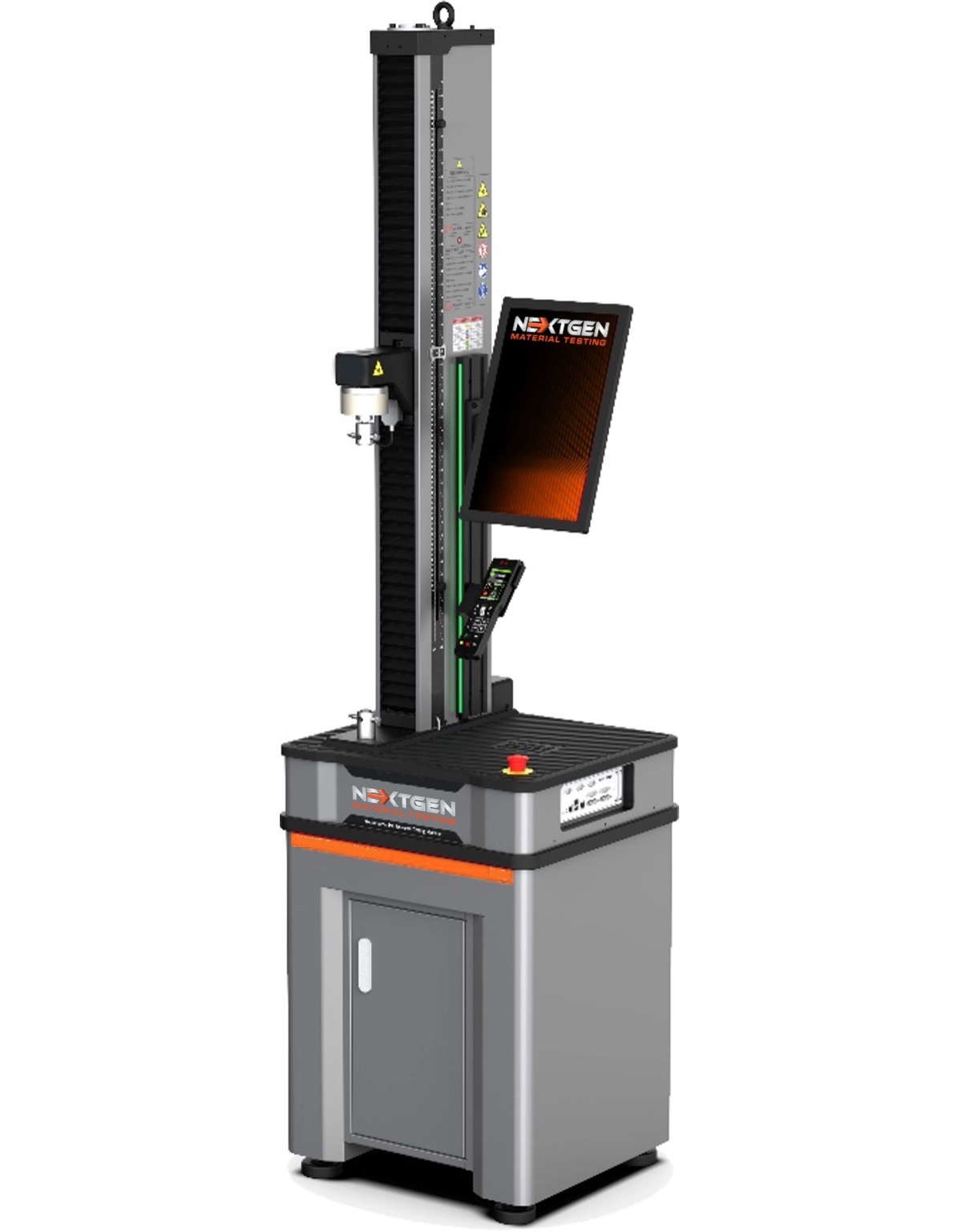
NG-EML Series A – Single Column Bench Top Universal Testing Machine (50 N – 5 kN)
NG-EML Series A is a compact single-column benchtop universal testing machine for low-force tensile, compression, and flexural testing. Covering 50 N to 5 kN capacity options, it is suited for rubber, plastics, adhesives, films, foams, wires, metals, composites, and consumer products. Its electromechanical frame, high-speed servo actuation, GenTest software, and standards support make it practical for R&D and routine QC.
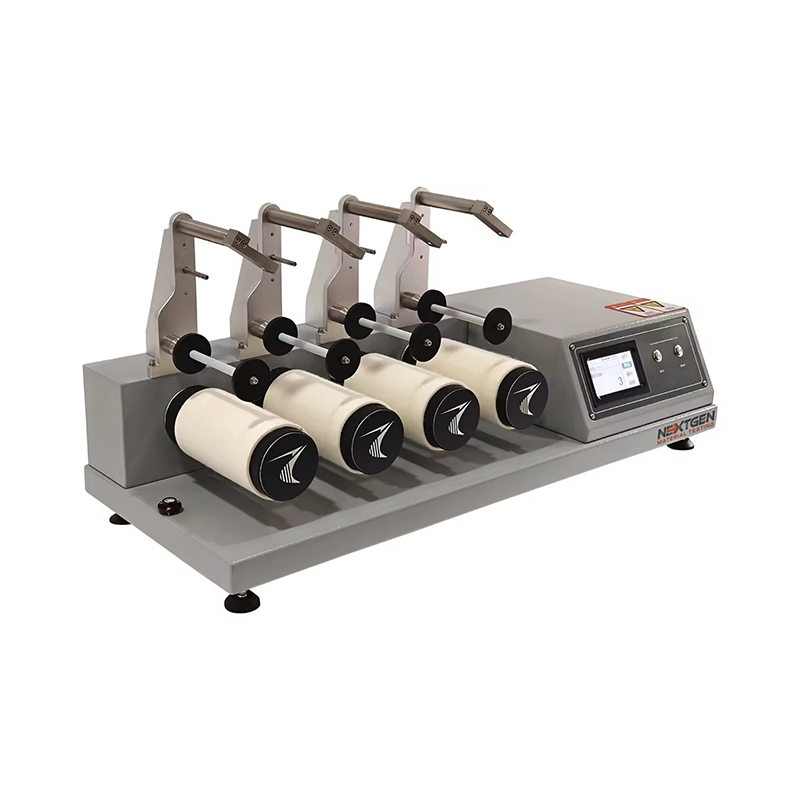
ICI / Mace Snag Tester
The ICI / Mace Snag Tester evaluates the snagging resistance of fabrics by simulating real-world wear in a controlled laboratory setup. Using a rotating drum and mace-style hammer action, it creates repeatable snagging conditions so samples can be compared against reference fabrics. Compliance with ASTM D3939, JIS L1058, and GB/T 11047 makes it suitable for textile durability and quality-control testing.
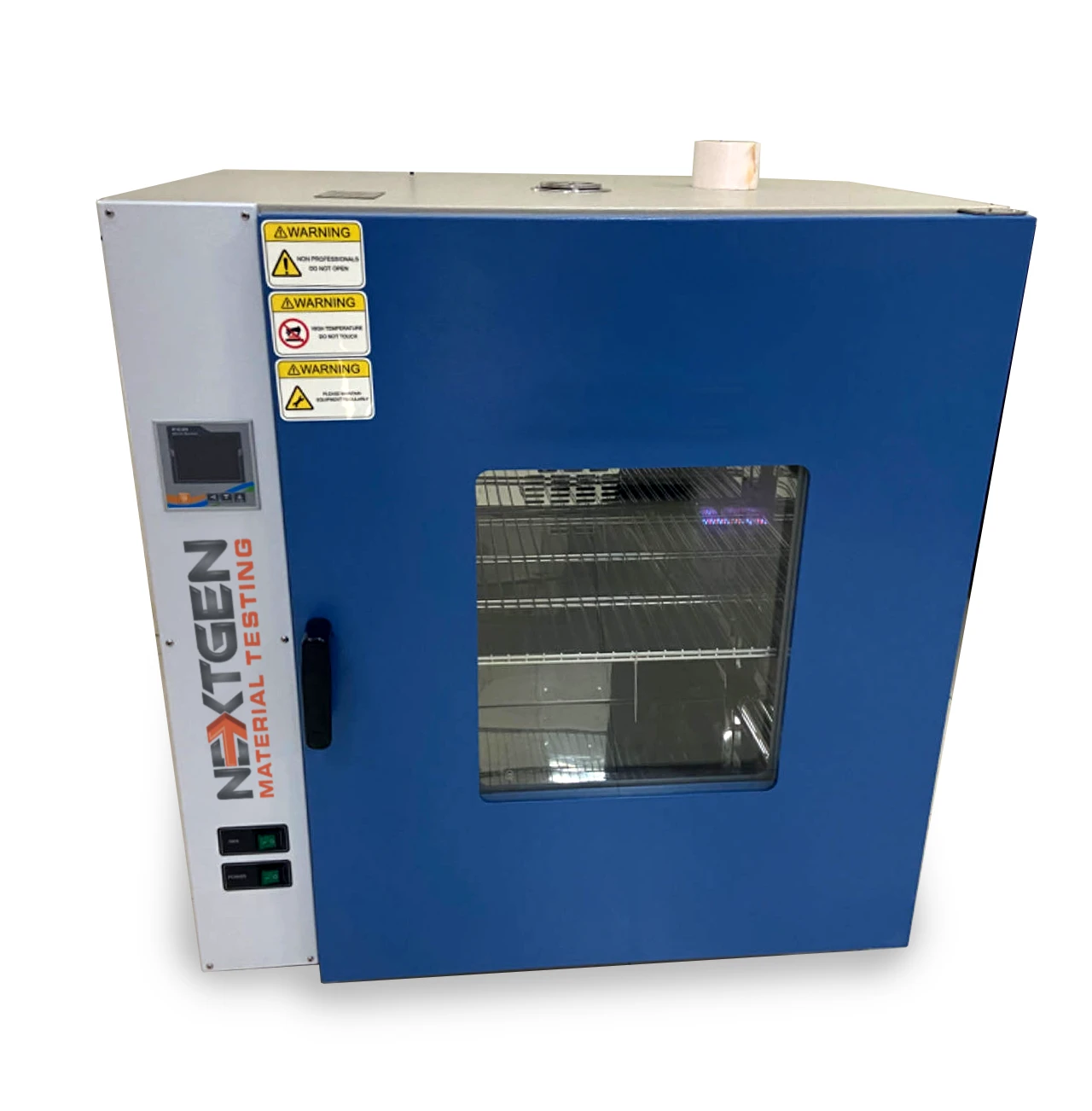
Aging Oven – High-Temperature Chamber – NG-AGOV-ADV
NG-AGOV-ADV is a high-temperature aging oven for testing how rubber, plastics, elastomers, insulating materials, and similar products respond to long-term heat exposure. It simulates accelerated aging, thermal stability, and heat resistance conditions up to 300°C using forced convection, PID control, programmable cycles, stainless chamber construction, adjustable trays, over-temperature protection, and real-time monitoring. ISO 188, ASTM D573, IEC 60216-4-1, and GB/T 3512 support compliance workflows.
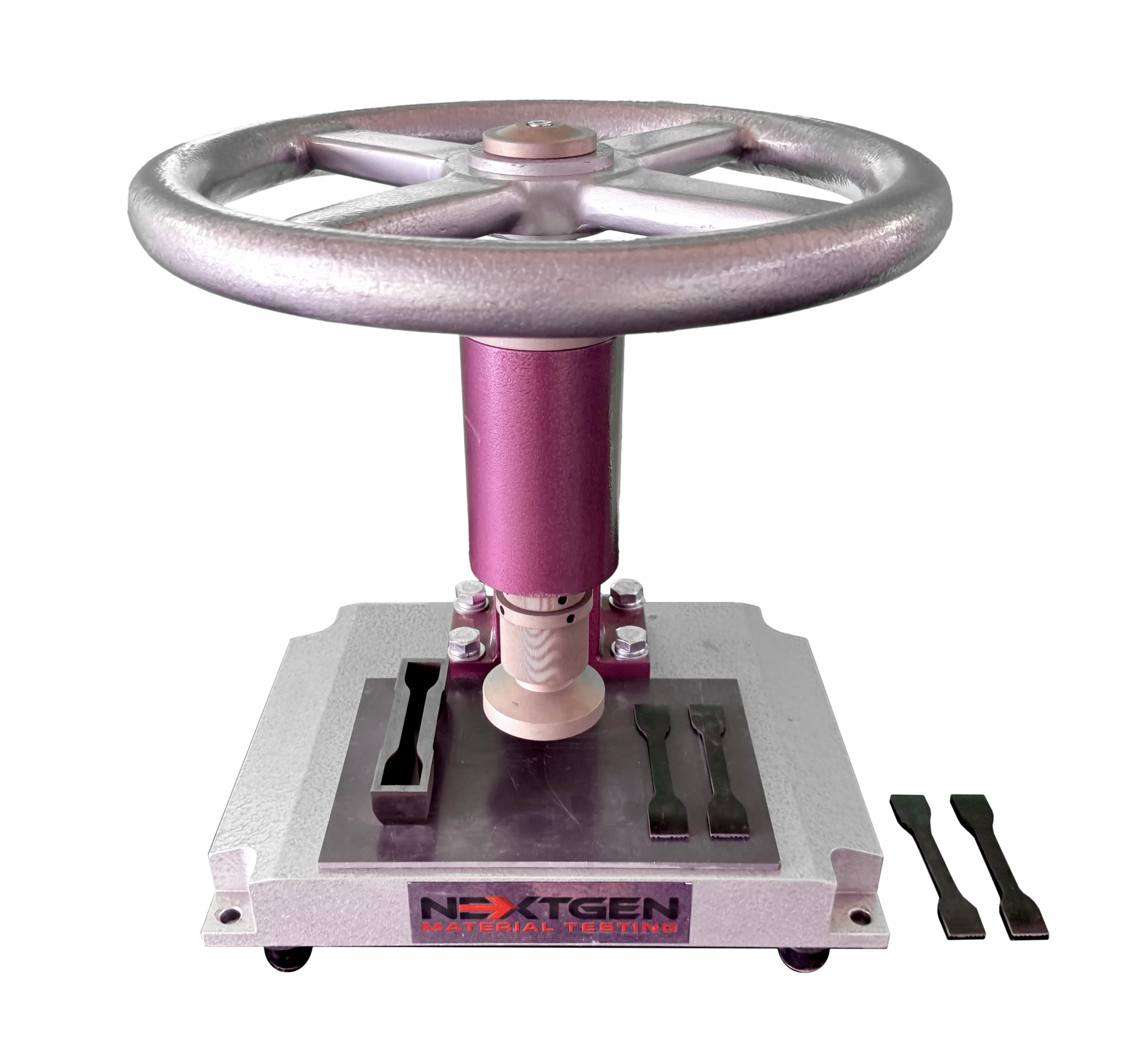
NG-T-Press M Series - Manual Cutting Press System for Rubber Tensile Specimens
NG-T-Press M Series is a compact manual cutting press for preparing rubber, tape, and specialty material specimens for tensile and mechanical testing. With optional knives for standards such as ASTM D412, ASTM E8, ASTM B557, and ASTM A370, plus 30 kN punching force, quiet operation, and a 25 mm stroke, it helps labs create accurate, repeatable test samples with minimal setup.
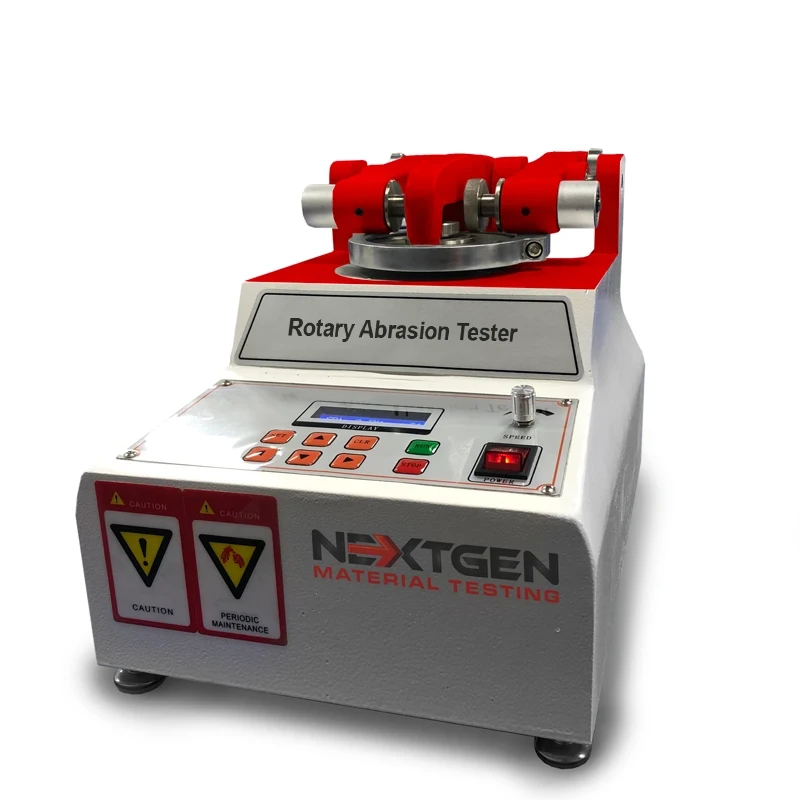
Rotary Abrasion Tester Single & Dual Wheel
NextGen’s Rotary Abrasion Tester is available in single- and dual-wheel configurations for evaluating surface wear resistance on rubber, plastics, fabrics, paper, coatings, leather, floor tiles, glass, plywood, and related materials. Controlled rotating speed, specified loads, abrasion wheels, LCD touchscreen counting, and automatic shutdown help laboratories compare weight loss, wear index, and surface durability under repeatable abrasion conditions.
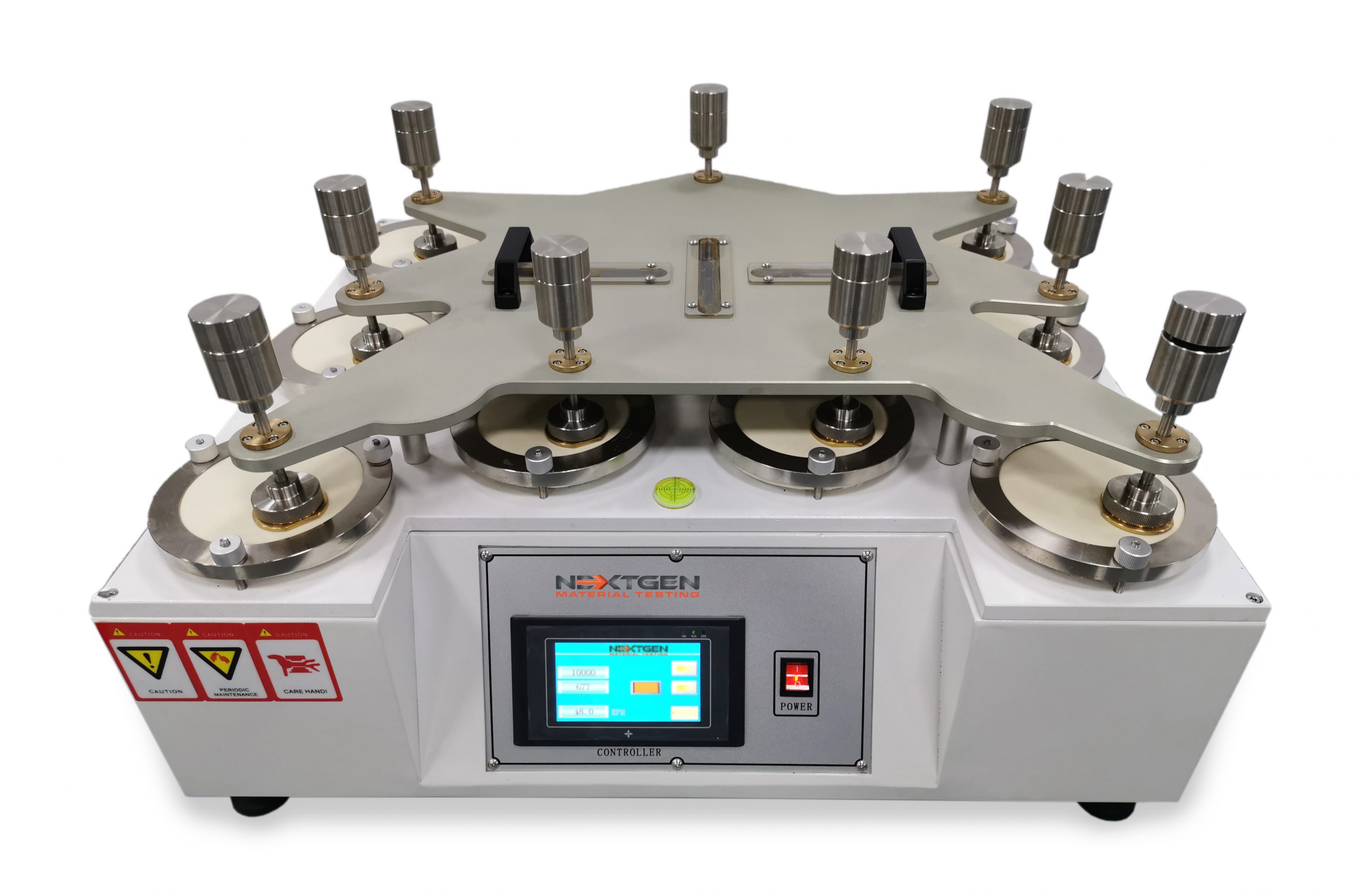
9-Station Martindale Abrasion Tester
GenDale 9-Station Martindale Abrasion Tester measures abrasion resistance and appearance change in shoe fabrics, linings, coated fabrics, textiles, and related materials. Its Martindale rubbing motion supports wet or dry testing, with PLC programmable control, adjustable speed, touchscreen operation, and simultaneous specimen handling to improve throughput. Standards alignment with ISO 12947, ISO 5470-2, and ISO 20344 makes it useful for footwear and textile QC.
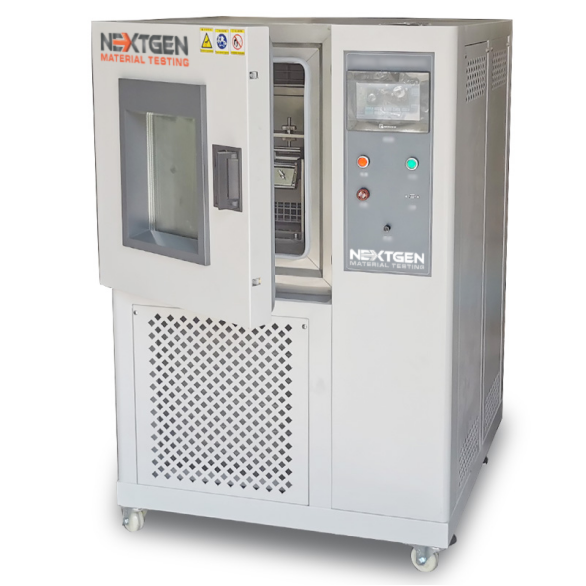
GenRoss-CH - Ross Flex Tester with Low Temperature Chamber
GenRoss-CH is a Ross flex tester with an integrated low-temperature chamber for evaluating cold resistance and folding durability of shoes and shoe materials. With a -20°C to +150°C temperature range, programmable temperature control, 90° bending angle, adjustable cycling speed, and capacity for up to six test pieces, it supports repeatable footwear and rubber material testing under controlled conditions.
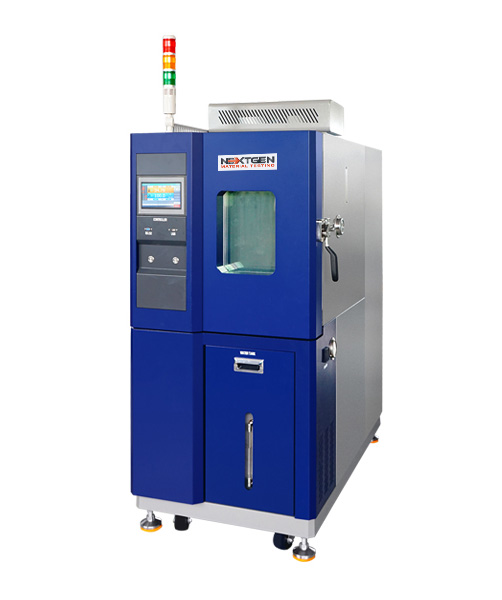
NextGen Environmental Chambers NG-EC 100,150,225,408,1000
NextGen NG-EC Environmental Chambers provide controlled temperature and humidity conditions for material, product, and quality-control testing. Available in 100, 150, 225, 408, and 1000 L sizes, they feature insulated steel construction, stainless interior walls, mechanical compression refrigeration, circulating air ducts, adjustable sample racks, a viewing window, and 7-inch touchscreen control to support stable, repeatable environmental simulation.
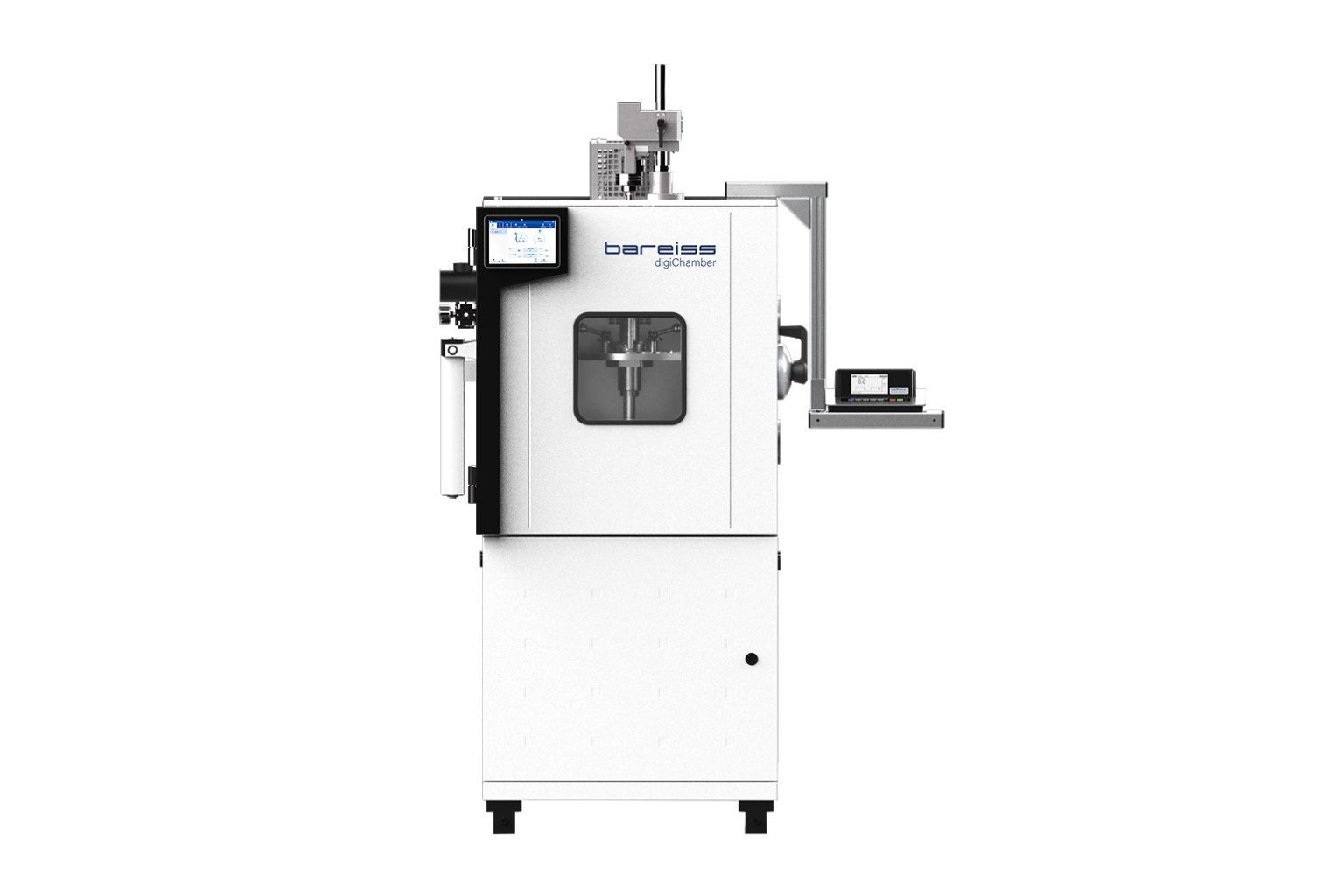
digiChamber - Temperature Controlled Hardness Testing
digiChamber is a temperature-controlled rubber hardness testing system designed by Bareiss for Shore A and IRHD N testing under extreme environmental conditions. It combines an automatic test sequence, large 200-liter chamber, 7-inch touchscreen, digiCenter software, and multi-sample tray handling to evaluate rubber parts at controlled temperatures, helping automotive, tire, and quality-control labs verify hardness performance under realistic thermal stress.
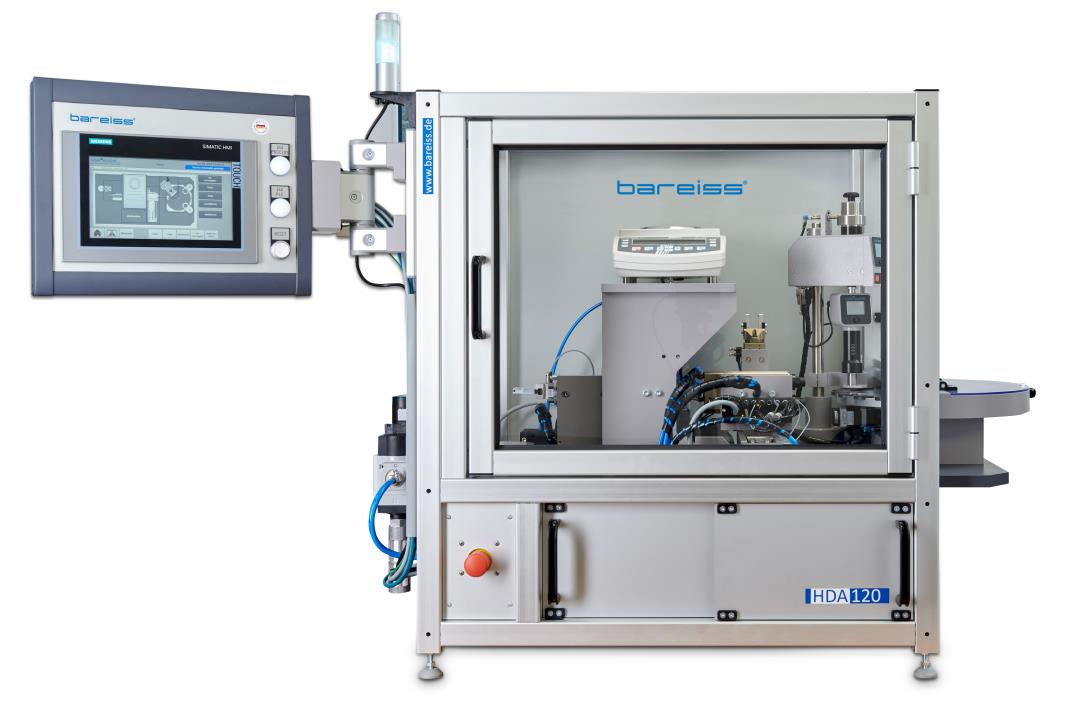
HDA 120 - Hardness and Density Automation Test System
HDA 120 is a semi-automatic hardness and density automation system for rubber and plastic sample characterization. It can handle up to 20 samples, perform three hardness measurements on a rotary table, and transfer specimens for density determination using a pneumatic gripping system. Data interfaces, touchscreen operation, ISO-compliant methods, and automated handling help improve throughput, traceability, and repeatability.
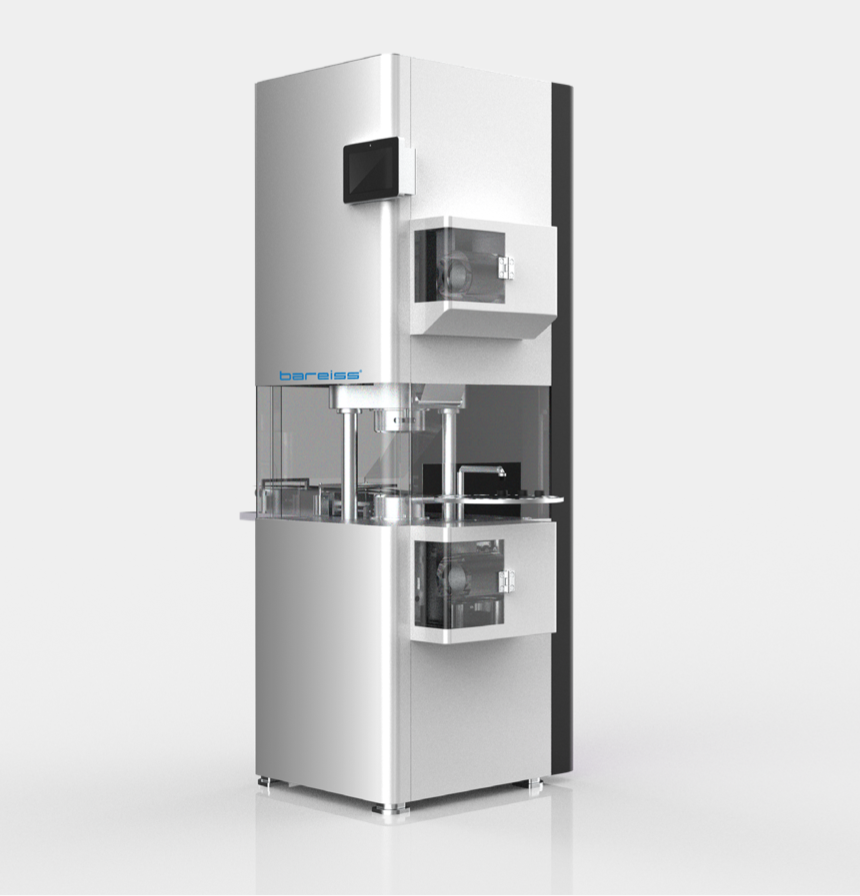
RPA Ultra - Advanced Rubber Process Analyzer Rheometer
RPA Ultra is an advanced rubber process analyzer rheometer for measuring dynamic and static properties of raw rubber compounds and elastomers during processing and cure. Its closed-cavity moving die design, direct-drive deformation control, broad torque range, frequency capability up to 100 Hz, and high-pressure pneumatic sealing help labs characterize viscoelastic behavior, cure response, modulus, viscosity, tan δ, and processing performance.
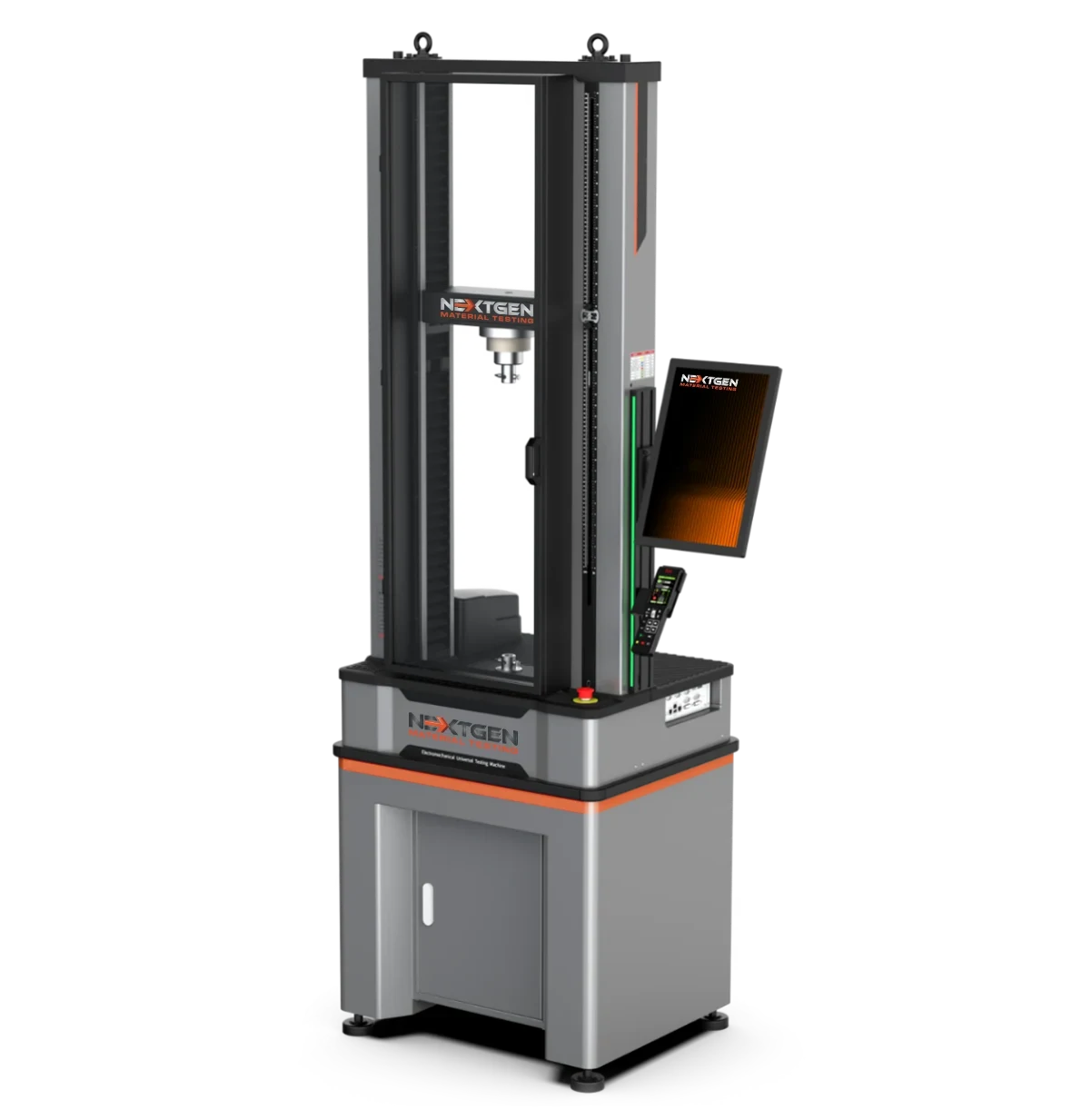
NG-EML Series B – Dual Column Bench Top Universal Testing Machine (100 N – 10 kN)
NG-EML Series B is a dual-column benchtop electromechanical universal testing machine for precision testing from 100 N to 10 kN. Built for research and industrial labs, it supports tension, compression, flexural, and component testing of composites, high-strength metals, polymers, films, foams, and rubber. Its compact rigid frame, advanced control accuracy, and GenTest software help deliver repeatable results in limited lab space.
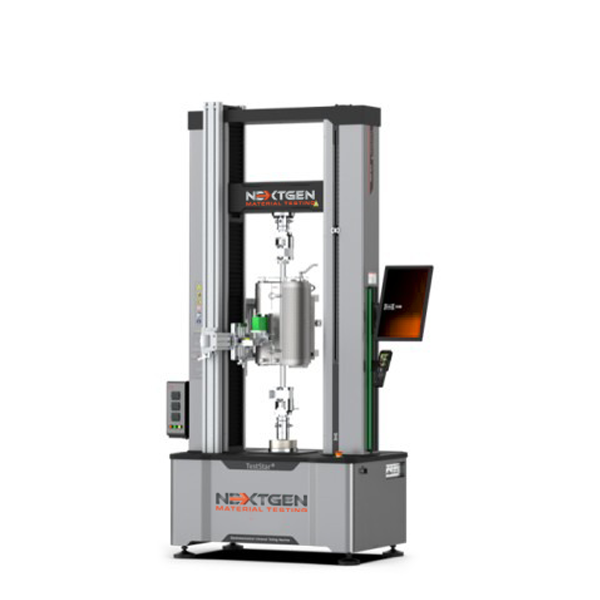
NG-EML Series C – Dual Column Bench Top and Floor Standing Universal Testing Machine (5 kN – 50 kN)
NG-EML Series C is a dual-column electromechanical universal testing machine available in bench-top and floor-standing formats from 5 kN to 50 kN. Built for tension, compression, flexural, shear, and peel testing, it combines Class 0.5 accuracy, a servo direct-drive system, high-rigidity frame, touchscreen control, and GenTest software to support precise testing of metals, composites, rubber, plastics, and polymers.
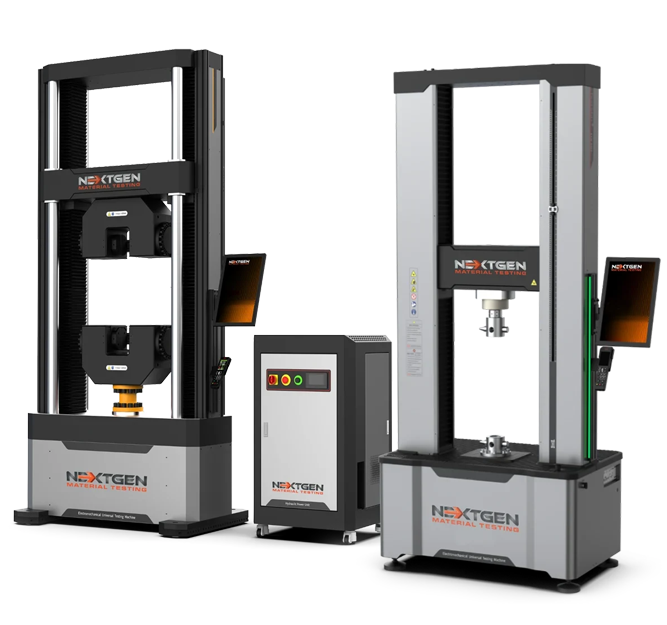
NG-EML Series D – Floor Standing Universal Testing Machine (50 kN – 1000 kN)
NG-EML Series D is a heavy-duty floor-standing electromechanical universal testing machine for high-capacity tensile, compression, and flexural testing. Available from 50 kN to 1000 kN, it is built for high-strength steels, advanced composites, alloys, and challenging research materials. Its rigid dual-column frame, servo direct-drive system, closed-loop control, safety protections, and GenTest software support stable, accurate testing.
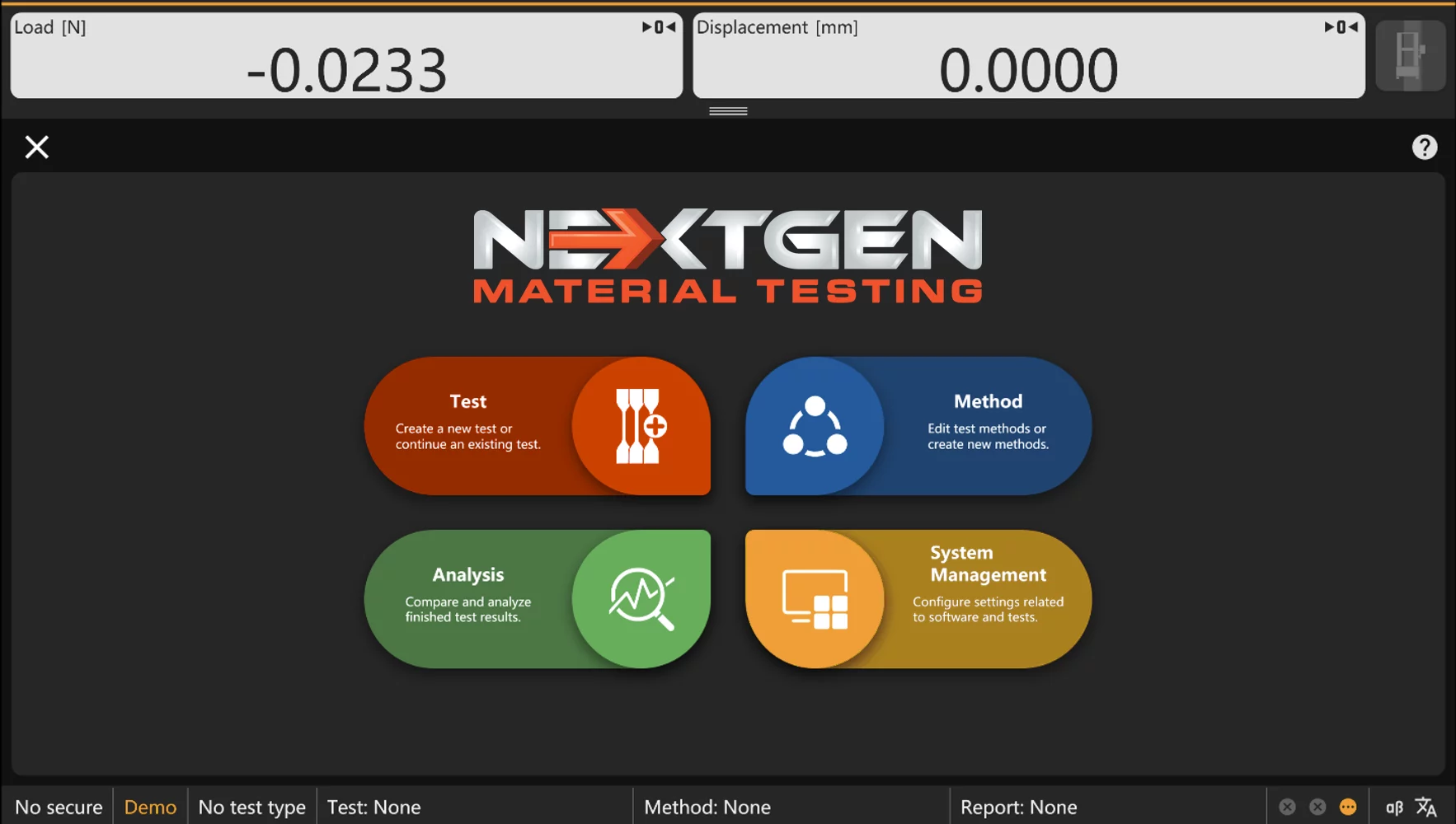
GenTest – Advanced UTM Testing Software
GenTest is NextGen’s advanced UTM testing software for electromechanical universal testing machines, managing test setup, live control, data acquisition, calculations, curves, and reporting from one method-driven environment. Preconfigured ASTM, ISO, DIN, EN, and BS templates help operators load the correct control mode, speeds, gauge length, formulas, and result fields for tensile, compression, and flexural tests.
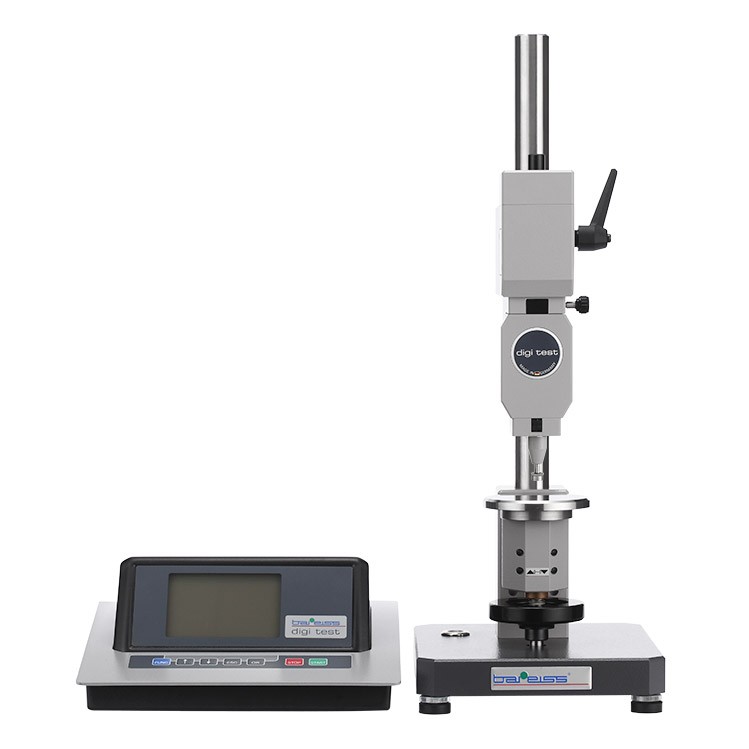
Automatic Shore, IRHD and VLRH Hardness Testing System
Digi Test II is an automatic Shore, IRHD, and VLRH hardness testing system for rubber, plastics, foams, elastomers, O-rings, tubes, hoses, and shaped parts. It combines an electronic control unit, loading module, test stand, and interchangeable measuring heads with automatic range recognition, programmable measuring time, USB output, and low-operator-influence operation. DIN, ISO, ASTM, BS, and DAkkS certificate support strengthen repeatability.
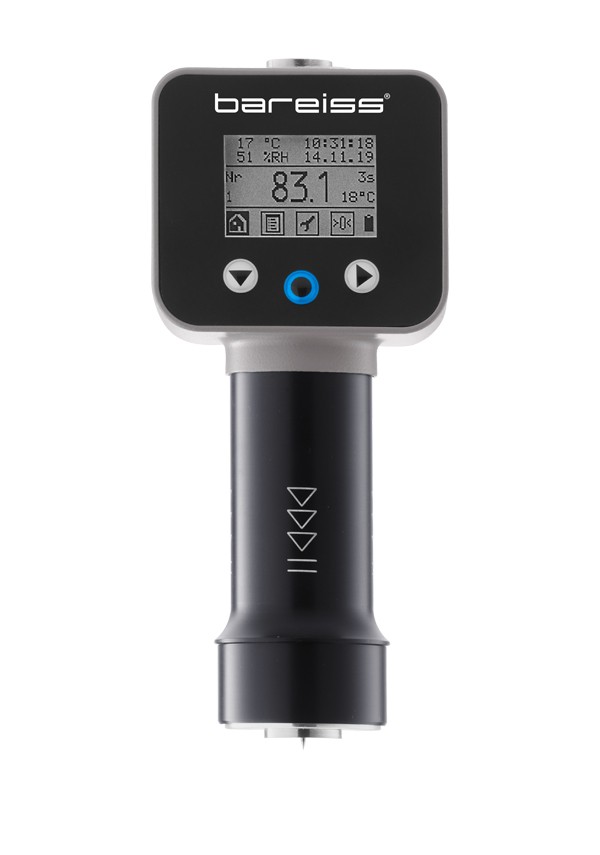
Advanced Portable Shore Durometer System with Test Stand Options
HPE III is an advanced portable Shore durometer system for hardness testing of rubber, plastics, and related materials. It measures hardness while also displaying specimen or environmental temperature and humidity, helping users track conditions during testing. A large LCD display, aluminum casing, patented ergonomic hand grip, USB connection, historical data display, rechargeable operation, and compatible manual or automatic test stands improve repeatability.
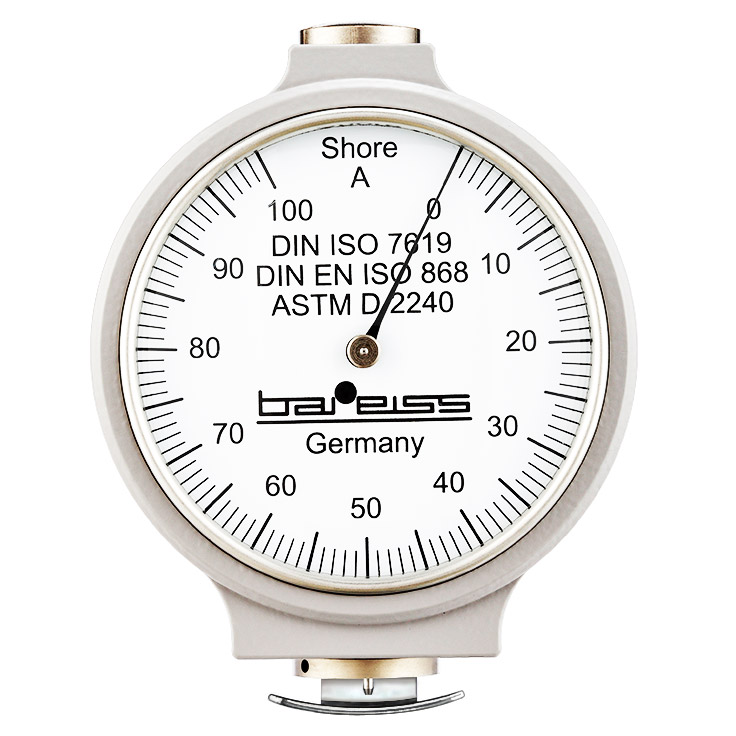
Classic Analogue Shore Durometer with Test Stand Options
The Classic Analogue Shore Durometer is a German-manufactured hardness tester for rubber and plastic materials, available with manual or automatic test stand options. Known as a long-standing Shore hardness benchmark, it supports portable measurements, ergonomic operation, reference blocks, control rings, calibration accessories, and DAkkS/DKD certificate options. DIN 53505, EN ISO 868, ASTM D2240, and JIS K 6253 compatibility supports reliable verification.
Akron Abrasion Tester
GenKron Akron Abrasion Tester measures abrasion resistance by tracking volumetric loss from a rotating specimen exposed to a standard grinding wheel. Designed for harder rubber materials such as shoe soles, tires, and similar compounds, it uses controlled rubber wheel speed, grinding speed, adjustable inclination, specified loading, and LCD cycle counting to support repeatable wear comparisons in rubber product development and quality control.
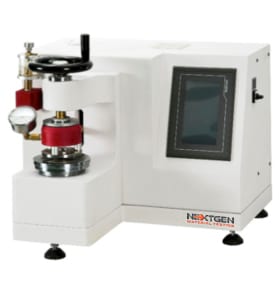
Burst Strength Tester for Fabric
GenBurst is a burst strength tester for measuring the rupture resistance of fabric, leather, paper, and similar sheet materials under hydraulic pressure. Available in manual and automatic models, it uses a hydraulic diaphragm system with pressure transducers, capacity up to 100 kgf/cm², and ISO 2759 and ASTM D2210 compliance to support standardized durability, packaging, textile, and quality-control testing.
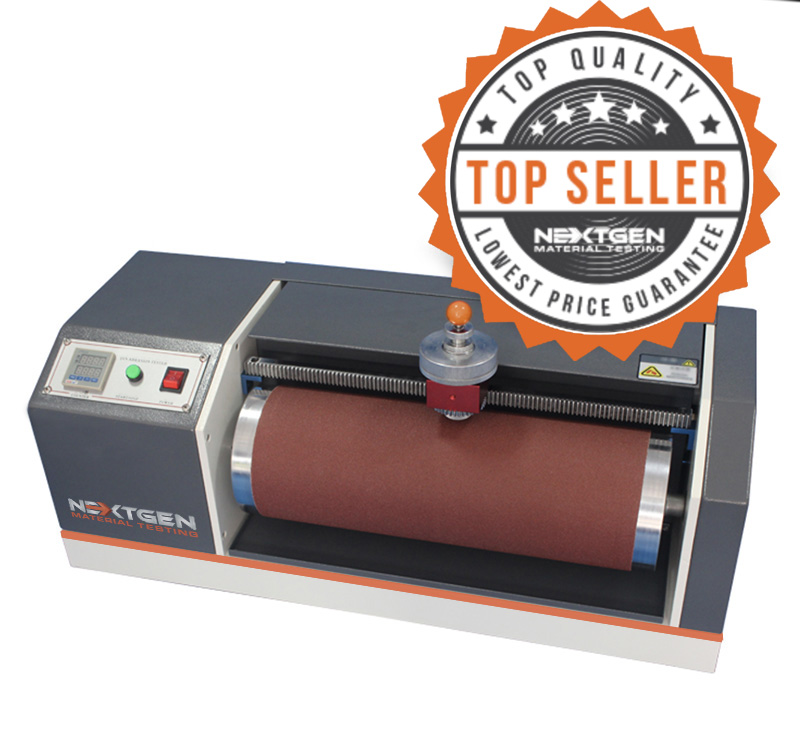
DIN Abrasion Tester
GenDin is a DIN abrasion tester for measuring abrasion resistance of vulcanized rubber, thermoplastic elastomers, footwear materials, tires, seals, and other rubber components exposed to frictional wear. The test moves a specimen across an abrasive sheet on a rotating drum and reports volume loss or abrasion index. ASTM D5963, ISO 4649, DIN 53516, EN ISO 20344, and SATRA TM174 support standardized comparisons.
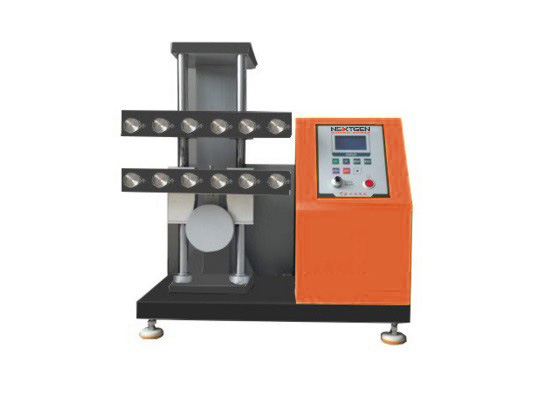
Demattia Flex Cracking Tester
GenFlex Demattia Flex Cracking Tester evaluates the ability of rubber products to withstand repeated flexing without developing cracks. It simulates standard flexing conditions of speed, stroke, and deformation to assess flex endurance in rubber and elastomer specimens. With selectable specimen formats, high-cycle LCD counting, controlled reciprocating motion, and stable fixture spacing, it helps laboratories compare compound durability for products exposed to repeated bending.
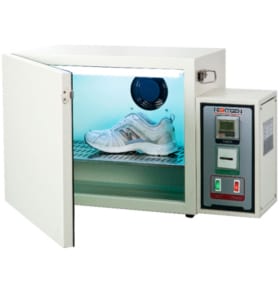
Discoloration Meter
The Discoloration Meter simulates sunlight and heat exposure to evaluate how fabrics, rubber, plastics, and other materials resist fading or discoloration. Available in compact and larger chamber configurations, it uses UV lamps, controlled temperature up to 200°C, sample racks, and an LED control display to support repeatable colorfastness testing for quality control, material comparison, and durability evaluation under accelerated environmental conditions.
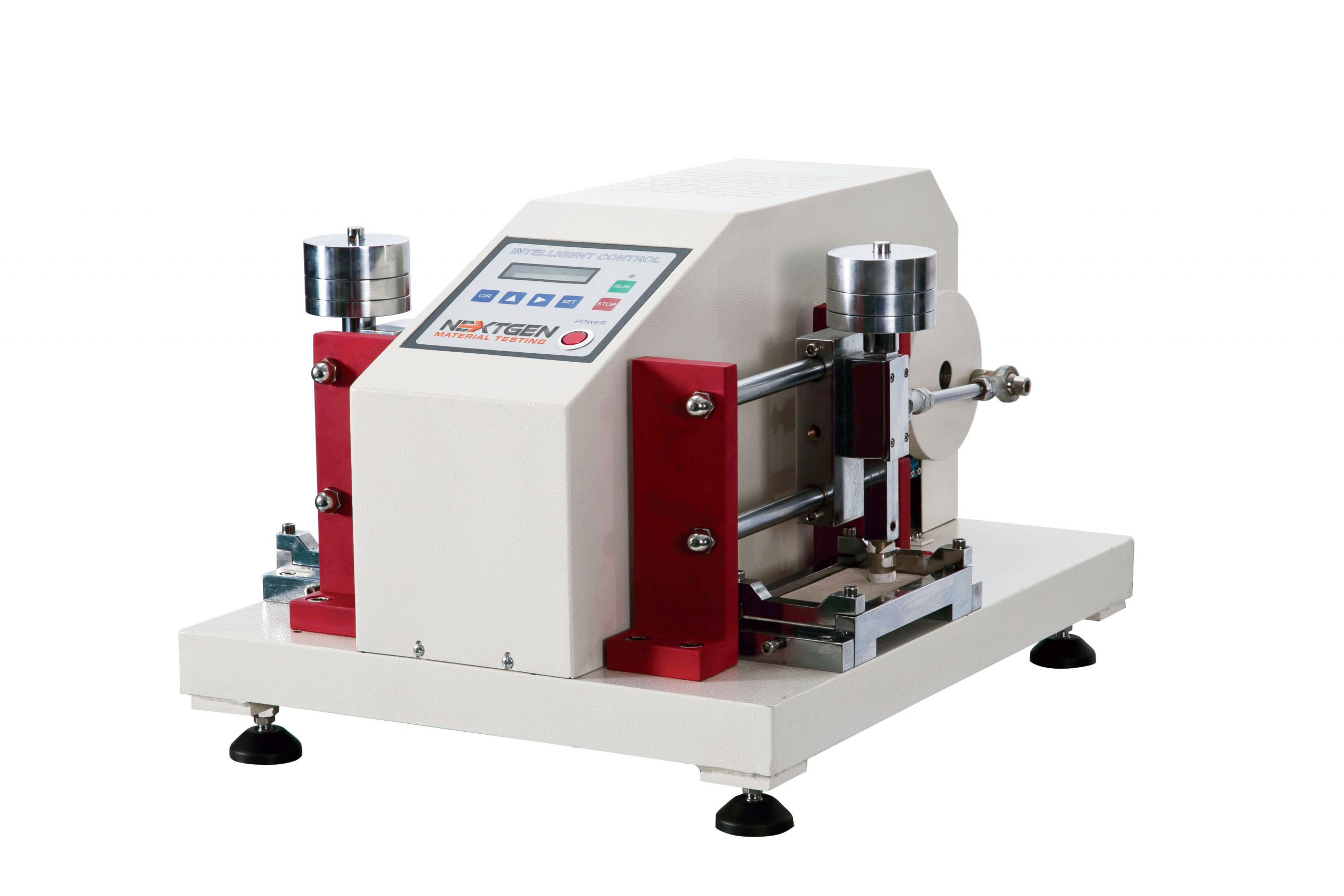
Electric Crocking Tester - GenCrock
GenCrock is an electric crocking tester for evaluating color transfer and fading on fabric, leather, and dyed surfaces after dry or wet rubbing. The specimen is fixed to the base and rubbed with a controlled abrasive hammer carrying wet or dry cloth. This repeatable setup helps laboratories rate dyeing quality, colorfastness, and surface durability for textile, leather, and product QC.
Freezing Tester - GenFreeze
GenFreeze is a freezing tester for evaluating rubber, leather, plastics, PU leather, footwear materials, and related products under cold-climate conditions. It allows operators to adjust flexing or impact-style fixtures according to the test demand, then expose specimens inside a controlled low-temperature chamber. Stainless construction, PID control, safety protection, viewing window, lighting, and intelligent power-failure recovery support repeatable cold-resistance testing.
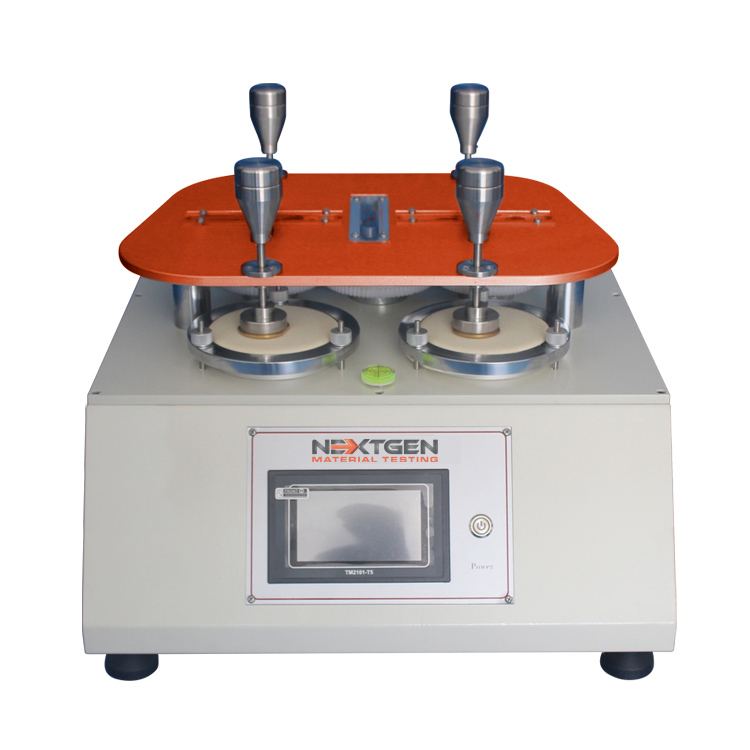
Martindale Abrasion Tester - GenDale
GenDale is a Martindale abrasion tester for evaluating abrasion resistance and visible wear in shoe fabrics, linings, textiles, and related materials. It tests up to four specimens at once using controlled multi-directional rubbing motion, with results based on the number of cycles until wear or hole formation appears. The system supports footwear, textile, and material QC labs needing repeatable durability comparisons.
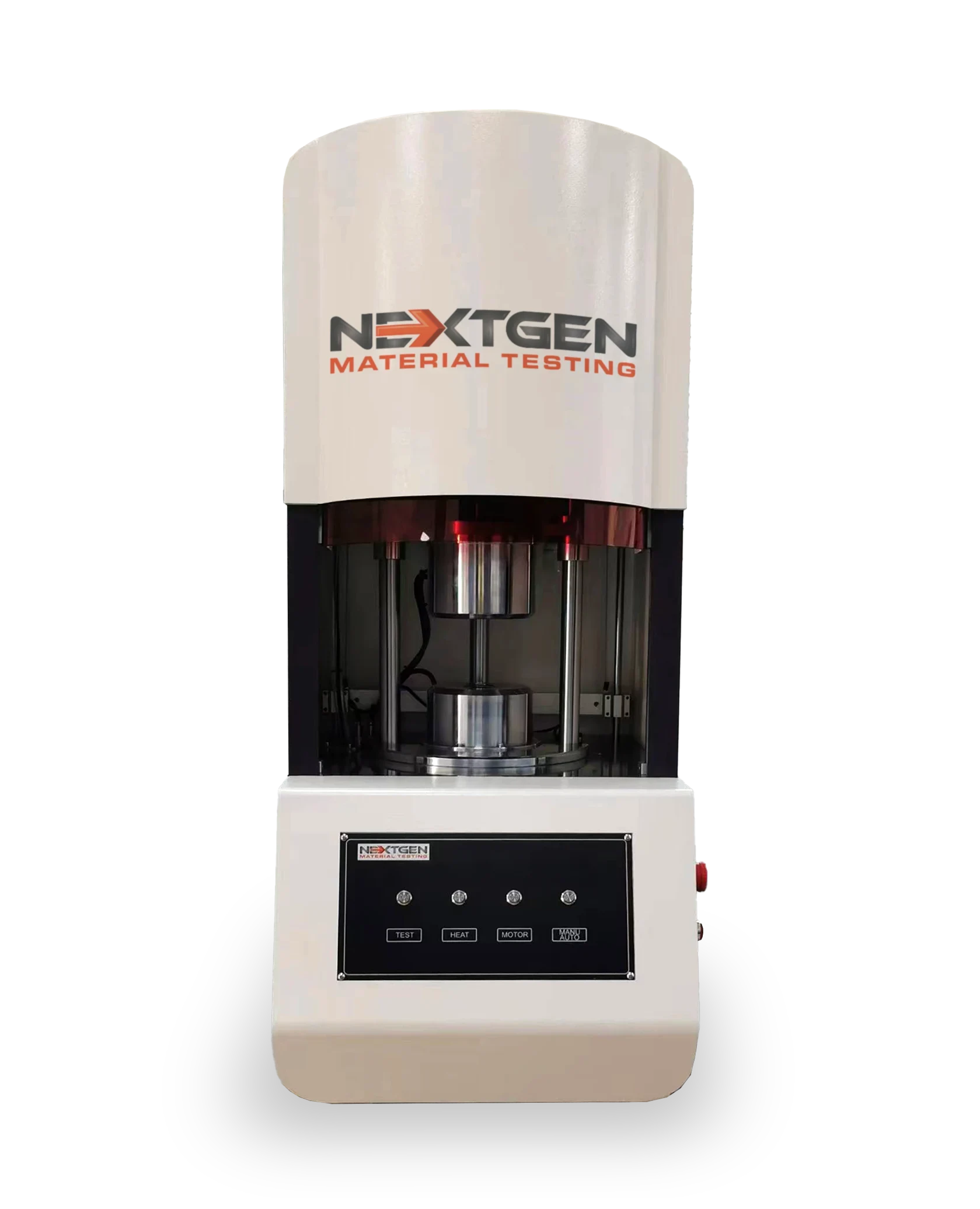
Mooney Viscosity Testing Machine - GenMooney
GenMooney is a Mooney viscosity testing machine for measuring viscosity, scorch behavior, and stress relaxation in unmixed or mixed unvulcanized natural, synthetic, and regenerated rubber. It combines fast heating, stable temperature control, high-precision torque measurement, automated calibration, data acquisition, and software reporting to support ASTM D1646, ISO 289, ISO 667, and GB/T 1233 workflows in rubber QC and formulation development.
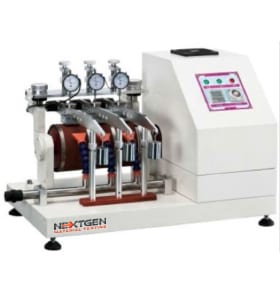
NBS Rubber Abrasion Tester - GenNBS
GenNBS is an NBS rubber abrasion tester for evaluating abrasion resistance of vulcanized rubber and related compounds, especially shoe soles and heels. It measures volumetric loss as specimens contact standardized abrasive media mounted on a rotating cylinder. Intelligent power-failure recovery, 45±5 rpm rotation, three specimen load sets, LCD counting, #40 grinding paper, and ASTM D1630 and D394 support make it useful for standardized rubber wear testing.
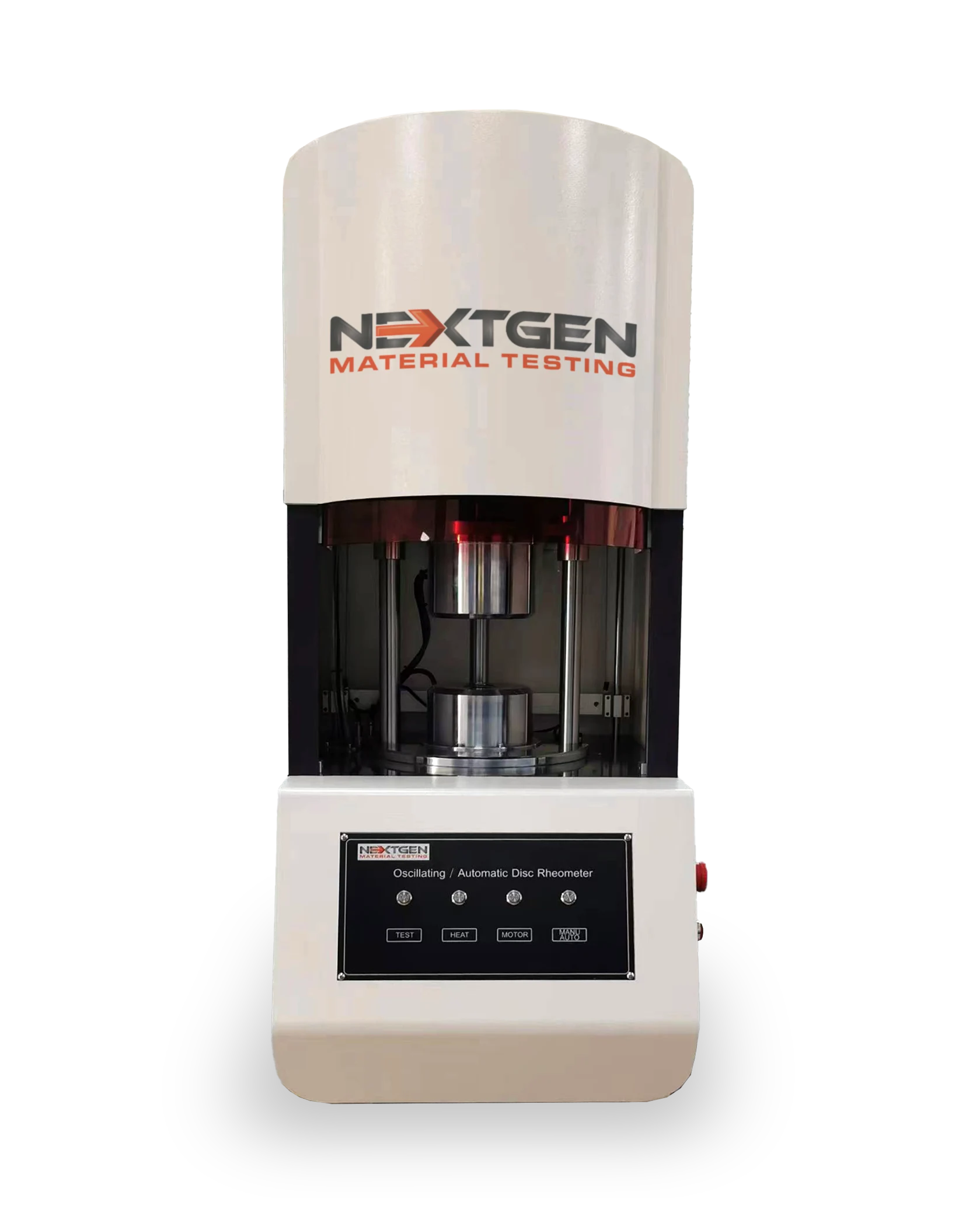
Oscillating / Automatic Disc Rheometer (ODR)
NG-ODR is an oscillating disc rheometer for measuring curing and processing characteristics of rubber compounds. It records torque response as a rubber sample is held in a heated sealed cavity and sheared by an oscillating disc, producing vulcanization curves and key parameters for QC, research, and production. Database storage, Excel export, curve comparison, statistical tools, and ASTM D2084, ASTM D5289, and ISO 6502 support reliable analysis.
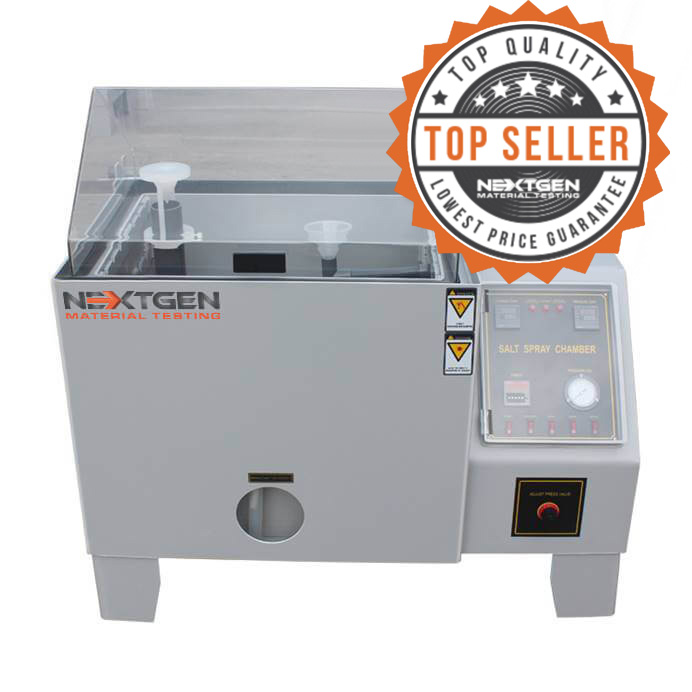
Salt Spray Tester - GenSalt
GenSalt is a salt spray tester for accelerated corrosion testing of metals, coated components, paints, varnishes, electroplating, anodizing, and rust-prevention treatments. It simulates controlled salt-fog exposure to evaluate how materials and protective finishes withstand corrosive environments. ASTM B117 alignment, reinforced PVC construction, SUS304 saturated air tank, precision air-pressure control, titanium heating tube, timing memory, and safety alarms support reliable long-duration QC testing.
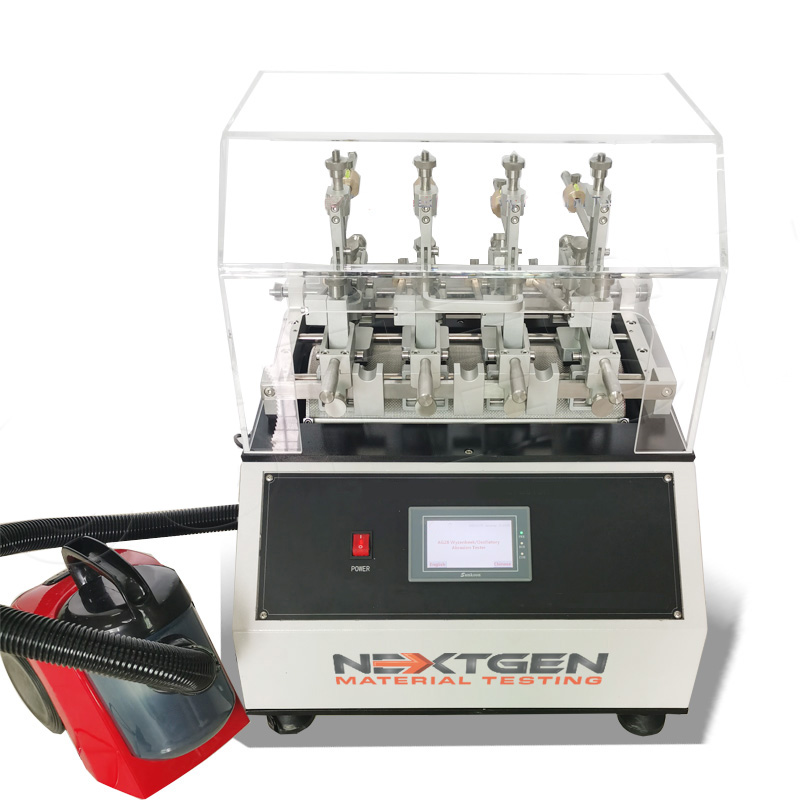
Wyzenbeek Abrasion Tester - GenWyze
GenWyze is a certified Wyzenbeek abrasion tester for measuring abrasion resistance of fabrics, upholstery materials, and selected coated or metallic surfaces. The specimen is pulled over a curved frame and rubbed against an abradant until visible wear appears, with results reported in cycles or double rubs. Four test chambers, adjustable load, ASTM D4157, ASTM D3597, ISO 12402-7, and automotive-method compatibility support standardized durability comparisons.
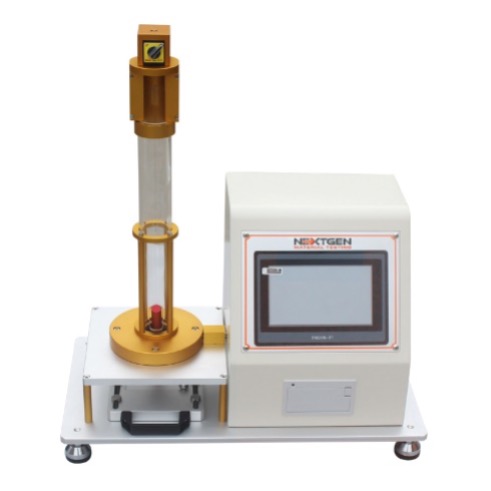
Vertical Rebound Resilience Tester - GenRebound
GenRebound is a vertical rebound resilience tester for measuring the elasticity and rebound behavior of hard rubber compounds and similar materials. Based on the free-fall hammer method, it records rebound height after controlled impacts and calculates results from repeated measurements. ASTM D2632 and ISO 10012 alignment, horizontal setup adjustment, electronic readout, and repeatable drop positioning make it useful for shock and vibration compound development.
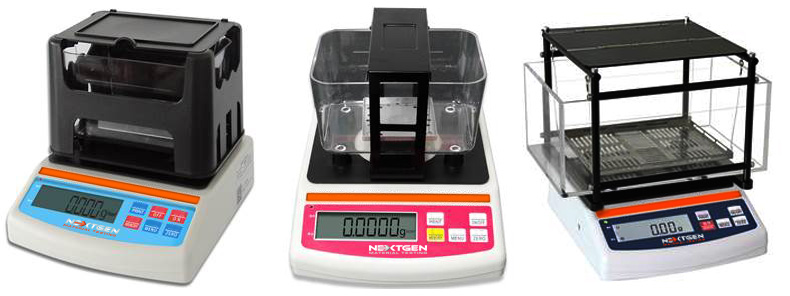
Digital Densimeter Systems
NextGen Digital Densimeter Systems measure density, specific gravity, volume, and related material properties for rubber, plastics, tires, shoe materials, composites, leather, elastomers, and other solids. Using high-accuracy digital measurement with instant readout, storage, RS-232 output, temperature and medium settings, and Archimedes-based buoyancy methods, they help QC and R&D labs produce fast, repeatable density data under ASTM, ISO, JIS, and GB/T standards.
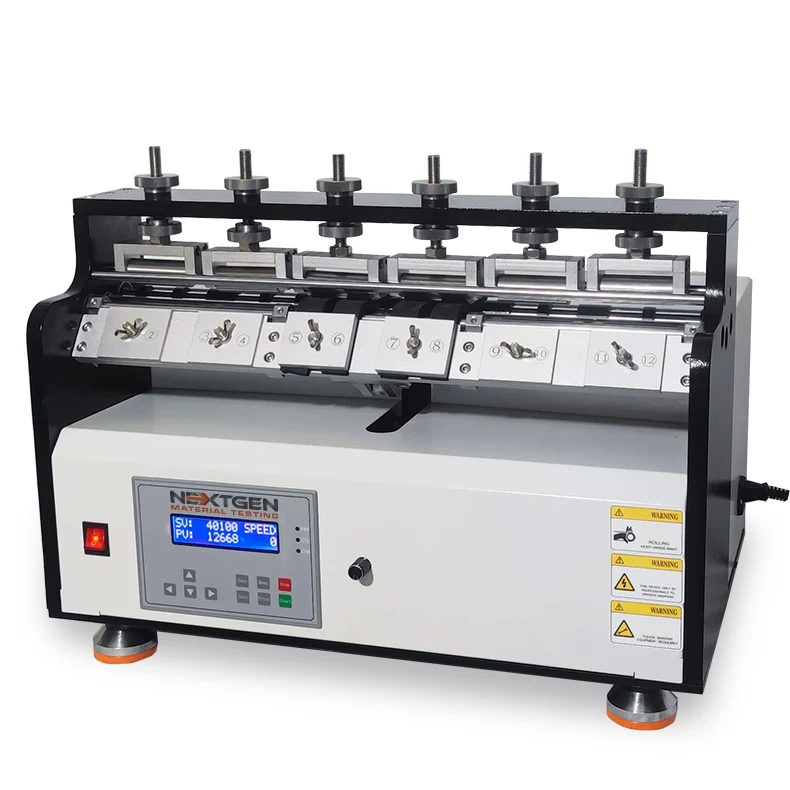
Ross Flex Tester
Ross Flex Tester evaluates the resistance of vulcanized and synthetic elastomers to cut growth and flex cracking under repeated bending. Designed for shoe soles and flexible sheet-like materials such as PU, PVC, TPR foams, rubber, leather, textiles, and plastics, it bends specimens through 90° over a 10 mm rod. Digital control, memory function, vacuum holding, and 6- or 12-grip configurations support repeatable testing.