ASTM D5289 is a rubber test method used to measure selected vulcanization (cure) characteristics of rubber compounds using rotorless cure meters, including both sealed and unsealed torsion shear designs.
It is commonly used in compound development and production QC to compare cure behavior between batches, formulations, or raw-material changes under defined time/temperature conditions. If you need help matching the right instrument type (sealed vs. unsealed) or reporting outputs to your internal spec, contact our team.
ASTM D5289 — Standard Test Method for Rubber Property—Vulcanization Using Rotorless Cure Meters
ASTM D5289 defines a standardized approach for running a rotorless cure-meter test and generating a cure response for vulcanizable rubber compounds. The focus is on cure behavior as measured by the instrument’s torque (or equivalent) response over time at a controlled temperature.
This standard is frequently cited when labs and plants need a repeatable, instrument-based cure curve to support release decisions, formulation comparisons, and process control.
Quick Definition
ASTM D5289 (in plain terms): A rotorless rheometer/cure-meter test method for measuring vulcanization characteristics of rubber compounds using sealed or unsealed torsion shear cure meters.
What This Standard Covers
ASTM D5289 covers measurement of selected vulcanization characteristics of rubber compounds using rotorless cure meters. It includes both unsealed and sealed torsion shear cure meters, and it notes that the two instrument types may not produce the same results.
The standard is centered on controlled heating of a test specimen in the cure meter and recording the instrument response as the compound vulcanizes.
Why This Standard Matters in Testing
Rotorless cure-meter testing is a practical way to quantify how a compound cures under defined conditions and to detect shifts that can impact downstream molding/extrusion performance and final properties. Many organizations use D5289 outputs as acceptance criteria, trend metrics, or formulation comparison points.
Because cure-meter designs can differ, results can be instrument-dependent. Where multiple meter designs are used (across plants, suppliers, or labs), correlation planning is often necessary before comparing numbers directly.
Common Materials, Product Types, or Applications Covered
ASTM D5289 is used with vulcanizable rubber compounds. Typical users include rubber compounders and manufacturers supporting products such as seals, gaskets, hoses, belts, vibration-isolation parts, tires/tire components, and other molded or extruded rubber goods where cure behavior is a key control point.
This method is also commonly used in R&D when screening raw materials, curatives, or formulation changes before running full physical testing on vulcanized specimens.
Common Test or Verification Workflow
Most D5289 workflows follow a consistent pattern: prepare the compound, run a cure test at the required temperature and duration, and report the cure response parameters required by the purchaser’s specification or internal control plan.
Common workflow steps: Condition the compound as required, load a specimen into the cure meter, run the programmed temperature/time profile, generate the cure curve, and report the specified cure/scorch metrics and curve features required for comparison or release.
Important practical point: Since sealed vs. unsealed and different rotorless meter designs can respond differently, procurement documents and internal specs should identify the instrument type and key test conditions to keep results comparable.
Equipment Commonly Used for This Standard
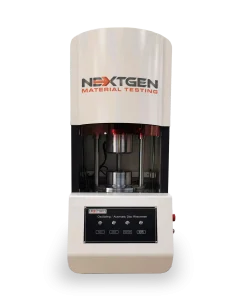
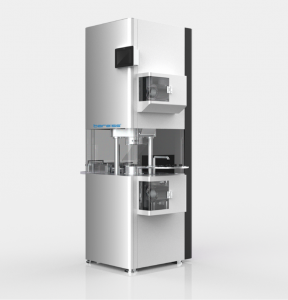
ASTM D5289 testing is typically performed on a rotorless cure meter (often referred to as a moving-die rheometer in many labs) with appropriate dies, temperature control, force/torque sensing, and software to run the method and calculate/report the required cure parameters.
Common equipment elements: Rotorless cure meter (sealed or unsealed torsion shear design), heated dies/cavity, temperature control system, data acquisition and analysis software, and accessories for safe specimen loading and repeatable handling.
If you are specifying a new cure meter or standardizing results across multiple sites, you can request a detailed quote for a configuration aligned with your instrument type, throughput, and reporting needs.
How to Read This Designation or Revision
ASTM standards are commonly cited by their designation and year (for example, D5289-19), sometimes with a letter suffix when there is more than one revision in the same year (for example, “19a”). Some editions also show a reapproval year in parentheses when the content is reapproved without a full technical revision.
Revision sensitivity: Cure-meter outputs, calculation options, and reporting requirements can be edition-sensitive, so purchase specs and lab procedures should reference the exact cited edition when results must match historical data.
Related Standards, Methods, or Frameworks when useful
ASTM D5289 notes an alternative method for measuring vulcanization characteristics in ASTM D2084. When comparing legacy and current data sets, it is important to confirm which method (and which instrument type) the historical numbers came from before setting acceptance limits.
Talk with a Technical Specialist
For help aligning an ASTM D5289 requirement with instrument selection, lab-to-lab correlation planning, or quoting a complete rotorless cure-meter setup, talk with our team.