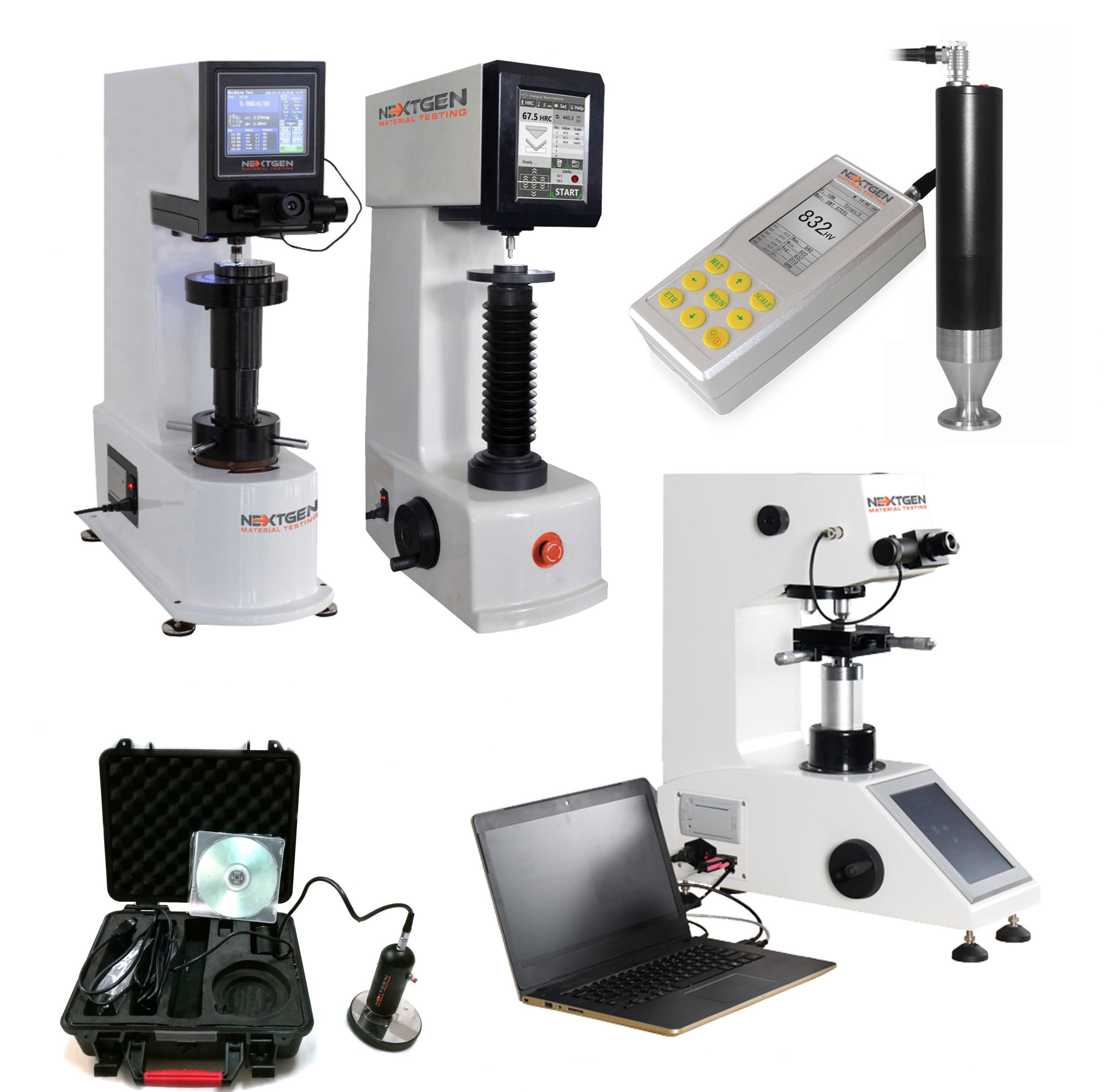
Metal Testing Equipment
Metal hardness testing is the process of determining how resistant a metal is to permanent deformation when subjected to a controlled indentation. By applying a specific load with a diamond or ball indenter, the hardness value is measured from the depth or size of the impression. This method is directly related to tensile strength and is widely used to assess the mechanical properties of metals without damaging the sample. Hardness testing offers a straightforward and dependable way to confirm material strength, uniformity, and durability. It is a fundamental tool in both laboratories and production lines, providing accurate data to maintain consistent quality and ensure reliable performance.
Metal Hardness Testing Equipment from NextGen
NextGen supplies a complete line of hardness testing solutions. The portfolio includes universal testers, dedicated systems for each method, as well as hardness test blocks, indenters, accessories, and metallography consumables. This allows our clients to perform precise tests in accordance with all major international standards.
Universal Hardness Testers (Vickers, Knoop, Rockwell, Brinell)
Versatile systems that combine several methods in one platform, designed for laboratories that require flexibility across different hardness scales and load ranges.
Rockwell Hardness Testers
Instruments that determine hardness by measuring indentation depth under load. Rockwell testing is valued for its speed and repeatability, making it a common choice for steels, alloys, and routine quality control.
Vickers and Knoop Hardness Testers
High-precision systems using diamond-shaped indenters. These testers are ideal for thin samples, micro-components, and case depth evaluations, covering both micro and macro hardness ranges.
Brinell Hardness Testers
Heavy-duty machines applying large loads with a carbide ball. This method is best suited for castings, forgings, and other metals with coarse or irregular structures.
Portable Hardness Testers
Compact and mobile units designed for on-site testing of large or assembled components. Portable testers provide fast, reliable results when laboratory testing is impractical. All NextGen hardness testing equipment is built for accuracy, repeatability, and compliance with ASTM and ISO standards. From high-load Brinell checks to detailed Vickers microanalysis or quick field inspections with portable devices, our systems ensure consistent and traceable results across the full spectrum of hardness testing methods.
Certified Metal Hardness Testing Systems
All NextGen hardness testing equipment is built for accuracy, repeatability, and compliance with ASTM and ISO standards. From high-load Brinell checks to detailed Vickers microanalysis or quick field inspections with portable devices, our systems ensure consistent and traceable results across the full spectrum of hardness testing methods.
Sub-categories
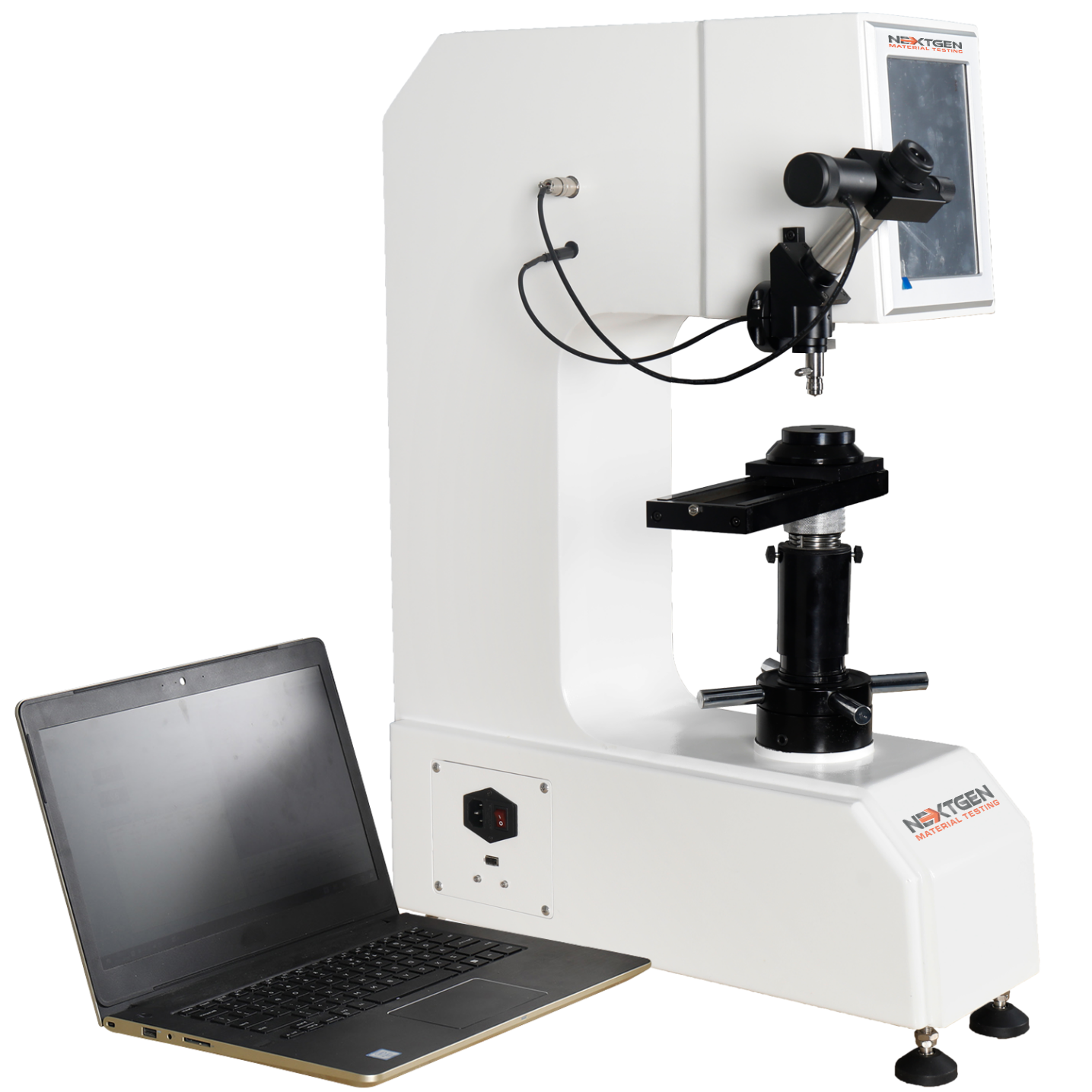
Universal Tester For Vickers / Knoop, Rockwell and Brinell
Universal hardness testers combine multiple indentation methods, including Rockwell, Brinell, Vickers, and Knoop, in one flexible platform. This category is useful for laboratories that test different metals, coatings, specimen sizes, and hardness ranges without switching between separate machines. These systems support routine quality control, R&D, certification work, and reliable comparison across macro, micro, and application-specific hardness testing requirements.
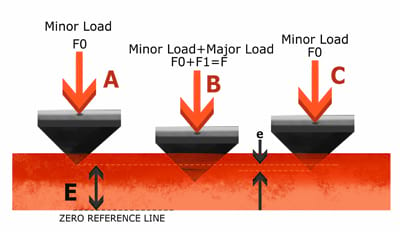
Rockwell Hardness Testers
Rockwell hardness testers measure metal and alloy hardness by evaluating indentation depth under controlled preload and major load sequences. This category supports fast, repeatable hardness checks for steels, nonferrous alloys, heat-treated parts, and routine production samples. Rockwell systems are widely used in quality control because they deliver direct readings, simple operation, and reliable comparison across regular, superficial, and application-specific scales.
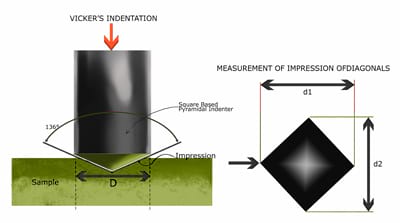
Vickers and Knoop Hardness Testers
Vickers and Knoop hardness testers are used for precise micro and macro indentation testing of metals, coatings, thin layers, case depths, and small components. This category supports laboratories that need accurate hardness values from optical or CCD-based indentation measurement. These systems are useful for research, heat-treatment verification, failure analysis, and standards-based quality control where surface detail and repeatability matter.
Brinell Hardness Testers
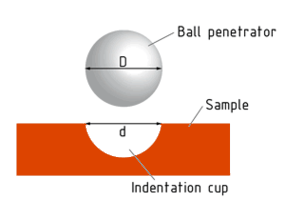
Brinell hardness testers measure metal hardness by applying a high-force load through a tungsten carbide ball and evaluating the resulting indentation. This category is ideal for large, coarse-grained, uneven, or heavy-duty components such as castings, forgings, rolled plates, and structural parts. Manual, digital, and automatic systems help laboratories improve repeatability, reduce operator influence, and support ASTM and ISO hardness testing.
Portable Hardness Testers
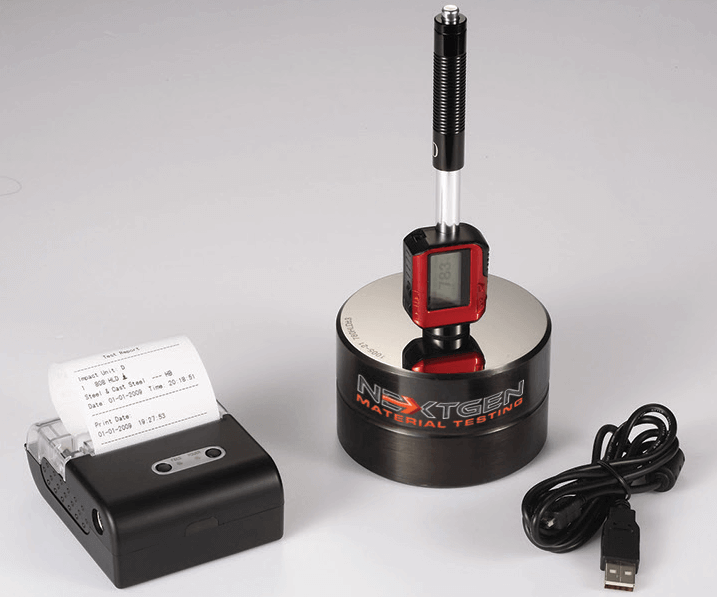
Portable hardness testers allow technicians to measure metal hardness directly on large parts, assembled components, or field-installed structures when benchtop testing is impractical. This category covers mobile systems for Rockwell, Brinell, Vickers, Leeb, Webster, and related hardness methods. They support fast quality checks, incoming inspection, production control, maintenance work, and material verification across a wide range of metal specimen shapes.
Products
Hardness Test Blocks, Indenters and Hardness Testing Accessories
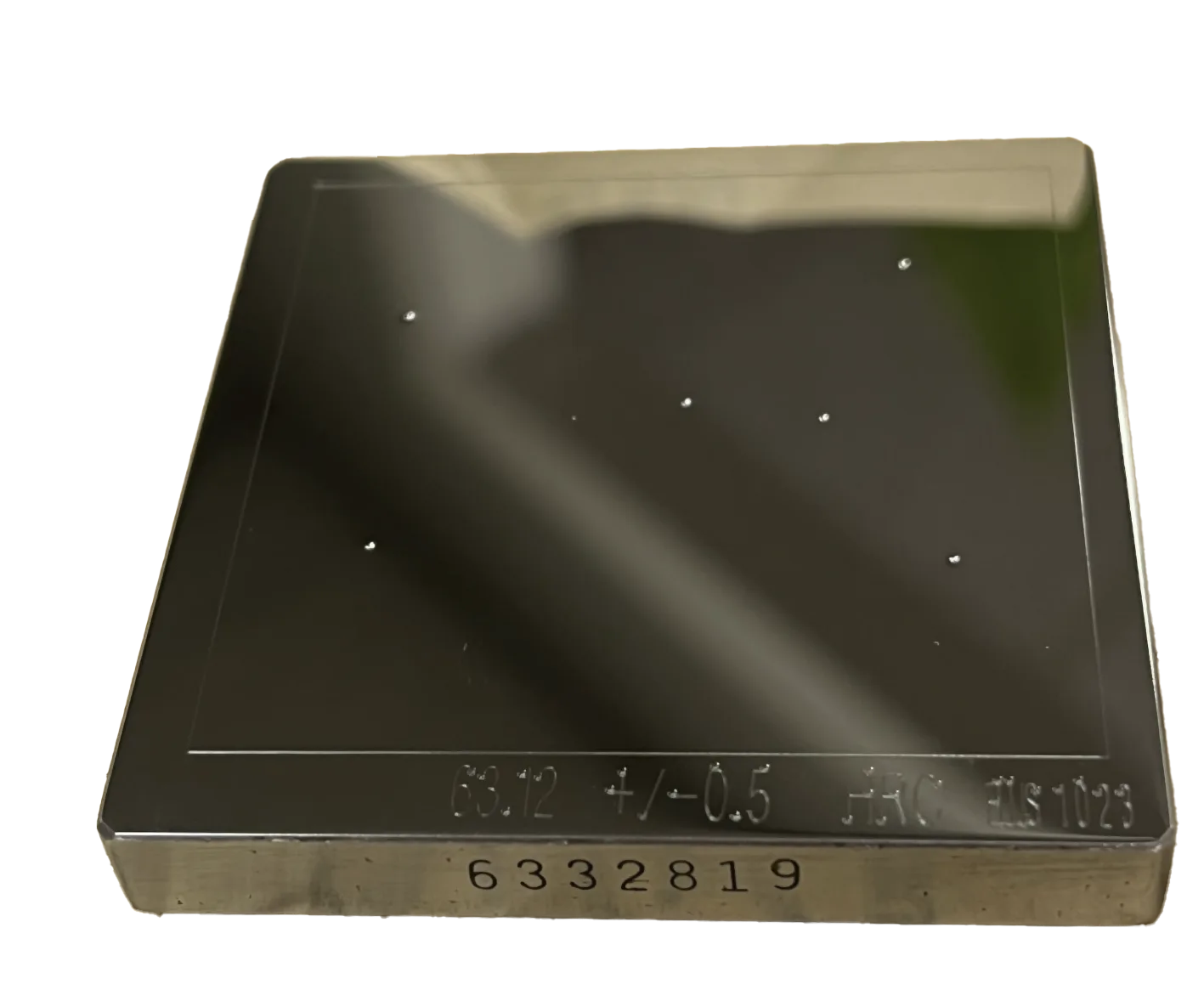
Hardness test blocks, indenters, and accessories support daily verification and reliable operation of metal hardness testing systems. The range includes certified Rockwell, Brinell, Vickers, and Knoop blocks, along with diamond, carbide, ball, and specialized indenters, anvils, and accessories. ASTM- and ISO-aligned calibration options help laboratories confirm tester accuracy whenever scales, loads, indenters, or operating conditions change.
Metallography Consumables
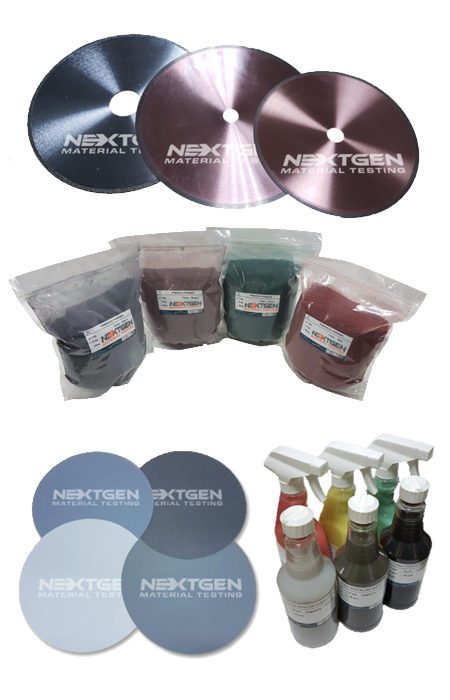
Metallography consumables cover the materials needed for sectioning, mounting, grinding, polishing, etching, and cleaning specimens before microscopic examination. The range includes abrasive and precision blades, diamond cutting blades, mounting resins, phenolic resins, grinding papers, polishing cloths, diamond suspensions, lubricants, and etchants. These consumables help laboratories maintain consistent preparation quality, reduce surface deformation, and achieve cleaner, analysis-ready finishes.
FAQs
| Model | BrinGen 3000 | BrinGen 3000 w/ CCD Optical Analysis and Software |
| Photo | 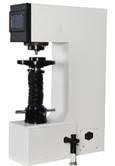 |
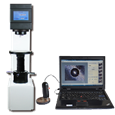 |
| Loading - Dwell - Unloading | Automatic | Automatic |
| Machine structure | Close loop load cell type | Close loop load cell type |
| Test force | 62.5-3000kgf | 62.5-3000kgf |
| Indentation Measurement | Manual microscope measurement of the indentation diameter; input diameter length / force and indenter diameter into machine screen; and the machine calculates the Brinell hardness value automatically. |
Can work independently with machine or directly with the software. Using a portable measurement camera, the software will accurately measure the indentation automatically; the hardness value will display on the software window automatically; and the generated test report including test force / indentation image, hardness value, etc. will display on the software for ease of export.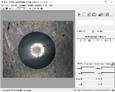 |
| Test report | No | Yes (Word / Excel) |
| Hardness conversion | No | Yes |
| Software | No | Yes, with HBS-P software (support Win 10 system); Software supports automatic measurement and manual measurement working modes |
| Advantages | Lower Price | Easy operate, exceptional accuracy, fast test results, additional test information can be easily obtained |
| N/A | NextGen's CCD system can work on virtually any PC. There will not be a need for a "proprietary" computer to operate the CCD Scope |
|
| Disadvantage | Manual measure the indentation diameter length, and manual input data to the machine screen produces a lower work efficiency | Higher Price |
BringGen-3000 system comes standard with a manual measuring microscope. Once the indentation is made, the manual microscope is placed on top of the indentation and the operator uses the micrometers to align to the diagonals of the indentation. The reading is then input into the main unit using the touch-screen, user-friendly LCD screen and the machine in turn provides your Brinell hardness reading.
The CCD Optical Analysis upgrade for the Brinell hardness tester allows the operator to make the indentation, then simply place the CCD camera onto the indentation, and the automatic software will do the rest. The system will auto align the diagonals and provide you error free Brinell readings directly onto a PC. This eliminates the operator error factor and allows for additional export possibilities to Excel directly.
Learn more by contacting us today.