Creating a specimen is one thing but making sure that it is properly prepared for testing is another. In the field of material testing, the precision with which a specimen is prepared directly impacts the reliability and accuracy of the data obtained. This is why core grinding machines are becoming increasingly vital for laboratories and testing facilities around the world. These machines are designed to guarantee that your specimens meet the highest standards, allowing for precise and valuable insights into the materials being tested.
At NextGen, we are leading the way in the industry standards. With years of experience and a strong track record in supplying cutting-edge material testing equipment, we understand what it takes to satisfy our customers’ rigorous demands. Thus, we are proud to introduce our latest innovation: the Semi-Automatic Core Grinding Machine – NG-CoreGrind 1000. This machine is engineered to be the ideal solution for any lab or facility requiring accurate and efficient specimen preparation.
In this article, we will provide an in-depth review of the NG-CoreGrind 1000, exploring compliance with industry standards, its key features, and other relevant machine information.
Understanding Core Grinding Machines: Purpose, Functionality, and Applications
A core grinding machine is a tool specifically designed for grinding and preparing cylindrical specimens, or “cores,” typically extracted from concrete, rock, or other materials. These machines guarantee that the core samples have perfectly flat, smooth surfaces, which is crucial for accurate and reliable testing results. Core grinding machines are widely used in construction, geology, and material science, where precise specimen preparation is vital for assessing material properties such as compressive strength, durability, and integrity.
In addition to their primary function of surface grinding, core grinding machines often come equipped with features like adjustable grinding wheels, water spray systems for cooling, and safety mechanisms to protect the operator. These machines are highly adaptable and capable of handling an array of materials, including concrete, natural stone, ceramics, and tiles. By making certain that specimens are perfectly prepared, these machines help laboratories and testing facilities produce consistent and reliable data, necessary for quality control, research, and development.
Moreover, core grinding machines are designed for user-friendliness, with easy-to-operate controls and minimal maintenance requirements. They are used not only by commercial testing labs but also by large construction companies, geotechnical engineering firms, and academic research institutions. Their ability to reduce specimen preparation time while offering high precision makes them a valuable asset to any material testing process.
Introducing the NG-CoreGrind 1000 – Semi-Automatic Core Grinding Machine
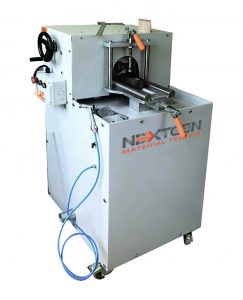 Our NG-CoreGrind 1000 – Semi-Automatic Core Grinding Machine is a modern tool that sets an industry benchmark in material testing. Designed with ultimate user-friendliness in mind, this machine is quickly becoming the go-to choice for commercial testing labs and large-scale producers. Its reputation for leading dependability and reliability is well-deserved, as it consistently delivers superior surface finishes and flatness, making it a preferred alternative to traditional methods like rubber or sulfur capping.
What sets the CoreGrind 1000 apart is its strict compliance with industry standards and NIST-certified consumables. This machine not only meets but exceeds the rigorous requirements for material testing, guaranteeing that every specimen is prepared to the highest possible standard. Whether your business or lab is working with concrete, rocks, natural stones, tiles, block pavers, or ceramic materials, the CoreGrind 1000 is versatile enough to handle a number of testing needs.
In addition to its robust performance, NextGen’s commitment to customer satisfaction is evident in every aspect of the CoreGrind 1000. The machine comes with stocked consumables and spares, so you never wait for crucial components. We also offer trusted after-sales technical support and a lifetime product support advantage, providing peace of mind and making certain that your investment continues to deliver value over the long term.
The machine is an effective and practical way to prepare cylinders for testing. It also significantly reduces the wait times associated with traditional capping compounds. Any laboratory dedicated to excellence in material testing will find the CoreGrind 1000 to be an indispensable tool due to its combination of advanced features and reliable support.
Features of the NG-CoreGrind 1000 – Semi-Automatic Core Grinding Machine
The Semi-Automatic Core Grinding Machine has many features. Lets take a closer look:
-
Rotating Grinding Wheel and Movable Arm-Wheel: The grinding wheel rotates while the arm-wheel moves the wheel over the sample surface, resulting in even and consistent grinding across the entire specimen. This precise movement is crucial for achieving flatness and surface quality.
-
Maximum Flatness Tolerance of 0.050 mm: The machine achieves a maximum tolerance for the flatness of load-bearing surfaces of just 0.050 mm, which is essential for providing accurate and reliable testing results for concrete specimens.
-
Perpendicularity Deviation of 0.5°: The side-to-end faces of core samples maintain a perpendicularity deviation of no more than 0.5°.
-
Corrosion-Resistant Painted Steel Parts: All steel components are painted to prevent corrosion, increasing the durability and longevity of the equipment, even in harsh testing environments.
-
Locking Wheels for Easy Transport: The NG-CoreGrind 1000 is equipped with locking wheels, making it easy to transport and position within the lab while also allowing for secure stability during operation.
-
High-Quality Genuine Diamond Cutting Wheel: A high-quality diamond cutting wheel that provides a smooth, accurate finish is utilized.
-
In-Built Water Spray for Cleaning: An integrated water spray system cools the cutting wheel during operation and keeps the grinding surface clean, reducing dust and debris buildup and prolonging core grinding machine’s life.
-
CE Safety Standards Compliance: The core grinder is designed to comply with CE safety standards, including features like an emergency stop and a locking mechanism.
-
Removable In-Built Drain Filter: The machine includes an in-built drain filter that is easily removable for cleaning and maintenance, simplifying the upkeep process.
Optional Accessories for the NG-CoreGrind 1000 Core Grinding Machine
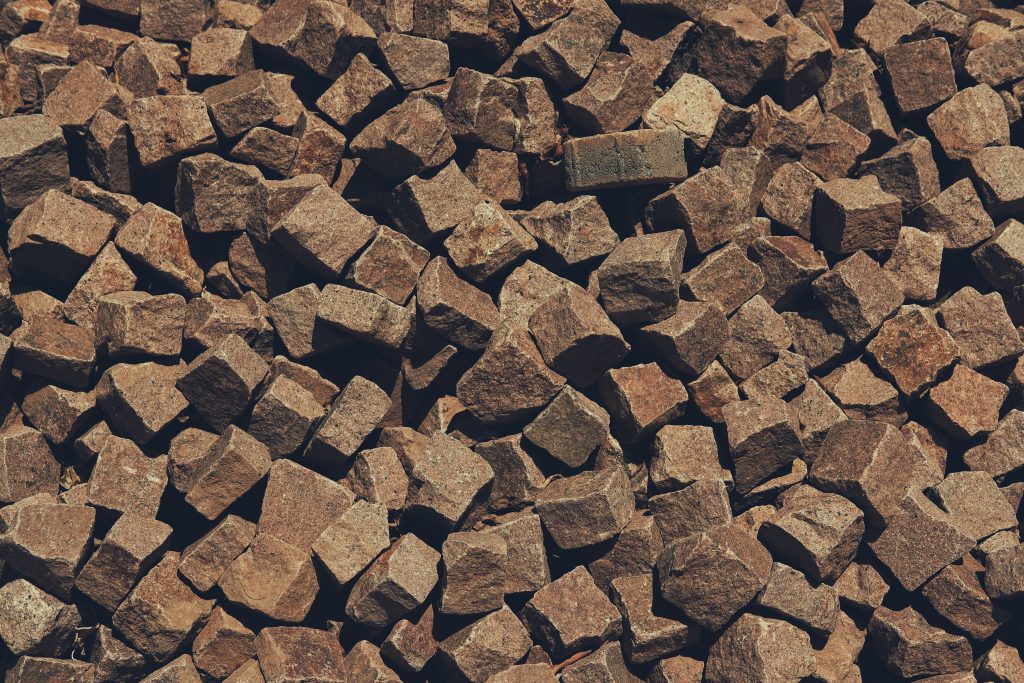
A selection of optional accessories if available for the Semi-Automatic Core Grinding Machine – NG-CoreGrind 1000:
-
Diamond Cutting Wheel (NG-0060/1): This high-quality diamond cutting wheel is essential for smooth, precise cuts on concrete and other hard materials.
-
Adapters for Different Core Sizes: The machine can be equipped with a selection of adapters to accommodate different core sample sizes:
-
Ø25mm (1.0”) Core Samples (NG-0061/25)
-
Ø38mm (1.5”) Core Samples (NG-0061/38)
-
Ø50mm (2”) Core Samples (NG-0061/50)
-
Ø75mm (3”) Core Samples (NG-0061/75)
-
Ø100×200mm (4” by 8”) Cylinder Samples (NG-0061/20)
-
Ø150×300mm (6” by 12”) Cylinder Samples (NG-0061/15)
-
-
Custom Adapters: For specialized requirements, custom adapters, such as the 1.875” NQ adapter, can be ordered separately. These custom solutions are designed to meet specific dimension requirements.
NG-CoreGrind 1000 Standards Compliance
The NG-CoreGrind 1000 is designed to comply with several key international standards. Meeting these standards guarantees that the machine is capable of delivering accurate and consistent results.
EN 12390-1: Testing Hardened Concrete – Shape, Dimensions, and Requirements
This standard specifies the necessary shapes, dimensions, and tolerances for concrete test specimens and molds. It provides uniformity and consistency in testing specimens.
EN 12390-3: Testing Hardened Concrete – Compressive Strength of Specimens
EN 12390-3 focuses on the method for determining the compressive strength of concrete specimens, like cubes and cylinders. It defines the compressive strength test procedures.
ASTM C31: Making and Curing Concrete Test Specimens in the Field
ASTM C31 provides guidelines for creating and curing concrete specimens under field conditions. It covers key aspects such as temperature control and the curing environment.
ASTM C192: Making and Curing Concrete Test Specimens in the Laboratory
ASTM C192 outlines procedures for preparing and curing concrete specimens in a controlled laboratory environment. It guarantees that specimens are made under standardized conditions, minimizing environmental variables that could affect test outcomes.
ASTM C617: Capping Cylindrical Concrete Specimens
ASTM C617 specifies the procedures for capping cylindrical concrete specimens using high-strength gypsum plaster or sulfur mortar. It is important to ensure that the ends of the cylinders are flat and perpendicular.
ASTM C39: Compressive Strength of Cylindrical Concrete Specimens
ASTM C39 is the standard method for testing cylindrical concrete specimens’ compressive strength. It involves applying axial loads until failure and calculating the strength based on the maximum load divided by the cross-sectional area. This standard is vital for determining whether concrete meets structural strength requirements.
Improving Your Material Testing Capabilities with the NG-CoreGrind 1000
The NG-CoreGrind 1000 – Semi-Automatic Core Grinding Machine is a state-of-the-art solution designed to meet modern material testing laboratories’ rigorous demands. With its precise grinding capabilities, compliance with rigorous international standards, and user-friendly design, our machine ensures that your specimens are prepared with the utmost accuracy and efficiency. Additionally, Its robust construction and advanced features, such as a high-quality diamond cutting wheel, integrated water spray system, and compliance with CE safety standards, make it an indispensable tool for any facility dedicated to excellence in material testing.
Moreover, the NG-CoreGrind 1000’s flexibility is further increased by a range of optional accessories, allowing it to accommodate different core sizes and unique testing conditions. Whether you are working with concrete, natural stones, ceramics, or other materials, this machine delivers consistent, reliable results that are critical for assessing material properties like compressive strength and durability.
At NextGen Material Testing, we are committed to helping you excel in your material testing endeavors. We take pride in providing our customers with high-quality, modern equipment tailored to a variety of testing needs. If you have questions or require further assistance, please do not hesitate to request an online quote or contact us directly. We are here to support you every step of the way in achieving your testing goals.
Machines Behind This Article
Rock Mechanics TestingNG-CoreGrind 1000 – Semi-Automatic Core Grinding MachineNG-CoreGrind 1000 is a semi-automatic core grinding machine for preparing rock and concrete specimens as an alternative to traditional rubber or sulfur capping....View product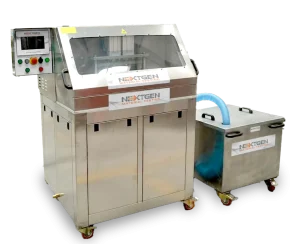 Rock Mechanics TestingCoreGrind 3000 – Automatic Core Grinding MachineCoreGrind 3000 is a fully automatic core grinding machine for preparing rock core specimens before geotechnical and rock mechanics testing. It uses a 7-inch...View product
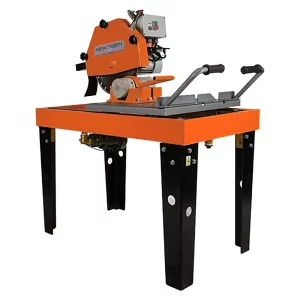 Rock Mechanics TestingRock Core Cutter and Masonry SawThe Rock Core Cutter and Masonry Saw is a universal cutting system for concrete, rock cores, and irregular rock samples. Available with 450 mm or 600 mm blade...View product
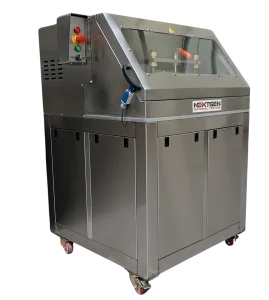 Rock Mechanics TestingCoreTrim 3000 – Core Cutting MachineCoreTrim 3000 is a fully automatic core cutting machine for preparing cylindrical rock specimens before laboratory testing. It cuts cores from 38 to 100 mm...View product
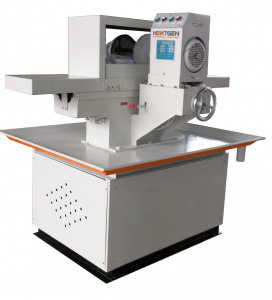 Rock Mechanics TestingNG-CoreGrind 2000 – Double-Faced Rock Core GrinderNG-CoreGrind 2000 is a double-faced rock core grinder for preparing flat, parallel specimen ends before rock mechanics and concrete testing. It is built to grind...View product
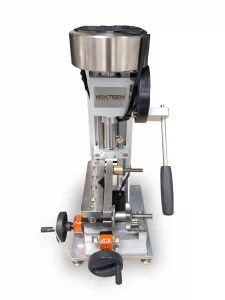 Rock Mechanics TestingWest Cerchar Abrasivity Index TesterThe West Cerchar Abrasivity Index Tester measures rock abrasivity for mining, tunneling, and underground construction applications. Built around ASTM D7625-10, it...View product
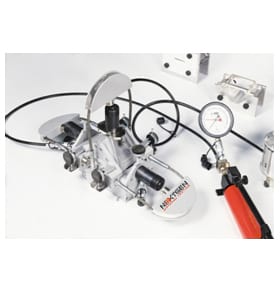 Rock Mechanics TestingRock Shear Box ApparatusThe Rock Shear Box Apparatus provides a practical field and laboratory method for determining rock shear strength and slope stability. Designed for specimens up to...View product
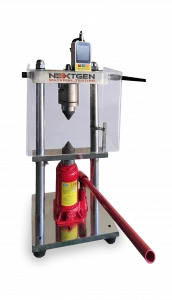 Rock Mechanics TestingPortable Point Load TesterThe Point Load Tester is a portable rock strength testing system for fast field and laboratory assessment of core samples and irregular rock fragments. It...View product
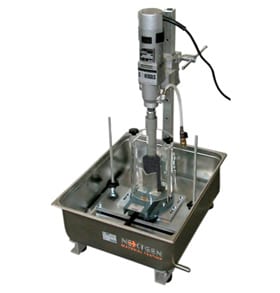 Rock Mechanics TestingLaboratory Coring Machine and BitsThe Laboratory Coring Machine and Bits system is designed for extracting clean cylindrical cores from rock, concrete, and similar hard materials. With an 1800 W...View product