NG-ImpactFall – Falling Weight Impact Tester

Plastic Testing Equipment
Standards
ISO 3127, ISO 4422, ASTM D2444






Description
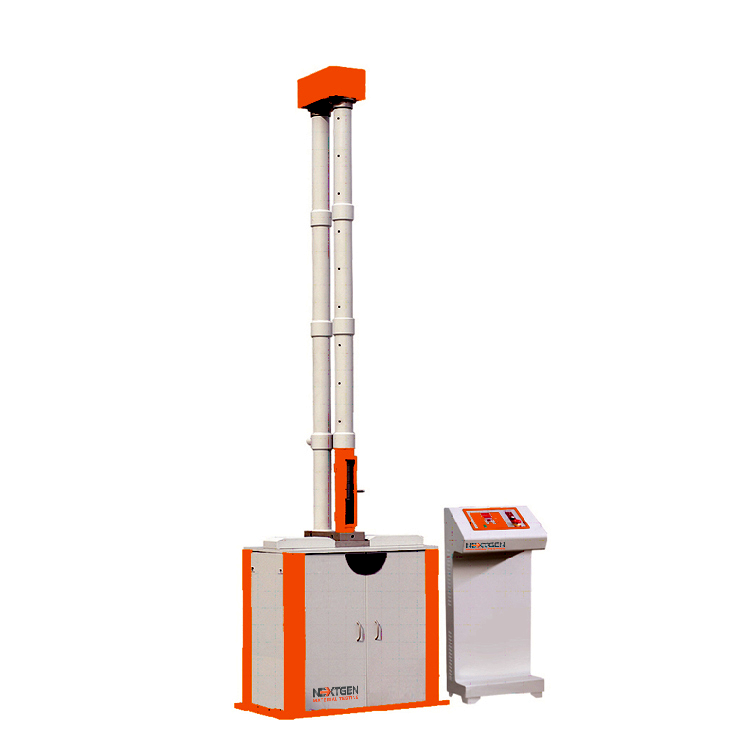
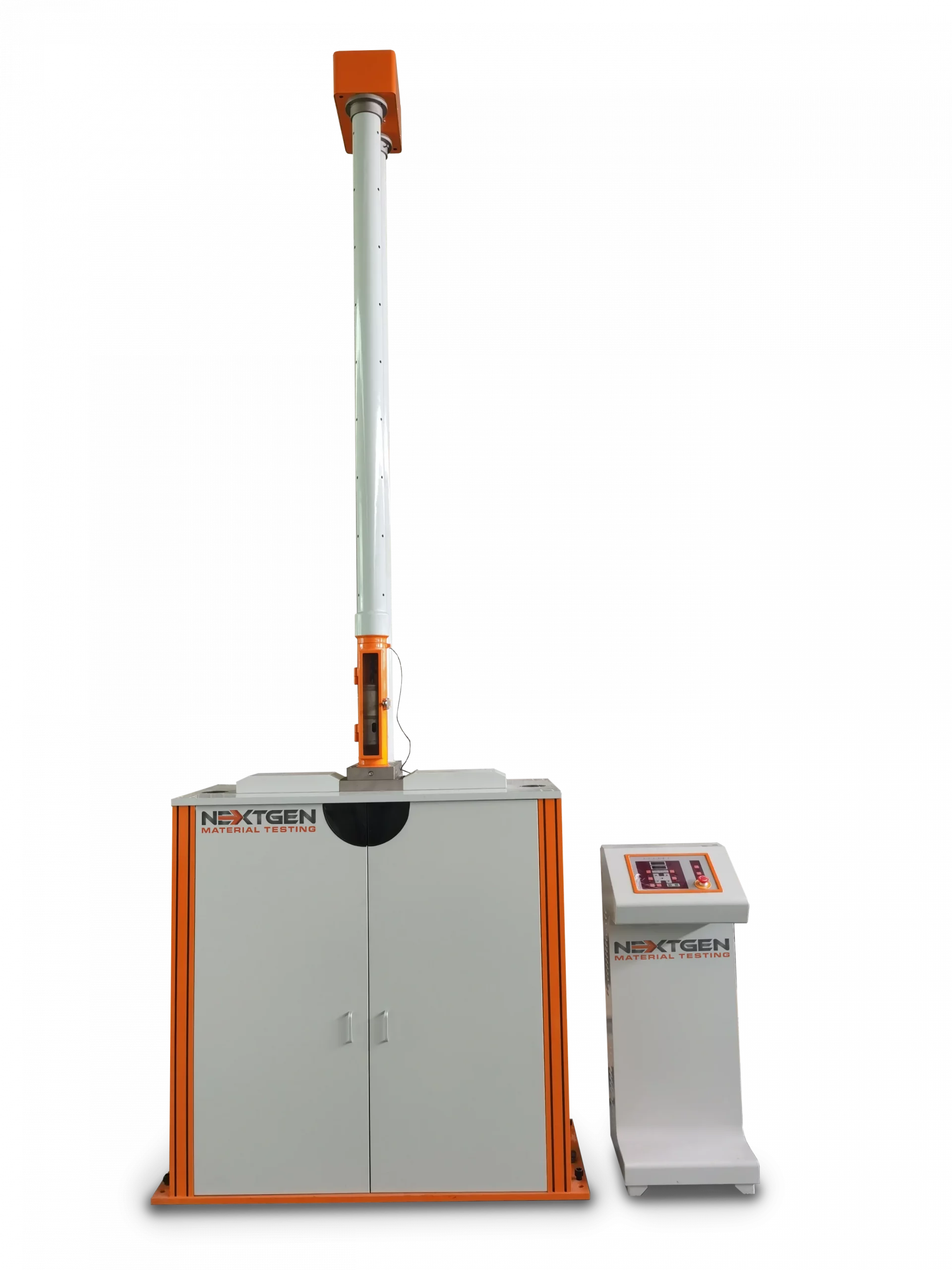
The NG-ImpactFall, a falling weight impact tester, finds extensive application in conducting external impact strength tests on plastic pipes, plastic boards, and non-metal materials. Specifically designed for various types of plastic pipes, it accommodates PVC-U water supply pipes, low-pressure water supply pipes, core layer foam pipes, double-wall corrugated pipes, carat pipes, steel belt pipes, PE water supply pipes, MPP electric power pipes, hollow wall winding pipes, CPVC power pipes, among others.
This machine adheres to industry standards such as ISO3127, ISO4422, ASTM D2444, ensuring the accuracy and reliability of its testing procedures.
Falling Weight Impact Tester Working Principle
To set up the NG-ImpactFall for testing, begin by placing the pipe or profile onto the workbench. Ensure the sample's upper surface aligns precisely with the lower edge of the photoelectric correlation system by adjusting its height. Next, select the appropriate hammer head and weight as per the test standard requirements, assembling the impact hammer accordingly. Adjust the electromagnetic absorb system's height and suspend the hammer in place.
Initiate the test sequence, allowing the hammer to freely descend from the predetermined height, impacting the sample. Examine the resulting rupture or lack thereof in the pipe or profile. If there's one or no rupture observed, it signifies that the pipe or profile meets the standard for impact resistance. However, if there are multiple ruptures, it indicates that the impact performance fails to meet the specified standard.
Falling Weight Impact Tester Technical Specifications
| Standards |
ISO 3127 |
ISO 4422 |
| Items |
NG-ImpactFall 3127 |
NG-ImpactFall 2444 |
| Maximum impact energy (J) |
300 |
|
| Maximum impact height (mm) |
50-2000 |
50-3000 |
| Weight of hammer (kg) |
0.5-16 (0.5, 0.8, 1, 1.25, 1.6, 2, 2.5, 3.2, 4, 5, 6.3, 8, 10, 12.5, 15) |
2.7, 5.4, 9.1, 13.6, |
| Noses of the strikers (mm) |
d25 and d90, Rs: 50 |
Tup A, B and C SPH.R12.7mm, SPH.R50.8mm, SPH.R6.3mm |
| Diameter of pipe specimen (mm) |
φ16-φ4000 (for pipes larger than 500mm, produce a flat specimen with dimensions 200×200mm.) |
|
| Power supply |
220V 50/60Hz 1 Phase |
|
| Overall dimension of the main frame (LxWxH) |
43.30" x 22.45" x 146" 1100 x 570 x 3710mm |
43.30" x 22.45" x 146" 1100 x 570 x 3710mm |
| Dimension of control cabinet |
17.72" x 16" x 43.30" 450 x 400 x 1100mm |
17.72" x 16" x 43.30" 450 x 400 x 1100mm |
| Weight |
882lbs / 400kg |
993lbs / 450kg |
Strikers
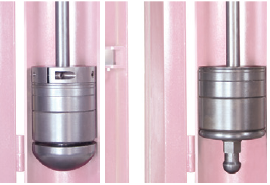
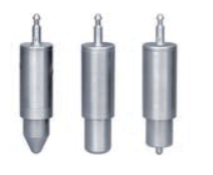
ISO3127 represents the standard supply and includes two types of strikers: the d90 and d25, both equipped with Rs50 specifications. Alternatively, ASTM D2444 offers a selection of Tup A, B, and C type strikers, providing flexibility as an optional choice for testing purposes.
Falling Weight Impact Tester Features
The NG-ImpactFall integrates several advanced features:
-
Utilization of high-quality LED displays ensures longevity and excellent visibility.
-
The machine seamlessly incorporates both manual and automatic working methods, simplifying operations for enhanced convenience.
-
Precise control over the entire testing process is achieved through a PLC controller and an intuitive LCD interface, enabling automatic control.
-
Automatic zero-point adjustment of the specimen streamlines setup procedures for precise testing.
-
Employing a pneumatically operated system to prevent secondary impacts enhances reliability, ultimately contributing to more accurate and dependable testing results.
FAQs
Yes, the NG-ImpactFall aligns with the ISO 3127 standard, which outlines the methodology for assessing thermoplastic materials' impact resistance through a falling weight test. This standard specifies equipment requirements, test specimen dimensions, and testing procedures to accurately gauge material toughness when subjected to controlled impact. The NG-ImpactFall's design and operational features enable precise adherence to these specifications, ensuring that the impact resistance measurements it provides are both accurate and consistent with ISO 3127 guidelines.
The ISO 3127 standard is critical for industries that rely on the use of thermoplastics in applications where the performance of the material under impact is of utmost importance. As a result of NG-ImpactFall's compliance with this standard, manufacturers and researchers can evaluate the suitability of plastic materials for a variety of applications, supporting the development of new products that meet safety and durability requirements.
Click here to learn more about the product or here to receive a personalized quote.
Yes, the NG-ImpactFall is designed to meet the ISO 4422 standard specifications, which determine the impact resistance of rigid PVC (polyvinyl chloride) pipes and fittings. This standard establishes the criteria for conducting impact tests, including the apparatus used, the impact conditions, and the method for evaluating test results. NG-ImpactFall's capabilities enable accurate adherence to these testing protocols, ensuring PVC products are rigorously assessed for impact durability and reliability.
ISO 4422 is essential for industries relying on PVC piping for applications requiring high resilience to physical stresses. Compliance with this standard by the NG-ImpactFall signifies its effectiveness in evaluating PVC pipes and fittings' performance, contributing to the development of safer and more durable PVC products. By aligning with ISO 4422, the NG-ImpactFall aids manufacturers in meeting stringent quality standards, thus playing a crucial role in maintaining product integrity and consumer confidence in PVC piping systems.
Click here to learn more about the product or here to receive a personalized quote.
Yes, the NG-ImpactFall is specifically engineered to conform to the ASTM D2444 standard. This standard outlines the procedure for determining the impact resistance of thermoplastic pipes and fittings using a TUP (falling weight) with a specified mass and shape. ASTM D2444 specifies the test apparatus, the dimensions and preparation of the test specimens, the test procedure, and the criteria for determining impact resistance. The NG-ImpactFall's precision engineering ensures that it can accurately replicate ASTM D2444 conditions, providing reliable and consistent results for evaluating thermoplastic materials' impact resistance.
ASTM D2444 is necessary for manufacturers and quality control laboratories that need to ensure their thermoplastic pipe products can withstand impacts under various conditions. By adhering to this standard, NG-ImpactFall helps assess product durability and safety, facilitating the development of thermoplastic pipes and fittings that meet high-performance standards. This compliance is crucial in industries where material failure can have significant safety and financial implications.
Click here to learn more about the product or here to receive a personalized quote.
The NG-ImpactFall, a specialized falling weight impact tester, is primarily used for assessing the external impact strength of various non-metal materials, including plastic pipes and plastic boards. This equipment simulates real-world impact conditions during handling, transportation, and use. By applying a controlled impact force, the NG-ImpactFall evaluates the material's resistance to damage, providing valuable data on its durability and suitability for specific applications.
In the context of plastic pipes, the tester helps determine how well they can withstand physical shocks or stresses. This could lead to failures in plumbing, irrigation, or industrial fluid transport systems. Plastic boards are tested for use in construction, signage, and furniture. This is where impact resistance can be a critical factor in material selection. The NG-ImpactFall's versatility makes it an essential tool in research and development, quality control, and compliance testing, ensuring that products meet the required safety and performance standards before reaching the market.
Click here to learn more about the product or here to receive a personalized quote.
The NG-ImpactFall Falling Weight Impact Tester is specifically engineered to accommodate a wide range of plastic pipe types, catering to diverse industry requirements. This includes PVC-U (unplasticized polyvinyl chloride) water supply pipes, known for their rigidity and durability in water systems. It also tests low-pressure water supply pipes, which are essential in various residential and commercial fluid transport applications. The tester is suitable for core layer foam pipes and double-wall corrugated pipes, offering insights into their impact resistance capabilities, which are crucial for protective and conduit applications.
Further, the NG-ImpactFall tests steel belt pipes, carat pipes, as well as polyethylene (PE) water supply pipes that are widely used for their unique properties such as flexibility, strength, and corrosion resistance. MPP (modified polyphenylene) electric power pipes, hollow wall winding pipes, and CPVC (chlorinated polyvinyl chloride) power pipes are also within their testing range, supporting their use in electrical and utility infrastructures.
Click here to learn more about the product or here to receive a personalized quote.
Setting up the NG-ImpactFall for impact resistance testing involves a few critical steps to ensure accurate and reliable results. Initially, the pipe or profile to be tested is placed onto the machine's workbench. Carefully, it is aligned to align the sample's upper surface with the lower edge of the photoelectric correlation system. This alignment is crucial for precise impact measurements. The next step is to select the correct hammerhead and weight based on the test standard requirements, assembling the impact hammer to match these specifications.
The height of the electromagnetic absorb system is then adjusted, and the hammer is suspended in place, ready for the test. The test is initiated by releasing the hammer, allowing it to fall freely from a set height onto the sample. The test outcome is determined by examining the sample for ruptures. A pass is indicated by one or no ruptures, showing that the pipe or profile can withstand impact according to the standard. Multiple ruptures, however, suggest that the material does not meet the required impact resistance criteria.
Click here to learn more about the product or here to receive a personalized quote.
The NG-ImpactFall 4127 and NG-ImpactFall 2444 are NG-ImpactFall models featuring a maximum impact energy of 300 joules, the same impact energy as the NG-ImpactFall 3127 and NG-ImpactFall 3127 models. In compliance with ISO standards such as ISO 3127 and ISO 4422, this capability is essential for conducting impact resistance tests that meet ISO requirements for impact resistance.
The 300 Joules threshold is an important parameter to consider when evaluating the resilience and durability of plastic pipes and profiles against high-impact forces. Through the use of this level of energy, materials can be tested to ensure they can withstand the types of impacts they are likely to encounter in the real world, from construction to infrastructure, and from industrial processes to power plants. Ensuring that products meet these standards is essential for manufacturers aiming to produce high-quality, reliable, and safe plastic products for various applications.
Click here to learn more about the product or here to receive a personalized quote.
The NG-ImpactFall models, namely the NG-ImpactFall 3127 and NG-ImpactFall 2444, are designed to accommodate a broad spectrum of testing needs through their adjustable impact height settings. Specifically, the NG-ImpactFall 3127 allows for impact heights ranging from 50 to 2000 millimeters, catering to standard and intermediate testing scenarios. This range is ideal for assessing the impact resistance of various plastic materials and products. This ensures they can endure common stresses encountered during use, transportation, and installation.
Expanding upon this, the NG-ImpactFall 2444 model offers an even broader range of impact heights, from 50 to 3000 millimeters. This extended range enhances the tester's versatility, enabling it to simulate more extreme impact conditions that materials might face in harsher environments or under more severe stresses. Such capability is particularly beneficial for industries that demand rigorous testing to meet high safety and durability standards. The wide range of impact heights available with these models ensures that testing can be customized to specific standards and requirements.
Click here to learn more about the product or here to receive a personalized quote.
The NG-ImpactFall 3127 and NG-ImpactFall 2444 models offer a versatile selection of hammer weights to accommodate a wide range of impact testing requirements. For both models, the hammer weight can be adjusted between 0.5 and 16 kilograms, allowing precise control over the impact force applied during tests. This range includes specific hammer weights of 0.5, 0.8, 1, 1.25, 1.6, 2, 2.5, 3.2, 4, 5, 6.3, 8, 10, 12.5, and 15 kilograms. This provides a comprehensive selection to match various testing standards and material specifications.
Additionally, for specialized testing scenarios, the NG-ImpactFall 2444 model includes unique hammer weights of 2.7, 5.4, 9.1, and 13.6 kilograms, further extending its testing capabilities. This broad assortment of weights ensures that the NG-ImpactFall models can simulate a wide spectrum of impact conditions, from low-force impacts that might occur during handling or minor collisions to high-force impacts that test the material's limits in more extreme conditions. Such flexibility is crucial for accurately assessing the impact resistance of plastic pipes, boards, and other non-metal materials.
Click here to learn more about the product or here to receive a personalized quote.
The NG-ImpactFall 3127 and NG-ImpactFall 2444 models are equipped with a variety of striker noses, designed to cater to a broad range of impact testing scenarios for plastic pipes and other non-metal materials. These models come with striker noses in diameters of d25 and d90, and a radius specification of Rs: 50. These noses are essential for conducting precise impact tests that mimic real-world conditions. Additionally, the strikers are classified as Tup A, B, and C, each tailored to different types of impact tests according to the specific requirements of the material being tested.
Moreover, these models include spherical (SPH) striker noses with radii of R12.7mm, R50.8mm, and R6.3mm. These varied specifications allow for the customization of the impact force and the contact area on the test specimen. This enables detailed analysis of material behavior under different impact conditions. The diversity in striker nose specifications ensures that the NG-ImpactFall models can accurately simulate a wide array of impact scenarios, from low-energy to high-energy impacts, providing valuable insights into the material's durability and resilience.
Click here to learn more about the product or here to receive a personalized quote.
The NG-ImpactFall models are designed to accommodate a wide range of pipe specimen diameters, from φ16 to φ4000 millimeters, allowing for pipe testing across various sizes and applications. This extensive range ensures that the NG-ImpactFall can be used to test small-diameter pipes used in residential plumbing to large-diameter pipes employed in industrial and municipal infrastructure.
For pipes with diameters larger than 500 millimeters, there is a specific requirement to produce a flat specimen with dimensions of 200×200 millimeters for the impact test. This guideline ensures that even the largest pipe sizes can be accurately tested for impact resistance. It does this by providing a standardized specimen size that fits within the tester's capabilities. The use of a flat specimen for larger pipes allows consistent and reliable testing. In this way, it is ensured that the material's impact resistance is accurately assessed, regardless of the pipe's original diameter.
Click here to learn more about the product or here to receive a personalized quote.
The NG-ImpactFall models are designed to operate on a 220V, 50/60Hz, 1-phase power source, providing broad compatibility with electrical standards in various regions around the world. This requirement makes it straightforward to integrate these models into existing testing laboratories, research facilities, and production environments without specialized electrical modifications. The single-phase, 220V setup is particularly suited to equipment of this nature, providing sufficient power for the operation of the impact testing machinery while maintaining energy efficiency.
The flexibility to operate on both 50 and 60Hz frequencies allows these models to be utilized in a wide array of countries. This accommodates differing electrical grid standards without compromising equipment performance or safety. This feature is essential for multinational companies and institutions that operate in multiple countries, ensuring that the same model can be used seamlessly across their various locations. Additionally, the specified power supply parameters facilitate the precise control and operation of the NG-ImpactFall, guaranteeing accurate and reliable impact testing results for materials such as plastic pipes, profiles, and boards, across a diverse range of industry applications.
Click here to learn more about the product or here to receive a personalized quote.
The overall dimensions of the main frame for both the NG-ImpactFall 3127 and NG-ImpactFall 2444 models are identical, measuring 1100mm in length, 570mm in width, and 3710mm in height. These dimensions reflect the compact yet functional design of the NG-ImpactFall models, allowing them to fit into various testing environments without excessive space. Despite their substantial height, which is necessary to accommodate a wide range of impact heights for testing, the footprint remains relatively modest, ensuring efficient use of laboratory or workshop floor space.
The uniform size across both models simplifies integrating these impact testers into existing setups. This provides consistency for users who switch between the two for different testing standards or requirements. The dimensions also facilitate ease of installation and mobility within the workspace, considering the need for adjusting the equipment's location to suit testing protocols or laboratory reconfigurations. This thoughtful design guarantees that the NG-ImpactFall models are not only versatile in terms of testing capabilities but also in their physical integration into diverse work environments.
Click here to learn more about the product or here to receive a personalized quote.
The control cabinet for the NG-ImpactFall 3127 and NG-ImpactFall 2444 models is designed with dimensions of 450mm in width, 400mm in depth, and 1100mm in height. These carefully considered measurements ensure that the control cabinet is compact for ease of placement in various testing environments. It is also sufficiently spacious to house the necessary electronic controls and operational interfaces. The consistent sizing across both models facilitates a streamlined setup process, allowing for ease of integration into existing laboratory or production settings without the need for extensive spatial accommodations.
This control cabinet's design not only matches aesthetically with the main frame of the impact testers but also contributes significantly to the equipment's functionality. By providing a centralized location for the controls, it enhances the user experience, making tester operation more intuitive and efficient. The cabinet height is particularly advantageous, placing the control interfaces at a convenient level for most users, thereby reducing strain and improving accessibility during testing procedures.
Click here to learn more about the product or here to receive a personalized quote.
The NG-ImpactFall 3127 model weighs 882 pounds (approximately 400 kilograms), while the NG-ImpactFall 2444 model is slightly heavier, weighing in at 993 pounds (approximately 450 kilograms). These weights reflect the robust construction and durable materials used in the manufacturing of these impact-testing machines, ensuring they can withstand repeated use in testing various materials' impact resistance.
The difference in weight between the two models can be attributed to the additional features and capabilities that the NG-ImpactFall 2444 offers, such as a higher maximum impact height and possibly more extensive electronic and mechanical components to support its broader range of testing scenarios. Despite their substantial weight, both models are designed for stability and precision in impact tests. This makes them reliable tools for assessing the durability of plastic pipes, boards, and other non-metal materials in laboratory and industrial environments.
Click here to learn more about the product or here to receive a personalized quote.
For compliance with the ISO 3127 standard, the NG-ImpactFall models come equipped with two types of strikers: the d90 and d25, both featuring Rs50 specifications. This standard supply ensures that equipment can accurately perform impact resistance tests on various materials. This is done by providing different impact surfaces and sizes to simulate real-world conditions.
In addition to the ISO standard strikers, for those conducting tests following ASTM D2444, there is an option to use a selection of Tup A, B, and C-type strikers. This optional assortment offers enhanced flexibility in testing, allowing users to tailor the impact conditions more closely to the specific requirements of the material or product being tested. The variety of strikers available for the NG-ImpactFall models facilitates a wide range of impact tests, ensuring that materials can be evaluated for their durability and resistance to impact under diverse conditions.
Click here to learn more about the product or here to receive a personalized quote.
The NG-ImpactFall models benefit significantly from high-quality LED displays, which enhance both the longevity and usability of these impact-testing machines. LED displays are known for their durability and energy efficiency, contributing to the overall reliability and reduced operational costs of the equipment. The longevity of LED technology ensures that the displays remain functional and clear over extended periods of use, reducing the need for frequent replacements or maintenance.
Moreover, LED displays offer excellent visibility, making it easier for operators to read test results and machine statuses even in varying light conditions. Clarity is essential for accurate test setup and result interpretation, minimizing errors during testing. The use of high-quality LED displays in the NG-ImpactFall models underscores a commitment to providing a user-friendly testing experience, ensuring that operators can efficiently and effectively conduct impact resistance tests with confidence in the accuracy and reliability of the data produced.
Click here to learn more about the product or here to receive a personalized quote.
The NG-ImpactFall models incorporate both manual and automatic working methods, offering a significant advantage in operational flexibility and convenience. This dual-method approach allows users to select the best mode for their specific testing requirements and preferences. Manual mode provides operators with direct control over the testing process, enabling precise adjustments and interventions when necessary. This level of control is particularly beneficial for specialized tests or when adjusting to updated testing standards, allowing users to closely monitor and modify the test parameters as needed.
Alternatively, the automatic mode facilitates the testing process more efficiently, thus reducing the need for operator supervision. This mode is ideal for routine tests in which consistency and efficiency are of utmost importance. By automating operations, it is possible to significantly increase throughput, especially in high-volume testing environments by reducing setup times and eliminating manual errors, especially in high-volume testing environments.
Click here to learn more about the product or here to receive a personalized quote.
The integration of a Programmable Logic Controller (PLC) and an intuitive LCD interface in the NG-ImpactFall models plays a crucial role in achieving precise control over the entire testing process, enabling automatic control with high accuracy. The PLC controller automates the testing process, from setting up test parameters to executing the impact test and recording results. This level of automation ensures that each test is conducted under consistent conditions, minimizing human error and enhancing results reliability.
The intuitive LCD interface complements the PLC by providing a user-friendly platform for operators to interact with the machine. Through this interface, users can easily configure test parameters, monitor the testing process, and view results in real time. The clear and straightforward layout of the LCD screen makes it accessible to users of all skill levels, reducing the learning curve and further improving testing efficiency.
Click here to learn more about the product or here to receive a personalized quote.
The automatic zero-point adjustment feature in the NG-ImpactFall models significantly streamlines impact testing setup, enhancing both precision and efficiency. This feature automatically aligns the specimen to the optimal starting position for the test, ensuring that each impact is delivered accurately to the designated area. By eliminating manual adjustments, this automated calibration reduces setup time and human error, ensuring a consistent starting point for every test.
This precise alignment is crucial for reliable and repeatable test results, as even slight variations in specimen positioning can affect test results. The automatic zero-point adjustment ensures that each specimen is positioned correctly about the impact device, maximizing the test results' accuracy. This level of precision is particularly critical when testing materials to strict industry standards or when comparing the impact resistance of different materials under identical conditions.
Click here to learn more about the product or here to receive a personalized quote.
The NG-ImpactFall models utilize a pneumatically operated system designed to prevent secondary impacts during testing, significantly enhancing results' reliability and accuracy. This system employs pneumatic mechanisms to quickly retract the impactor after it strikes the specimen, ensuring that it does not contact the specimen a second time as it might naturally do if left to bounce. Secondary impacts can skew results by introducing additional, unintended damage to the specimen. This would not accurately reflect the material's resistance to a single impact event.
By eliminating the possibility of these secondary impacts, the pneumatically operated system ensures that each test measures only the effect of a single, controlled impact, as intended by the testing standards. This precision is crucial for obtaining consistent and reliable data, particularly when assessing materials for critical applications where impact resistance is a key performance indicator. The enhanced control over the testing process provided by this system contributes to more dependable outcomes. This facilitates better decision-making in material selection, quality control, and product development based on accurate assessments of material durability and safety.
Click here to learn more about the product or here to receive a personalized quote.
Related Products
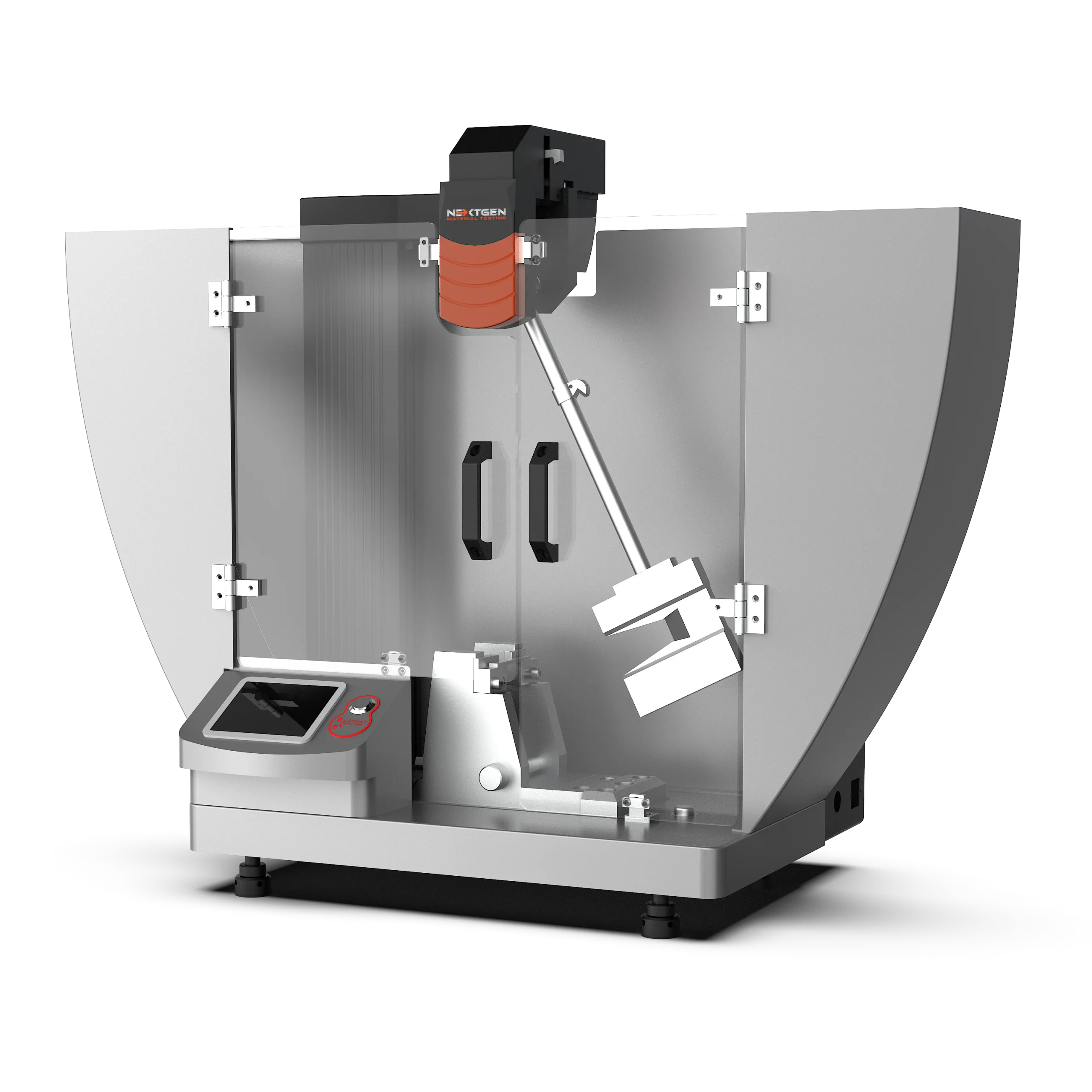
Class J - Charpy and Izod Automatic Impact Testing System - 1J - 50J
Class J is an automatic Charpy and Izod impact testing system for low-energy impact evaluation of plastics and related materials. It covers 1–50 J for Charpy tests and 1–22 J for Izod tests, with interchangeable pendulums, adjustable spans, controlled striking velocity, and ASTM D6110, ASTM D1822, ISO 179, GB/T 1043, and ISO 9854.1 support for standardized testing.
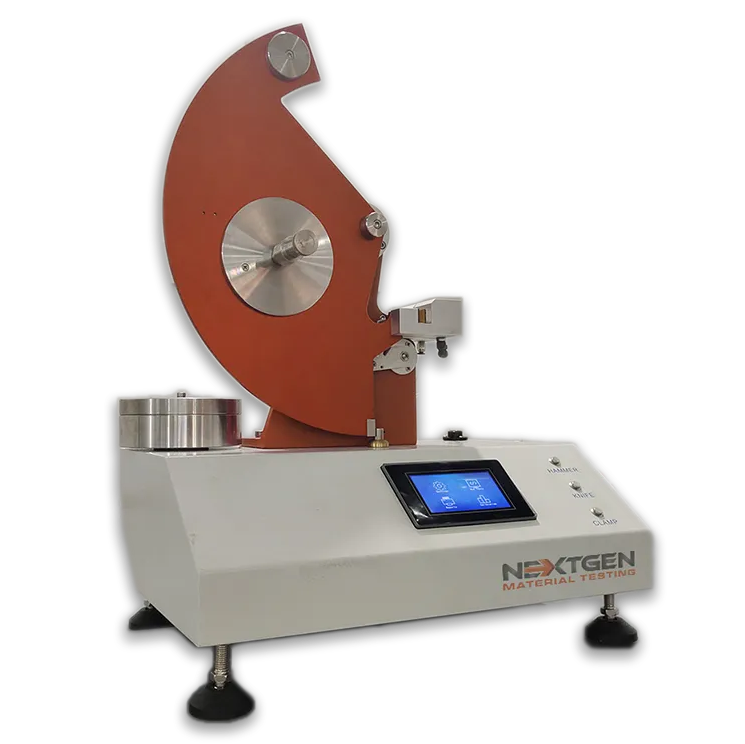
GenElm Series Elmendorf Tearing Tester – 64N and 128N Models
GenElm Series is an Elmendorf tearing tester for measuring tear resistance of plastic film, sheeting, textiles, paper, board, and other flexible materials. Available with 64 N and 128 N high-capacity pendulum options, it supports ASTM D1922, ASTM D1424, ISO 6383-2, ISO 1974, and related methods. The pendulum-based design helps QC and R&D labs generate clear, repeatable tear-strength data.
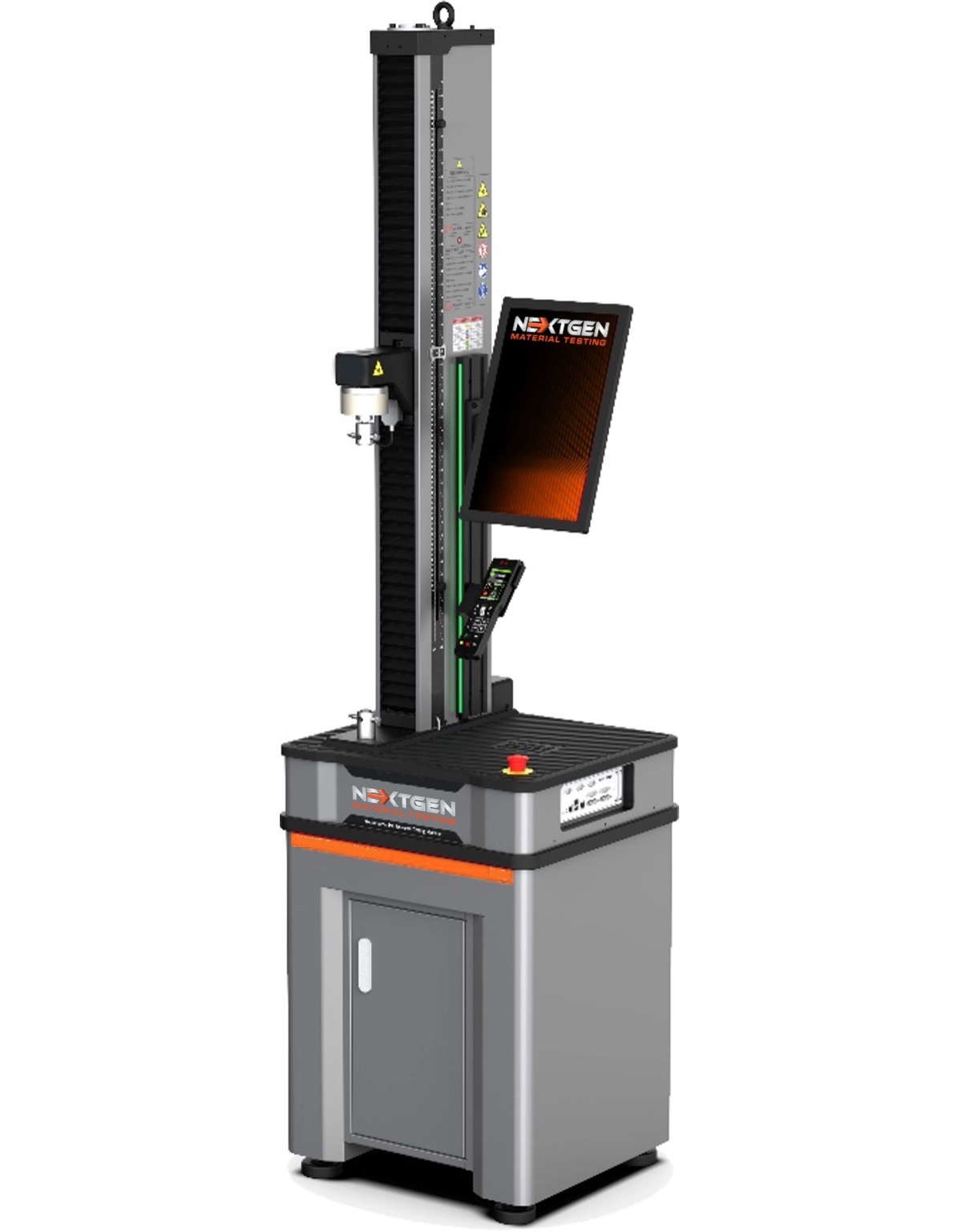
NG-EML Series A – Single Column Bench Top Universal Testing Machine (50 N – 5 kN)
NG-EML Series A is a compact single-column benchtop universal testing machine for low-force tensile, compression, and flexural testing. Covering 50 N to 5 kN capacity options, it is suited for rubber, plastics, adhesives, films, foams, wires, metals, composites, and consumer products. Its electromechanical frame, high-speed servo actuation, GenTest software, and standards support make it practical for R&D and routine QC.
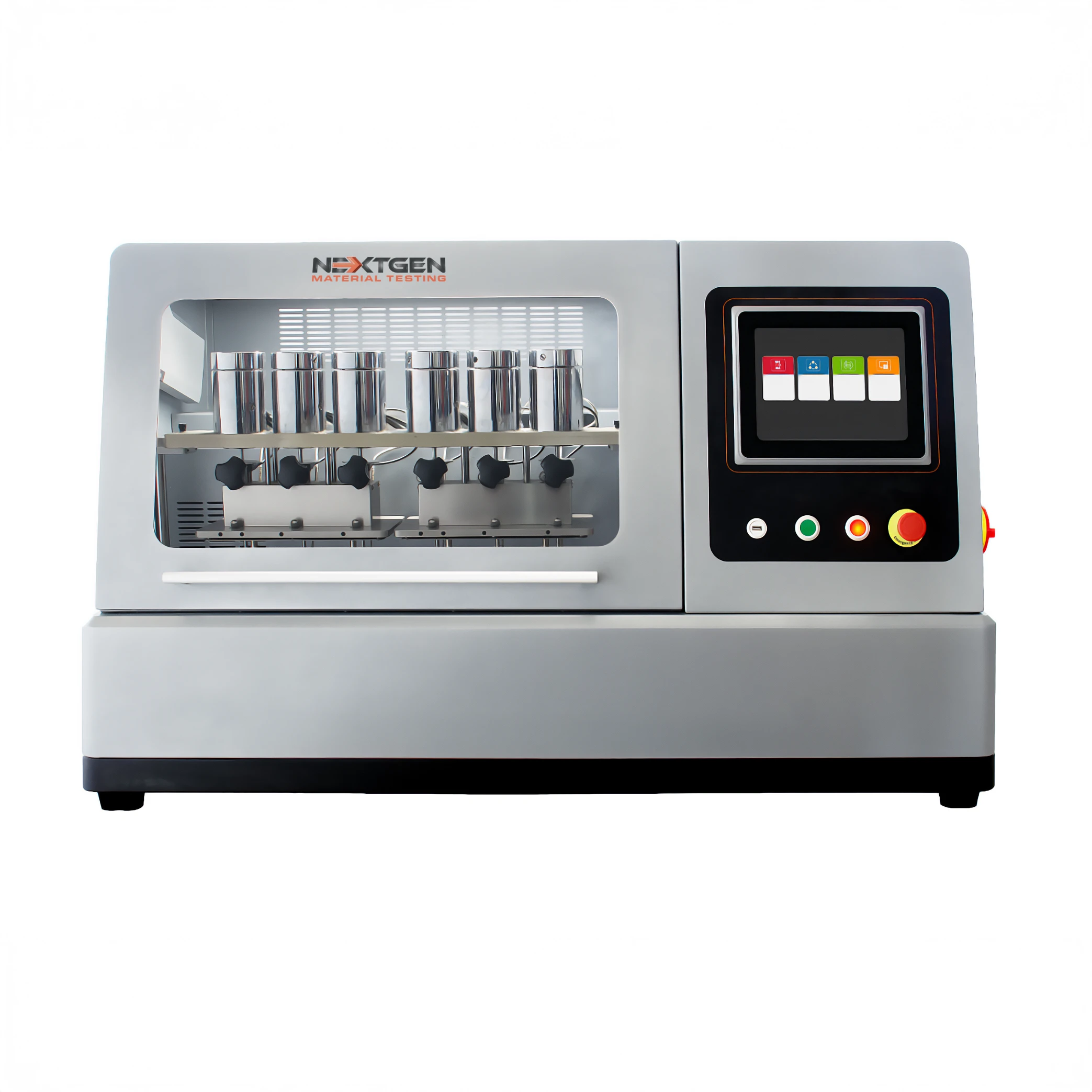
HDT/VICAT Testing Machine – Thermal Analysis for Plastics NG-HDT
NG-HDT is an HDT/Vicat testing machine for measuring heat deflection temperature and Vicat softening temperature of thermoplastics, including pipes and fittings. Available in 3- and 6-station configurations, it uses a touchscreen industrial PC, Class A temperature sensing, LVDT displacement measurement, controlled linear heating, and an oil bath rated to 300°C to support QA/QC, material development, and standards-based thermal analysis.
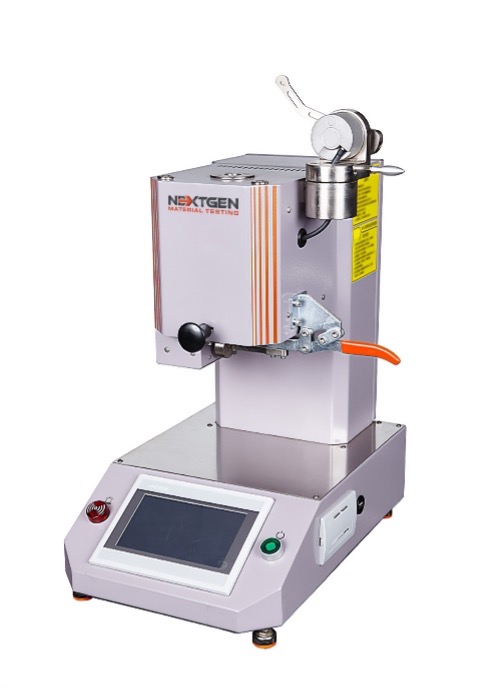
Melt Flow Indexer
The Melt Flow Indexer measures melt flow rate, melt index, and melt volume rate of thermoplastic materials for quality control, research, and material development. With a broad measuring range, 7-inch display, mass or volume method selection, precise temperature control, optical displacement measurement, automatic cutting, microcomputer control, and result printing, it helps labs evaluate viscosity, processability, and batch consistency according to ISO, ASTM, DIN, BS, and JIS methods.
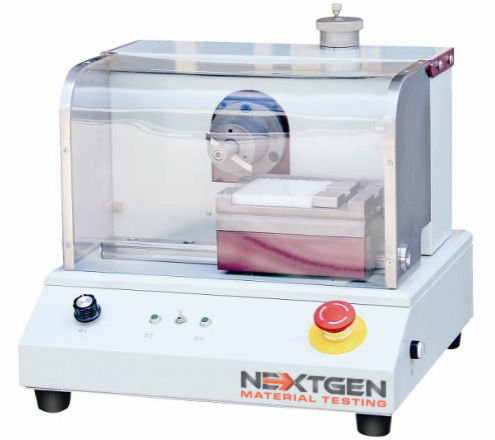
Advanced Motorized Multi-Specimen Notching and Broaching Machine for Impact Testing on Plastic Specimens GenNotch 3000
GenNotch 3000 is a motorized multi-specimen notching and broaching machine for preparing plastic specimens before Charpy and Izod impact testing. It holds up to 20 samples and can process 60 specimens in about 10 minutes, helping laboratories improve throughput. Adjustable feeding, controlled knife movement, ASTM D256, ASTM D6110, ISO 179, and ISO 180 compliance support consistent, standards-ready notches.
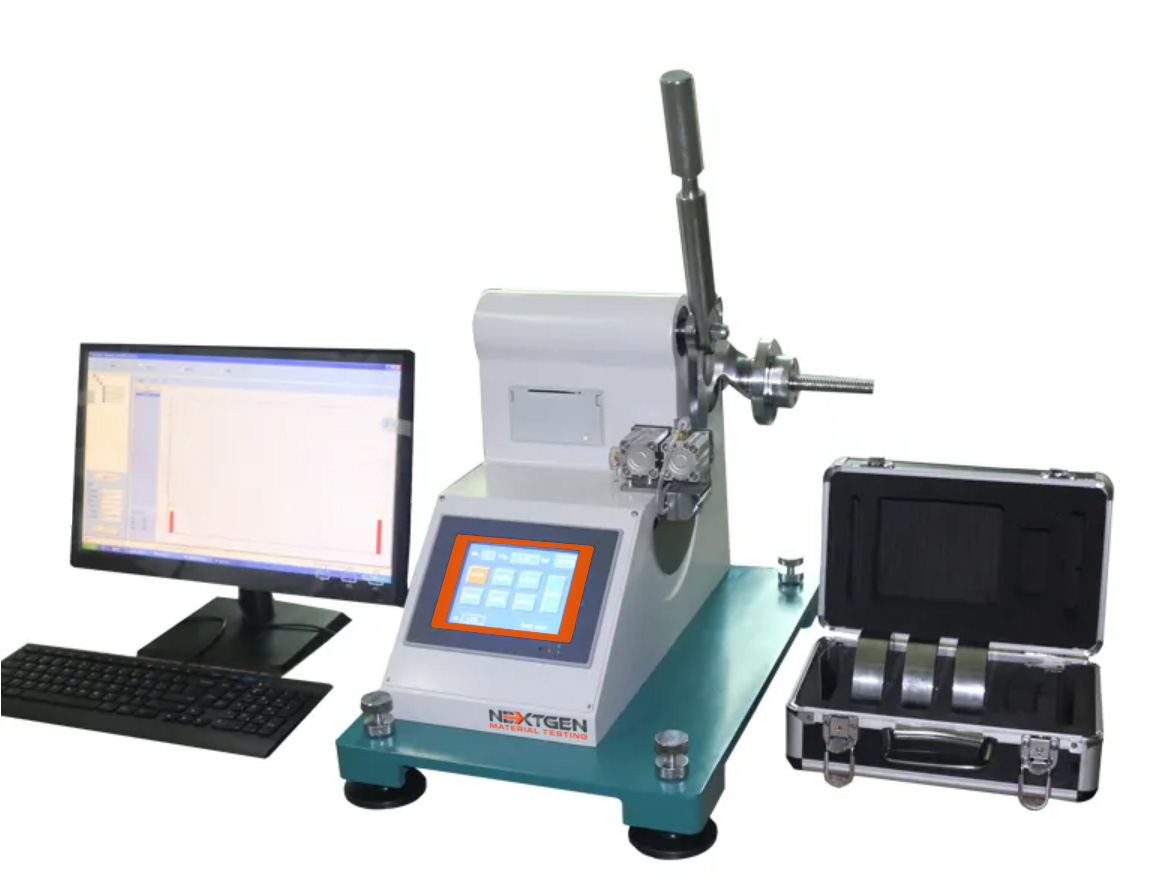
High Energy Elemendorf
NG-HE Elmendorf is a high-energy tearing strength tester for plastics, films, textiles, paper, and other flexible materials. It supports tear-force ranges up to 128 N with pneumatic clamping, automatic testing, result calculation, and data reporting. Compliance with standards such as ASTM D1424, DIN 53862, and ISO 13937-1 makes it useful for quality control and material comparison.
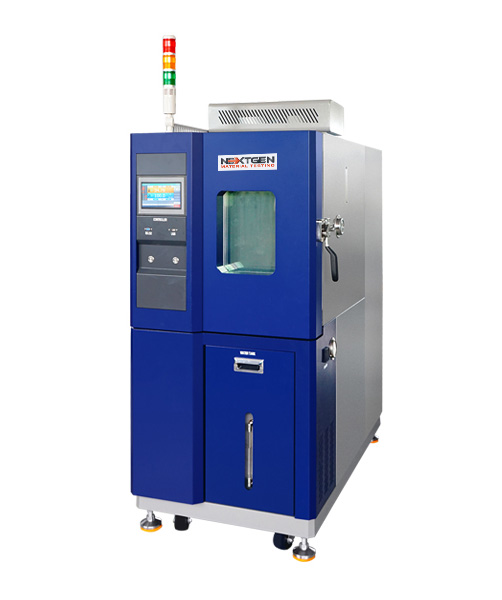
NextGen Environmental Chambers NG-EC 100,150,225,408,1000
NextGen NG-EC Environmental Chambers provide controlled temperature and humidity conditions for material, product, and quality-control testing. Available in 100, 150, 225, 408, and 1000 L sizes, they feature insulated steel construction, stainless interior walls, mechanical compression refrigeration, circulating air ducts, adjustable sample racks, a viewing window, and 7-inch touchscreen control to support stable, repeatable environmental simulation.
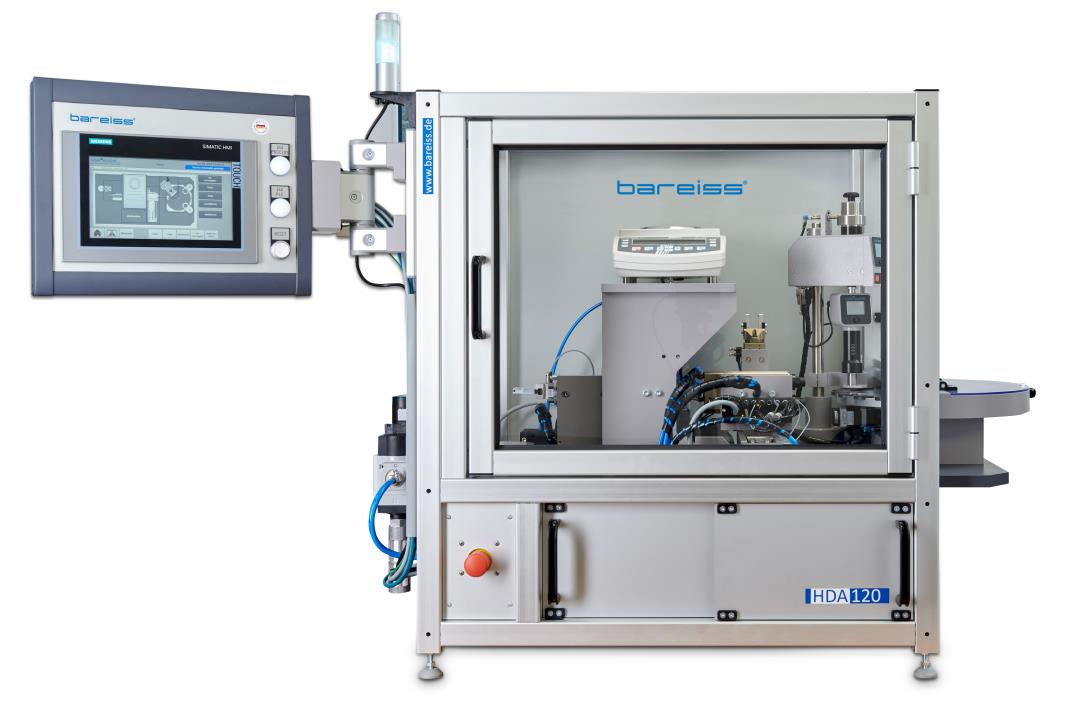
HDA 120 - Hardness and Density Automation Test System
HDA 120 is a semi-automatic hardness and density automation system for rubber and plastic sample characterization. It can handle up to 20 samples, perform three hardness measurements on a rotary table, and transfer specimens for density determination using a pneumatic gripping system. Data interfaces, touchscreen operation, ISO-compliant methods, and automated handling help improve throughput, traceability, and repeatability.
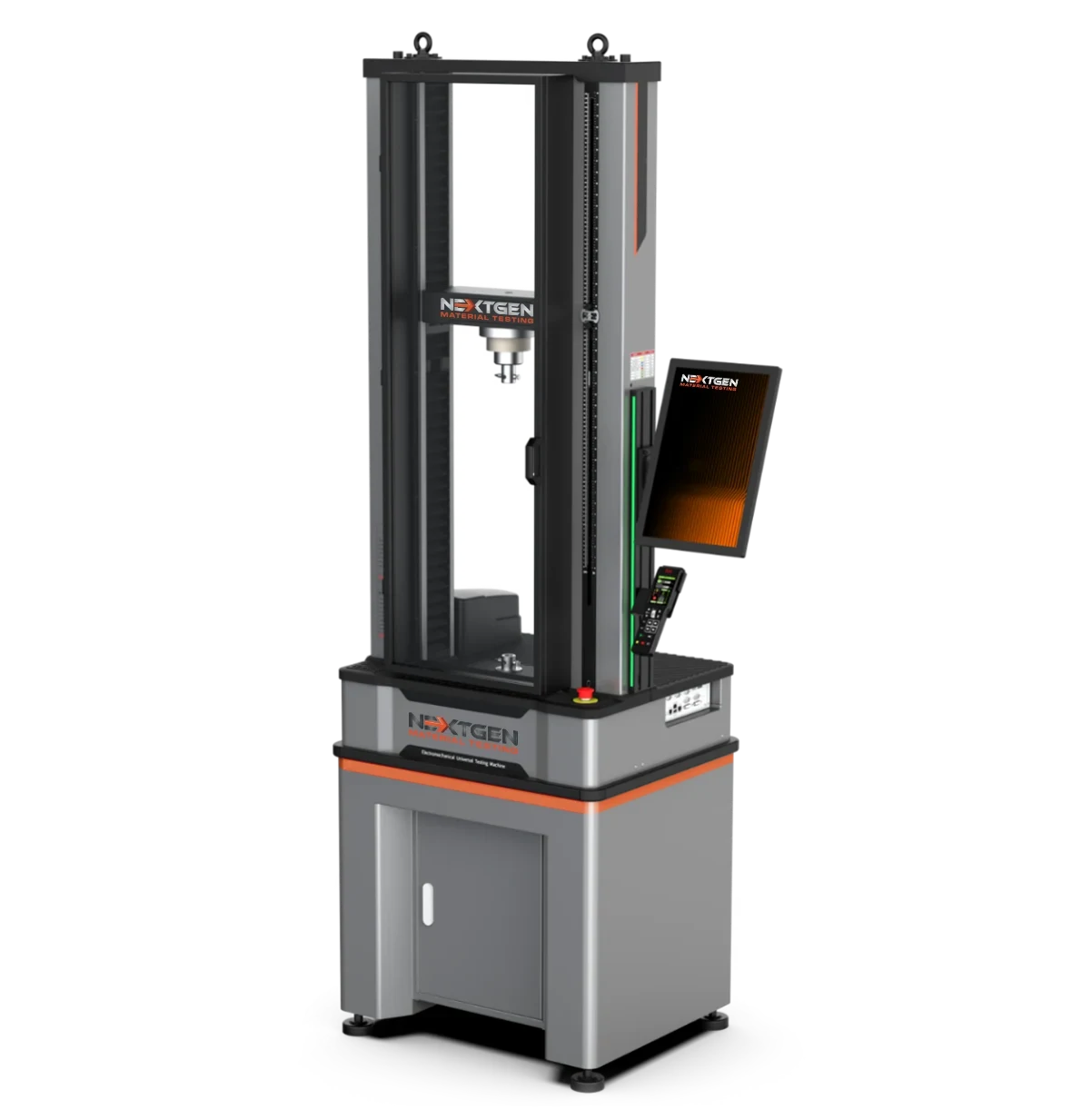
NG-EML Series B – Dual Column Bench Top Universal Testing Machine (100 N – 10 kN)
NG-EML Series B is a dual-column benchtop electromechanical universal testing machine for precision testing from 100 N to 10 kN. Built for research and industrial labs, it supports tension, compression, flexural, and component testing of composites, high-strength metals, polymers, films, foams, and rubber. Its compact rigid frame, advanced control accuracy, and GenTest software help deliver repeatable results in limited lab space.
NG-EML Series C – Dual Column Bench Top and Floor Standing Universal Testing Machine (5 kN – 50 kN)
NG-EML Series C is a dual-column electromechanical universal testing machine available in bench-top and floor-standing formats from 5 kN to 50 kN. Built for tension, compression, flexural, shear, and peel testing, it combines Class 0.5 accuracy, a servo direct-drive system, high-rigidity frame, touchscreen control, and GenTest software to support precise testing of metals, composites, rubber, plastics, and polymers.
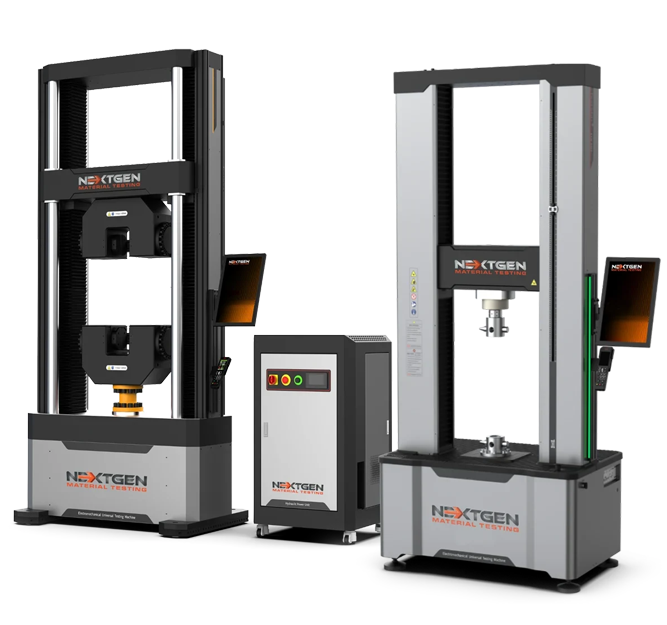
NG-EML Series D – Floor Standing Universal Testing Machine (50 kN – 1000 kN)
NG-EML Series D is a heavy-duty floor-standing electromechanical universal testing machine for high-capacity tensile, compression, and flexural testing. Available from 50 kN to 1000 kN, it is built for high-strength steels, advanced composites, alloys, and challenging research materials. Its rigid dual-column frame, servo direct-drive system, closed-loop control, safety protections, and GenTest software support stable, accurate testing.
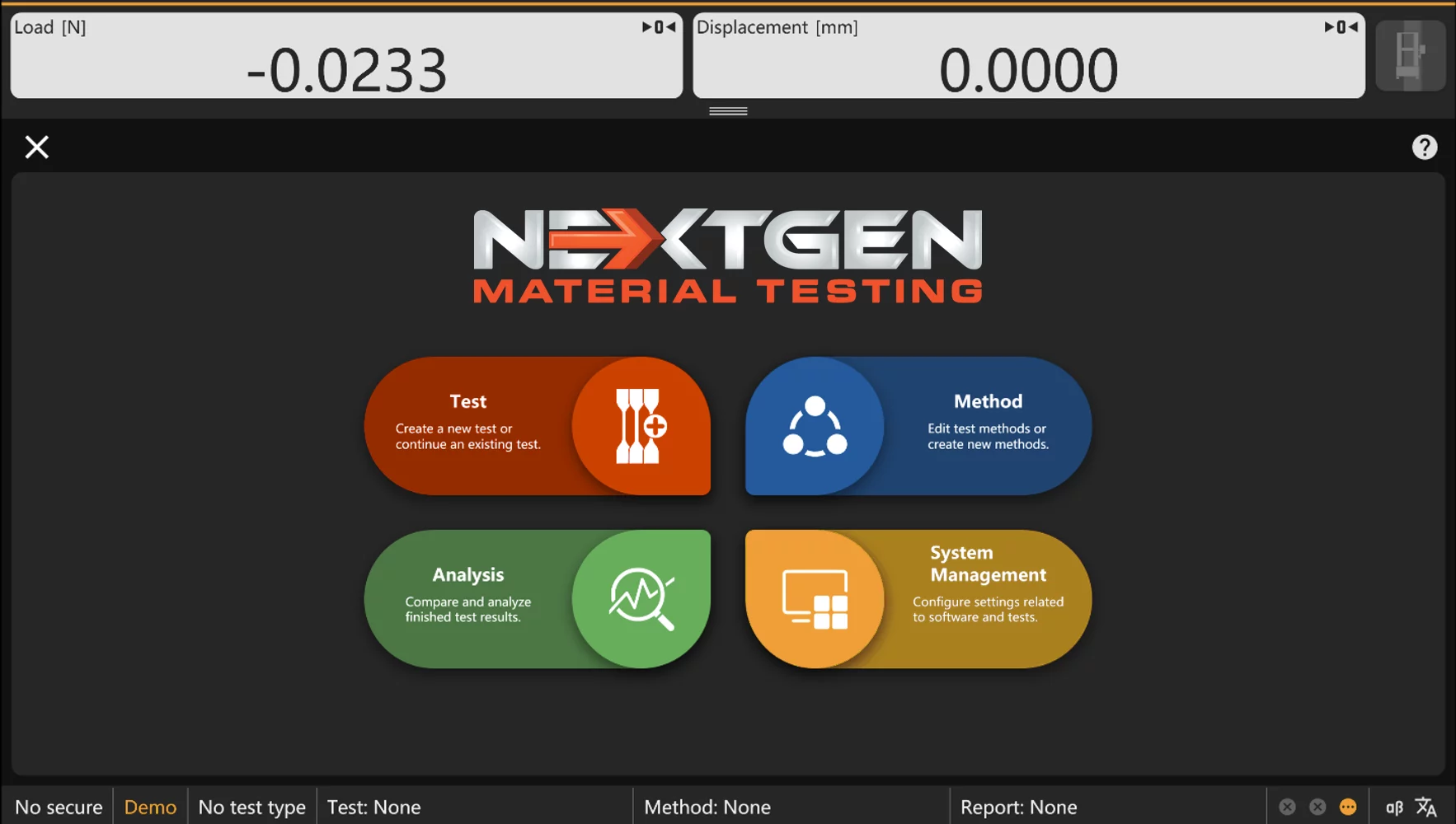
GenTest – Advanced UTM Testing Software
GenTest is NextGen’s advanced UTM testing software for electromechanical universal testing machines, managing test setup, live control, data acquisition, calculations, curves, and reporting from one method-driven environment. Preconfigured ASTM, ISO, DIN, EN, and BS templates help operators load the correct control mode, speeds, gauge length, formulas, and result fields for tensile, compression, and flexural tests.
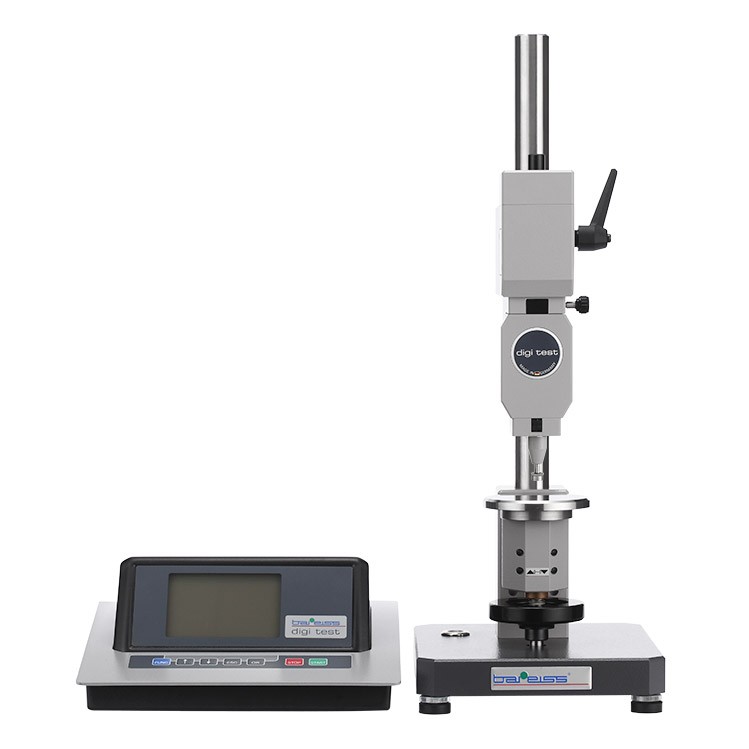
Automatic Shore, IRHD and VLRH Hardness Testing System
Digi Test II is an automatic Shore, IRHD, and VLRH hardness testing system for rubber, plastics, foams, elastomers, O-rings, tubes, hoses, and shaped parts. It combines an electronic control unit, loading module, test stand, and interchangeable measuring heads with automatic range recognition, programmable measuring time, USB output, and low-operator-influence operation. DIN, ISO, ASTM, BS, and DAkkS certificate support strengthen repeatability.
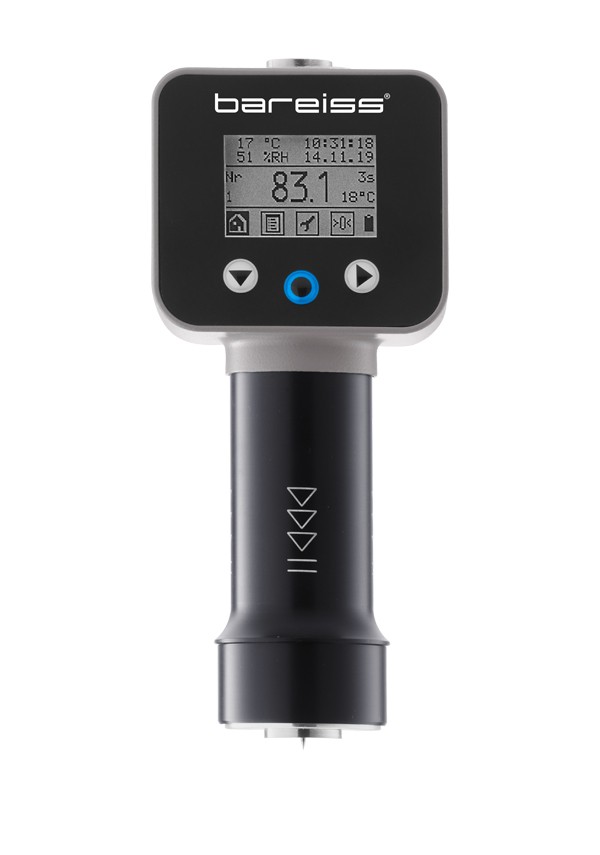
Advanced Portable Shore Durometer System with Test Stand Options
HPE III is an advanced portable Shore durometer system for hardness testing of rubber, plastics, and related materials. It measures hardness while also displaying specimen or environmental temperature and humidity, helping users track conditions during testing. A large LCD display, aluminum casing, patented ergonomic hand grip, USB connection, historical data display, rechargeable operation, and compatible manual or automatic test stands improve repeatability.
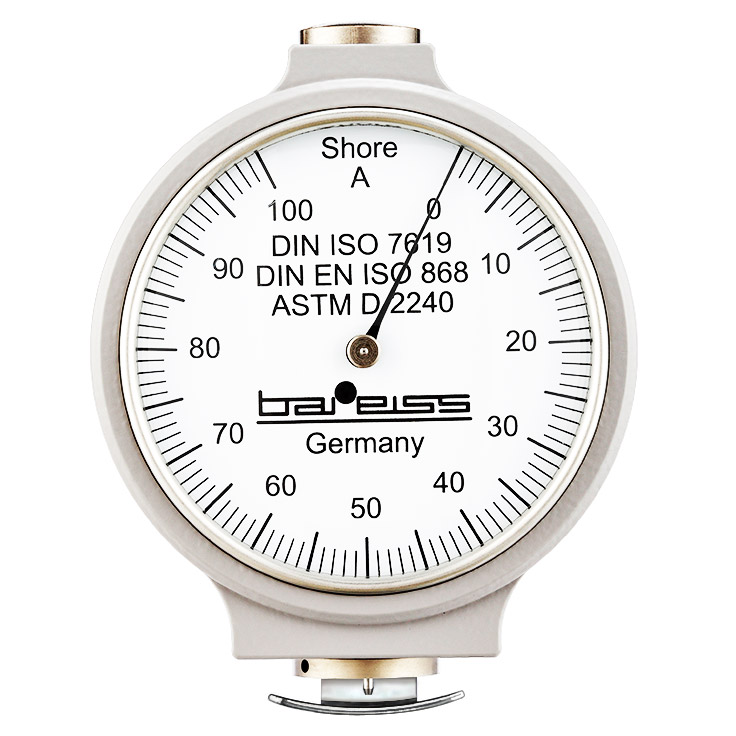
Classic Analogue Shore Durometer with Test Stand Options
The Classic Analogue Shore Durometer is a German-manufactured hardness tester for rubber and plastic materials, available with manual or automatic test stand options. Known as a long-standing Shore hardness benchmark, it supports portable measurements, ergonomic operation, reference blocks, control rings, calibration accessories, and DAkkS/DKD certificate options. DIN 53505, EN ISO 868, ASTM D2240, and JIS K 6253 compatibility supports reliable verification.
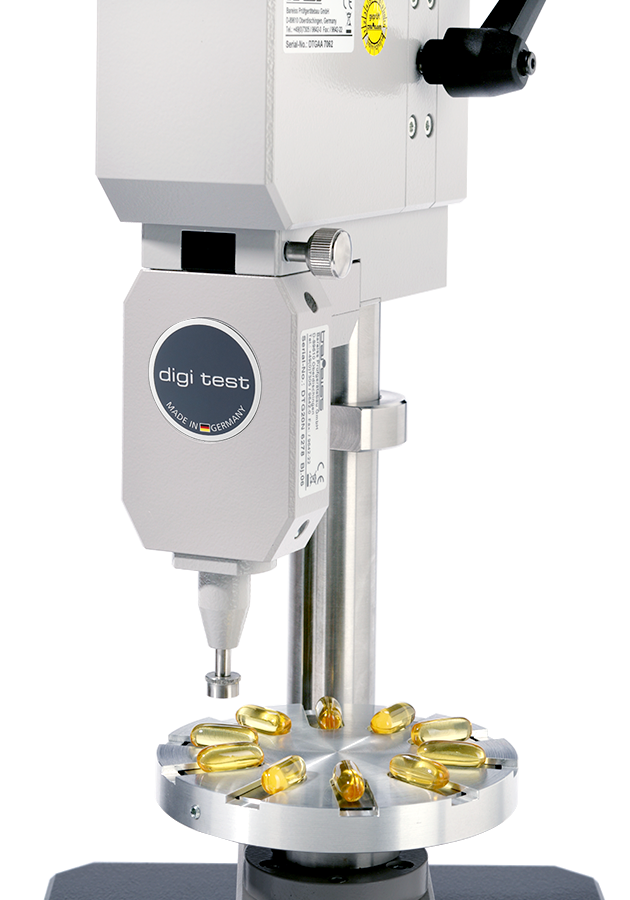
Automatic Capsule and Soft Gel Hardness Tester
Gelomat is an automatic capsule and soft gel hardness tester for gelatin capsules, softgels, plasticine, edible gelatin, and similar materials. Available with 0–2 N or 0–20 N measuring heads, it supports non-destructive hardness testing with automatic measurement, clear electronic display, USB data transfer, auto correction, hysteresis function, and optional custom Centrofix holders for precise capsule centering and efficient pharmaceutical-style QC.
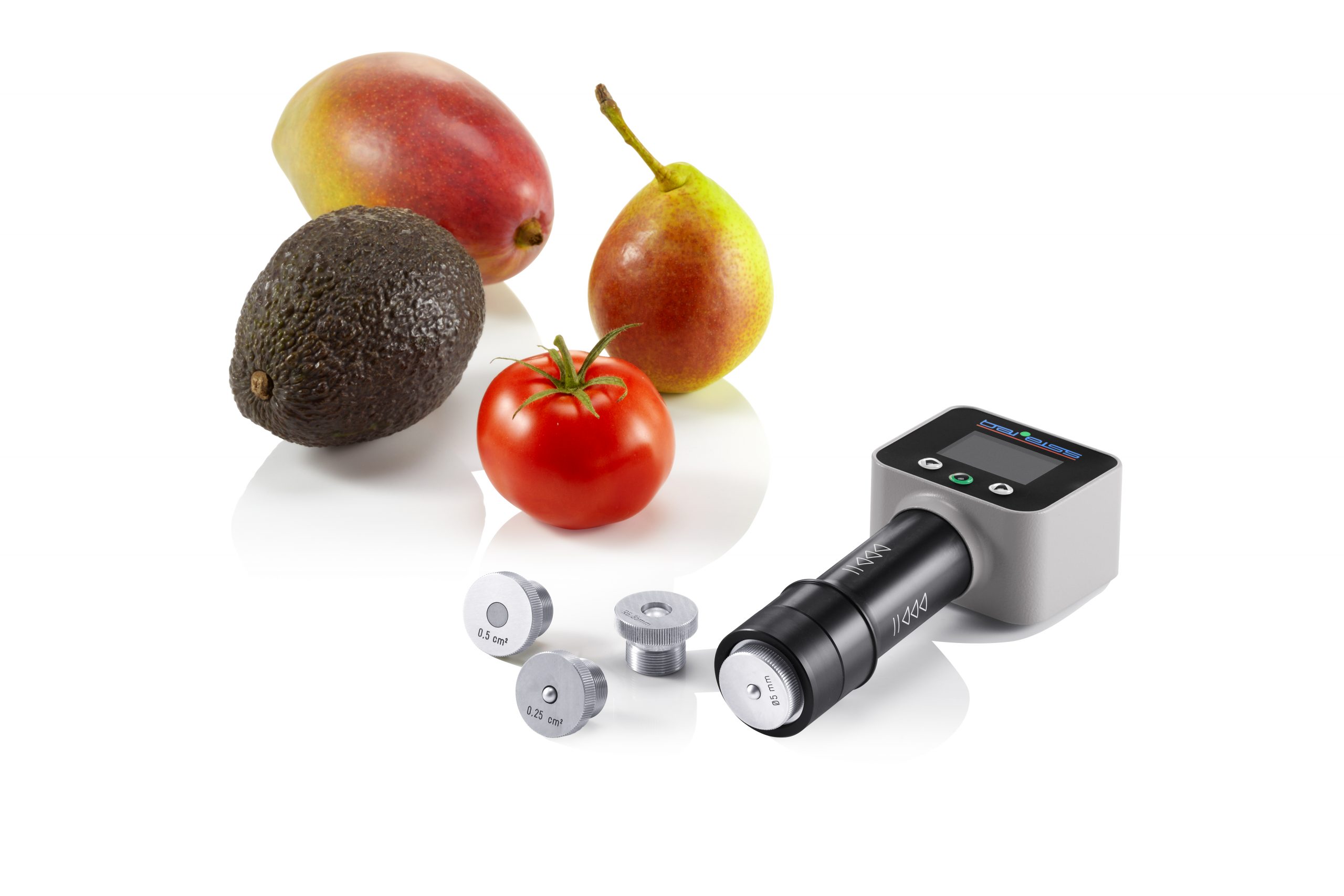
Fruit Firmness Tester
NextGen’s Fruit Firmness Tester is a portable German-manufactured device for measuring firmness in fruits, vegetables, meat, and fish. Interchangeable anvils support applications from berries and tomatoes to apples, avocados, carrots, cucumbers, and other produce. Ergonomic handheld design, digital readout, foam-fitted case, calibration accessories, USB or mobile data options, and objective force-based measurement help growers, distributors, and researchers assess ripeness and quality.
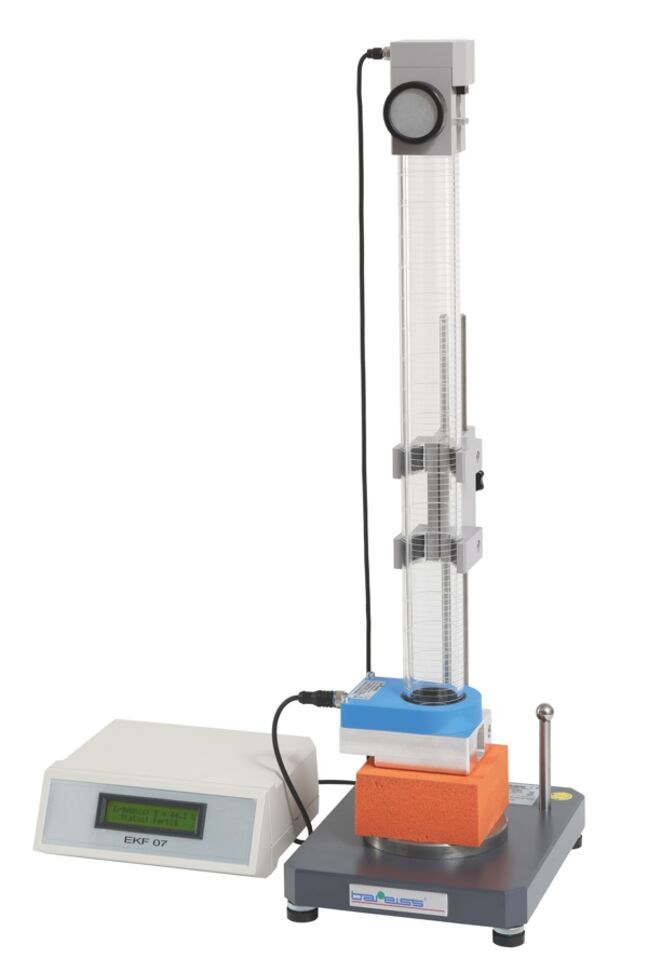
Ball Rebound Tester
The Ball Rebound Tester measures rebound resilience in foam, polyurethane, rubber, and similar materials. Designed for DIN EN ISO 8307 and ASTM D3574 testing, it drops a 16 mm magnetic ball from a controlled 500 mm height and calculates rebound performance through the electronic console. This makes it a practical solution for quality control, material comparison, and repeatable resilience evaluation.
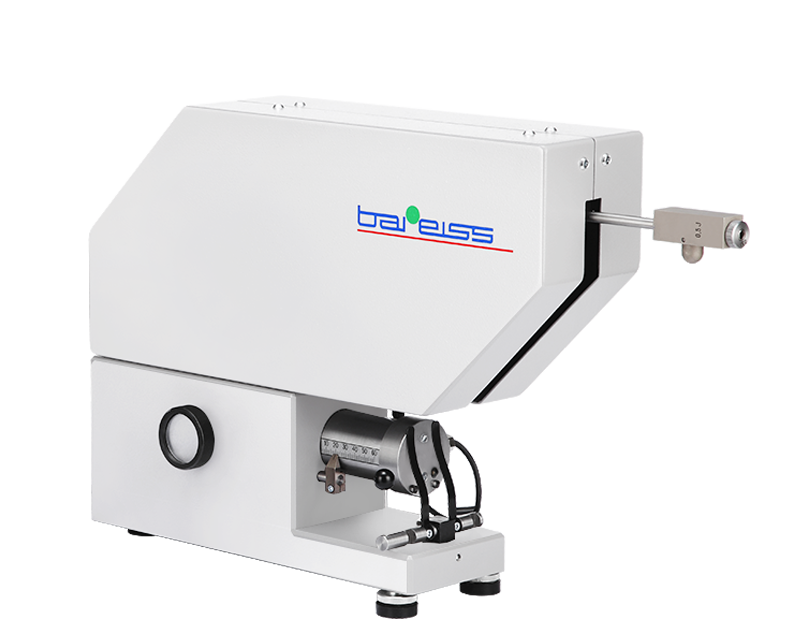
Pendulum Rebound Resilience Tester
NextGen’s Pendulum Rebound Resilience Tester measures the elastic recovery and dynamic behavior of elastomers, foams, and rubber materials. Available in manual and fully automatic versions with a digital display terminal, it supports DIN 53512, ASTM D1054, and ISO 4662 workflows. Optional sample heating up to 100°C helps laboratories compare formulations, aging effects, fatigue changes, and heat-related resilience performance.
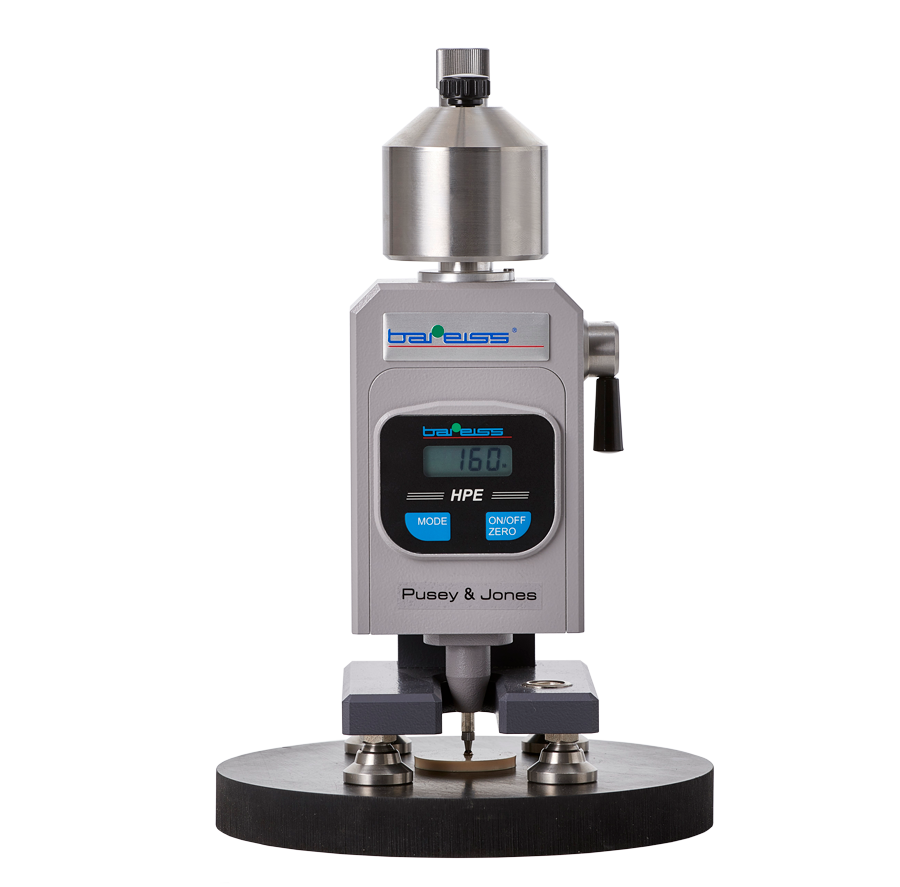
Pusey & Jones Tester
Pusey & Jones Tester is a portable plastometer system for measuring hardness and indentation behavior of rubber and rubber-like materials, especially rubber rollers used in the paper industry. It applies a 9.8 N test load and reads penetration depth after a 60-second test. An electronic dial gauge, zero-setting function, 1 kg load weight, built-in timer, and optional software support repeatable reporting.