ASTM D2444 is a standardized falling-weight (tup) impact procedure used to evaluate the impact resistance of thermoplastic pipe and fittings under defined impact conditions. It is commonly referenced by plastic pipe product specifications and quality programs to help compare materials, processing changes, and environmental effects on impact performance.
If you are matching a lab setup to a specific pipe size range, impact energy range, or legacy edition callout, talk with our team about configuration and edition alignment.
ASTM D2444-25 — Standard Practice for Determination of the Impact Resistance of Thermoplastic Pipe and Fittings by Means of a Tup (Falling Weight)
ASTM D2444 defines a controlled falling-weight impact approach for thermoplastic pipe and fittings using a guided tup and specified striking-nose geometries. The practice is often used to support product conformance decisions, process-change evaluation, and comparative robustness assessments for handling, installation, and (for non-buried uses) in-service breakage risk.
Because impact behavior can be sensitive to specimen geometry, support conditions, and conditioning environment, equipment selection and setup details should be aligned to the exact D2444 edition and any product specification that cites it.
Quick Definition
ASTM D2444: A falling-weight tup impact practice for measuring the impact resistance of thermoplastic pipe and fittings using interchangeable striking noses and defined specimen support methods.
What This Standard Covers
ASTM D2444 covers impact testing of thermoplastic pipe and fittings by striking a supported specimen with a falling tup under specified conditions. The practice includes the use of three interchangeable striking noses (different geometries) and describes two specimen-holder/support approaches for holding the pipe or fitting during impact.
In scope: Impact resistance determination for thermoplastic pipe and fittings using a falling-weight tup system.
Key setup elements it references: Striking-nose geometry selection and specimen holding/support method selection.
Why This Standard Matters in Testing
D2444 results are commonly used to (1) help establish impact requirements in product standards, (2) evaluate the effect of material or processing changes, and (3) evaluate the effect of environment on impact behavior. In practical QA/QC terms, it provides a repeatable way to compare impact robustness across lots, compounds, extrusion conditions, or conditioning temperatures when the same edition and setup are used.
For lab managers and procurement teams, D2444 is frequently an equipment-driver because it requires a controlled drop-weight impact system with appropriate tup noses, specimen supports, and safe guarding.
Common Materials, Product Types, or Applications Covered
This practice is used for thermoplastic pipe and plastic pipe fittings across common industrial and infrastructure polymer systems where impact resistance is a design, handling, or installation concern.
Common product forms: Extruded thermoplastic pipe, molded or fabricated thermoplastic fittings.
Common use points: Incoming material qualification, process validation, routine production QC, and comparative studies (for example, evaluating environmental conditioning effects).
Common Test or Verification Workflow
ASTM D2444 is typically run as a controlled impact sequence where specimens are supported in a defined holder, then struck with a falling tup at specified conditions.
- Select the D2444 edition required and confirm any additional requirements imposed by the citing product specification.
- Prepare and (when required) condition pipe/fitting specimens to the specified environment.
- Choose the appropriate specimen holder/support arrangement and the specified striking-nose geometry.
- Set the impact conditions on the drop-weight system (for example, mass and drop height to achieve the required impact severity).
- Perform the impacts and record the specified outcome(s) and observations required by the governing edition/specification.
Equipment Commonly Used for This Standard
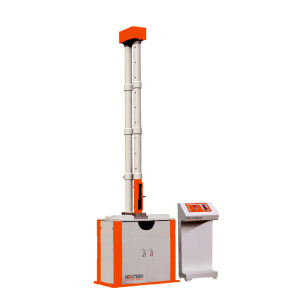
ASTM D2444 points to a falling-weight tup impact test setup designed for pipe and fittings, with controlled guidance and repeatable support conditions.
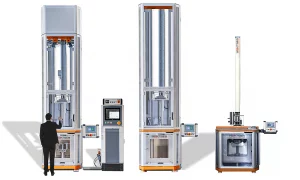
Common equipment families: Falling weight impact testers (drop tower / guided tup systems) configured for pipe and fittings.
Common system elements: Interchangeable striking noses, pipe/fitting specimen supports/holders, adjustable drop height, tup mass options, protective enclosure and interlocks, and instrumentation or procedures to document the test conditions and outcomes.
Common accessories: Conditioning capability (for example, environmental conditioning prior to test) when evaluating environmental effects, plus fixtures sized for the pipe and fitting geometries you test most often.
If you are comparing tower capacity, nose sets, or pipe support fixtures for your size range and impact energies, you can request pricing for a configuration matched to your workflow.
How to Read This Designation or Revision
ASTM D2444 is the base designation for this falling-weight tup impact practice for thermoplastic pipe and fittings.
Suffix year (example: D2444-25): The number after the hyphen identifies the edition year of the standard. Equipment setup, fixture details, and reporting expectations can vary by edition and by the product specification that cites D2444, so purchase specs and lab procedures should reference the exact year/version required.
Related Standards, Methods, or Frameworks when useful
ASTM D2444 is often referenced by thermoplastic pipe and fitting product specifications that set specific impact-test requirements (such as conditioning, acceptance criteria, and sampling plans). When a product specification cites D2444, follow the product specification first for requirement details, and use D2444 for the test practice.
When comparing methods, note that D2444 is specifically oriented to pipe and fittings with defined supports and tup noses, which can differ from general-purpose plastics impact tests intended for flat plaques or molded bars.
Talk to a Test Equipment Specialist
If you need help selecting a drop-tower configuration, tup nose set, or pipe support tooling for ASTM D2444 (including edition matching and your pipe size range), contact our team and share the standard year, product type, and target impact conditions.