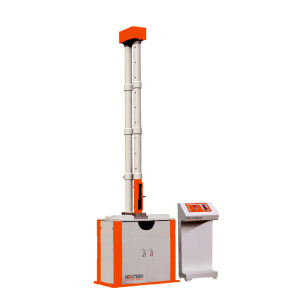
ISO 3127:1994 is a test method used to determine the resistance of thermoplastics pipes to external blows using the “round-the-clock” impact method. It is commonly used when qualifying pipe designs or checking batch-to-batch toughness for plastic piping products.
The standard is written around testing circular-cross-section thermoplastics pipes, including conditioning at 0 °C for the method described. If you need help matching ISO 3127 to a specific pipe product standard, cited edition, or lab setup, talk with our team.
ISO 3127:1994 — Thermoplastics pipes — Determination of resistance to external blows — Round-the-clock method
ISO 3127:1994 defines a controlled impact procedure for evaluating how thermoplastics pipes withstand external blows. It is an internationally recognized approach that supports consistent impact testing across labs when the same edition and conditions are specified.
ISO 3127:1994 is the second edition of ISO 3127 and it replaced the earlier 1980 edition.
Quick Definition
Document type: Test method (impact resistance of thermoplastics pipe).
What it measures: Resistance of thermoplastics pipes to external blows using the round-the-clock method.
Typical use: Product qualification, quality control checks, and comparative toughness screening for plastic pipes.
What This Standard Covers
ISO 3127:1994 specifies a method for determining resistance to external blows for thermoplastics pipes of circular cross-section using the round-the-clock method.
The published scope for this method is targeted to isolated batches of pipe tested at 0 °C, so procurement documents and product standards that cite ISO 3127 often do so with a particular conditioning temperature and acceptance criteria in mind.
Why This Standard Matters in Testing
External impact resistance is a practical performance concern for many piping applications because pipes can be damaged during handling, installation, or service. ISO 3127 gives a repeatable impact-test framework that can be referenced by product specifications and internal QA/QC plans.
For labs and manufacturers, the biggest practical driver is comparability: aligning the same method, conditioning temperature, and pass/fail interpretation helps prevent disagreements when results are used for release decisions or supplier approvals.
Common Materials, Product Types, or Applications Covered
ISO 3127:1994 is used for thermoplastics pipe products with a circular cross-section. It is most often associated with plastic piping systems and ducting applications where impact toughness is a performance requirement, especially where cold-condition handling is a concern.
Many organizations encounter ISO 3127 through adopted or harmonized publications (for example, EN ISO editions) referenced in regional pipe product standards and customer specifications.
Common Test or Verification Workflow
ISO 3127 is typically used as part of a pipe qualification or incoming/production quality program.
Common workflow: Select representative pipe specimens from a defined batch, condition specimens to the specified temperature (commonly 0 °C when ISO 3127 is cited in its stated application), perform controlled external impacts around the pipe circumference using the round-the-clock method, then record and report the observed damage outcomes per the referenced edition and any controlling product specification.
Because acceptance limits are often set by a separate pipe product standard or purchase specification, labs commonly confirm the cited edition of ISO 3127 and the exact conditioning and pass/fail requirements before running testing.
Equipment Commonly Used for This Standard
ISO 3127 impact resistance testing generally points to an instrumented or non-instrumented falling-weight impact setup designed for pipe specimens, along with temperature conditioning equipment.
Common equipment families: Falling-weight impact tester (drop tower) configured for pipe impact, pipe specimen supports/fixtures for the round-the-clock method, calibrated drop mass and striker/impactor components, and a temperature conditioning chamber or cold cabinet capable of maintaining the specified conditioning temperature (commonly 0 °C when this standard is applied as written).
Quoting and setup sensitivity: The correct fixture set, striker details, and conditioning capability depend on the pipe diameter range and the exact edition and referencing product requirement. If you are comparing impact tester configurations or need a system sized for your pipe range, you can request pricing for an ISO 3127-ready setup.
How to Read This Designation or Revision
Basic designation: “ISO 3127:1994” identifies the ISO standard number and the publication year (1994) for the current ISO edition.
Important practical detail: You may also see adopted versions such as EN ISO 3127 with a different publication year (for example, EN ISO 3127:2017 as used in some national catalogs). Those are adoptions of the ISO method and can add regional forewords and publication dates, so it is best to align the exact document identifier required by the contract, customer, or product standard.
Related Standards, Methods, or Frameworks
ISO 3127 is commonly referenced by plastic pipe product specifications and piping system standards that need a defined approach for external impact resistance. In practice, the controlling pipe product standard (or customer specification) will usually define sampling, acceptance criteria, and any additional conditioning requirements while pointing to ISO 3127 for the test method itself.
If your requirement cites a regional adoption (such as an EN ISO edition), confirm whether the contract requires the ISO publication or the adopted national version before testing.
Get help selecting an ISO 3127 test setup
If you need to run round-the-clock impact testing at 0 °C and want to ensure the impact tester, pipe supports, and conditioning equipment match your pipe sizes and throughput, request a detailed quote for a configuration matched to your lab workflow.