ISO 179:1982 is an ISO standard for determining Charpy impact strength of rigid plastics using a pendulum impact method. It is typically referenced when a material or compound needs a simple, comparative impact-strength value under defined conditions.
This specific 1982 edition is listed by ISO as withdrawn, so purchase specifications should always be checked for the exact year/edition being cited and whether a newer revision is required. If you need help interpreting an older drawing, customer requirement, or test report callout, contact our team.
ISO 179:1982 — Plastics — Determination of Charpy impact strength of rigid materials
ISO 179:1982 focuses on Charpy-style pendulum impact testing for rigid plastics, producing an impact strength result that can be used for material comparison and quality checks.
In day-to-day lab workflows, it is most often encountered as a legacy requirement on older product specifications, internal test plans, or historical datasets.
Quick definition
Charpy impact testing uses a swinging pendulum to strike a supported plastic specimen and evaluates the material’s resistance to sudden impact loading as an impact-strength value.
What this standard covers
ISO 179:1982 addresses impact testing of rigid plastic materials using the Charpy configuration (a specimen supported as a small beam and struck by a pendulum). The intent is to generate comparable impact-strength data when the specimen geometry and test conditions are controlled.
Because this edition is withdrawn, the most important practical detail is confirming which later revision (or multipart replacement document) a customer or regulator expects before running qualification or release testing.
Why this standard matters in testing
Charpy impact results are commonly used as a fast screening metric for brittleness/toughness changes due to resin grade selection, filler/reinforcement changes, processing variation, or environmental conditioning.
For QA/QC, it can be a practical incoming or batch-to-batch check when the goal is consistency rather than full fracture mechanics characterization.
Common materials, product types, or applications covered
ISO 179:1982 is associated with rigid plastics and is commonly tied to material evaluation for molded or machined plastic components where impact resistance is a selection or acceptance criterion.
Typical use cases: Resin/compound comparisons, production stability checks, and legacy compliance requirements in plastics test reports.
Common test or verification workflow
A typical workflow includes preparing specimens (often with a defined notch condition when required), conditioning to the specified environment, running the pendulum impacts, and reporting impact strength results in the format required by the controlling specification.
When ISO 179 is cited on a purchase order or drawing, edition control is critical—older ISO callouts may not match modern lab fixtures, reporting fields, or instrument options without clarification.
Equipment commonly used for this standard
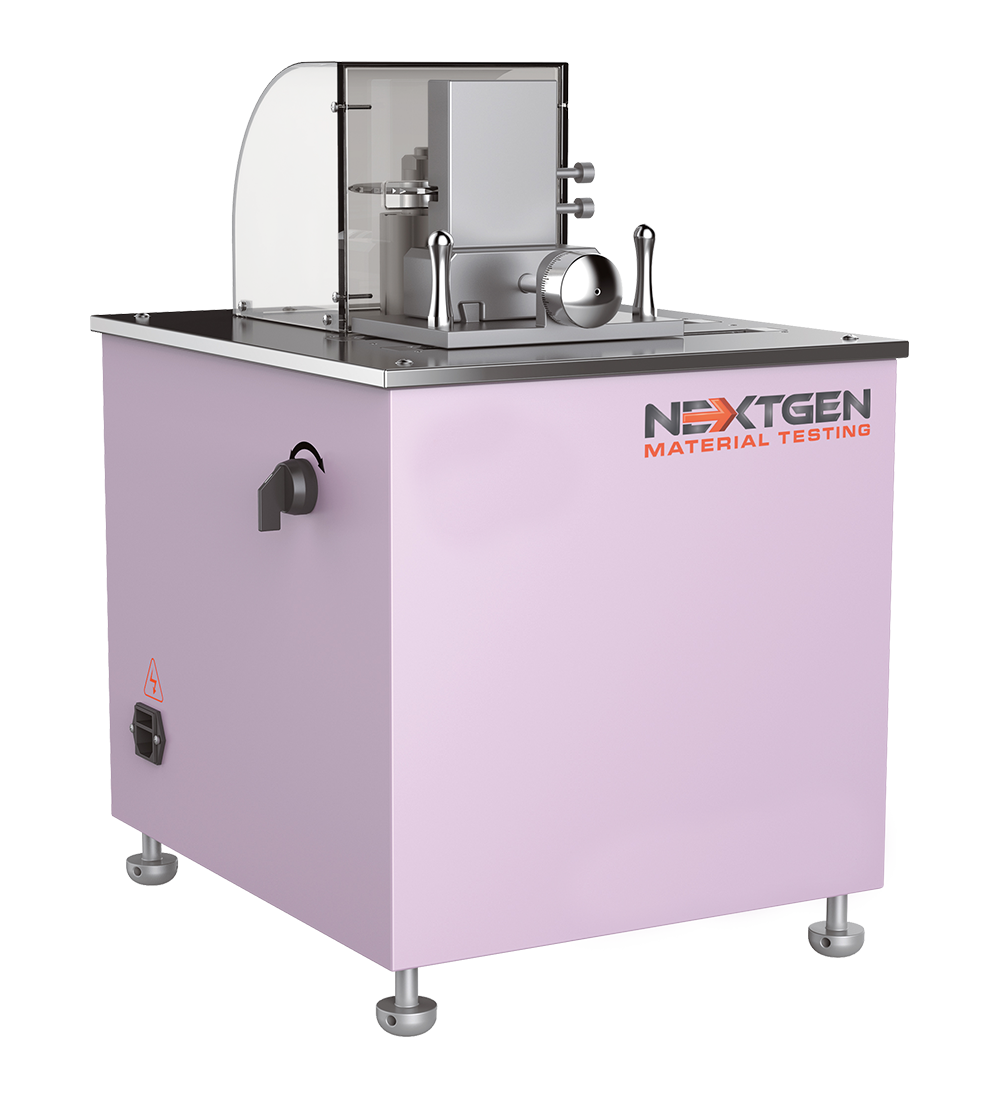
ISO 179 Charpy testing generally points to a pendulum impact testing system configured for plastics Charpy impact, with the appropriate specimen supports/anvils and striker geometry for the required setup.
Common equipment elements: Pendulum impact tester (plastics Charpy), specimen supports/fixtures, strikers, verification tools for impact systems, specimen notching equipment (when notched testing is required), and conditioning capability (ambient or temperature-controlled) when specified by the controlling document.
How to read this designation or revision
ISO 179:1982 indicates the ISO standard number (179) and the publication year (1982) for this edition.
ISO identifies ISO 179:1982 as withdrawn and indicates a newer version (ISO 179:1993). When a requirement only states “ISO 179” without a year, the applicable edition should be confirmed before testing to avoid mismatched conditioning, specimen details, or reporting expectations.
Related standards, methods, or frameworks when useful
Charpy impact testing for plastics is often managed as part of a broader mechanical test plan alongside tensile, flexural, and hardness measurements. In many organizations, the ISO 179 designation may also appear alongside later ISO 179 revisions or multipart documents that separate non-instrumented and instrumented approaches.
If your program requires correlation to internal methods, customer-specific fixtures, or a different impact configuration (for example, alternative impact orientations or data outputs), it is best to align the full test plan to the exact cited document edition before equipment is selected.
Get help selecting a Charpy impact setup
If you are equipping a lab for plastics Charpy impact work or replacing an older pendulum system, you can request a detailed quote for an ISO 179-oriented configuration (pendulum capacity, striker/support set, and verification accessories) matched to your specimen types and reporting needs.