DIN 53735 is a legacy DIN standard for determining the melt flow index (MFI) of thermoplastic materials, commonly used to compare flow behavior between resin grades and to monitor batch-to-batch consistency.
Because melt index requirements are often tied to specific temperature and load conditions, it’s important to match your customer or internal specification to the correct referenced method and edition. If you need help aligning a cited DIN requirement to current practice, talk with our team.
DIN 53735: Testing of plastics; determination of the melt flow index of thermoplastics
DIN 53735 describes a standardized approach for measuring the melt flow index of thermoplastics using a melt flow tester (extrusion plastometer). The reported melt index is typically used as a quick, production-friendly indicator of flow behavior that supports processing control and material comparison.
This document has been withdrawn and is commonly encountered today when older product specifications, legacy drawings, or historical material certificates still cite DIN-based melt index testing.
Quick definition
DIN 53735 in one line: A withdrawn German standard for measuring thermoplastic melt flow index (melt index) with an extrusion plastometer for material comparison and quality control.
What this standard covers
DIN 53735 covers the determination of melt flow index for thermoplastic plastics. In practice, this is a controlled melt flow measurement where polymer is heated and extruded through a defined die under specified conditions, and the flow result is used as an index value.
Key outcome: A melt index value that can be used to compare material lots or grades and to support acceptance decisions tied to a procurement or production specification.
Why this standard matters in testing
Melt index is widely used in plastics supply chains because it is fast, repeatable when controlled correctly, and directly useful for manufacturing decisions (for example, assessing whether a resin is likely to run consistently in extrusion or molding processes).
For labs and production QA/QC teams, melt index testing is often a gate check: incoming resin verification, in-process monitoring, and confirmation testing for finished-compound lots.
Common materials, product types, or applications covered
DIN 53735 is associated with thermoplastic resins and compounds where melt index is used as a production-control metric.
Commonly referenced in: Resin purchasing specifications, compounding QC, extrusion and molding process monitoring, and legacy material datasheets that still cite DIN-based melt index testing.
Common test or verification workflow
In a typical workflow, the lab prepares a representative sample, runs the melt flow test under the required conditions stated in the controlling specification, and reports the melt index result alongside the test conditions used.
Typical workflow steps:
- Confirm the cited test conditions in the controlling requirement (material specification, drawing note, customer standard, etc.).
- Condition and prepare the specimen as required by the test method and internal lab practice.
- Run the melt flow measurement on an extrusion plastometer (melt flow indexer) under the specified conditions.
- Report the melt index result and the key conditions used so results are comparable over time.
Equipment commonly used for this standard
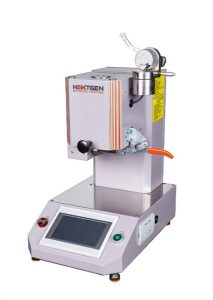
DIN 53735 is performed on a melt flow tester (often called a melt flow indexer or extrusion plastometer). Equipment selection is usually driven by the required test conditions, the level of automation desired, and how results must be captured for quality records.
Common equipment: Melt flow indexer/extrusion plastometer with controlled barrel heating, standard die components, and a method to apply the required load and capture/record results.
Common accessories: Cleaning tools and consumables for the barrel/die, calibrated temperature verification tools, and basic sample prep tools suitable for pellets, granules, or cut pieces (as applicable).
How to read this designation or revision
DIN standards are often cited with a date code. For example, “DIN 53735:1988-02” indicates the edition issued in February 1988.
DIN 53735 is marked as withdrawn and is replaced by DIN EN ISO 1133 (and related DIN ISO 1133 editions). When a contract, drawing, or material certificate cites DIN 53735, it is good practice to clarify whether testing must follow that legacy reference exactly or whether DIN EN ISO 1133 is acceptable for compliance documentation.
Related standards, methods, or frameworks when useful
DIN 53735 is replaced by DIN EN ISO 1133 (and DIN ISO 1133 editions), which are commonly used today for melt flow measurements. If you are updating test documentation or aligning procurement requirements, confirm which ISO 1133 part/edition and which test conditions are required by the controlling specification.
Get help selecting an MFI testing setup
If you’re specifying a new melt flow indexer or updating a legacy DIN 53735 requirement to current ISO-based documentation, you can request a detailed quote for an equipment configuration matched to your throughput, reporting, and quality-system needs.