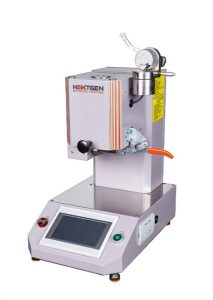
BS 2782 is a British Standard series that compiles multiple test methods used to characterize plastics across common performance categories (such as mechanical, thermal, chemical, and weathering-related properties). Rather than being a single procedure, it is typically cited in specifications, quality plans, and legacy drawings as a reference set of methods for plastics testing.
Because different BS 2782 Parts and “Method” numbers point to different specimen types, conditioning, and instrumentation, the practical test setup depends on the exact clause/method being invoked. If you need help matching a cited BS 2782 method to a modern lab workflow, you can talk with our team.
BS 2782 — Methods of testing plastics (British Standard series)
BS 2782 is widely recognized as a multi-part “methods of testing plastics” library where individual methods are published as separate documents under a Part number and Method identifier. Many laboratories encounter BS 2782 through customer requirements, internal test plans, or legacy product standards that still cite a specific “BS 2782-… Method …” designation.
In practice, BS 2782 is most useful as a referencing framework: the method designation drives what must be measured, which specimen form is needed (e.g., sheet, moulding, pipe), what conditioning or exposure is required, and what apparatus class is appropriate.
Quick definition
Document type: Multi-part test-method series for plastics (individual methods are issued as separate “Part / Method” documents).
What it’s used for: Selecting and controlling plastics test methods in QA/QC, R&D characterization, supplier qualification, and verification against material or product requirements.
Key practical point: Equipment requirements are method-specific—always quote and plan testing against the exact BS 2782 Part and Method being cited.
What this standard covers
BS 2782 covers a broad range of plastics test methods that are organized into Parts and Method numbers. Depending on the Part, methods may focus on areas such as mechanical performance, thermal behavior, chemical properties, optical/colour performance, weathering/exposure, or application-specific product forms (for example, thermoplastics pipes, fittings, and valves).
Because BS 2782 is a collection, it does not define one universal specimen geometry or one universal reporting template across all Parts—each referenced method defines its own requirements.
Why this standard matters in testing
BS 2782 citations commonly appear in purchase specifications, legacy UK-centric requirements, and internal material qualification documents. When a requirement says “test to BS 2782,” the actionable requirement is almost always the specific Part/Method (and edition/year) referenced.
From a lab-management perspective, BS 2782 impacts:
- Test plan build-out (specimen type, number of specimens, conditioning, and acceptance criteria source)
- Equipment selection (mechanical frames, thermal analysis tools, exposure chambers, balances/density apparatus, fixtures)
- Method control (edition tracking, calibration and verification routines aligned to the referenced method)
Common materials, product types, or applications covered
BS 2782 methods are used across many plastics forms and supply chains. The most common situations include:
- Raw materials and compounds: Incoming QC of pellets, powders, plasticized compounds, and moulding materials
- Semi-finished forms: Sheet, film, profiles, and mouldings used for product build
- Finished plastic products: Items where a customer requirement references a BS 2782 method for performance verification
- Application-specific plastics: Methods that are written for particular product families (for example, thermoplastics pipe-related methods within the BS 2782 series)
Common test or verification workflow
Because BS 2782 is method-driven, a practical workflow usually starts by confirming the exact citation and then building the test plan around that specific method document.
Common workflow: (1) identify the exact Part/Method and edition/year cited → (2) confirm specimen form and conditioning requirements → (3) select fixtures/sensors and instrument ranges → (4) run the method sequence and calculate required results → (5) report results with traceability to the cited designation.
Revision sensitivity: Even small changes between editions can affect specimen preparation, conditioning, calculation details, and reporting expectations, which can also affect the equipment configuration needed for a compliant run.
Equipment commonly used for this standard
Equipment is not uniform across BS 2782; it depends on the method being invoked. That said, BS 2782 citations most often route buyers toward the following equipment families.
Mechanical testing systems: Universal testing machines (UTMs) with plastics-appropriate grips/fixtures and extensometry options (where the method calls for strain measurement), plus specialized fixtures for flexure, compression, tear, or torsion-related setups.
Thermal and temperature-controlled testing: Temperature chambers and low-temperature accessories (for methods that require sub-ambient conditioning/testing), ovens for conditioning, and thermal analysis tools where required by the referenced method.
Weathering and exposure: Artificial light exposure systems and related conditioning setups for methods addressing colour/appearance change or property change after exposure.
Physical property instrumentation: Density/relative density apparatus (method-dependent), precision balances, micrometers/thickness gauges, cutting tools/dies, and sample preparation equipment aligned to the required specimen form.
If you are comparing machine capacities, fixtures, or chamber sizes for a cited BS 2782 method, you can request a detailed quote for a configuration matched to your specimen type and test environment.
How to read this designation or revision
BS 2782 documents are commonly cited using a combination of the series number, a Part number, a Method identifier, and a publication year. The exact formatting can vary by document, but many BS 2782 method documents follow a pattern similar to:
Typical citation pattern: BS 2782-[Part]:Method [Method ID]:[Year]
What to capture for a correct test setup: the Part number, the full Method identifier (including any letter suffixes), and the year/edition. Those elements drive the apparatus description, specimen requirements, and the measurement/reporting details needed for an apples-to-apples comparison.
Related standards, methods, or frameworks
Many BS 2782 methods align closely with (or are based on) ISO methods for plastics testing, and many labs also run parallel programs under ASTM plastics standards depending on customer requirements. When you are translating a requirement between standards families, keep the comparison at the method level (not just “BS 2782 vs ISO/ASTM”) to avoid mismatched specimen geometry, conditioning, or result definitions.
Practical tip: If a drawing or specification simply states “BS 2782” without a Part/Method, it is usually necessary to clarify the intended method before scheduling testing or selecting equipment.
Get help selecting a BS 2782 test setup
If you can share the exact BS 2782 Part/Method designation you are working to, we can help map it to the right test system configuration, fixtures, sensors, and conditioning hardware so your lab runs the method as intended. For application guidance, contact our team.