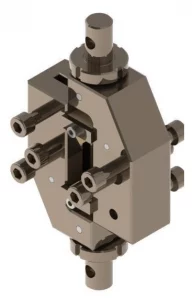
ASTM D5528/D5528M is a standard test method used to measure Mode I (opening) interlaminar fracture toughness (GIc) of unidirectional fiber-reinforced polymer matrix composites using a double cantilever beam (DCB) specimen.
This standard is most often used when delamination resistance is a design driver (for example, in aerospace-grade laminates) and you need a repeatable, reportable toughness value for material screening, process qualification, or design allowables. If you need help matching fixtures, sensors, or test conditions to the edition you are citing, contact our team.
ASTM D5528/D5528M — Standard Test Method for Mode I Interlaminar Fracture Toughness of Unidirectional Fiber-Reinforced Polymer Matrix Composites
ASTM D5528/D5528M is a test method focused on characterizing delamination resistance under Mode I opening loading. The test uses a DCB specimen and reports an interlaminar fracture toughness value typically expressed as critical strain energy release rate (GIc).
Because interlaminar fracture behavior is sensitive to laminate architecture, crack starter details, loading/measurement approach, and data reduction choices, test setup and reporting should be aligned to the exact cited edition and the end-use purpose (screening, qualification, or design input).
Quick Definition
ASTM D5528/D5528M (DCB test): A standardized way to load a pre-cracked composite laminate in opening mode and calculate a Mode I interlaminar fracture toughness value (GIc) from load–displacement behavior and crack length/compliance information.
What This Standard Covers
This test method covers the determination of Mode I interlaminar fracture toughness for continuous fiber-reinforced polymer matrix composites, using a double cantilever beam (DCB) specimen geometry and controlled opening loading.
It is commonly referenced when comparing material systems (fiber/resin, tougheners, interleaves), evaluating manufacturing variables, or generating fracture properties for engineering analysis where delamination growth is a concern.
Why This Standard Matters in Testing
Delamination is a frequent limiting failure mode in laminated composites. ASTM D5528/D5528M provides a widely recognized framework for quantifying resistance to Mode I crack initiation and/or propagation in a lab setting.
For QA/QC and R&D teams, the value of this method is consistency: it standardizes specimen configuration, loading approach, and calculation/reporting expectations so results can be compared across batches, process conditions, or material variants.
Common Materials, Product Types, or Applications Covered
This standard is most closely associated with unidirectional composite laminates where interlaminar performance is being characterized, such as:
- Carbon/epoxy, glass/epoxy, and similar fiber-reinforced polymer matrix composites
- Laminates evaluated for damage tolerance and delamination growth resistance
- Material screening programs (e.g., resin toughening, interleaf concepts, processing changes)
- Programs that need standardized GIc reporting for internal specifications or customer qualification
Common Test or Verification Workflow
A typical ASTM D5528/D5528M workflow includes preparing DCB specimens with a defined starter crack/insert, attaching loading hardware, applying opening displacement under controlled test conditions, and recording the data needed to compute GIc.
Common workflow elements: Specimen preparation and measurement, controlled loading on a test frame, synchronized acquisition of load and displacement, crack length tracking (as required by the chosen calculation approach), and reporting GIc results in the unit system specified for the job.
Equipment Commonly Used for This Standard
ASTM D5528/D5528M is typically run on a universal testing system configured for stable opening displacement control and accurate low-to-moderate force measurement.
Common equipment: Universal testing machine (electromechanical is common for displacement control), appropriate load cell range, DCB loading fixture/hardware (including specimen loading blocks/hinges as applicable), alignment hardware, and a data acquisition/control system.
Common measurements and accessories: Crosshead displacement and/or a dedicated displacement transducer (as required by the setup), tools or optics for crack length observation/marking when the procedure requires crack tracking, and optional environmental conditioning equipment when testing is performed at controlled temperature/humidity.
If you are configuring a system for DCB testing (fixture style, load cell capacity, displacement measurement, and any environmental needs), you can request a detailed quote for an equipment package matched to ASTM D5528/D5528M work.
How to Read This Designation or Revision
D5528 is the base ASTM designation for this test method.
D5528/D5528M indicates a combined-units standard where both inch-pound and SI (metric) unit systems are presented. In procurement documents and test reports, it is good practice to state the full designation and make clear which unit system was used for setup, calculations, and reported results.
Revision sensitivity: Fixture details, calculation/reporting expectations, and referenced documents can change between editions, so test setup and documentation should follow the exact year-suffix edition cited in your customer or internal requirement.
Related Standards, Methods, or Frameworks
ASTM D5528/D5528M is one piece of a broader composite delamination/fracture testing toolbox. Many programs pair Mode I delamination resistance with Mode II and/or mixed-mode testing to support material comparison and damage tolerance analysis.
Note: When building a multi-method test plan, keep specimen architecture, precrack/insert practices, and data reduction choices consistent with each cited method to avoid mismatched results.
Talk with Us About an ASTM D5528/D5528M Test Setup
If you are specifying a DCB test capability for composites (new lab, capacity upgrade, or fixture retrofit), we can help you choose a practical configuration for load range, displacement measurement, and fixturing—and align it to the ASTM D5528/D5528M edition you need. Start by talking with our team about your specimen geometry, expected GIc range, and reporting requirements.