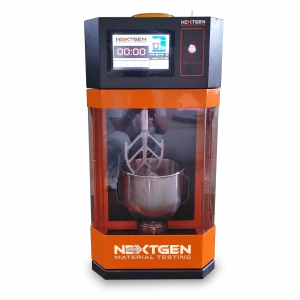
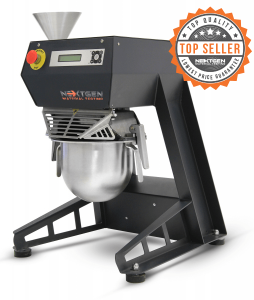
ASTM C305 is the ASTM standard practice for mechanically mixing hydraulic cement pastes and mortars of plastic consistency. It is not a standalone property test or product specification. Its main purpose is to provide a controlled laboratory mixing procedure before other cement tests are performed.
For many labs and buyers, ASTM C305 points first to specimen preparation equipment rather than to a single test frame. It is commonly associated with cement QC, research, and comparative testing where consistent paste or mortar mixing supports repeatable results. If you need help determining whether ASTM C305 fits your workflow or cited edition, Contact Us.
ASTM C305 Standard Practice for Mechanical Mixing of Hydraulic Cement Pastes and Mortars of Plastic Consistency
ASTM C305 is a practice that standardizes how hydraulic cement paste and mortar are mixed in the laboratory. Its role is to control the preparation step so that later measurements are based on a consistent mixing procedure.
This matters because mixing can affect the uniformity of fresh material and, in turn, the repeatability of downstream cement test results. In practical terms, ASTM C305 supports a reliable starting point for testing programs that use paste or mortar rather than full concrete mixtures.
Quick Definition
The simplest way to read ASTM C305 is as a laboratory mixing standard for hydraulic cement pastes and mortars.
| Item | Description |
|---|---|
| Document type | Standard practice |
| Primary focus | Mechanical mixing of hydraulic cement pastes and mortars of plastic consistency |
| Main lab role | Specimen and material preparation before other cement evaluations |
| Typical equipment path | Mechanical mortar or paste mixer with compatible bowl and paddle, plus any downstream test equipment required by the companion method |
What This Standard Covers
ASTM C305 covers the mechanical mixing of hydraulic cement pastes and mortars of plastic consistency. It is written as a preparation practice, so the emphasis is on how the fresh material is mixed rather than on how a final property is measured.
Because it focuses on mixing, ASTM C305 is narrower than a full cement testing program. It does not replace the separate standards that may be used to measure consistency, flow, setting behavior, strength, or other material responses after mixing is complete.
Why This Standard Matters in Testing
In cement testing, repeatability starts before the measurement step. A controlled mixing procedure helps reduce unnecessary variation from operator technique, timing differences, and inconsistent blending of cement, water, and mortar constituents.
That makes ASTM C305 especially important for laboratories that compare batches, monitor product quality, support specifications, or run R&D programs where fresh-state preparation needs to stay consistent from one test to the next.
Common Materials, Product Types, or Applications Covered
ASTM C305 is commonly associated with laboratory-prepared hydraulic cement materials used for testing rather than field-mixed construction batches.
- Hydraulic cement pastes used for consistency or setting evaluations
- Hydraulic cement mortars prepared for fresh-state or hardened-property testing
- Cement quality control and product comparison programs
- Research and development work involving cementitious paste and mortar mixtures
The standard is centered on paste and mortar preparation, so it is most relevant when a project calls for controlled bench mixing instead of concrete batching.
Common Test or Verification Workflow
ASTM C305 usually fits into a broader cement laboratory sequence rather than serving as the last step in the process.
- Select the cited ASTM C305 edition and the companion standard that will evaluate the mixed material.
- Prepare the required cement paste or mortar formulation for the downstream procedure.
- Mix the material using a mechanical mixer configured for ASTM C305 work.
- Transfer the fresh paste or mortar to the next step, such as flow, consistency, setting, molding, or strength testing.
- Record the cited edition and companion method in internal procedures, quotations, and reports where required.
This workflow is important for purchasing because the mixer alone may not complete the test program. The full equipment package depends on what property is measured after the ASTM C305 mixing step.
Equipment Commonly Used for This Standard
ASTM C305 most often leads to a controlled laboratory mixing setup. The central equipment item is a mechanical mortar or paste mixer with the appropriate bowl and paddle arrangement for standards-based cement work.
Common equipment: Mechanical mixer, mixing bowl, paddle, balance, timing device, and the downstream apparatus required by the related cement test.
Common buying consideration: ASTM C305 is usually part of a broader bench that may also include a flow table, Vicat apparatus, molds, curing equipment, or compression testing equipment depending on the rest of the workflow.
Practical caution: When ASTM C305 appears in a specification or method list, confirm whether you need only the mixer setup or a complete cement testing package built around it.
How to Read This Designation or Revision
Designation: ASTM C305 identifies this ASTM cement and mortar mixing practice.
Revision year: A citation such as ASTM C305-20 uses the suffix to identify the edition year referenced by a project, procedure, or accreditation requirement.
Edition control: If a customer, specification, or internal quality document cites a specific year, the laboratory procedure and equipment setup should be matched to that edition.
Related Standards, Methods, or Frameworks
ASTM C305 is commonly encountered alongside other hydraulic cement standards that evaluate the material after mixing is complete.
- ASTM C187: Often used for hydraulic cement paste consistency work.
- ASTM C191: Commonly associated with Vicat setting time evaluations on hydraulic cement paste.
- ASTM C1437: Frequently paired with mortar flow measurement in cement laboratory programs.
- ASTM C109/C109M: Commonly connected to hydraulic cement mortar compressive strength testing.
These companion methods are useful when specifying a full testing bench, because the ASTM C305 mixing step may be only one part of the overall equipment requirement.
Need Equipment for ASTM C305 Work?
If you are scoping a cement testing setup that includes ASTM C305 mixing, downstream flow or Vicat work, or a broader mortar testing package, Request a Quote.