GB/T 1634.3, Plastics — Determination of temperature of deflection under load — Part 3: High-strength thermosetting laminates, is the test method for deflection temperature under load.
GB/T 1634.3 Plastics — Determination of temperature of deflection under load — Part 3: High-strength thermosetting laminates
At a Glance
Document type: Test Method.
Edition: edition GB/T 1634.3-2004.
Property determined: deflection temperature under load.
Scope
Chinese national standard giving specific requirements for high-strength thermosetting laminates in the determination of the temperature of deflection under load.
Used together with the general method of Part 1.
What the Result Tells You
A test to GB/T 1634.3 characterises the deflection temperature under load of the material or assembly under the conditions the method fixes: specimen form, rate of loading and the environment in which the test is run.
Because the numbers depend on those fixed conditions, a result is only meaningful when the report names the standard, the edition and any options the method allows.
Equipment for This Standard
Equipment on our site referenced against GB/T 1634.3:
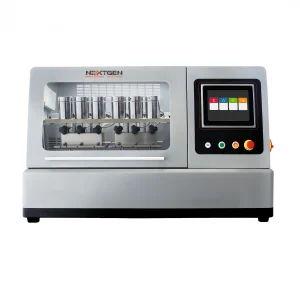
HDT/VICAT Testing Machine – Thermal Analysis for Plastics NG-HDT
Reading the Designation
GB/T 1634.3: the designation as published by the issuing body.
Year suffix: the revision is identified by its year, as in GB-04. A specification that names an edition fixes that edition; a later revision does not apply to an order retroactively.
When a drawing, purchase order or quality procedure cites this document, the test setup, the specimen and the report follow that citation.
Get Help With GB/T 1634.3
For a setup built around GB/T 1634.3, or to confirm which fixtures and accessories a given specimen calls for, Request a Quote or Contact Us.
Part of a Series
GB/T 1634.3 is one part of GB/T 1634. The other parts of the series cover related requirements, so the part cited in your specification is the one that governs the test.