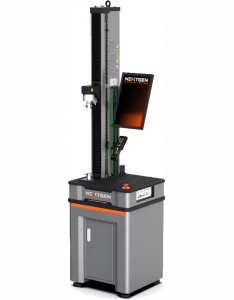
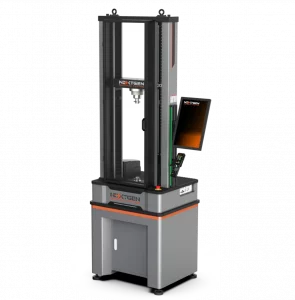
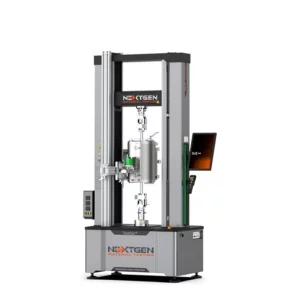
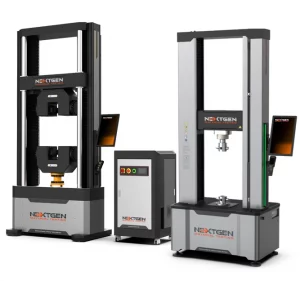
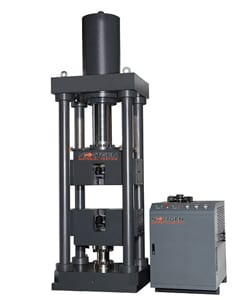
ASTM E4-24 is a standard practice used to calibrate and verify the force indication of static or quasi-static testing machines operating in tension, compression, or both.
It is commonly applied to universal testing machines and load frames where you need documented, SI-traceable force results for internal QA/QC, customer requirements, or regulated testing workflows. If you need help matching the right approach to your machine type, capacity range, or reporting requirement, contact our team.
ASTM E4-24 — Standard Practices for Force Calibration and Verification of Testing Machines
ASTM E4-24 is a “practice” document focused on force calibration and verification of testing machines using force measurement standards. It supports organizations that use, manufacture, or provide calibration services for force-applying testing machines.
Because this is a calibration/verification practice (not a material test method), it primarily drives how your force measurement system is checked and documented, rather than prescribing specimen preparation, grips, or a product-specific test setup.
Quick Definition
ASTM E4-24 defines accepted procedures to calibrate and verify the indicated force of static or quasi-static testing machines in tension and/or compression using recognized force measurement standards.
What This Standard Covers
ASTM E4-24 covers force calibration and verification of static or quasi-static testing machines using force measurement standards. It is applicable to machines that may or may not have integrated force indicators.
Verification approaches addressed: The standard recognizes multiple verification methods, including the use of standard weights, equal-arm balances with standard weights, and elastic force measurement standards (force-measuring instruments).
System focus: The practice is intended to be applied to the specific force-measuring/force-indicating system(s) designated for verification (for example, a dial, scale, recorder output, or digital display) and to be documented in a calibration/verification certificate or report.
Important boundary: ASTM E4-24 is not intended to be a complete purchase specification for testing machines.
Why This Standard Matters in Testing
Force accuracy is foundational to mechanical test results. When a tensile, compression, peel, bend, or proof-load test is run on a machine with an out-of-tolerance force indication, the calculated material property or acceptance decision can be wrong even if the rest of the setup is correct.
ASTM E4-24 is often used to support traceability of the indicated force to the International System of Units (SI) through an appropriate metrology chain. It also helps align internal and external calibration documentation with an established industry practice, which can simplify audits and customer review.
Common Materials, Product Types, or Applications Covered
ASTM E4-24 is equipment- and measurement-focused rather than material-specific. It shows up across industries wherever force-applying machines are used for static or quasi-static testing.
-
Metals, polymers, composites: Verification support for tensile and compression testing machines used in R&D and production QA.
-
Fasteners and assemblies: Proof-load and pull testing where force indication must be defensible.
-
General lab and manufacturing: Routine verification programs for load frames and universal testing machines to maintain confidence in reported force values.
Common Test or Verification Workflow
While the detailed procedure depends on the edition and the verification method selected, a typical ASTM E4-24 workflow includes selecting the force-measuring/indicating system to be confirmed, applying known forces using an appropriate standard, comparing the machine indication to the reference, and issuing a calibration/verification record.
Typical workflow elements: Selecting verification points across the intended operating range, confirming the method’s uncertainty is appropriate for the required performance level, documenting results for the specific force-indication pathway being used (including any data system outputs), and retaining records for audits and customer requirements.
Equipment Commonly Used for This Standard
ASTM E4-24 typically influences the calibration equipment and accessories used with your testing machine more than it influences grips or specimen fixtures.
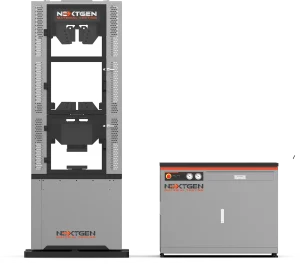
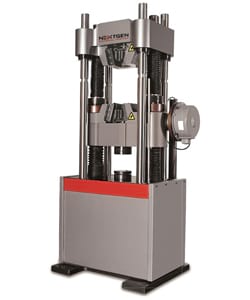
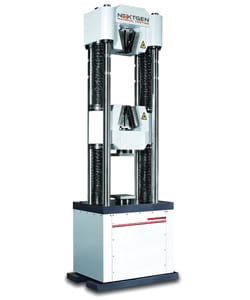
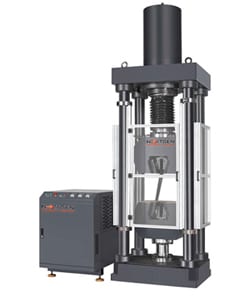
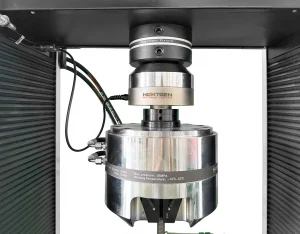
Common equipment: Universal testing machines or load frames (tension/compression), calibrated force-measuring instruments (often referenced through ASTM E74 calibration practices), load cells/proving devices used as elastic force measurement standards, standard weights where practical, equal-arm balance setups for specific applications, alignment/adapter hardware to apply force through the machine load string, and software/data acquisition channels that are included in the qualified force-indication path.
For quoting and configuration, key practical details usually include required force range, whether both tension and compression need coverage, how the force is indicated/reported (controller display vs. external DAQ vs. transmitted/stored values), and whether a portable verification device or an in-situ method is preferred. If you are comparing verification devices or machine options for a specific capacity, you can request a detailed quote matched to your force range and documentation needs.
How to Read This Designation or Revision
ASTM E4-24: “E4” is the fixed ASTM designation for this standard practice, and “-24” indicates the year of the current revision (2024). Some ASTM standards also use additional markings in the designation history (such as a year in parentheses for reapproval or a symbol for editorial changes) depending on the revision record.
Revision sensitivity: Calibration/verification requirements and reporting expectations can be edition-specific. For procurement or audit documentation, it is best to match the exact year cited by your customer, internal procedure, or accreditation scope.
Related Standards, Methods, or Frameworks when useful
ASTM E4-24 commonly ties into calibration practices for the force measurement standards used during verification. A frequently paired reference is ASTM E74 for calibration and verification of force-measuring instruments used to support testing-machine force verification.
Talk with a testing and calibration equipment specialist
If you are aligning a universal testing machine, load frame, or force verification device to ASTM E4-24 requirements (including method selection, force range coverage, and what must be included in the checked indication path), talk with our team about a configuration that fits your lab workflow and documentation expectations.