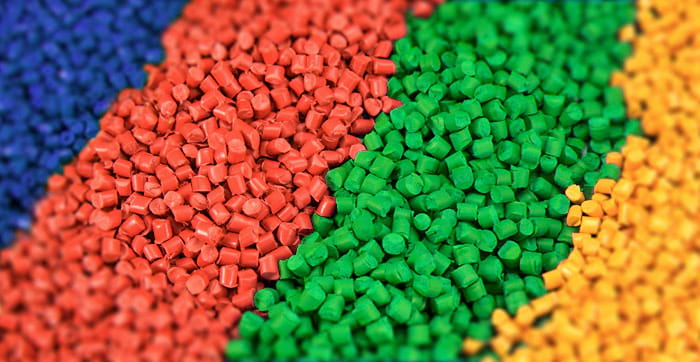
Plastic Testing Equipment
Plastic testing equipment is used to evaluate the physical and mechanical behavior of polymers at every stage of production and research. These systems measure tensile strength, impact resistance, hardness, melt flow rate, and other parameters that define the reliability and performance of plastic materials in real applications.
At NextGen Material Testing, we supply a full line of systems designed for different types of plastic evaluation. This includes electromechanical universal testing machines for tensile and elongation checks, Charpy and Izod pendulum impact testers, Shore and IRHD hardness testers, Elmendorf tear strength systems, melt flow indexers for polymer flow behavior, environmental chambers to simulate working conditions, and more.
These solutions allow engineers and researchers to perform tests in line with ASTM, ISO, and DIN standards, making results consistent and comparable across laboratories and production sites. With certified equipment, users reduce the risk of measurement errors and can trust the data that supports both daily quality checks and long-term material development.

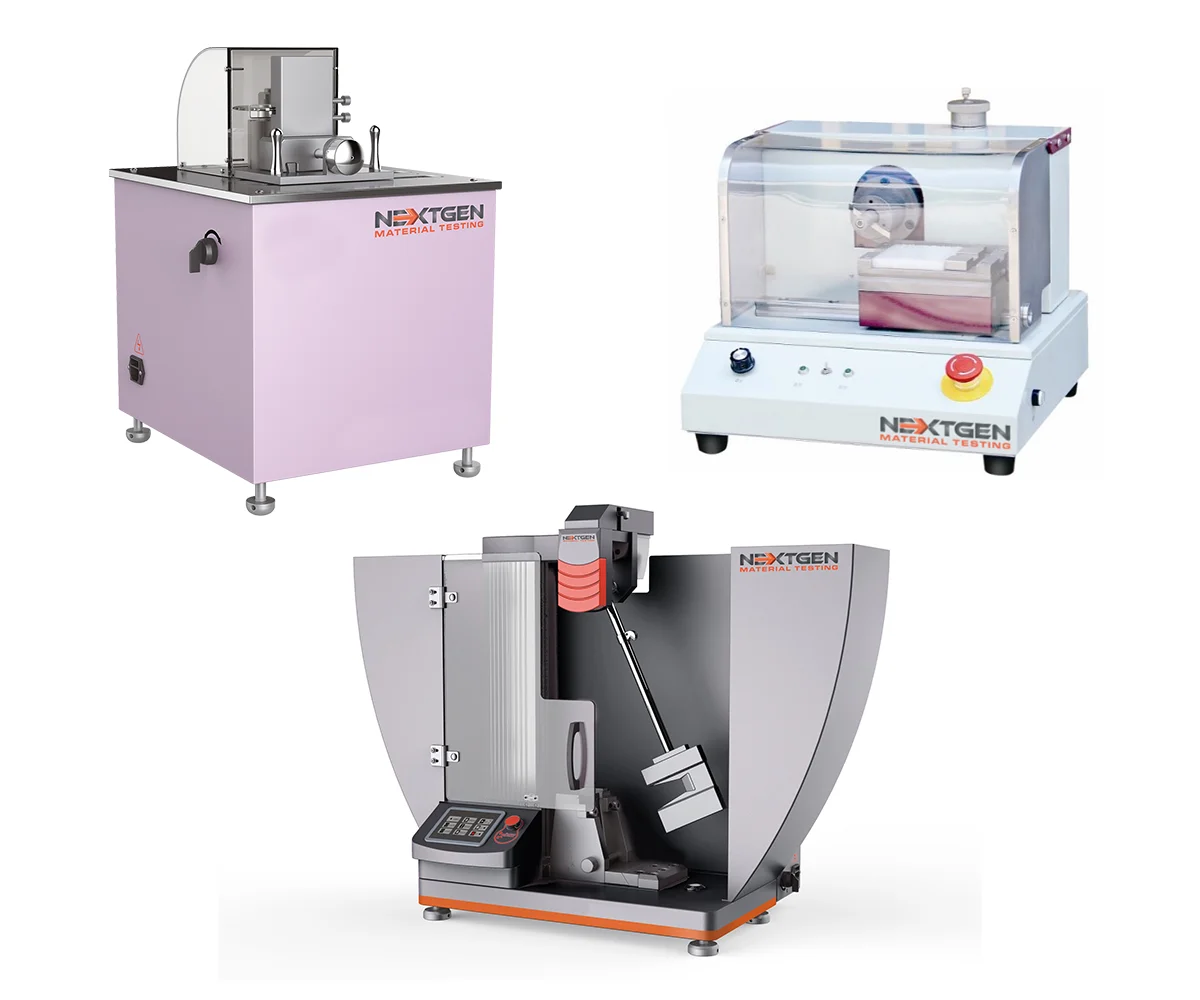 Impact testing systems
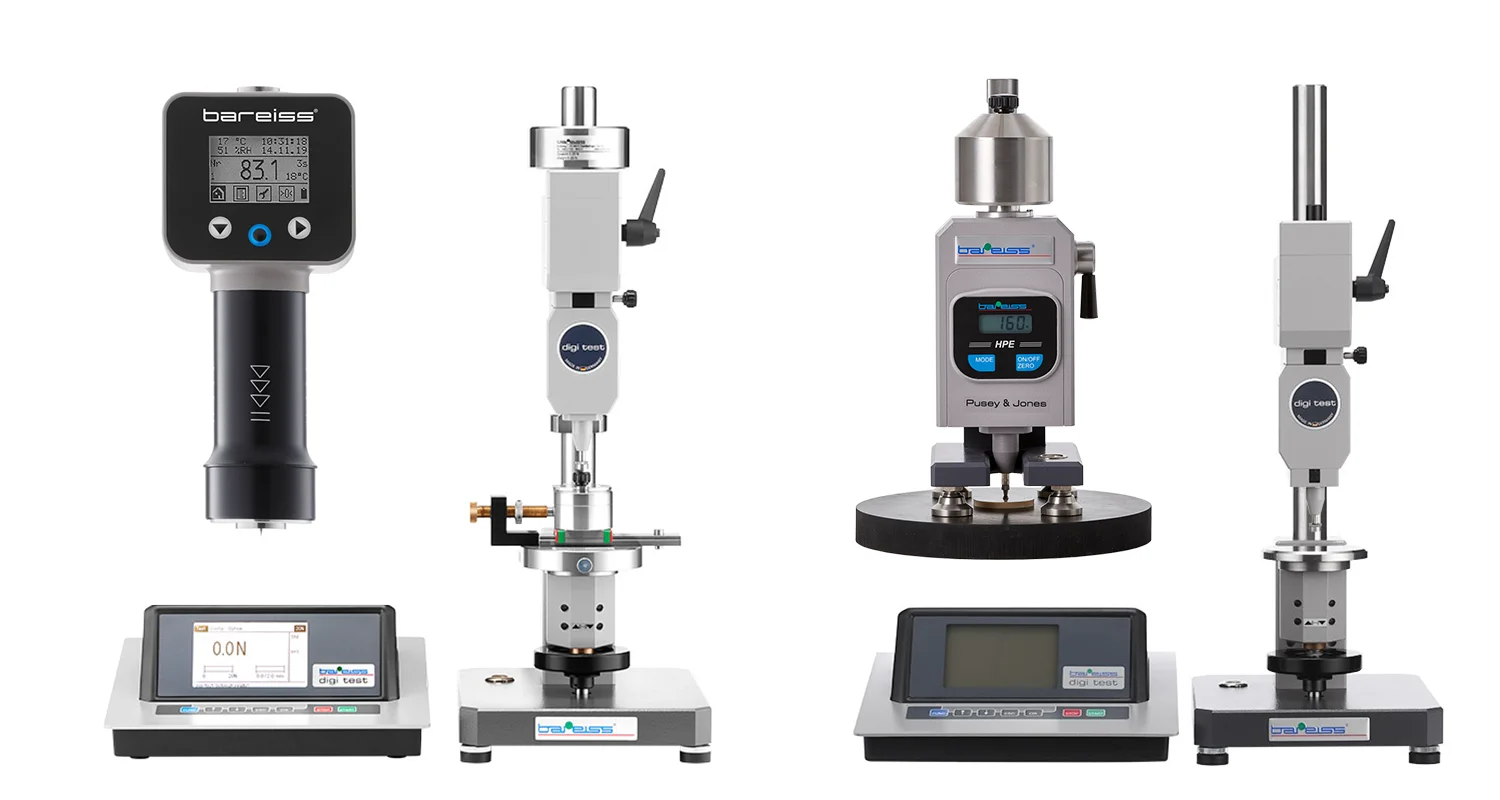 Hardness is one of the key indicators when working with plastics, rubbers, foams, and similar materials. It shows how resistant a sample is to indentation and helps evaluate durability and expected performance in use. Depending on the application, testing can be carried out with automatic systems for high-volume labs, portable durometers for quick checks, or specialized machines for unique sample types.
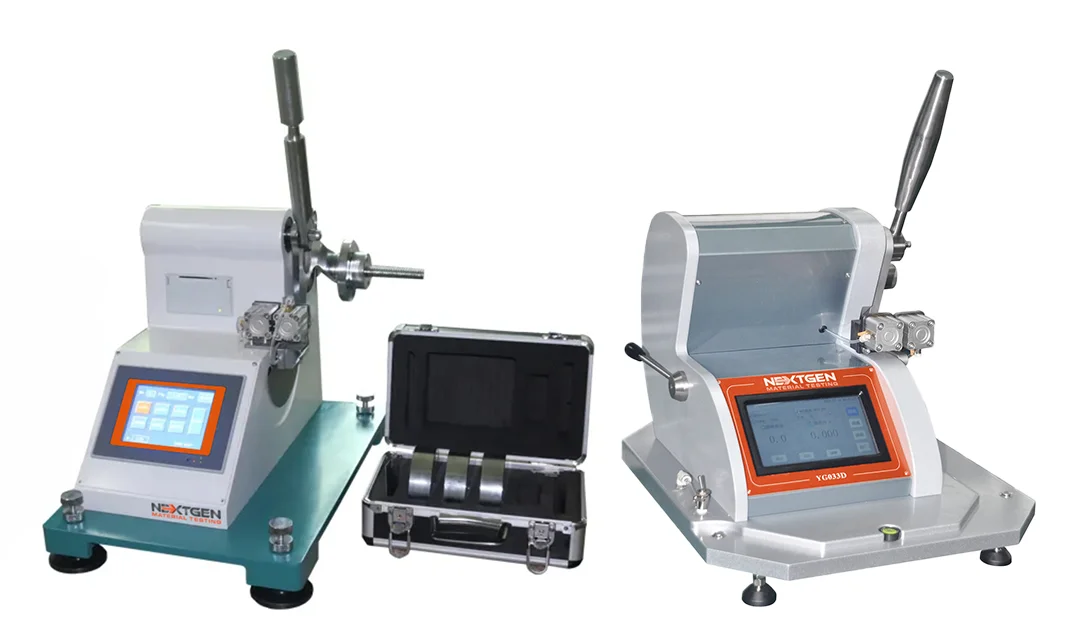 Tear strength is an important property for thin plastic films, textiles, and similar sheet materials. It shows how well a material resists the spread of a cut or small defect once it has started. Consistent tear strength data helps predict how plastics will perform in packaging, protective layers, or technical applications where durability matters.
 The NextGen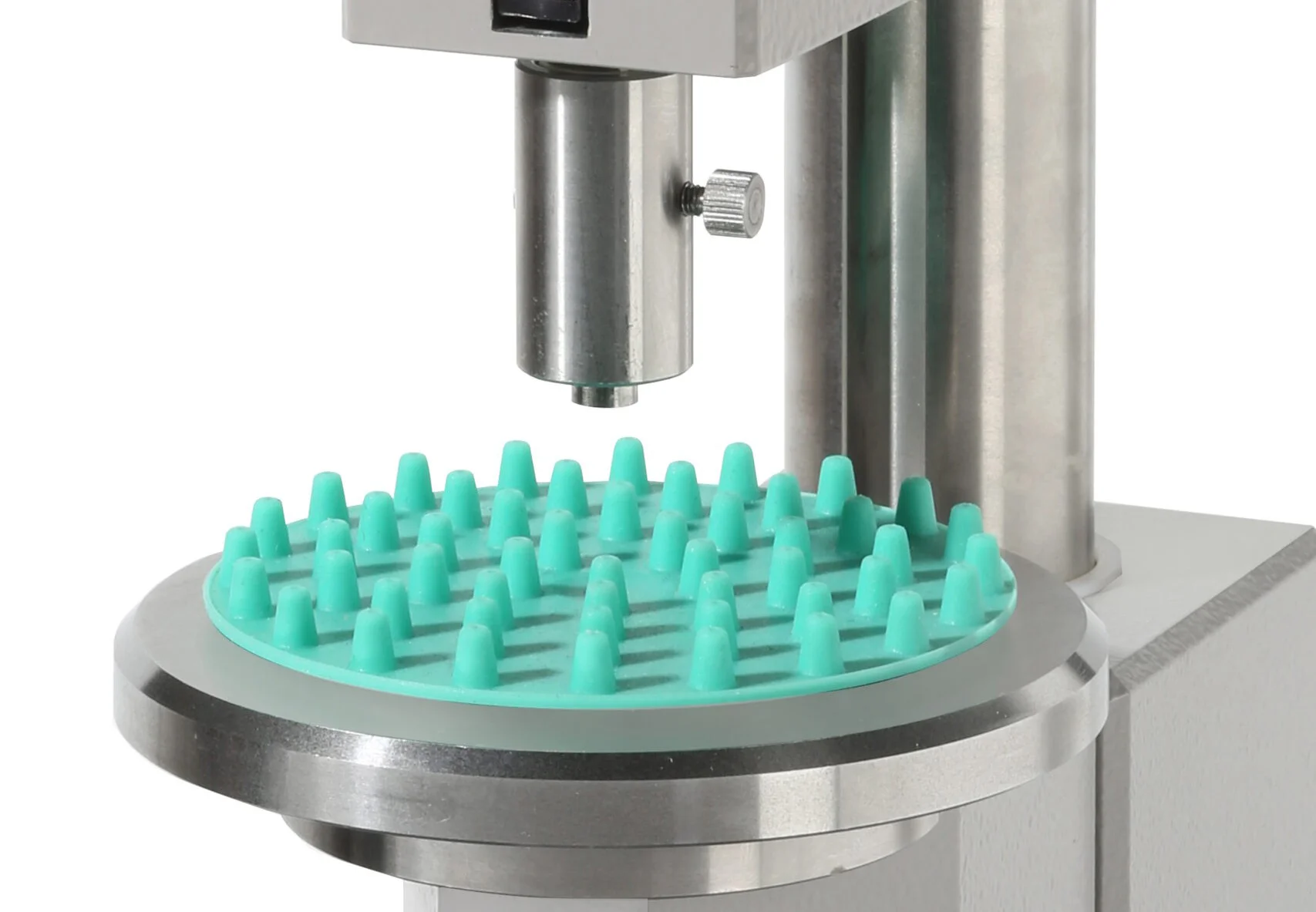
Sub-categories
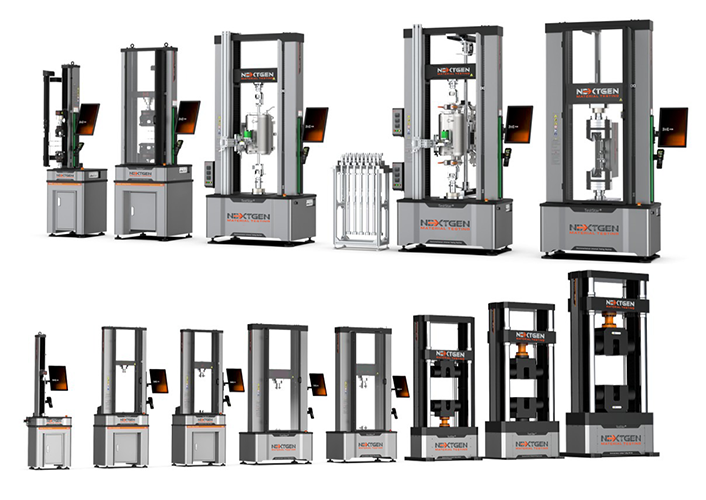
Electromechanical Universal Testing Machines for Plastic Testing
Electromechanical universal testing machines for plastic testing measure tensile strength, elongation, compression, flexural behavior, tear resistance, and related mechanical properties of polymers and advanced materials. This category focuses on motor-driven load frames with precise speed control, stiff construction, interchangeable grips, fixtures, and software-guided methods. They support routine QA/QC, R&D, standards-based reporting, and reliable comparison of plastic materials and finished components.

Charpy and Izod Pendulum Impact Testing for Plastic and Rubber Specimens
Charpy and Izod pendulum impact testing equipment helps laboratories measure the energy absorbed by plastic and rubber specimens during high strain-rate fracture tests. This category supports standard and subsize specimen workflows, including notching, broaching, fixture selection, and controlled pendulum impact measurement. It is useful for material comparison, product development, QC checks, and standards-based evaluation of toughness and impact resistance.
Products
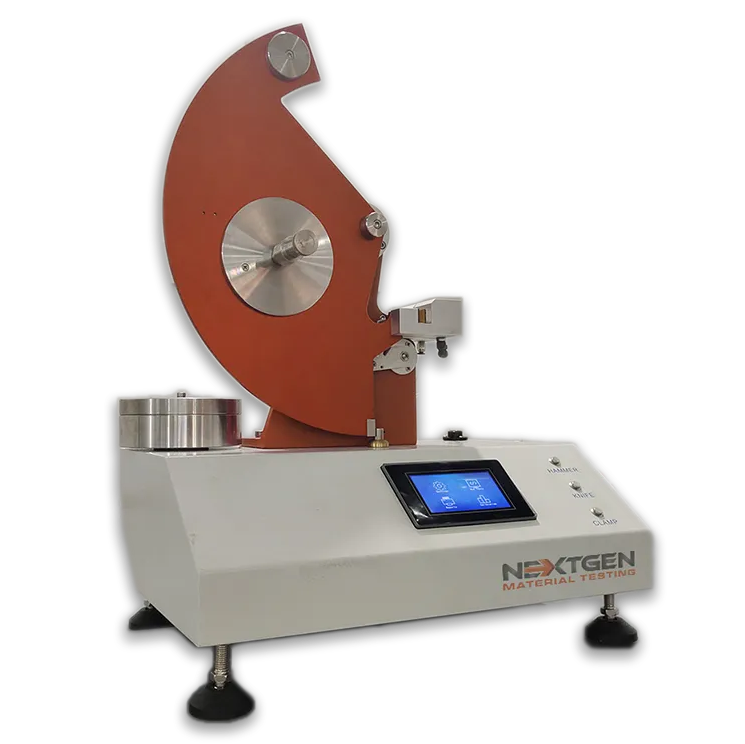
GenElm Series Elmendorf Tearing Tester – 64N and 128N Models
GenElm Series is an Elmendorf tearing tester for measuring tear resistance of plastic film, sheeting, textiles, paper, board, and other flexible materials. Available with 64 N and 128 N high-capacity pendulum options, it supports ASTM D1922, ASTM D1424, ISO 6383-2, ISO 1974, and related methods. The pendulum-based design helps QC and R&D labs generate clear, repeatable tear-strength data.
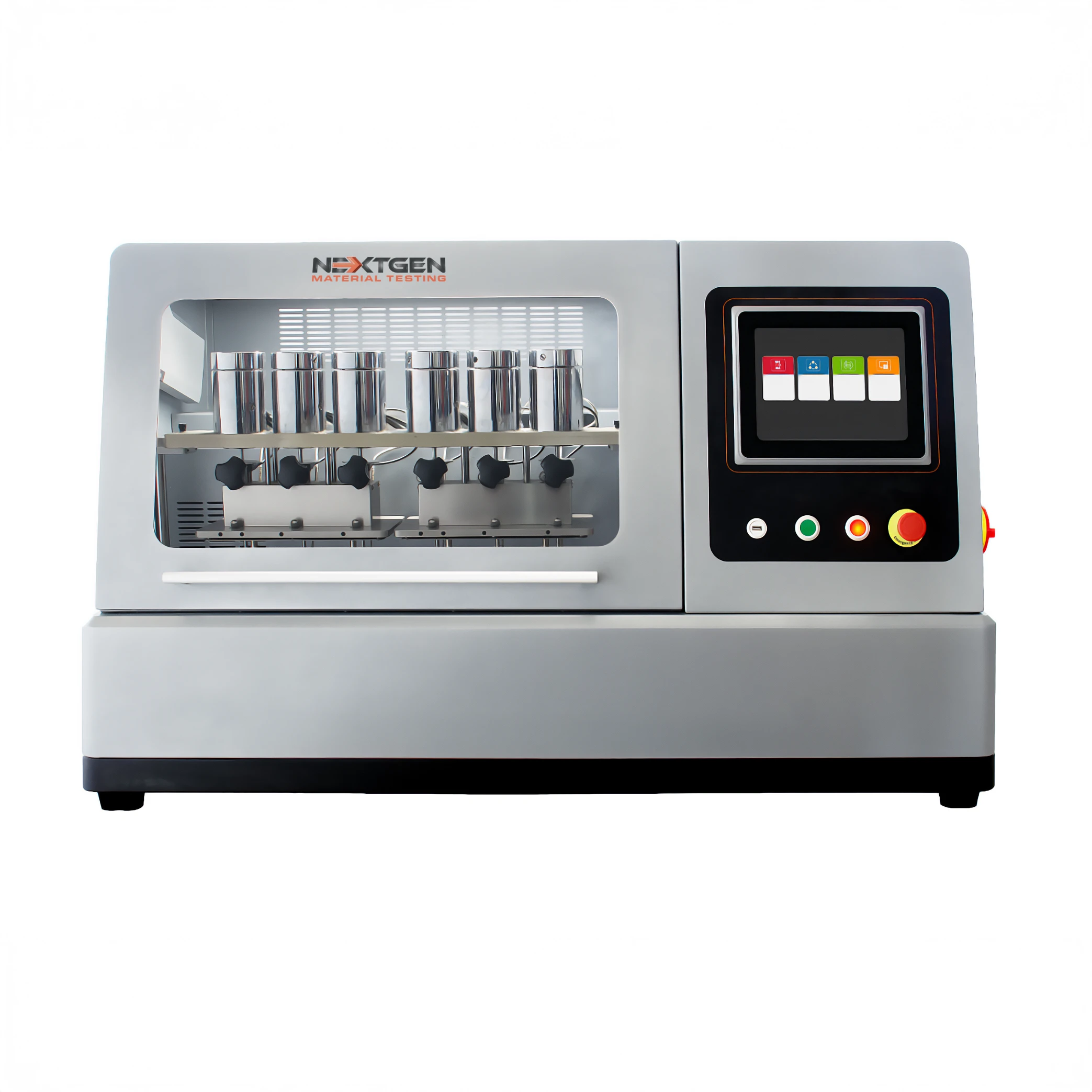
HDT/VICAT Testing Machine – Thermal Analysis for Plastics NG-HDT
NG-HDT is an HDT/Vicat testing machine for measuring heat deflection temperature and Vicat softening temperature of thermoplastics, including pipes and fittings. Available in 3- and 6-station configurations, it uses a touchscreen industrial PC, Class A temperature sensing, LVDT displacement measurement, controlled linear heating, and an oil bath rated to 300°C to support QA/QC, material development, and standards-based thermal analysis.
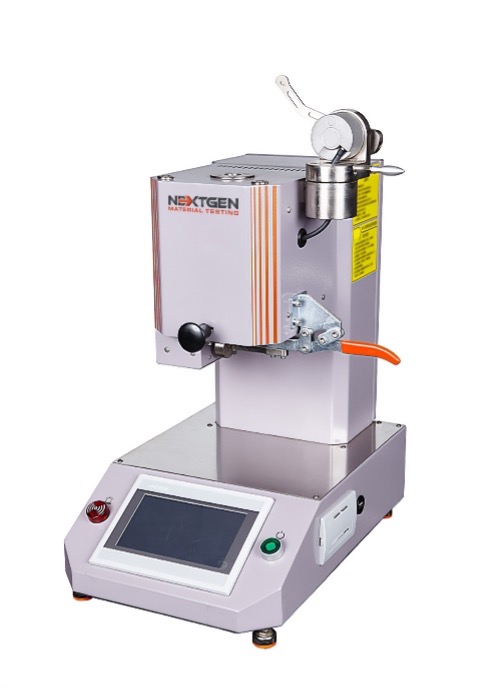
Melt Flow Indexer
The Melt Flow Indexer measures melt flow rate, melt index, and melt volume rate of thermoplastic materials for quality control, research, and material development. With a broad measuring range, 7-inch display, mass or volume method selection, precise temperature control, optical displacement measurement, automatic cutting, microcomputer control, and result printing, it helps labs evaluate viscosity, processability, and batch consistency according to ISO, ASTM, DIN, BS, and JIS methods.
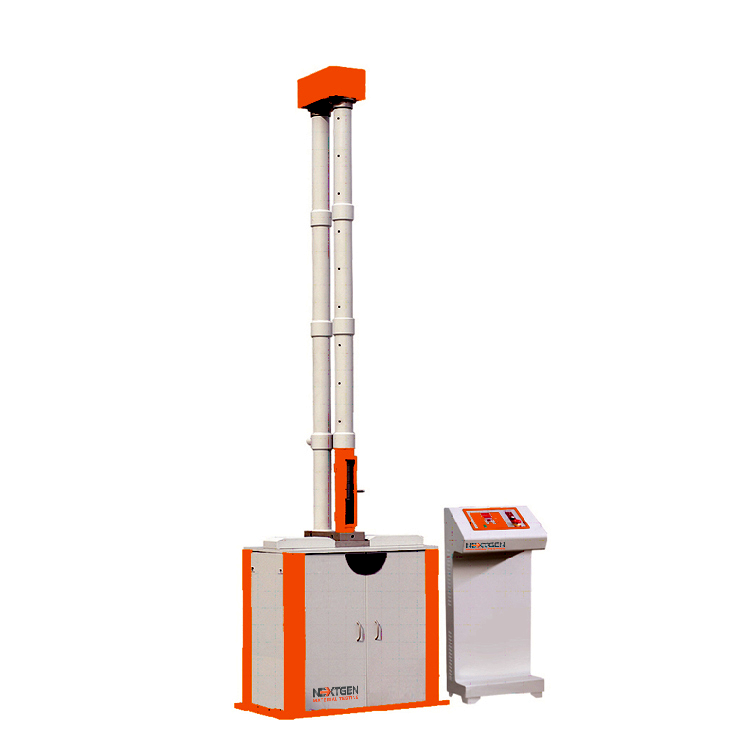
NG-ImpactFall – Falling Weight Impact Tester
NG-ImpactFall is a falling weight impact tester for evaluating external impact resistance of plastic pipes, fittings, boards, and other non-metal materials. Designed around ISO 3127, ISO 4422, and ASTM D2444 methods, it supports controlled drop heights, interchangeable hammer weights, multiple striker noses, and pipe diameters from φ16 to φ4000 mm for reliable QC, durability assessment, and standards-based product validation.
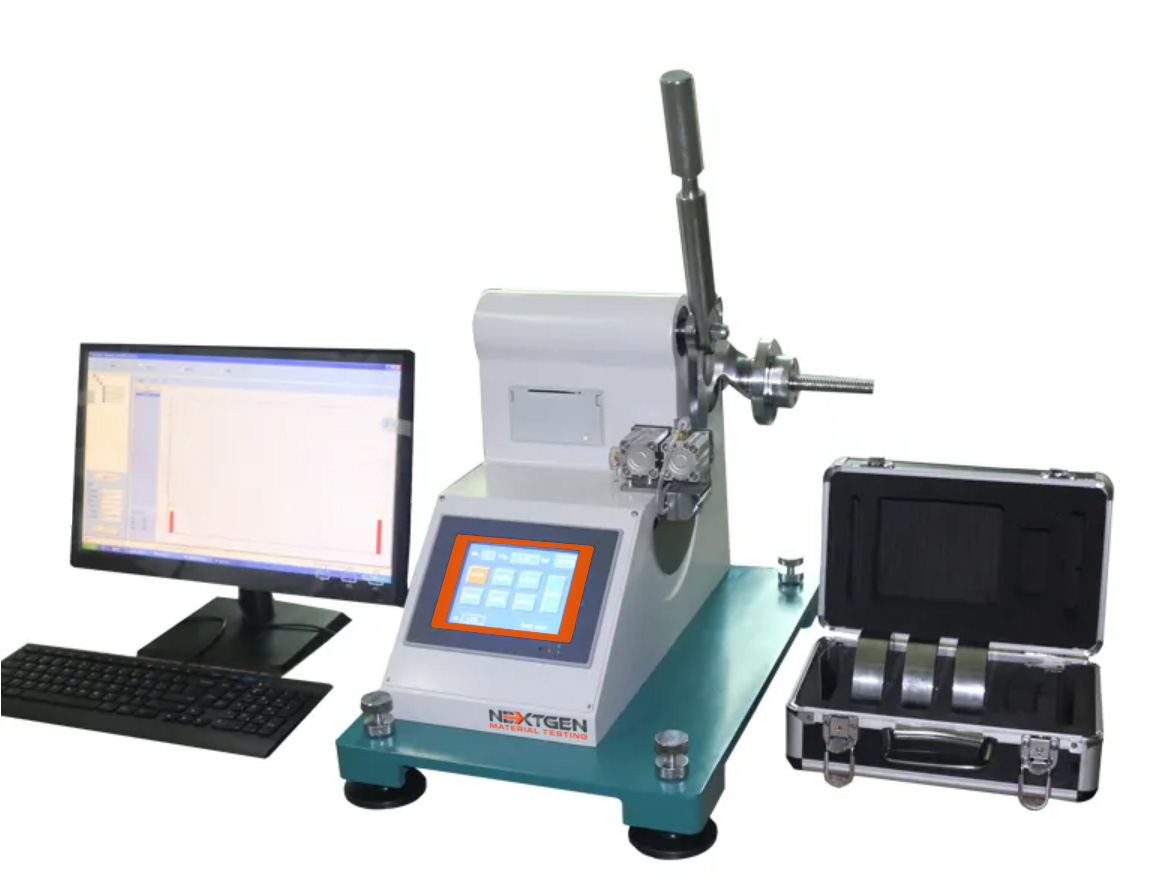
High Energy Elemendorf
NG-HE Elmendorf is a high-energy tearing strength tester for plastics, films, textiles, paper, and other flexible materials. It supports tear-force ranges up to 128 N with pneumatic clamping, automatic testing, result calculation, and data reporting. Compliance with standards such as ASTM D1424, DIN 53862, and ISO 13937-1 makes it useful for quality control and material comparison.
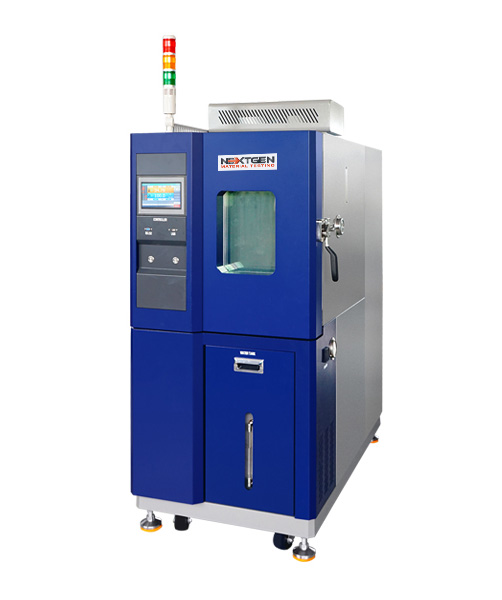
NextGen Environmental Chambers NG-EC 100,150,225,408,1000
NextGen NG-EC Environmental Chambers provide controlled temperature and humidity conditions for material, product, and quality-control testing. Available in 100, 150, 225, 408, and 1000 L sizes, they feature insulated steel construction, stainless interior walls, mechanical compression refrigeration, circulating air ducts, adjustable sample racks, a viewing window, and 7-inch touchscreen control to support stable, repeatable environmental simulation.
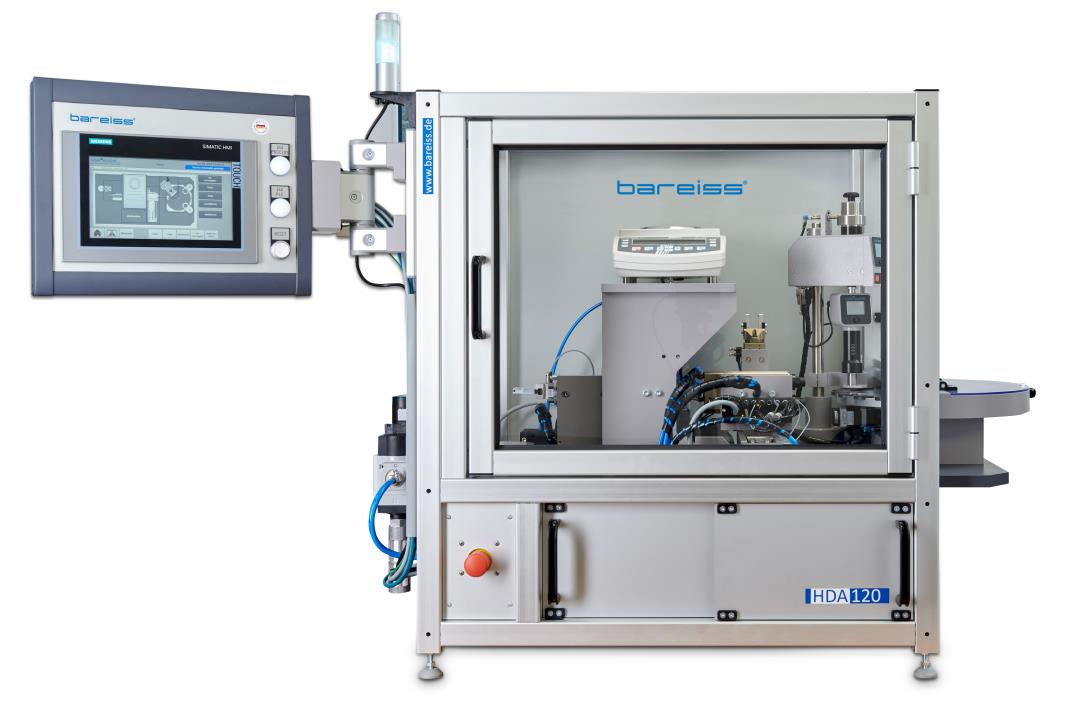
HDA 120 - Hardness and Density Automation Test System
HDA 120 is a semi-automatic hardness and density automation system for rubber and plastic sample characterization. It can handle up to 20 samples, perform three hardness measurements on a rotary table, and transfer specimens for density determination using a pneumatic gripping system. Data interfaces, touchscreen operation, ISO-compliant methods, and automated handling help improve throughput, traceability, and repeatability.
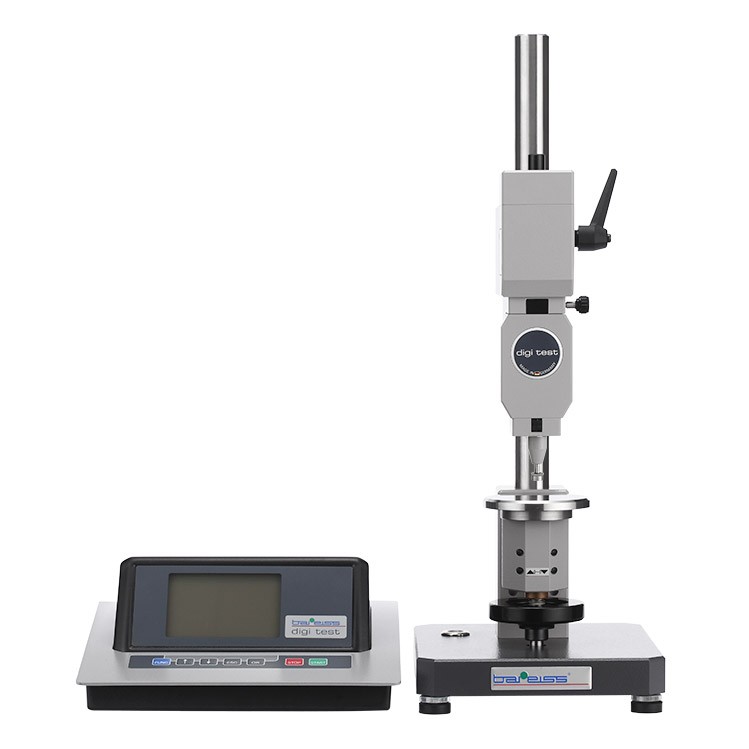
Automatic Shore, IRHD and VLRH Hardness Testing System
Digi Test II is an automatic Shore, IRHD, and VLRH hardness testing system for rubber, plastics, foams, elastomers, O-rings, tubes, hoses, and shaped parts. It combines an electronic control unit, loading module, test stand, and interchangeable measuring heads with automatic range recognition, programmable measuring time, USB output, and low-operator-influence operation. DIN, ISO, ASTM, BS, and DAkkS certificate support strengthen repeatability.
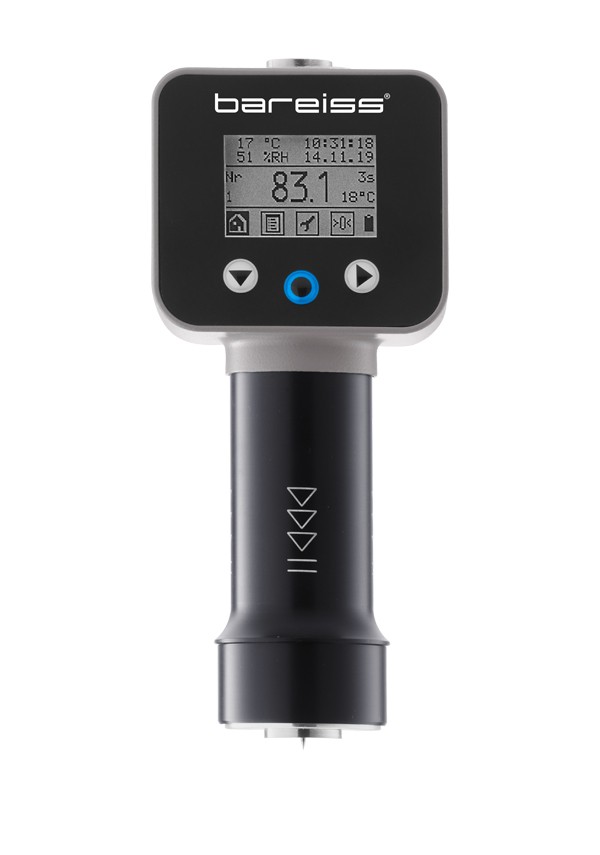
Advanced Portable Shore Durometer System with Test Stand Options
HPE III is an advanced portable Shore durometer system for hardness testing of rubber, plastics, and related materials. It measures hardness while also displaying specimen or environmental temperature and humidity, helping users track conditions during testing. A large LCD display, aluminum casing, patented ergonomic hand grip, USB connection, historical data display, rechargeable operation, and compatible manual or automatic test stands improve repeatability.
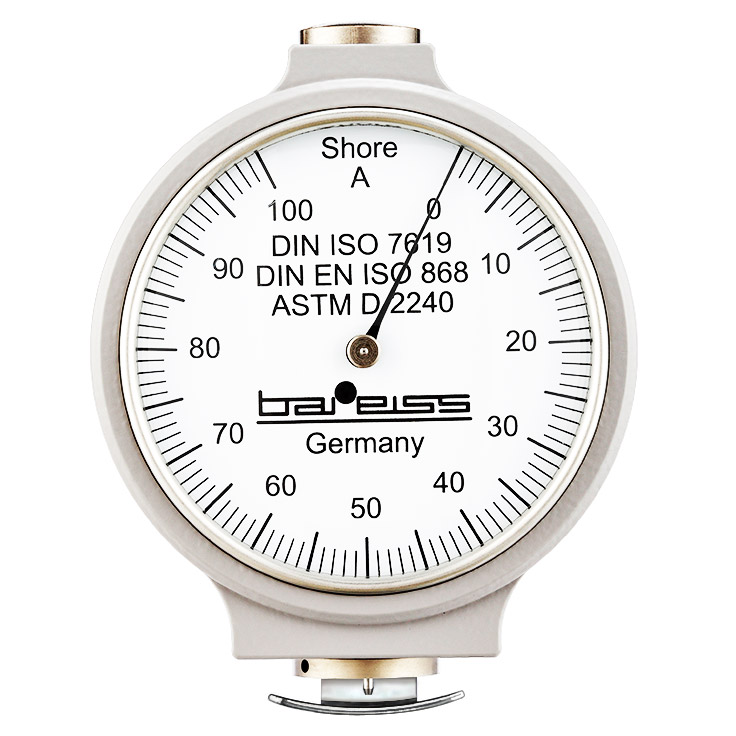
Classic Analogue Shore Durometer with Test Stand Options
The Classic Analogue Shore Durometer is a German-manufactured hardness tester for rubber and plastic materials, available with manual or automatic test stand options. Known as a long-standing Shore hardness benchmark, it supports portable measurements, ergonomic operation, reference blocks, control rings, calibration accessories, and DAkkS/DKD certificate options. DIN 53505, EN ISO 868, ASTM D2240, and JIS K 6253 compatibility supports reliable verification.

Automatic Capsule and Soft Gel Hardness Tester
Gelomat is an automatic capsule and soft gel hardness tester for gelatin capsules, softgels, plasticine, edible gelatin, and similar materials. Available with 0–2 N or 0–20 N measuring heads, it supports non-destructive hardness testing with automatic measurement, clear electronic display, USB data transfer, auto correction, hysteresis function, and optional custom Centrofix holders for precise capsule centering and efficient pharmaceutical-style QC.

Fruit Firmness Tester
NextGen’s Fruit Firmness Tester is a portable German-manufactured device for measuring firmness in fruits, vegetables, meat, and fish. Interchangeable anvils support applications from berries and tomatoes to apples, avocados, carrots, cucumbers, and other produce. Ergonomic handheld design, digital readout, foam-fitted case, calibration accessories, USB or mobile data options, and objective force-based measurement help growers, distributors, and researchers assess ripeness and quality.
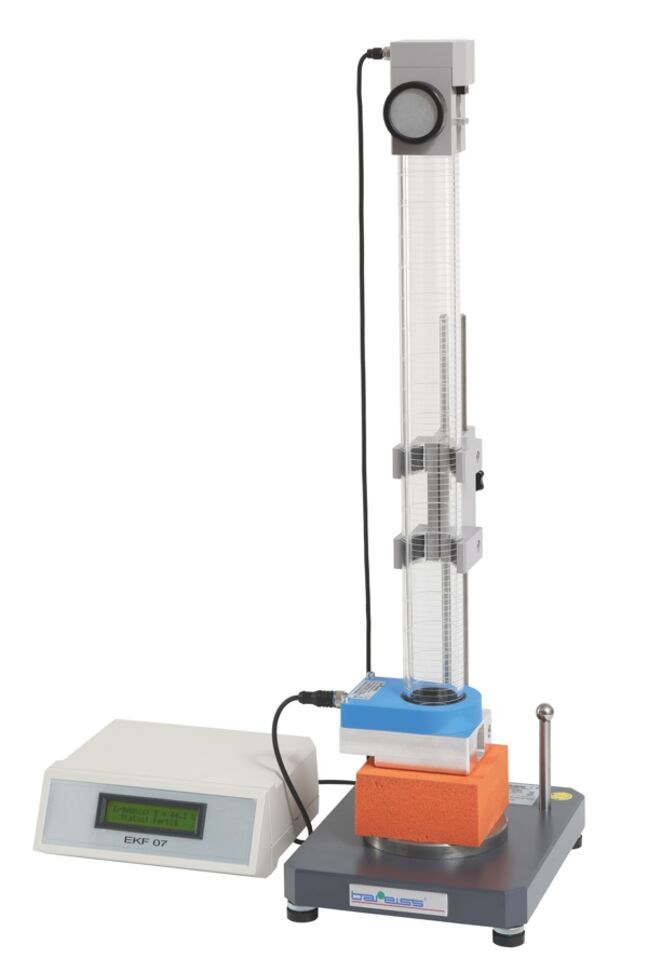
Ball Rebound Tester
The Ball Rebound Tester measures rebound resilience in foam, polyurethane, rubber, and similar materials. Designed for DIN EN ISO 8307 and ASTM D3574 testing, it drops a 16 mm magnetic ball from a controlled 500 mm height and calculates rebound performance through the electronic console. This makes it a practical solution for quality control, material comparison, and repeatable resilience evaluation.

Pendulum Rebound Resilience Tester
NextGen’s Pendulum Rebound Resilience Tester measures the elastic recovery and dynamic behavior of elastomers, foams, and rubber materials. Available in manual and fully automatic versions with a digital display terminal, it supports DIN 53512, ASTM D1054, and ISO 4662 workflows. Optional sample heating up to 100°C helps laboratories compare formulations, aging effects, fatigue changes, and heat-related resilience performance.

Pusey & Jones Tester
Pusey & Jones Tester is a portable plastometer system for measuring hardness and indentation behavior of rubber and rubber-like materials, especially rubber rollers used in the paper industry. It applies a 9.8 N test load and reads penetration depth after a 60-second test. An electronic dial gauge, zero-setting function, 1 kg load weight, built-in timer, and optional software support repeatable reporting.