Footwear fails where it bends and where it rubs. A sole cracks after enough flexing, an upper wears through at the toe, a lining abrades against the foot, and none of it shows on a new shoe. NextGen supplies testers that bring that wear forward into the laboratory, working to ISO 20344 for footwear test methods, ISO 20868 for outsole flexing and ISO 11640 for rubbing fastness on leather.
The range covers whole-shoe flexing machines that bend a finished shoe through thousands of cycles, leather and upper flexing testers for the material before it is assembled, and surface abrasion equipment for linings and coated material. Instruments are installed and calibrated by our engineers, your team is trained on specimen mounting and cycle counts, and support continues for the life of the instrument.
Footwear and Leather Testing Equipment for Quality Control
Footwear and leather products are exposed to repeated stress during manufacturing, handling, fitting, and daily use. Materials can bend, crease, rub, absorb moisture, lose finish quality, transfer color, or develop surface wear over time. Laboratory testing helps identify these performance risks before they become production issues, warranty claims, or customer complaints.
For quality control teams, footwear and leather testing equipment supports incoming material inspection, supplier comparison, product development, production verification, and failure analysis. Instead of relying only on visual checks, laboratories can use repeatable test methods to compare flex resistance, abrasion resistance, finish durability, color transfer, and whole-shoe performance under controlled conditions.
The best equipment choice depends on whether the lab is testing a raw material, a footwear component, a coated surface, or a finished shoe. A leather upper may require flexing and finish wear testing, while a completed shoe may need whole-footwear flex testing to evaluate cracking, sole failure, or repeated bending durability.
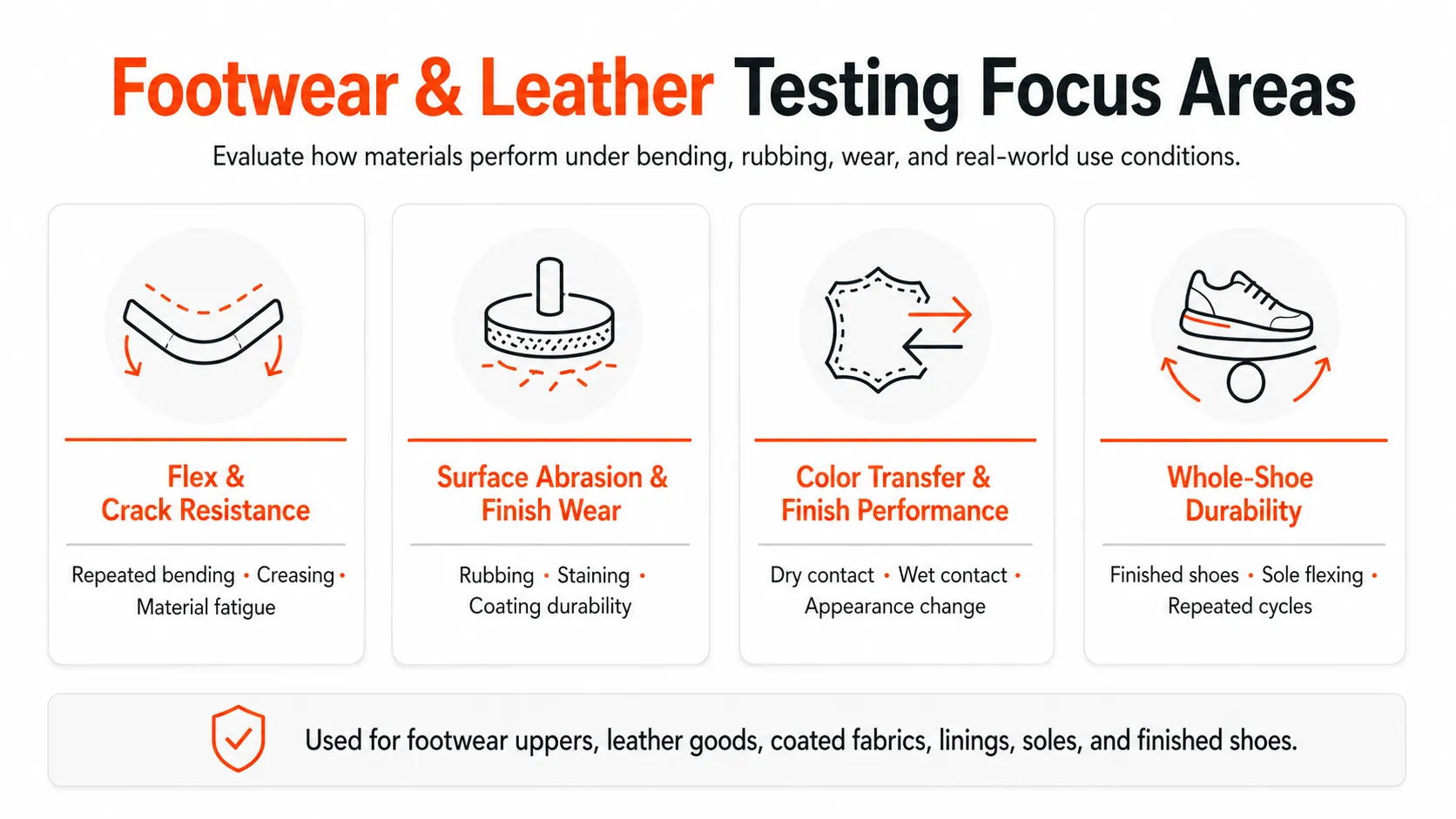
Surface Abrasion
SA
Finish Wear
Staining
Rubbing
|
Flex Resistance
FR
Bending
Cracking
Creasing
|
Whole Footwear Flexing
WF
Finished Shoes
Sole Failure
Repeated Cycles
|
Color and Finish Transfer
CT
Color Transfer
Dry Rubbing
Wet Rubbing
|
Materials and Footwear Components That Require Testing
Footwear and leather testing can involve many different material types, from natural leather and coated fabrics to synthetic uppers, linings, soles, adhesives, and finished footwear. Each component has a different role in the final product, so the right test method should be selected according to the material, construction, and expected service conditions.
| Material or Component |
Common Test Focus |
Typical Use |
| Leather Uppers |
Flex resistance, cracking behavior, finish wear, rubbing fastness, and abrasion resistance |
Dress shoes, work footwear, casual footwear, leather goods, and upper materials |
| Synthetic Leather and Coated Fabrics |
Coating durability, flex cracking, surface wear, adhesion behavior, and color transfer |
Footwear uppers, coated textiles, fashion materials, protective materials, and performance fabrics |
| Soles and Bottom Components |
Flexing, repeated bending, sole failure, crack formation, wear behavior, and durability |
Athletic shoes, casual footwear, work shoes, outsole systems, and finished footwear |
| Linings and Textile Components |
Rubbing, staining, surface wear, moisture exposure, comfort-related durability, and material consistency |
Shoe linings, interior textiles, collar materials, insoles, and textile footwear components |
| Finished Shoes |
Whole-shoe flexing, repeated bending durability, crack formation, sole separation, and performance comparison |
Product validation, production quality control, supplier comparison, and development testing |
Leather and Upper Material Testing
Leather and upper materials are often tested for flexing, cracking, finish wear, rubbing fastness, and abrasion resistance. These properties help determine whether the material can handle repeated creasing, surface contact, and movement during normal footwear use. For coated or finished leather, testing can also help evaluate whether surface treatments remain stable after repeated rubbing or bending.
Sole and Whole-Footwear Testing
Finished footwear and sole assemblies require testing that is closer to real-use movement. Whole-footwear flexing helps evaluate crack formation, outsole failure, and durability under repeated bending cycles. This is especially important for athletic shoes, casual shoes, work footwear, and products where sole flexibility and long-term construction integrity are critical.
Coated Materials, Linings, and Synthetic Components
Synthetic leather, coated fabrics, linings, and textile components can fail in different ways than natural leather. They may show coating wear, delamination, cracking, staining, color transfer, or surface damage after repeated flexing or rubbing. Testing helps compare material options and confirm that production materials perform consistently before they are used in finished footwear.
Common Footwear and Leather Testing Methods
Footwear and leather testing methods are selected according to the material, the expected failure mode, and the performance requirement. Some tests focus on surface wear, while others evaluate flexing, cracking, finish quality, color transfer, or whole-product durability.
| Testing Area |
What It Evaluates |
Recommended NextGen Equipment |
| Surface Abrasion and Rubbing |
Finish wear, staining transfer, rubbing behavior, and surface durability under controlled dry or wet abrasion conditions |
GenVeslic – Leather & Surface Abrasion Tester |
| Flexing and Crack Resistance |
Crack formation, crease resistance, and flex-related failure in leather, coated fabrics, and footwear upper materials |
GenBally Flex – Resistance Flexing Tester |
| Whole Footwear Flexing |
Repeated bending durability, sole failure, crack formation, and performance differences in finished shoes |
GenFlex Sole – Whole Footwear Flexing Tester |
| Color and Finish Transfer |
Color transfer, staining, finish stability, and appearance change after repeated rubbing or contact |
GenVeslic – Leather & Surface Abrasion Tester |
Surface Abrasion and Finish Wear Testing
Surface abrasion testing helps determine how leather, coated materials, and footwear surfaces change after repeated rubbing. Labs may evaluate visible wear, staining transfer, finish damage, color change, or surface durability after a defined number of cycles. This testing is useful for leather goods, footwear uppers, dyed surfaces, coated materials, and components where appearance and finish quality are important.
Flexing and Cracking Tests
Flexing tests are used to evaluate whether leather, coated fabrics, or footwear upper materials develop cracks, creases, or material failure during repeated bending. These tests help manufacturers compare materials, monitor supplier quality, and confirm that uppers or coated components can withstand expected movement during wear.
Whole-Footwear Durability Testing
Whole-footwear flexing tests are designed for finished shoes rather than flat material samples. They help evaluate how complete footwear responds to repeated bending, including crack formation, sole damage, flex-related weakness, and differences between product constructions. This type of testing is useful for development teams and QC labs that need practical data on finished shoe durability.
Choosing the Right Footwear and Leather Testing Equipment
Selecting the right footwear and leather testing equipment starts with defining the material, the failure mode, the sample format, and the test method. A leather upper, a coated textile, a finished shoe, and a sole assembly may all require different fixtures, motions, pressures, cycle counts, and reporting methods.
| Material or Product |
Testing Objective |
Best Equipment Direction |
| Leather or Coated Upper |
Evaluate flex cracking, crease resistance, and material fatigue |
Resistance Flexing Tester |
| Finished Shoe |
Evaluate repeated bending durability, sole failure, and full-shoe performance |
Whole Footwear Flexing Tester |
| Dyed Leather or Finished Surface |
Evaluate rubbing fastness, finish wear, staining transfer, and surface durability |
Leather & Surface Abrasion Tester |
| Footwear Lining or Textile Component |
Evaluate rubbing, surface wear, staining, and contact durability |
Surface Wear or Rubbing Test System |
Start With the Component Being Tested
The first step is to decide whether the lab is testing a material sample, a footwear component, or a complete shoe. Flat materials such as leather, synthetic leather, linings, and coated fabrics are usually tested differently than finished footwear. Matching the equipment to the specimen type helps improve repeatability and makes the final data more useful for quality decisions.
Match Motion, Pressure, Fixtures, and Cycle Count
Footwear and leather tests depend on more than the main instrument. Rubbing media, flexing grips, specimen dimensions, pressure settings, bending angle, test speed, and cycle count can all affect the result. A proper setup helps reduce operator variation and supports better comparison between suppliers, batches, and product designs.
Consider Throughput and Lab Workflow
Different laboratories have different throughput requirements. A small development lab may need flexible equipment for occasional material comparison, while a production QC lab may need multi-station systems for routine testing. Choosing the right configuration helps balance accuracy, repeatability, available space, and daily testing volume.
Footwear and Leather Testing Standards and Test Methods
Footwear and leather tests may be performed according to ISO, SATRA, ASTM, EN, DIN, or customer-specific procedures, depending on the material, product type, brand requirement, and target market. The applicable method can define sample preparation, rubbing surface, flexing angle, cycle count, pressure, conditioning, evaluation method, and reporting requirements.
| Standard or Method Family |
Typical Use |
Common Evaluation Areas |
| ISO |
International methods used for footwear, leather, coated materials, and textile component testing |
Flexing, abrasion, color fastness, strength, dimensional stability, and product performance |
| SATRA |
Footwear and leather test methods used for product development, evaluation, and laboratory comparison |
Flexing, rubbing, abrasion, water-related performance, material durability, and footwear components |
| ASTM |
Mechanical, physical, and performance testing for materials used in footwear and related products |
Abrasion, strength, puncture, durability, and material performance testing |
| Customer-Specific Procedures |
Internal brand, supplier, or product qualification requirements based on expected use conditions |
Supplier approval, production QC, failure analysis, benchmarking, and finished product validation |
Applicable standards and methods vary by material, footwear construction, test objective, and market requirement.
Standard-Based Testing for Repeatable Results
Standard-based testing helps laboratories control variables such as specimen preparation, conditioning, pressure, rubbing media, test speed, bending angle, and cycle count. When these conditions are clearly defined and followed, quality teams can compare materials more consistently and make better decisions about suppliers, product construction, and production readiness.
Application-Specific Testing Requirements
Not every footwear or leather product requires the same test program. A fashion leather may require more emphasis on finish wear and color transfer, while a work shoe may require stronger focus on flexing durability and sole performance. The most reliable approach is to select equipment around the exact product, expected use conditions, and required test method.
Footwear and Leather Testing Equipment from NextGen
NextGen Material Testing provides footwear and leather testing equipment for laboratories, manufacturers, suppliers, and quality control teams that need dependable data on material and product performance. Current solutions in this category include surface abrasion testing, leather and coated material flexing, and whole-footwear durability testing.
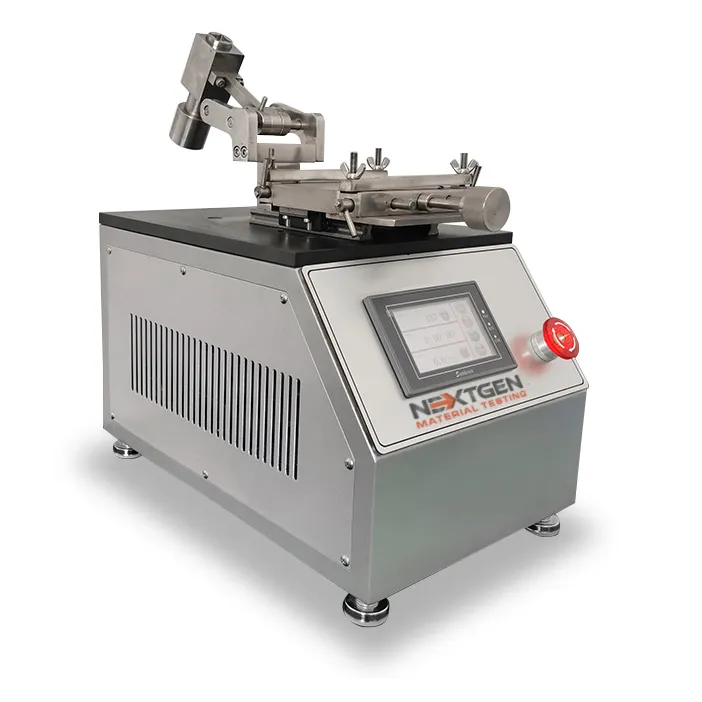
GenVeslic is designed for leather and surface abrasion testing where finish wear, staining transfer, and rubbing behavior need to be evaluated under controlled conditions. GenBally Flex is used for resistance flexing tests on leather, coated fabrics, and footwear upper materials. GenFlex Sole is designed to evaluate finished shoes under repeated bending cycles.
Contact NextGen Material Testing to discuss your footwear or leather testing application, compare available equipment options, and select a system that matches your material, method, standard, and lab workflow.
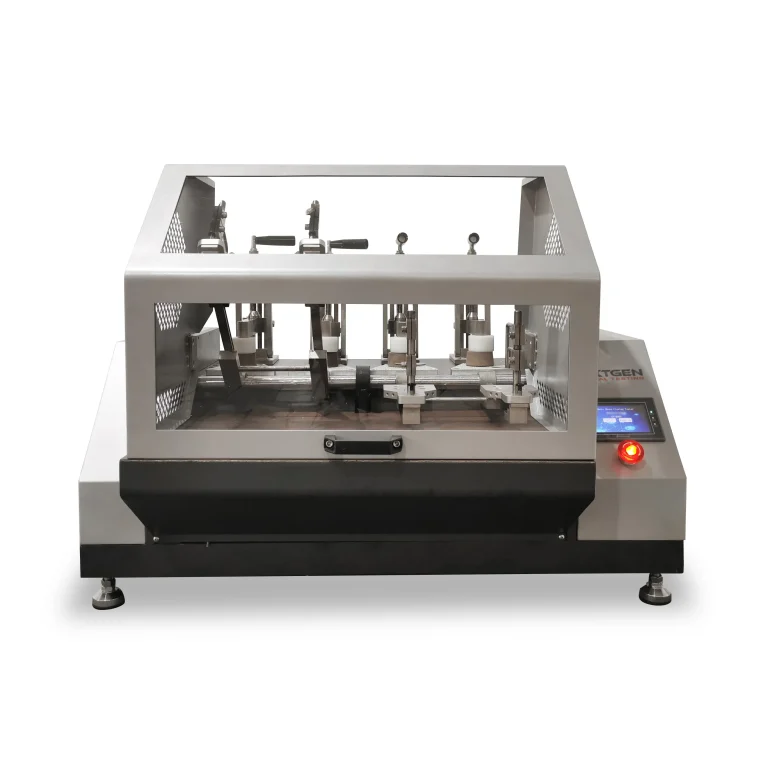 GenFlex Sole – Whole Footwear Flexing Tester
GenFlex Sole is a whole footwear flexing tester for assessing finished shoes under repeated bending conditions.
View product
Most requested
GenFlex Sole – Whole Footwear Flexing Tester
GenFlex Sole is a whole footwear flexing tester for assessing finished shoes under repeated bending conditions.
View product
Most requested
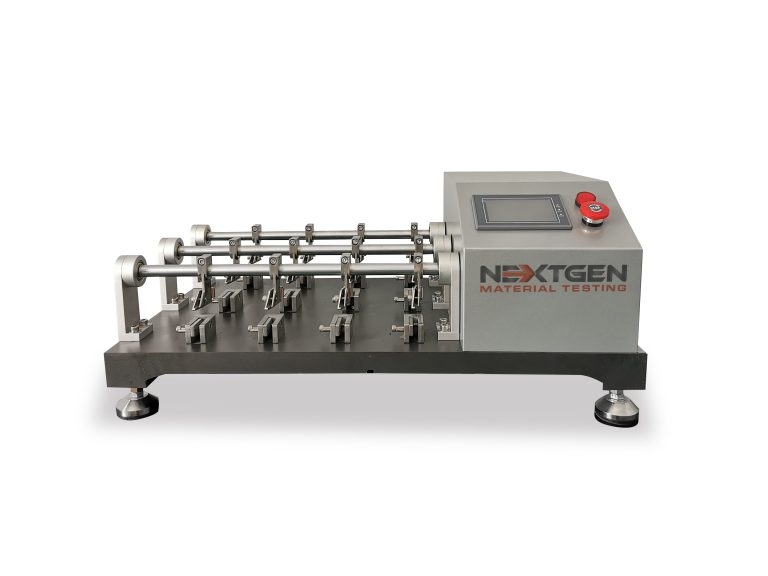 GenBally Flex – Resistance Flexing Tester
GenBally Flex is a multi-station resistance flexing tester for evaluating leather, coated fabrics, textiles, and…
View product
Most requested
GenBally Flex – Resistance Flexing Tester
GenBally Flex is a multi-station resistance flexing tester for evaluating leather, coated fabrics, textiles, and…
View product
Most requested
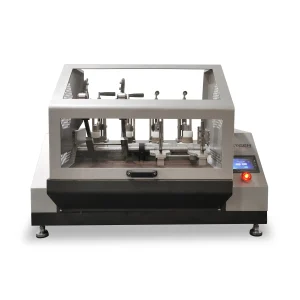 GenFlex Sole – Whole Footwear Flexing Tester
GenFlex Sole is a whole footwear flexing tester for assessing finished shoes under repeated bending conditions.
Footwear and leather testing
GenFlex Sole – Whole Footwear Flexing Tester
GenFlex Sole is a whole footwear flexing tester for assessing finished shoes under repeated bending conditions.
Footwear and leather testing
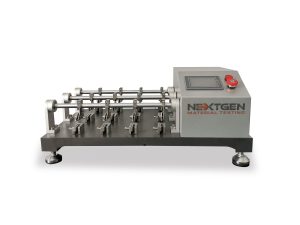 GenBally Flex – Resistance Flexing Tester
GenBally Flex is a multi-station resistance flexing tester for evaluating leather, coated fabrics, textiles, and…
Footwear and leather testing
GenBally Flex – Resistance Flexing Tester
GenBally Flex is a multi-station resistance flexing tester for evaluating leather, coated fabrics, textiles, and…
Footwear and leather testing
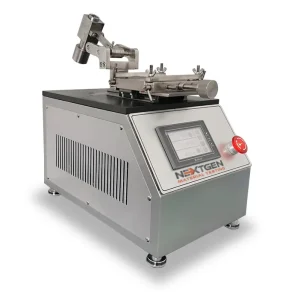 GenVeslic – Leather and Surface Abrasion Tester
GenVeslic is a reciprocating leather and surface abrasion tester for evaluating color fastness, finish wear, fading,…
Footwear and leather testing
GenVeslic – Leather and Surface Abrasion Tester
GenVeslic is a reciprocating leather and surface abrasion tester for evaluating color fastness, finish wear, fading,…
Footwear and leather testing