Colour that does not stay where it was put becomes a complaint: a shirt that marks a car seat, dyed leather that transfers onto a glove, a fabric that loses its shade in the first wash. NextGen supplies crockmeters and washing fastness testers for those checks, working to ISO 105-X12 for rubbing and ISO 105-C06 for washing.
The electronic crockmeter runs a set number of dry or wet rubbing cycles at a controlled speed, and the washing tester holds a bank of canisters at temperature so several specimens go through identical conditions at once. Standard rubbing cloths, canisters and reference materials come from the same supplier, and support continues for the life of the instrument.
Color Fastness Testing Equipment for Textile Quality Control
Color is one of the first quality characteristics a customer notices, but it can also be one of the most difficult to control. Dyes, pigments, prints, coatings, finishes, and fabric blends can all respond differently to rubbing, laundering, moisture, heat, and repeated contact. Color fastness testing helps identify these risks before they affect finished products, production batches, or customer satisfaction.
For quality control teams, color fastness testing equipment supports incoming material inspection, supplier comparison, product development, production verification, and failure analysis. Instead of relying only on visual checks, laboratories can use controlled testing to compare color transfer, staining, fading, washing behavior, and appearance change under repeatable conditions.
The best equipment choice depends on the material, the color fastness risk being evaluated, and the required test method. A dyed fabric may need washing fastness testing, while a printed textile, leather surface, or lining material may require rubbing or crocking evaluation under dry and wet contact conditions. Matching the equipment to the method helps ensure that results are meaningful, repeatable, and useful for quality decisions.
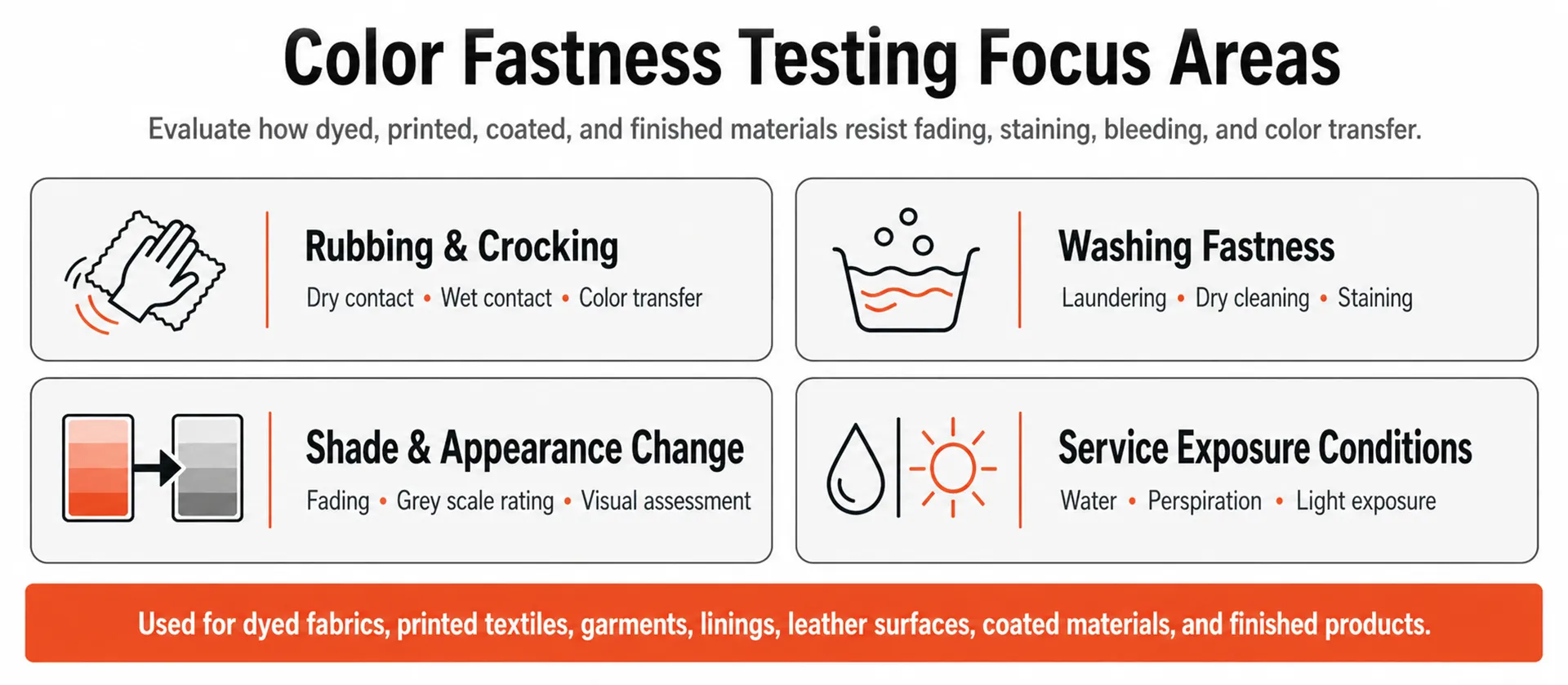
What Color Fastness Testing Evaluates
Color fastness testing focuses on how well a material keeps its original color and how much color transfers to other surfaces during use or care. The exact evaluation depends on the test method, material type, exposure condition, and final product application.
| Color fastness Risk |
What It Means |
Why It Matters |
| Color Transfer |
Dye, pigment, or finish transfers from the test specimen to another surface during rubbing or contact |
Helps reduce staining on skin, linings, other garments, furniture, footwear components, or adjacent materials |
| Fading |
The original shade becomes lighter or visibly changed after exposure, use, or care |
Helps maintain product appearance, brand consistency, and customer expectations over time |
| Staining |
Adjacent fabrics, linings, or test materials become stained during washing, rubbing, or wet exposure |
Helps evaluate dye bleeding, cross-staining, and contamination risk in finished products |
| Shade Change |
The color shifts after laundering, rubbing, moisture exposure, or service conditions |
Helps compare batches, suppliers, dye lots, finishing processes, and care performance |
| Finish Wear |
A surface coating, print, treatment, or finish changes after repeated contact or care |
Important for printed fabrics, coated textiles, leather surfaces, footwear materials, and finished goods |
Color Transfer and Crocking
Color transfer testing helps determine whether dye or finish moves from a material to another surface during dry or wet rubbing. This is important for dyed fabrics, printed materials, footwear linings, leather surfaces, upholstery, and products that come into direct contact with skin, clothing, or adjacent components.
Fading, Staining, and Shade Change
Fading and staining evaluations help laboratories understand how materials respond to laundering, moisture, contact, and care conditions. These tests can reveal whether a material loses color, bleeds into adjacent fabrics, or changes appearance after exposure. Consistent evaluation supports better material selection, supplier approval, and production quality control.
Common Color Fastness Test Methods
Color fastness testing methods are selected according to the material, product type, exposure condition, and performance requirement. Some tests focus on rubbing or crocking, while others evaluate washing fastness, staining, shade change, dry-cleaning performance, or appearance retention after controlled care conditions.
| Testing Area |
What It Evaluates |
Typical Use |
| Rubbing and Crocking Fastness |
Color transfer from a dyed or finished surface during controlled dry or wet rubbing |
Dyed fabrics, printed textiles, leather surfaces, footwear linings, upholstery, and coated materials |
| Washing and Laundering Fastness |
Color change, staining, bleeding, and appearance change after controlled laundering or care conditions |
Apparel fabrics, garments, uniforms, home textiles, printed materials, and production batches |
| Dry-Cleaning Fastness |
Color stability and staining behavior after controlled dry-cleaning style exposure |
Fashion garments, delicate textiles, coated fabrics, and finished products with care requirements |
| Water and Moisture Exposure |
Color movement, staining, bleeding, or shade change after contact with water or moisture |
Garments, linings, footwear components, outdoor textiles, upholstery, and coated materials |
| Appearance Evaluation |
Visual change in shade, staining, finish quality, or surface appearance after testing |
Laboratory reporting, supplier comparison, batch approval, and product development |
Rubbing and Crocking Fastness Testing
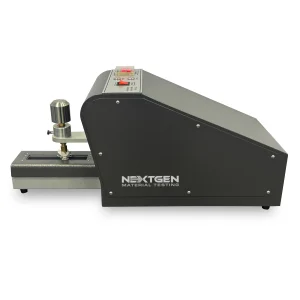
Rubbing and crocking fastness testing is used to evaluate whether color transfers from a textile, leather surface, or finished material to a rubbing cloth under controlled dry or wet contact conditions. NextGen’s GenCrock Pro Electronic Crockmeter is designed for color fastness testing under dry and wet rubbing conditions with controlled pressure and fixed stroke geometry.
Washing and Laundering Fastness Testing
Washing fastness testing helps laboratories evaluate color change, staining, dye bleeding, and appearance retention after controlled laundering or dry-cleaning style exposure. NextGen’s GenWashLab Color Fastness to Washing Tester is built for controlled wash fastness evaluation of dyed textiles.
Staining, Shade Change, and Appearance Evaluation
Many color fastness tests involve evaluating both the original specimen and adjacent materials after exposure. Labs may compare shade change, staining, transfer, or finish wear using visual assessment tools, grey scale ratings, or customer-specific reporting procedures. These evaluations help quality teams determine whether a material is suitable for production, care labeling, or final product use.
Water, Perspiration, Light, and Service Exposure Conditions
Some color fastness programs may also evaluate how materials respond to moisture, perspiration, light exposure, or other service conditions. The required method depends on the product, market, material construction, and customer requirements. When these conditions are part of a test program, the equipment and procedure should be selected to match the applicable standard or internal specification.
Materials and Products That Require Color Fastness Testing
Color fastness testing can be used across many textile and material categories. The test method should be selected based on the material structure, dye or finish system, end-use conditions, and the type of color risk being evaluated.
| Material or Product |
Common Color Fastness Concern |
Typical Use |
| Dyed Fabrics |
Shade change, staining, washing fastness, rubbing fastness, and dye bleeding |
Apparel, uniforms, home textiles, upholstery, and production fabrics |
| Printed Textiles |
Print wear, rubbing transfer, staining, fading, and appearance change |
Fashion fabrics, branded garments, decorative textiles, and finished goods |
| Garments and Finished Products |
Color bleeding, cross-staining, laundering performance, and final appearance |
Product validation, supplier approval, care testing, and production quality control |
| Leather and Coated Materials |
Finish wear, rubbing transfer, staining, surface color change, and coating stability |
Footwear, accessories, coated fabrics, synthetic leather, and performance materials |
| Linings and Interior Textiles |
Contact staining, moisture-related color movement, rubbing transfer, and appearance change |
Footwear linings, bags, apparel interiors, upholstery, and multi-material products |
Dyed and Printed Fabric Testing
Dyed and printed fabrics are commonly tested for color transfer, shade change, staining, and washing performance. These results help manufacturers compare dye lots, printing processes, finishing treatments, and supplier materials before the fabric is cut, sewn, or released for production.
Garments, Linings, and Finished Goods
Finished products can create color issues that are not always visible at the material stage. A lining may stain an outer fabric, a dark garment may bleed during washing, or a printed surface may transfer color during contact. Testing finished goods helps quality teams evaluate performance in a form closer to real use.
Leather, Coated Materials, and Footwear Components
Leather, synthetic leather, coated fabrics, and footwear materials may require color fastness testing when surface finishes, coatings, dyes, or pigments are exposed to rubbing, moisture, or repeated contact. These tests help evaluate whether the surface remains stable and whether color transfer could affect adjacent materials or the end user.
Choosing the Right Color Fastness Testing Equipment
Selecting the right color fastness testing equipment starts with defining the material, color risk, exposure condition, and required test method. A dry crocking test, a wet rubbing test, a wash fastness test, and a dry-cleaning evaluation may all require different specimen preparation, contact materials, temperatures, cycle settings, liquids, and assessment procedures.
| Testing Need |
Main Objective |
Equipment Direction |
| Dry or Wet Rubbing |
Evaluate color transfer from a dyed or finished surface to a rubbing cloth |
Electronic Crockmeter |
| Washing Fastness |
Evaluate shade change, staining, and dye bleeding after controlled laundering |
Color Fastness to Washing Tester |
| Dry-Cleaning Evaluation |
Assess color stability and staining behavior under controlled care conditions |
Wash Fastness Testing System |
| Visual Evaluation |
Compare staining, fading, shade change, and appearance after testing |
Assessment Tools and Reporting Procedure |
Start With the Color fastness Risk
The first step is to define the problem the lab needs to evaluate. If the concern is color rubbing onto another surface, crocking or rubbing fastness testing may be required. If the concern is color loss or staining after care, washing fastness testing may be more appropriate. Starting with the risk helps avoid choosing a method that does not match the product failure mode.
Match Contact Conditions and Test Parameters
Color fastness testing depends on controlled contact materials, specimen preparation, pressure, stroke geometry, temperature, time, liquid medium, agitation, and evaluation method. A proper setup helps reduce operator variation and supports better comparison between batches, suppliers, and production lots.
Consider Throughput, Repeatability, and Reporting
Laboratories should also consider how frequently tests will be performed and how results need to be documented. Routine QC testing may require repeatable cycles, consistent sample handling, and clear reporting procedures, while product development may require flexible equipment for comparing materials, finishes, dyes, and process changes.
Color Fastness Standards and Evaluation Methods
Color fastness testing may be performed according to AATCC, ISO, ASTM, or customer-specific procedures, depending on the material, product type, target market, and brand requirement. These methods can define sample preparation, contact material, washing conditions, temperature, rubbing direction, pressure, time, evaluation method, and reporting requirements.
| Standard or Method Family |
Typical Use |
Common Evaluation Areas |
| AATCC |
Textile test methods commonly used for color fastness, laundering, appearance, and care performance |
Crocking, washing fastness, staining, shade change, appearance evaluation, and textile quality control |
| ISO |
International test methods used to evaluate textile performance and color stability across markets |
Rubbing, washing, water exposure, perspiration, light exposure, staining, and color change |
| ASTM |
Mechanical, physical, and performance-related test methods for textile and material evaluation |
Textile performance, material comparison, quality verification, and product testing procedures |
| Customer-Specific Procedures |
Internal brand, retailer, supplier, or product qualification requirements based on expected use conditions |
Supplier approval, production QC, failure analysis, benchmarking, and finished product validation |
Applicable standards and methods vary by material type, test objective, product application, and market requirement.
Standard-Based Testing for Comparable Results
Standard-based color fastness testing helps laboratories control variables such as specimen size, contact material, rubbing pressure, washing temperature, exposure time, detergent or solution, agitation, and evaluation method. When these conditions are clearly defined and followed, quality teams can compare results more consistently across materials, suppliers, and production batches.
Application-Specific Testing Requirements
Not every textile or finished product requires the same color fastness program. A dark garment may require strong focus on washing and staining, while a footwear lining may require more emphasis on rubbing transfer under dry and wet contact. The most reliable approach is to select equipment around the exact material, expected use condition, and required test method.
Color Fastness Testing Equipment from NextGen
NextGen Material Testing provides color fastness testing equipment for laboratories, textile manufacturers, suppliers, brands, and quality control teams that need dependable data on color transfer, staining, washing performance, and appearance retention. Current solutions in this category include electronic crocking equipment for dry and wet rubbing tests and controlled wash fastness equipment for laundering and dry-cleaning evaluation.
GenCrock Pro is designed for color fastness testing under controlled dry and wet rubbing conditions. GenWashLab is designed for controlled wash fastness testing of dyed textiles where laundering and dry-cleaning performance need to be evaluated.
Contact NextGen Material Testing to discuss your color fastness testing application, compare available equipment options, and select a system that matches your material, method, standard, and laboratory workflow. You can also request a quote for color fastness testing equipment configured around your testing needs.
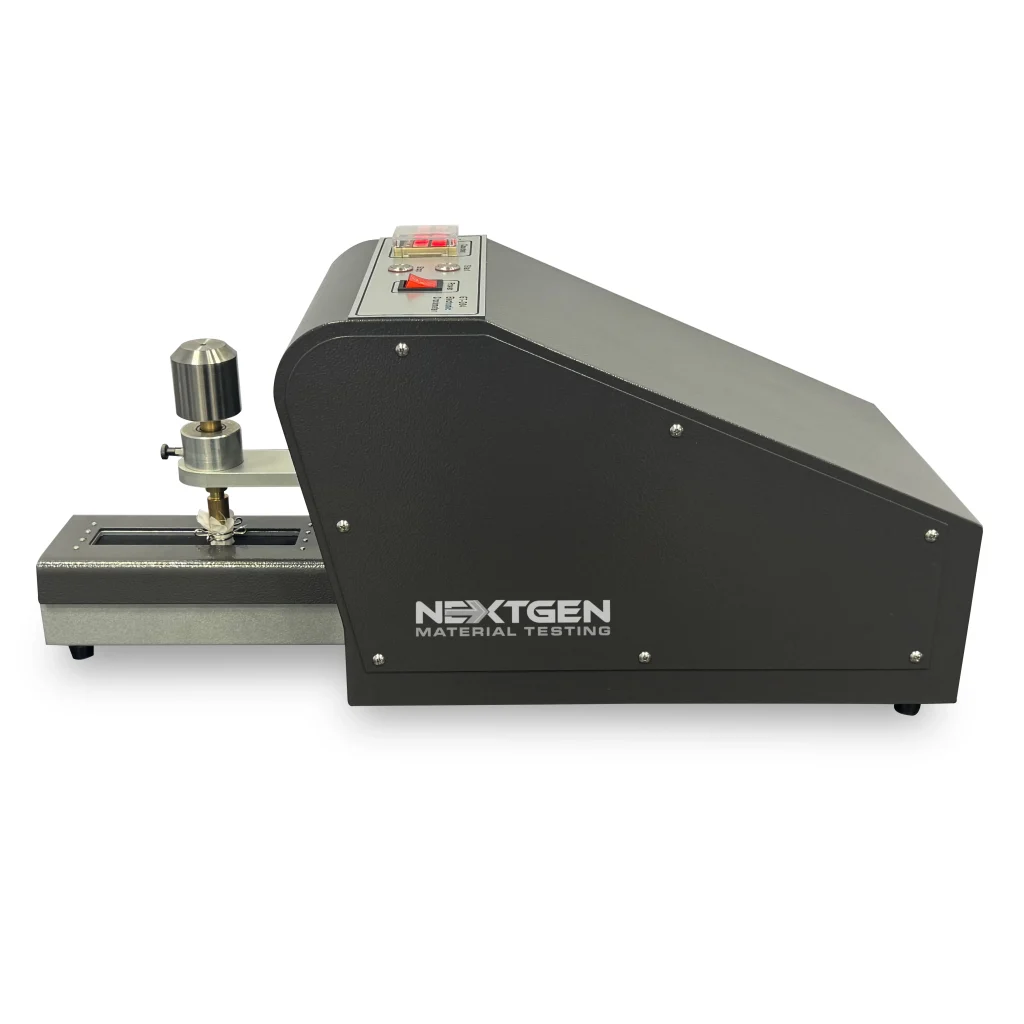
 GenWashLab – Color Fastness to Washing Tester
GenWashLab is a temperature-controlled wash fastness tester for evaluating color change and staining in dyed textiles…
View product
Get quote
Most requested
GenWashLab – Color Fastness to Washing Tester
GenWashLab is a temperature-controlled wash fastness tester for evaluating color change and staining in dyed textiles…
View product
Get quote
Most requested
 GenCrock Pro – Electronic Crockmeter
GenCrock Pro is an electronic crockmeter for measuring color fastness to dry and wet rubbing on textiles, leather,…
View product
Get quote
GenCrock Pro – Electronic Crockmeter
GenCrock Pro is an electronic crockmeter for measuring color fastness to dry and wet rubbing on textiles, leather,…
View product
Get quote
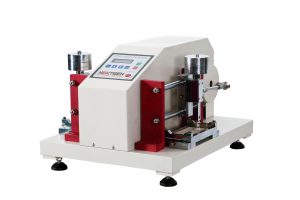
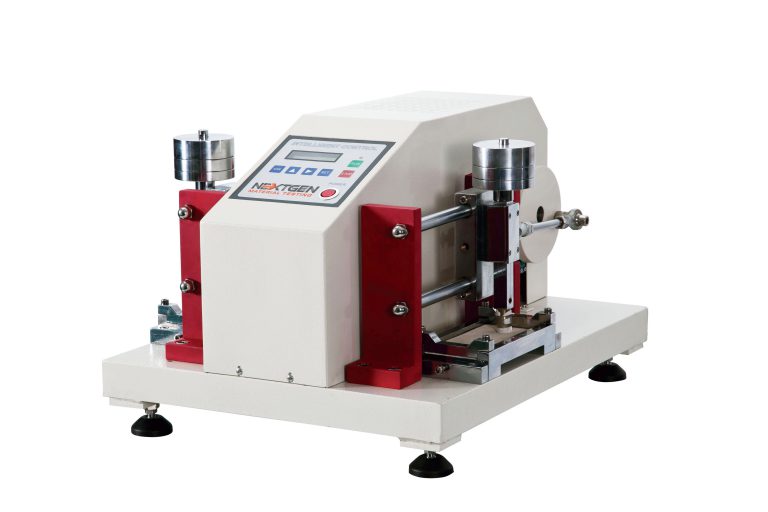 GenCrock – Electric Crocking Tester
GenCrock is an electric crocking tester for evaluating color transfer and fading on fabric, leather, and dyed…
View product
Get quote
GenCrock – Electric Crocking Tester
GenCrock is an electric crocking tester for evaluating color transfer and fading on fabric, leather, and dyed…
View product
Get quote
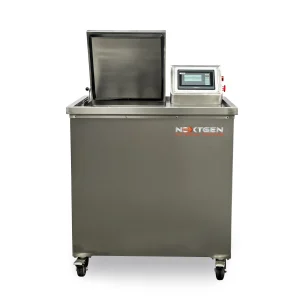 GenWashLab – Color Fastness to Washing Tester
GenWashLab is a temperature-controlled wash fastness tester for evaluating color change and staining in dyed textiles…
Color fastness testing
GenWashLab – Color Fastness to Washing Tester
GenWashLab is a temperature-controlled wash fastness tester for evaluating color change and staining in dyed textiles…
Color fastness testing
 GenCrock Pro – Electronic Crockmeter
GenCrock Pro is an electronic crockmeter for measuring color fastness to dry and wet rubbing on textiles, leather,…
Color fastness testing
GenCrock Pro – Electronic Crockmeter
GenCrock Pro is an electronic crockmeter for measuring color fastness to dry and wet rubbing on textiles, leather,…
Color fastness testing
 GenCrock – Electric Crocking Tester
GenCrock is an electric crocking tester for evaluating color transfer and fading on fabric, leather, and dyed…
Color fastness testing
GenCrock – Electric Crocking Tester
GenCrock is an electric crocking tester for evaluating color transfer and fading on fabric, leather, and dyed…
Color fastness testing