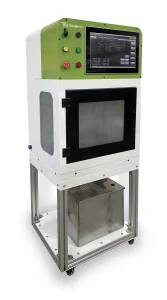
ASTM D638 is a widely used tensile test method for measuring tensile properties of plastics using standardized “dumbbell” (dog-bone) specimens under defined conditioning and test-speed conditions.
It is commonly specified for material qualification, incoming inspection, process control, and comparative benchmarking of plastic compounds and molded parts. If you need help matching specimen type, thickness limits, or extensometer approach to your material and report requirements, talk with our team.
ASTM D638 – Standard Test Method for Tensile Properties of Plastics
ASTM D638 describes how to determine tensile properties for unreinforced and reinforced plastics using standard specimen shapes and defined test conditions.
The standard is primarily used to generate stress–strain data that can support material specifications, technical datasheets, and internal acceptance criteria for plastics.
Quick definition
Document type: Test method.
What it measures: Tensile properties derived from a tensile test on standardized plastic specimens (stress–strain behavior and related reported tensile values).
Where it is used: Plastics material qualification, QC comparisons between lots, and R&D formulation benchmarking.
What this standard covers
ASTM D638 covers tensile testing of unreinforced and reinforced plastics using dumbbell-shaped specimens tested under defined conditions of pretreatment, temperature, humidity, and testing speed.
It is intended for plastics up to a stated thickness limit; thinner plastic sheeting and film are typically directed to a different tensile method (see Related Standards section).
Why this standard matters in testing
Because tensile properties of plastics are sensitive to specimen preparation, test speed, and environment, ASTM D638 gives laboratories a common framework for producing comparable results between batches, suppliers, and manufacturing sites.
For procurement and QA/QC teams, citing ASTM D638 helps reduce ambiguity in how tensile data are generated and reported, especially when results are used for acceptance decisions or supplier comparisons.
Common materials, product types, or applications covered
ASTM D638 is commonly applied to plastics in forms that can be prepared into standardized tensile specimens, including many molded and machined plastics used in production components and material qualification programs.
It is frequently used for both unreinforced plastics and plastics with reinforcement, provided the material form and reinforcement architecture are appropriate for this method’s specimen and loading approach.
Common test or verification workflow
ASTM D638 is typically used in a straightforward tensile-test workflow that links sample preparation, conditioning, controlled loading, and standardized reporting.
Common workflow: Prepare or machine the specified specimen type → condition specimens to the required temperature/humidity state → perform tensile testing at the specified speed using appropriate grips and alignment → calculate and report tensile results from the force/extension (or stress/strain) data.
Practical caution: When a material specification references ASTM D638 but modifies details (for example, conditioning or reporting), the specification’s requirements take precedence over the generic method language.
Equipment commonly used for this standard
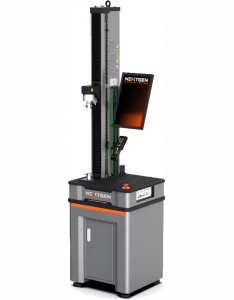
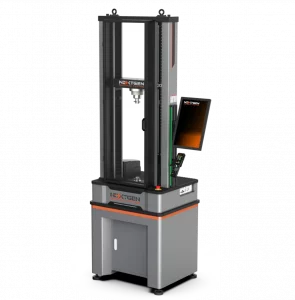
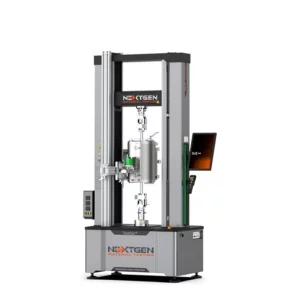
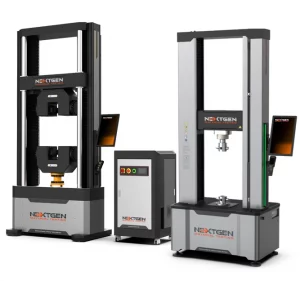
ASTM D638 is most often performed on a universal testing machine configured for plastics tensile testing and equipped to measure force and extension/strain in a controlled, repeatable way.
Common equipment: Universal testing machine (UTM) with appropriate load cell capacity, tensile grips suitable for plastics specimens, and software for stress–strain acquisition and reporting.
Common accessories: Extensometers (contact or non-contact, depending on strain range and specimen geometry), alignment aids, and specimen measurement tools for width/thickness used in stress calculations.
Specimen preparation and conditioning support: Cutting/machining tools or specimen dies appropriate to the specimen type, and environmental conditioning capability when test conditions require controlled temperature and humidity.
If you’re configuring a plastics tensile system around ASTM D638 specimen sizes and strain measurement needs, you can request pricing for a matched setup based on your force range, throughput, and reporting requirements.
How to read this designation or revision
ASTM standards are commonly cited with a year-based suffix that identifies the edition in use (for example, ASTM D638-22). The cited year matters because permitted specimen options, procedures, and reporting expectations can change between editions.
When receiving a customer requirement or purchase specification, it is good practice to confirm the exact cited edition (including any referenced companion standards) before locking down fixtures, extensometers, conditioning needs, and reporting templates.
Related standards, methods, or frameworks
ASTM D638 references other standards for adjacent material forms or alternative reinforcement architectures, and it also notes an ISO standard covering the same general subject with different technical content.
-
ASTM D882: Commonly used for tensile properties of thin plastic sheeting/film where D638 is not preferred.
-
ASTM D3039/D3039M: Commonly used for certain resin-matrix composites with high-modulus fiber reinforcement where a composite-focused tensile method is required.
-
ISO 527-1: Addresses tensile properties of plastics, but differs from ASTM D638 in technical content and details.
Get help selecting an ASTM D638 tensile testing setup
If you need to align a plastics tensile test system to a specific ASTM D638 edition, specimen type, or strain measurement approach, contact our team to discuss grips, extensometers, and a configuration that fits your lab workflow.