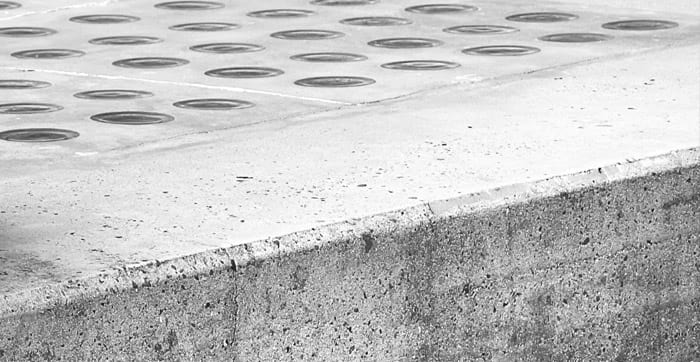
Cement & Concrete Testing Equipment
Cement and concrete testing is an essential part of Civil Engineering. A structure is utterly dependant on the quality of the materials being used. This is why several tests are performed on cement to determine its compatibility with other materials in the concrete mix design. The quality of cement is determined by a few factors, including: fineness, consistency, initial final setting time, and soundness. Read More...
Sub-categories
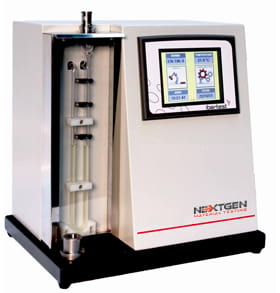
Blaine Apparatus
Blaine apparatus equipment is used to determine cement fineness and specific surface area by measuring air permeability through a compacted powder bed. This category supports testing of Portland cement, lime, and similar powders, helping laboratories understand setting behavior, reaction rate, and strength development. Digital and automated systems improve timing, calculation, repeatability, and standards-based cement quality control workflows.
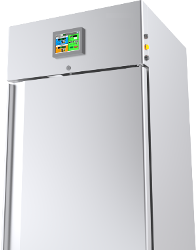
Climatic Curing Chambers
Climatic curing chambers provide controlled temperature and humidity environments for curing cement, mortar, concrete, and related construction material specimens. This category supports stability testing with fixed conditions as well as programmable dynamic cycles for more advanced laboratory workflows. Reliable curing chambers help maintain repeatable specimen conditioning, protect test validity, and support quality control where curing environment directly affects material performance results.
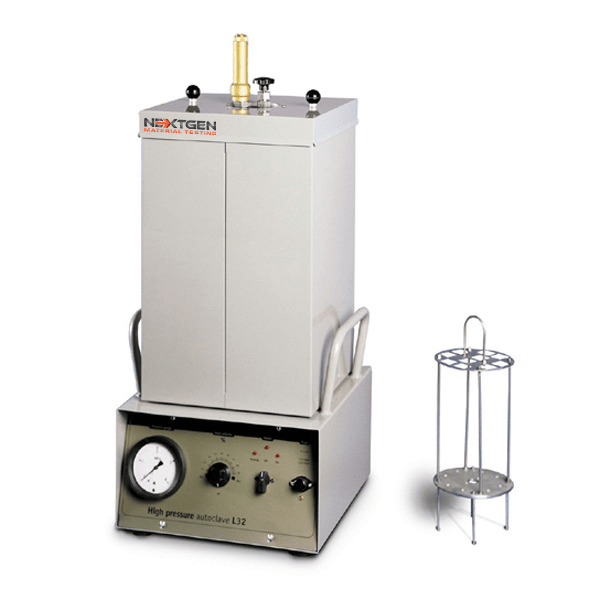
High Pressure Autoclave
High pressure autoclave equipment is used in cement and concrete laboratories for controlled steam-pressure curing and soundness-related testing. This category supports high-pressure procedures where stable temperature, pressure regulation, safety controls, and secure specimen handling are essential. Autoclave systems help laboratories evaluate cement behavior under accelerated conditions and maintain consistent, protected workflows for routine quality control and standards-based verification.
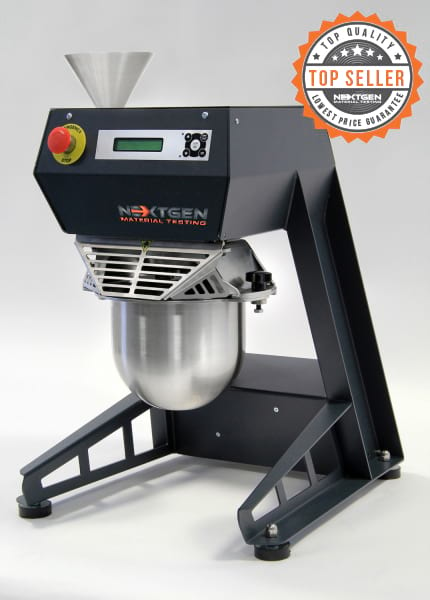
Mortar Mixers
Mortar mixers are used to prepare consistent cement mortar batches for laboratory testing, quality control, and standards-based construction material evaluation. This category includes mixing equipment designed for repeatable blending of cement, sand, water, additives, and related materials. Controlled mixing helps laboratories reduce operator variation, improve specimen consistency, and support reliable testing for setting time, strength, expansion, and other cement performance properties.
Products
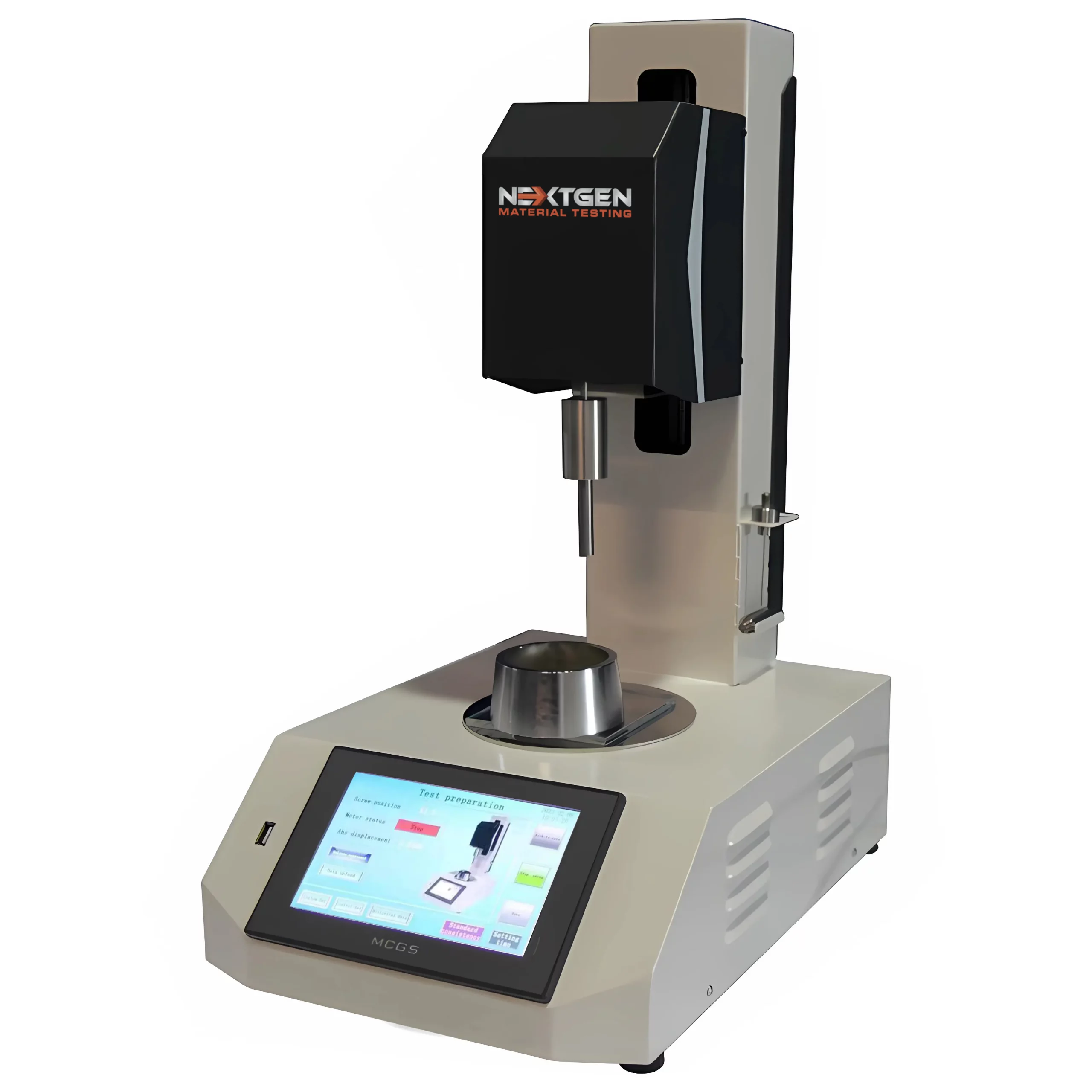
Automatic Vicat Apparatus
The Automatic Vicat Apparatus determines cement paste standard consistency and setting time with less operator intervention than a manual frame. It uses automated position calibration, position memory, frictionless needle drop, high-precision LVDT displacement measurement, touchscreen operation, and onboard storage for up to 200 test groups. Support for ASTM C187, ASTM C191, EN 196-3, and related methods makes it practical for cement QC labs.
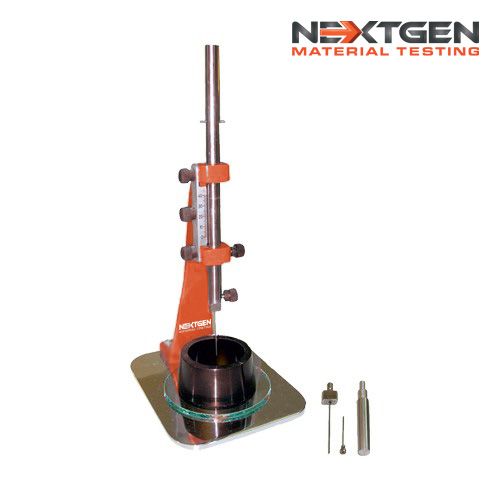
Manual Vicat Apparatus
The Manual Vicat Apparatus is used to determine cement and concrete setting time through controlled penetration of a needle or plunger into a prepared sample. Its metal frame, sliding rod, graduated scale, adjustable indicator, and 300 g test weight provide a straightforward setup for research, quality inspection, and compliance work. Optional EN or ASTM/AASHTO accessories support different laboratory requirements.