ISO 178 is an international test method for determining flexural properties of rigid and semi-rigid plastics using a bending test on a freely supported beam (commonly a three-point loading setup).
It is widely used to generate comparable flexural strength and flexural modulus data for material qualification, supplier comparison, and routine quality control when plastics are expected to see bending loads in service. If you need help matching specimen form, support spans, or deflection measurement to your product type, talk with our team.
ISO 178: Plastics — Determination of flexural properties
ISO 178 specifies a laboratory method for evaluating how rigid and semi-rigid plastics behave in bending under defined conditions. The standard defines a preferred specimen and allows alternative specimen sizes where appropriate, along with a range of test speeds.
The results are typically used for material testing and quality control. Because flexural properties can be sensitive to specimen geometry, processing history, and conditioning, it is important to follow the cited edition of ISO 178 closely when comparing data across suppliers, plants, or product revisions.
Quick Definition
What it is: A standardized three-point bending test method for rigid and semi-rigid plastics.
What it outputs: Flexural strength, flexural modulus, and other stress/strain relationship values from bending.
Core setup: A specimen supported as a beam and loaded at midspan (three-point loading).
What This Standard Covers
ISO 178 covers flexural testing of plastics where a bar-shaped specimen can be supported and loaded in bending. It applies to a freely supported beam loaded at midspan (three-point loading) for the standard method.
The scope includes common thermoplastics and thermosets (including filled and reinforced compounds) and plastic sheet products. The standard also notes important limitations: it is not normally intended for rigid cellular plastics or sandwich structures containing cellular material, and for certain fibre-reinforced plastic types a four-point bending approach is addressed in a different standard.
Why This Standard Matters in Testing
Flexural properties are often used as practical performance indicators for plastic parts that see bending-dominated loads (stiffness/deflection control, snap-fit behavior sensitivity, and comparative strength). ISO 178 provides a controlled way to generate repeatable flexural values so teams can set acceptance criteria, compare material grades, and monitor manufacturing consistency.
For purchasing and QC, ISO 178 is frequently referenced on datasheets and in supply agreements where flexural modulus and flexural strength serve as standardized benchmarks for incoming material verification.
Common Materials, Product Types, or Applications Covered
ISO 178 is commonly applied to rigid and semi-rigid plastic materials and products such as:
- Thermoplastic moulding materials (unfilled, filled, and short-fibre reinforced compounds)
- Thermosetting moulding materials (including filled and reinforced compounds)
- Rigid thermoplastic and thermosetting sheet products
- Specimens moulded to size, machined from multipurpose test specimens, or machined from finished/semi-finished products (e.g., mouldings or sheet)
Where materials are long-fibre reinforced (laminates or textile-fibre reinforced plastics), bending test selection may shift toward other referenced standards (including four-point bending methods) to better match the reinforcement architecture and intended use.
Common Test or Verification Workflow
A typical ISO 178 workflow in a plastics lab or QA environment includes preparing specimens to the standard’s preferred geometry (or an allowed alternative), conditioning them as required, then running a three-point bending test to record force and deflection (and, where applicable, strain).
Outputs are used to report flexural modulus and flexural strength, and to support comparison between lots, suppliers, processing conditions, or material formulations. When comparing results across different labs or time periods, keep specimen dimensions, support span settings, test speed, and conditioning consistent to avoid non-comparable data.
Equipment Commonly Used for This Standard
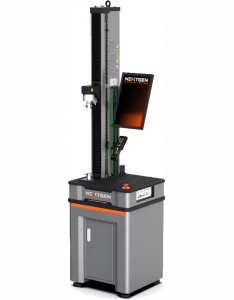
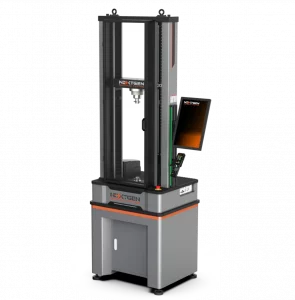
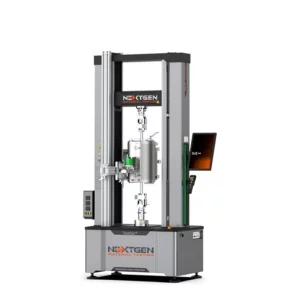
ISO 178 is typically performed on a universal testing machine configured for bending, with fixtures and instrumentation appropriate for plastics stiffness and deflection measurement needs.
Common equipment: Universal testing machine (electromechanical is common for plastics), appropriate load cell, three-point bend fixture (two supports and a loading nose), and a deflection measurement approach (crosshead displacement with appropriate correction or a dedicated deflectometer, depending on required accuracy).
Practical selection cautions: Flexural modulus results are sensitive to deflection measurement quality and system compliance. If you are specifying equipment for modulus-focused work (or for tighter inter-lab agreement), plan for higher-quality deflection measurement and a fixture designed to minimize play and alignment error.
If you are comparing frame capacity, fixture sizes, or deflection measurement options for ISO 178 work, you can request a detailed quote for a configuration matched to your specimen sizes and reporting needs.
How to Read This Designation or Revision
ISO standards are commonly cited with a year that identifies the edition, for example “ISO 178:2019”. The year matters because requirements can change between editions (for example, specimen options, conditioning references, or how results are determined and reported).
If your customer specification, datasheet, or contract calls out ISO 178 without an edition year, it is good practice to clarify which edition is required before finalizing a test plan or comparing results to legacy data.
Related Standards, Methods, or Frameworks
ISO 178 references or points users toward other standards in cases where material structure or product form changes the appropriate method choice or conditioning approach.
- ISO 14125: Flexural testing guidance for fibre-reinforced plastics where four-point bending may be used for certain textile-fibre-reinforced plastics.
- ISO 1209-1 / ISO 1209-2: Alternatives commonly referenced for rigid cellular plastics and related structures where ISO 178 is not normally suitable.
- ISO 291: Standard atmospheres for conditioning and testing plastics, often used to align conditioning and test environment expectations.
Get help selecting an ISO 178 flexural test setup
If you need to run ISO 178 for plastics qualification or production QC, we can help you choose a practical UTM and three-point bend fixture approach (including deflection measurement options) based on your material stiffness range, specimen format, and throughput targets. Share your requirements and request pricing for an ISO 178-capable configuration.