EN ISO 679 is a cement test method used to determine the compressive strength of cement mortar and, when required, flexural strength. It is widely used for strength benchmarking, product development, and routine QC checks where cement standards reference this method.
If you need help matching your lab setup to the exact edition cited in your project or product specification, talk with our team about your application and reporting needs.
EN ISO 679 Cement — Test methods — Determination of strength
EN ISO 679 specifies a reference approach for preparing cement mortar and determining strength, using ISO standard sand and a prescribed cement:sand:water proportion by mass. The method supports consistent, comparable results across labs when the same materials, equipment, and curing/testing conditions are used.
Document type: Test method.
Quick Definition
Determines compressive strength of cement mortar, with optional flexural strength, using a standardized mortar formulation and reference equipment/procedure for reproducibility.
What This Standard Covers
This standard defines a laboratory method to measure mortar strength made from cement, ISO standard sand, and water. It also describes reference equipment and a reference procedure, and it includes provisions used for validation testing of ISO standard sands and for validating alternative equipment and procedures.
It is intended for common cements and other cements/materials where the relevant product standard calls up this method, and it may be unsuitable for cement types with unusually rapid setting behavior.
Why This Standard Matters in Testing
Strength testing to EN ISO 679 is often used as a baseline for cement performance comparison because it tightly controls key variables (mortar constituents, preparation, curing, and loading). For QA/QC teams, it supports acceptance and trend monitoring. For R&D teams, it enables meaningful comparisons when evaluating changes in cement chemistry, fineness, or additive systems—provided the procedure is held constant.
Common Materials, Product Types, or Applications Covered
EN ISO 679 is primarily applied to:
- Common cement types evaluated through standardized mortar strength performance
- Cement and binder development programs that need a repeatable reference strength method
- Quality control programs where purchase specifications or cement standards cite this method
Common Test or Verification Workflow
Most laboratories implement EN ISO 679 as a controlled workflow rather than a single machine test.
Common workflows: Preparation of standardized mortar; molding of test specimens; curing under defined conditions; (optional) flexural strength test; compressive strength test; calculation and reporting of strength results at specified ages where required by the calling specification.
Practical note: Day-to-day repeatability is strongly influenced by specimen preparation consistency, curing environment control, and verification of loading performance on the strength testing frame.
Equipment Commonly Used for This Standard
EN ISO 679 typically points to a small set of cement-mortar preparation tools plus strength testing equipment sized for cement mortar specimens.
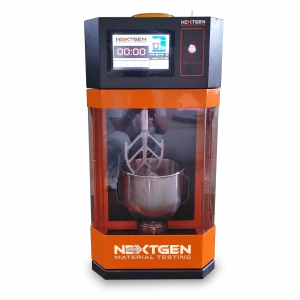
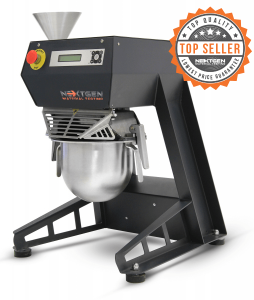
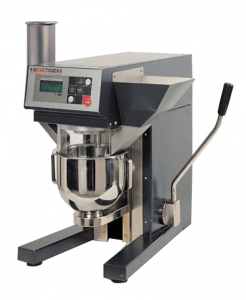
Common equipment: Cement mortar mixer; precision balance(s); standardized mortar molds; compaction/conditioning accessories as required by the procedure; curing cabinet/tank with controlled conditions; flexural strength fixture (when flexural testing is performed); compression testing machine or cement compression frame with suitable platens and force measurement/control; basic metrology tools for dimensional checks where required by the lab’s procedure.
Because the standard can be used to validate alternative equipment and procedures, equipment selection should focus on stability, control, and calibration practices consistent with reference-strength testing rather than maximum capacity.
If you are specifying a compression frame or flexural setup for routine EN ISO 679 strength work, you can request a detailed quote for an equipment package matched to your throughput and control requirements.
How to Read This Designation or Revision
Core designation: ISO 679 is the base standard number for “Cement — Test methods — Determination of strength.”
Edition/date sensitivity: Requirements and acceptance of alternative equipment/procedures can be edition-dependent. When a project specification cites “EN ISO 679” without a year, confirm which dated edition (or national adoption) governs your testing and reporting.
Related Standards, Methods, or Frameworks
Depending on region and the cement/product standard you are working to, EN ISO 679 may be used alongside other cement strength methods or companion cement test standards that define sampling, handling, or additional property testing. Align the full test plan with the calling specification so curing ages, reporting format, and acceptance criteria are consistent.
Talk to Us About EN ISO 679 Testing Equipment
If you are building or upgrading a cement strength testing workflow and want to align your compression frame, flexural fixture, and curing approach to the cited EN ISO 679 edition, contact our team with your throughput goals and the standard/designation as it appears in your QA plan or customer specification.