EN 196-1 is a cement testing standard that defines a laboratory method for determining the compressive strength of cement mortar and, optionally, the flexural strength.
It is commonly used to support cement compliance and acceptance testing where product specifications call up EN 196-1 results, and it also supports validation checks for standardized test sand and permitted alternative compaction approaches. If you need help aligning your lab setup to the edition cited in your project documents, you can talk with our team.
EN 196-1: Methods of testing cement – Part 1: Determination of strength
EN 196-1 is a test method focused on mechanical strength results generated from cement mortar specimens made and cured under defined laboratory conditions.
The standard is widely referenced by cement standards and project QA/QC plans because it provides a consistent basis for comparing cement strength performance between laboratories and over time.
Quick definition
Standard type: Test method.
Primary outputs: Compressive strength of cement mortar; flexural strength may be included when required.
Typical use: Conformity/acceptance testing where a cement or material specification requires EN 196-1 strength results.
What this standard covers
EN 196-1 describes a reference procedure to determine compressive strength and (optionally) flexural strength of cement mortar. It applies to common cements and to other cements or materials when their governing standards specify EN 196-1 as the required method.
The method may not be suitable for certain cement types (for example, materials with very short initial setting times), so applicability should be confirmed against the cement/material standard and the project requirement.
In addition to strength testing, the standard is also used in validation contexts related to the test sand and to alternative compaction equipment and procedures, with the reference procedure used for dispute resolution.
Why this standard matters in testing
Strength class and performance claims for cement are only meaningful when the test method is controlled. EN 196-1 standardizes the specimen production and testing approach so that results are comparable across plants, labs, and supply chains.
For buyers, QA/QC teams, and lab managers, EN 196-1 typically drives equipment requirements around mortar preparation, controlled curing, and mechanical testing capacity and repeatability.
Common materials, product types, or applications covered
EN 196-1 is primarily associated with cement and cementitious materials where the controlling product standard or technical specification calls for EN 196-1 strength determination.
Common contexts: Cement manufacturing quality control, incoming cement verification, third-party testing, and dispute testing using the reference procedure.
Common test or verification workflow
EN 196-1 is typically run as a repeatable lab workflow that includes mortar preparation, specimen production and curing, and mechanical strength testing.
Common workflow elements: Controlled mortar mixing, compaction using reference equipment (or validated alternative compaction equipment), defined storage/curing conditions, flexural strength testing when required, and compressive strength testing used for conformity assessment.
Equipment commonly used for this standard
Because EN 196-1 is built around a reference procedure and allows validated alternatives in certain cases, equipment selection should match the exact edition cited and the lab’s intended use (routine QC vs. acceptance/dispute testing).
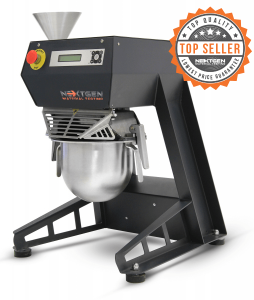
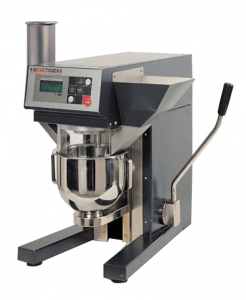
Common equipment families: Mortar mixer and mixing accessories, specimen molds and preparation tools, reference compaction equipment (or validated alternative compaction equipment), controlled curing/storage capability, a flexural strength fixture (when flexural strength is required), and a compression testing machine sized for cement mortar specimen testing.
If you are equipping a cement lab for routine EN 196-1 strength testing or upgrading an older setup to match a newer edition, you can request a detailed quote for a configuration matched to your throughput and testing scope.
How to read this designation or revision
EN 196-1 identifies the EN 196 series for cement test methods, with Part 1 covering strength determination.
When shown with a year (for example, EN 196-1:2016), the year indicates the referenced edition. Equipment, acceptance criteria, and whether alternative compaction options are acceptable can depend on the cited edition, so test reports and procurement documents should reference the same edition.
Related standards, methods, or frameworks
EN 196-1 is part of the EN 196 multi-part series for cement testing. In many cement testing programs, strength testing is coordinated alongside other EN 196 parts (for example, chemical analysis, setting time/soundness, and fineness) when the governing cement specification requires a full compliance package.
Talk to us about an EN 196-1-ready lab setup
If you need help selecting a compression system, flexural fixture, or compaction approach aligned to the EN 196-1 edition your customer or regulator cites, contact our team to review your workflow and equipment requirements.