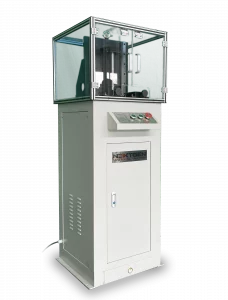
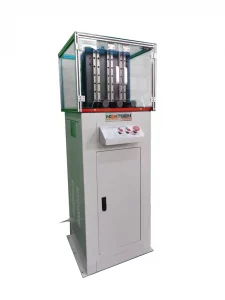
DIN 50115 is a German DIN standard associated with Charpy-style notched-bar impact testing of metallic materials when using specimen geometries and evaluation approaches beyond the common ISO Charpy test pieces.
It is most often encountered in legacy documentation, internal material qualification plans, and industry-specific test programs that still cite DIN 50115 for special specimen forms or additional result characterization. If you need help mapping an older requirement to today’s Charpy impact standards, talk with our team.
DIN 50115: Testing of metallic materials — notched-bar impact bending (special test pieces)
DIN 50115 is a document used alongside Charpy impact testing practice for metals, focused on cases where the test pieces are not the standard ISO Charpy specimen geometry and where additional evaluation may be required.
Because many purchasing documents cite DIN numbers by habit, it is important to confirm the exact edition and the intended specimen type before selecting fixtures, notch tooling, or conditioning equipment.
Quick Definition
DIN 50115 is a withdrawn DIN standard for notched-bar impact testing of metallic materials that addresses special specimen forms and related evaluation methods used with Charpy-type impact testing.
What This Standard Covers
DIN 50115 is centered on notched-bar impact bending tests (Charpy-type) for metallic materials, with emphasis on situations where non-ISO specimen forms are used.
Typical coverage areas: Special impact specimen geometries used in addition to standard Charpy specimens, and additional evaluation approaches that may be reported alongside absorbed energy (for example, fracture appearance characterization and lateral expansion style measurements when specified by the test plan).
DIN 50115 is not generally used as a standalone “impact test system specification.” It is usually cited to clarify specimen form and/or supplemental evaluation requirements within an overall Charpy impact testing program.
Why This Standard Matters in Testing
Impact testing is commonly used to compare toughness behavior (often across temperature) and to support acceptance decisions for metallic materials and welded products. When DIN 50115 is cited, it often signals that the customer expects a specific legacy specimen geometry or a specific way of documenting the fracture outcome beyond reporting impact energy alone.
Practical implication: Equipment capability is rarely the limiting factor—edition matching, specimen geometry, notch preparation, and the reporting package are usually what drives successful compliance.
Common Materials, Product Types, or Applications Covered
DIN 50115 applies to metallic materials evaluated by notched-bar impact bending. It may be encountered in programs involving steels and other structural metals where Charpy impact testing is used for toughness screening or verification.
Common situations where it appears: Legacy German material specifications, older drawing notes, weld procedure documentation, and long-running qualification plans that reference DIN-based specimen conventions.
Common Test or Verification Workflow
When DIN 50115 is called out, labs typically run a Charpy-type impact test workflow, with added attention to the specified specimen form and any supplemental evaluation requirements.
Common workflow steps:
- Confirm the cited DIN 50115 edition and the required specimen geometry (including notch style and tolerances if specified in the controlling document).
- Prepare specimens (machining and notching) and verify key dimensions before testing.
- Condition specimens to the required test temperature when temperature-dependent toughness is part of the requirement.
- Perform the impact test on a Charpy pendulum impact tester with the appropriate supports and striker configuration for the specimen type.
- Report absorbed energy and any required supplemental results (only if explicitly required by the purchase spec or test plan).
Equipment Commonly Used for This Standard
DIN 50115 is associated with standard Charpy impact testing equipment, plus tooling and measurement methods that support the specific (non-ISO) specimen geometry and any additional evaluation requirements.
Common equipment: Charpy pendulum impact tester (appropriate energy range), specimen supports/anvils and striker matched to the required configuration, specimen temperature conditioning (bath, chamber, or controlled cooling/heating method as required), and specimen preparation equipment (machining and notching tools appropriate to the notch type and geometry required by the controlling documentation).
Quoting tip: To avoid rework, impact testing quotes should identify the specimen type, notch type, conditioning temperature range, and whether any supplemental measurements (such as lateral expansion style measurement or fracture appearance documentation) are required. If you are equipping a lab or upgrading an older system, you can request a detailed quote for a Charpy impact setup matched to your specimen types and reporting needs.
How to Read This Designation or Revision
DIN standards are commonly cited with a date code (year-month). For example, DIN 50115 is commonly referenced as DIN 50115:1991-04.
Revision sensitivity: Setup details and reporting expectations can change with the cited edition, and DIN 50115 is also frequently referenced in legacy documentation even though it has been withdrawn and replaced by later Charpy impact standards. Always confirm the exact cited document and any linked requirements in the controlling specification.
Related Standards, Methods, or Frameworks when useful
DIN 50115 is commonly seen in the same discussion as Charpy impact standards that define the general test method for metallic materials.
Commonly associated references: DIN EN ISO 148-1 (Charpy impact test method for metallic materials) and legacy DIN EN 10045 series references that appear in older documents and lab procedures.
Get help matching DIN 50115 to your impact testing setup
If a customer specification or drawing note calls out DIN 50115 and you need to confirm the right specimen style, fixtures, conditioning approach, or reporting package, contact our team with the designation and the material/product context.