ASTM D790 is a standard test method for determining flexural (bending) properties of plastics and related electrical insulating materials using a three-point loading setup. It is widely used to generate flexural strength and flexural modulus values for material qualification, product comparison, and routine QA/QC.
If you need help matching span, fixture geometry, and deflection measurement to the material type and the edition cited on your drawing or spec, you can talk with our team about a D790-ready setup.
ASTM D790: Standard Test Methods for Flexural Properties of Unreinforced and Reinforced Plastics and Electrical Insulating Materials
ASTM D790 is written as a set of test methods (not a material specification). It focuses on flexural testing using a simply supported rectangular specimen loaded at midspan (three-point bending).
Because many plastics are sensitive to test speed, temperature, specimen dimensions, and how deflection is measured, D790 results are most meaningful when the full test conditions (and the exact standard year) are controlled and reported.
Quick Definition
Standard type: Test methods.
What it measures: Flexural properties (commonly flexural strength and flexural modulus) from a three-point bend test on rectangular specimens.
Typical use: Material comparison, incoming inspection, process control, and verifying properties against a purchasing or product requirement.
What This Standard Covers
ASTM D790 covers determination of flexural properties for unreinforced and reinforced plastics, including high-modulus composites, and for electrical insulating materials tested as rectangular bars. The specimen is supported on two supports and loaded with a loading nose at the midpoint (three-point loading).
The standard also recognizes that deflection can be measured using crosshead position or by using a deflectometer, and that the method used should be reported because it can influence the results.
Why This Standard Matters in Testing
Flexural testing is often chosen because it is efficient, uses straightforward fixturing, and can be a practical way to characterize stiffness and bending performance for rigid and semi-rigid materials. ASTM D790 is commonly cited in purchasing requirements because flexural properties can track formulation changes, reinforcement changes, and molding or processing variation.
D790 is also frequently used when a part is expected to experience bending in service (or when bending stiffness is a key functional requirement), even if final part geometry differs from the rectangular bar used for standardized testing.
Common Materials, Product Types, or Applications Covered
ASTM D790 is commonly applied to:
- Unreinforced thermoplastics and thermosets tested as molded or machined rectangular bars
- Reinforced plastics (including higher-stiffness composite materials) where a three-point bend method is appropriate
- Electrical insulating materials evaluated for bending performance and stiffness
- Sheet, plate, and extruded shapes that can be cut into solid, uniformly rectangular specimens
Common Test or Verification Workflow
A typical ASTM D790 workflow includes selecting (or preparing) rectangular specimens, conditioning and/or testing at specified environmental conditions when required by the job, and running a three-point bend test to produce a load–deflection response. Flexural properties are then calculated from the test data and reported with the associated test conditions.
Important workflow detail: Many organizations treat D790 as a “reporting discipline” as much as a bend test—span selection, support/loading nose geometry, and the deflection measurement approach are key variables that should be consistent with the controlling requirement and reported with results.
Equipment Commonly Used for This Standard
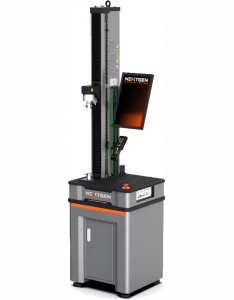
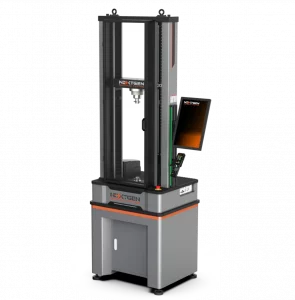
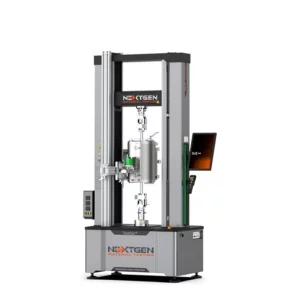
ASTM D790 is typically performed on a universal testing machine (UTM) configured for three-point bending. The fixture and instrumentation selection affects both the practicality of the setup and the credibility of deflection-based results.
Common equipment: Universal testing machine with appropriate load capacity, three-point bend fixture (supports and loading nose), and a deflection measurement approach (crosshead-based measurement and/or a dedicated deflectometer).
Practical buying/quoting caution: If your requirement is sensitive to modulus or small-strain performance, the deflection measurement method and the rigidity/alignment of the fixture become more important, and it is often worth specifying how deflection will be measured before selecting hardware.
How to Read This Designation or Revision
ASTM standards are commonly cited with a year suffix (for example, ASTM D790-25). The year matters because allowable options, calculation details, reporting expectations, and referenced documents can change across revisions.
Some citations also include an editorial suffix (for example, “e1”), which indicates an editorial change to the referenced year version. When comparing results across suppliers or sites, it is good practice to capture the complete designation exactly as cited in the controlling document.
Related Standards, Methods, or Frameworks when useful
ASTM D790 is a three-point bend method. For materials that do not rupture or yield within the strain limits associated with this approach, a four-point bending method may be more appropriate in some programs.
Common related reference: ASTM D6272 (four-point bending for flexural properties of plastics and electrical insulating materials).
International context: ISO 178 addresses the same general subject area as D790 but differs in technical details, so results should not be assumed interchangeable unless the full conditions are aligned.
Get help configuring a D790 flexural test setup
If you are specifying a new flexural fixture, deflection measurement approach, or UTM capacity for ASTM D790 work, you can request a detailed quote for a configuration matched to your specimen sizes, stiffness range, and reporting needs.