ASTM D6110 is a Charpy pendulum impact test method used to determine the impact resistance of notched plastic specimens under defined mounting and striker conditions. It reports the energy absorbed during fracture, normalized by specimen width.
This method is widely used for material comparison, QC checks, and verifying process or lot-to-lot consistency where notch quality and conditioning can strongly influence results. If you need help aligning specimen geometry, notch approach, and pendulum capacity to a cited edition, talk with our team.
ASTM D6110 — Standard Test Method for Determining the Charpy Impact Resistance of Notched Specimens of Plastics
ASTM D6110 describes a notched-beam, pendulum impact approach (Charpy configuration) for plastics. A standardized pendulum impacts a supported specimen and the test result is based on the energy extracted from the pendulum during fracture.
Document type: Test method.
Quick Definition
Charpy impact testing per ASTM D6110 measures the energy absorbed when a pendulum breaks a notched plastic specimen in a single strike, reporting impact resistance as energy absorbed per unit specimen width.
What This Standard Covers
This standard covers determination of plastics’ resistance to breakage by flexural shock using a pendulum impact machine. It requires a milled notch to create a stress concentration and drive a consistent fracture path.
The method is sensitive to specimen preparation and test conditions, so the cited material specification (if any) may override details such as specimen preparation, dimensions, conditioning, or other parameters.
Why This Standard Matters in Testing
Charpy impact data are commonly used to compare formulations, monitor production stability, and evaluate how processing or environmental conditioning changes a plastic’s impact behavior. Because results can shift with notch quality, specimen thickness/width, and conditioning, consistent preparation and a well-matched pendulum energy range are critical for meaningful comparisons.
This method also requires complete break of the specimen for standard reporting, which can influence pendulum selection (capacity) and striker/support setup.
Common Materials, Product Types, or Applications Covered
ASTM D6110 is used for rigid and semi-rigid plastics evaluated as standard test bars or specimens machined from molded parts or sheet/plate. It is often applied in plastics development and qualification programs where a notched impact metric is required for comparison.
Common use cases: Incoming material checks, lot release testing, comparative screening of formulations, and documenting the effect of processing or conditioning on impact resistance.
Common Test or Verification Workflow
A typical ASTM D6110 workflow includes preparing bars to the required geometry, milling the specified notch, conditioning specimens as required (often tied to plastics conditioning practices and any governing material specification), and then testing each specimen on a Charpy pendulum impact machine.
Results are commonly reported as absorbed energy normalized by specimen width, with attention to failure behavior and whether the specimen fully breaks in a single strike.
Equipment Commonly Used for This Standard
ASTM D6110 points to a pendulum impact (Charpy) test setup for plastics and the supporting tools needed to produce and verify the notched specimen geometry.
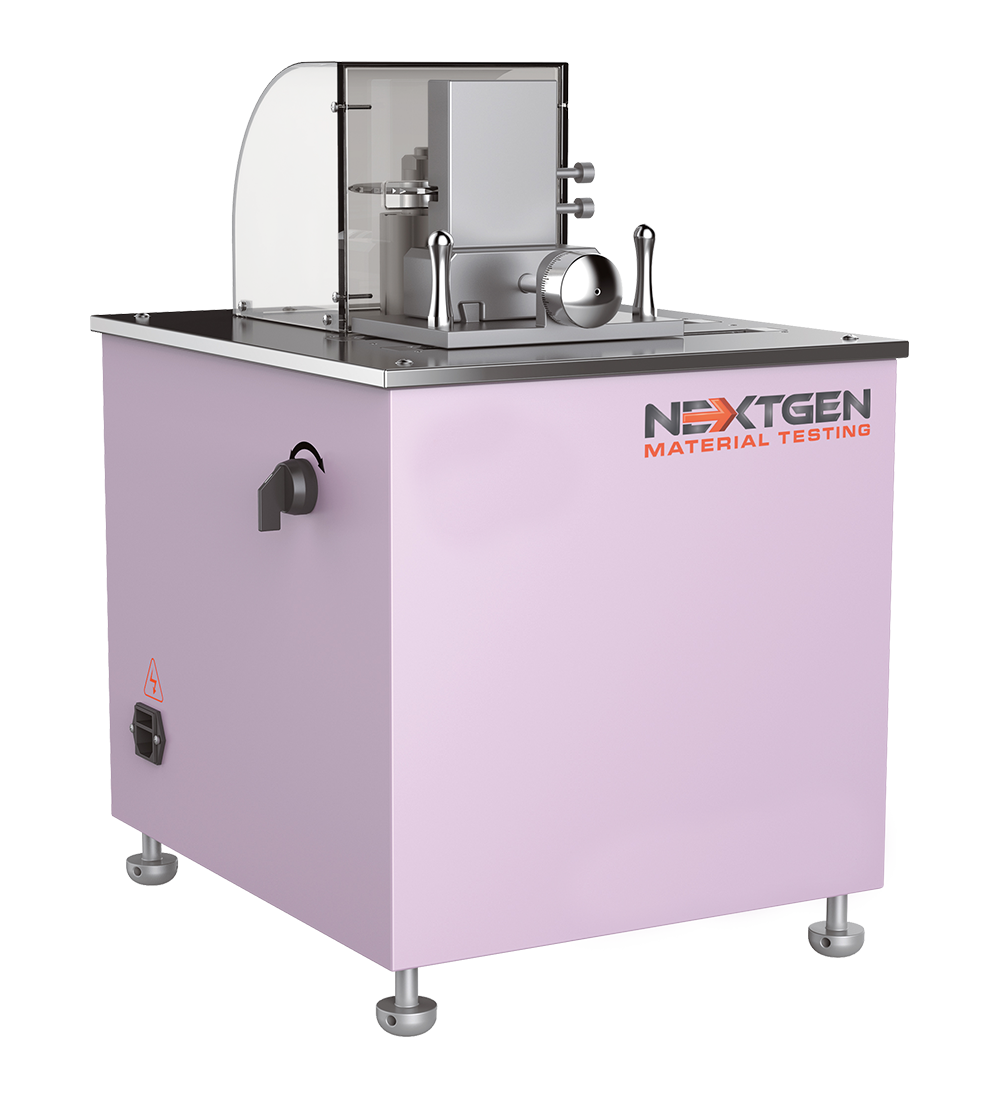
Common equipment: Pendulum impact tester configured for Charpy plastics testing (appropriate supports/anvils and striker), interchangeable pendulums or energy ranges to match material toughness, specimen notching equipment (milling/notching apparatus), and dimensional measurement tools used to verify specimen width and remaining ligament under the notch.
Selection tip: For quoting a system, the key choices usually come down to impact energy range (so the specimen fully breaks without saturating the scale), the Charpy fixture/support configuration, and the notching/measurement approach needed to keep notch geometry consistent across operators and labs. If you are comparing impact frames, pendulum capacities, or notching equipment, you can request a detailed quote for a configuration matched to your specimen size and throughput.
How to Read This Designation or Revision
Designation: “D6110” is the fixed ASTM standard number for this Charpy impact test method for notched plastic specimens.
Year suffix: A suffix such as “D6110-18” indicates the year of adoption or, if revised, the year of the last revision. Some citations may also include a year in parentheses for reapproval, and an editorial-change marker may appear in certain versions.
Revision sensitivity: Test setup, specimen details, and reporting expectations can vary by edition, so equipment configuration and procedures should be matched to the exact version called out on your drawing, purchase specification, or test plan.
Related Standards, Methods, or Frameworks
ASTM D6110 commonly appears alongside plastics standards that define conditioning, terminology, dimensional measurement, and interlaboratory precision practices used in impact testing programs.
-
ASTM D618: Conditioning plastics for testing (often used to define pre-test conditioning).
-
ASTM D883: Plastics terminology (useful for consistent reporting language).
-
ASTM D5947: Measuring physical dimensions of solid plastics specimens (commonly used for verifying specimen dimensions).
-
ASTM E691: Interlaboratory study practice for determining precision of a test method.
Talk to Us About ASTM D6110 Test Setup
If you need help selecting a Charpy pendulum impact system, confirming fixture compatibility, or choosing a notching and measurement approach that fits ASTM D6110 and your specimen dimensions, contact our team and share the exact edition and your material type.