ASTM D412 is a set of standard test methods for measuring tensile (tension) properties of vulcanized (thermoset) rubber and thermoplastic elastomers (TPE). It is commonly used to generate stress–strain data for material qualification, production QC, and supplier/customer conformance reporting.
The standard includes multiple specimen options (including dumbbell/straight specimens and cut ring specimens), and results can be sensitive to test conditions such as extension rate, temperature, humidity, specimen geometry, and conditioning. If you need help aligning your sample form and reporting requirements to the correct method and edition, you can talk with our team.
ASTM D412 — Standard Test Methods for Vulcanized Rubber and Thermoplastic Elastomers—Tension
ASTM D412 is a test-method document used to evaluate tensile properties of elastomeric materials under controlled conditions. It is widely referenced for rubber compounds and finished elastomer products where tensile strength, elongation behavior, or stress-at-a-stated-elongation are part of the acceptance criteria.
Because elastomers can be highly rate- and temperature-dependent, ASTM D412 is typically used as a comparative method (for example, lot-to-lot control or supplier comparisons) when test conditions are kept consistent.
Quick definition
Document type: Standard test methods.
What it measures: Tensile (tension) properties of vulcanized thermoset rubbers and thermoplastic elastomers using defined specimen types and controlled test conditions.
Common outputs: Stress–strain curve data and tensile metrics used for QC/acceptance and engineering comparison (exact required calculations and reporting are defined by the cited edition and any governing product specification).
What This Standard Covers
ASTM D412 covers procedures to evaluate tensile properties for elastomeric materials, with two primary approaches based on specimen form:
- Test Method A: Dumbbell and straight section specimens.
- Test Method B: Cut ring specimens.
The standard also notes that these different methods do not produce identical results, so method selection matters when comparing data or writing acceptance criteria.
ASTM D412 is not intended for hard, low-elongation materials such as ebonite-type materials.
Why This Standard Matters in Testing
In elastomer applications, tensile performance is often tied to functional requirements such as stretch, recovery, assembly strain tolerance, and resistance to tearing during handling. ASTM D412 provides a consistent framework to quantify tensile behavior so that material lots, formulations, or suppliers can be compared on a like-for-like basis.
Condition sensitivity: Tensile properties depend on both the material and the conditions of test (for example, extension rate, temperature, humidity, specimen geometry, and conditioning), so test parameters should be controlled and reported to support defensible comparisons.
Design caution: Tensile properties alone may not predict end-use performance for every product, especially where service conditions introduce additional stresses (compression, fatigue, environment, or multi-axial strain).
Common Materials, Product Types, or Applications Covered
ASTM D412 is commonly applied to vulcanized rubber compounds and thermoplastic elastomers used in products where tensile strength and elongation behavior are routinely specified.
Common examples: Elastomer sheets and molded parts, seals and gaskets, flexible boots and covers, rubber bands/loops, and other rubber or TPE components where tensile metrics appear on drawings, material specs, or supplier data sheets.
Common Test or Verification Workflow
ASTM D412 testing is typically run as part of incoming inspection, formulation validation, product qualification, or routine production quality control.
Common workflow: Select the applicable D412 test method (A or B) based on specimen form and governing requirements; prepare specimens using appropriate dies/cutting methods; condition specimens and control test environment as required; run tensile tests at the specified extension rate; and report tensile metrics and test conditions required by the cited edition and any controlling product specification.
Comparability tip: If you are benchmarking materials or auditing suppliers, keep the method (A vs B), specimen geometry, and key test conditions consistent across all data sets.
Equipment Commonly Used for This Standard
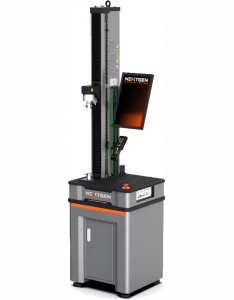
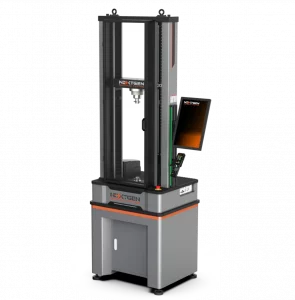
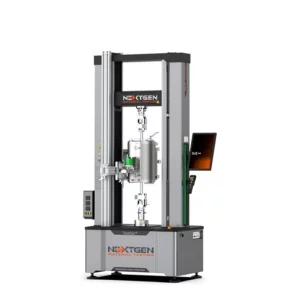
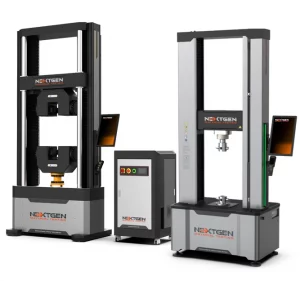
ASTM D412 typically points to a universal testing machine setup optimized for elastomers, with grips/fixtures that can hold rubber and TPE without excessive slip or premature grip breaks.
Common equipment: Universal testing machine (UTM) with suitable load capacity and speed control; elastomer-appropriate grips or fixtures (matched to flat or ring specimens); extensometry or strain measurement appropriate for high elongation; and specimen measuring tools for thickness and width.
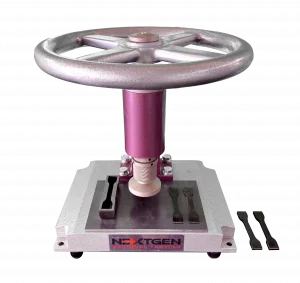
Common accessories: Cutting dies or specimen preparation tools for dumbbell/straight specimens, fixtures for cut-ring testing when Method B is required, and environmental conditioning capability when temperature and humidity control are required by the test plan.
If you are comparing machine frames, grips, or strain measurement options for elastomer tensile work, you can request a detailed quote for a configuration matched to your specimen type and expected elongation range.
How to Read This Designation or Revision
Core designation: “ASTM D412” identifies the standard and its scope (tensile test methods for vulcanized rubber and TPE).
Year / revision in citations: ASTM standards are commonly cited with a year (and sometimes additional parenthetical dates) that identify the specific edition in force for a project. Because equipment setup, method details, and reporting expectations can vary by edition, purchase orders and test plans should cite the full designation used by the customer or governing specification.
Units note: ASTM D412 includes SI and non-SI units, and each unit system is treated as separately normative; avoid mixing unit systems within one reported data set.
Related Standards, Methods, or Frameworks when useful
ASTM D412 is frequently used alongside product- or material-specific requirements that add acceptance limits, sampling plans, conditioning requirements, or additional mechanical tests. When a drawing or specification references D412, confirm whether it also calls out companion rubber tests (for example hardness, tear resistance, compression set, or aging) that may influence how specimens are prepared and conditioned for a complete qualification package.
Get help selecting a D412-ready tensile setup
If you share your specimen type (dumbbell/straight vs cut ring), approximate thickness, expected elongation, and whether you need controlled temperature/humidity testing, we can recommend a practical equipment configuration and accessory package. For equipment selection and pricing, you can ask for a quote.