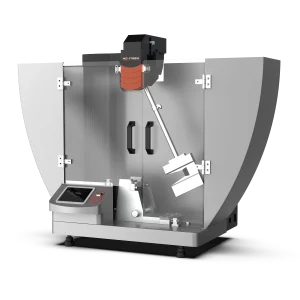
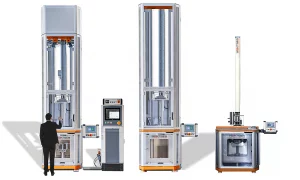
ASTM D256 is a set of test methods used to measure the Izod pendulum impact resistance of plastics using standardized pendulum hammers, standardized machines, and standardized specimens.
It is widely used for material qualification and quality control where impact toughness and notch sensitivity matter for molded parts, sheet, and other plastic product forms. If you need help matching an internal or customer requirement to the correct D256 edition and setup, talk with our team.
ASTM D256 — Standard Test Methods for Determining the Izod Pendulum Impact Resistance of Plastics
ASTM D256 focuses on pendulum impact energy absorbed when a clamped plastic specimen is struck and broken in a single swing. The results are commonly reported as energy absorbed per unit specimen width, or per unit area under the notch, depending on the method and reporting convention used.
Quick Definition
In practical terms: ASTM D256 is the “Izod impact” plastics standard used to compare how different plastics (or different processing conditions of the same plastic) resist sudden impact, especially when a notch or stress concentrator is present.
What This Standard Covers
ASTM D256 describes pendulum impact testing of plastics using standardized equipment and standardized specimens, typically with a milled notch. It addresses both the test configuration and important interpretation cautions for comparing results across materials, specimen dimensions, and machine types.
Included test methods (within ASTM D256): The standard lists multiple Izod cantilever-beam procedures, including a general cantilever beam method and a method intended for materials with low Izod impact resistance.
Key outcome: Impact resistance values derived from the energy lost by the pendulum during fracture of the specimen.
Why This Standard Matters in Testing
Izod impact results are frequently used to support plastics material selection, compare resin grades, validate processing changes, and document compliance to material or product specifications. For many plastics, the notch condition and specimen width can strongly influence whether the behavior appears “brittle” or “ductile,” so consistent specimen preparation and consistent reporting are critical for meaningful comparisons.
ASTM D256 is also commonly referenced as a procurement or QA/QC requirement because it provides a standardized, repeatable method for tracking impact performance over time and across production lots.
Common Materials, Product Types, or Applications Covered
ASTM D256 is used broadly across rigid plastics and plastic compounds where impact toughness is a design or acceptance attribute.
Common examples: Injection-molded plastics, extruded plastics, molded plaques for materials testing, and plastics used in housings, covers, guards, consumer products, and industrial components where sudden impact or drop events are a concern.
Common Test or Verification Workflow
Most labs run ASTM D256 as a comparative impact test under controlled specimen preparation and conditioning practices.
- Prepare specimens to the required geometry and permitted width range (often from molded plaques or machined stock).
- Mill the specified notch (when required by the chosen method) using an appropriate notching device and tooling.
- Condition specimens as required by the applicable material or product specification (or use the standard’s defaults when no other requirement controls).
- Select a pendulum (energy capacity) appropriate for the material so breaks occur in a meaningful range and within the standard’s expectations.
- Run the Izod impact test with the specimen clamped in the Izod fixture and record absorbed energy and the observed failure category.
- Report results in the required units and format, along with key parameters that materially affect comparability (such as specimen width and conditioning when applicable).
Equipment Commonly Used for This Standard
ASTM D256 is primarily an equipment-driven standard: the impact tester configuration, pendulum selection, striker geometry, and specimen support/clamping are central to getting usable data.
Common equipment: Pendulum impact tester configured for Izod testing, Izod specimen vise/fixture (cantilever-beam configuration), appropriate pendulum(s) and striker(s), and the tester’s energy measurement/readout system (manual or digital, depending on the instrument design).
Common supporting tools: Specimen notching device (milling/notching), dimensional measurement tools for specimen width/thickness, and conditioning equipment when temperature/humidity control is required by the controlling specification.
If you are comparing impact tester capacities, pendulum sets, notching options, or chamber integration for your workflow, you can request a detailed quote for an ASTM D256-capable configuration.
How to Read This Designation or Revision
Designation format: ASTM D256 followed by a dash and a two-digit year identifies a specific published edition (for example, ASTM D256-26).
Why the year matters: Equipment verification expectations, reporting details, and method details can change between revisions, and many customer specifications require testing to a particular cited year. Always align your setup and reporting to the exact edition called out in your purchase order, drawing note, or material specification.
Related Standards, Methods, or Frameworks
Depending on how impact performance is specified for your program, ASTM D256 is often evaluated alongside other plastics impact methods.
- ASTM D6110 — Charpy impact resistance of notched specimens of plastics (a different support configuration than Izod).
- ASTM D4812 — unnotched cantilever beam impact resistance of plastics (commonly used when a notch is not desired).
- ISO 180 — an Izod impact standard that is often cited internationally; results and procedures are not automatically interchangeable with ASTM D256.
Get help selecting an ASTM D256 test setup
When you need an Izod impact tester configured to the right energy range, fixture style, and specimen-prep approach for your plastics program, ask for a quote and include the material type, thickness/width range, and the ASTM D256 edition you need to run.