ISO 8256 is an international test method for determining the tensile-impact strength of plastics using high strain-rate tensile loading under defined conditions. It is commonly used to characterize toughness vs. brittleness when a tensile-style impact response is more meaningful than a traditional pendulum impact result.
This standard is often applied to rigid plastics, and it can be especially helpful for plastics that are too flexible or too thin for some common Charpy or Izod-style impact methods. If you need help aligning specimen type, method selection, and the right instrument configuration for your material, contact our team.
ISO 8256: Plastics — Determination of tensile-impact strength
ISO 8256 describes standardized tensile-impact testing approaches used to measure how plastic specimens behave when loaded in tension at impact-like velocities. The result is used to compare materials, monitor processing changes, and support quality control programs where impact performance is important.
This document is designed to generate repeatable, comparable results under controlled conditions. It is not a substitute for product or component design validation, where geometry, stress concentrators, and service environment can change impact performance significantly.
Quick definition
ISO 8256 is a plastics tensile-impact test method that specifies two test approaches (Method A and Method B) for determining tensile-impact strength by running a tensile test at relatively high strain rates and evaluating the impact response under defined conditions.
What This Standard Covers
ISO 8256 focuses on tensile-impact behavior measured on standardized specimens at specified impact velocities. It provides a framework for running the test in a controlled way so results can be compared between materials, lots, or process conditions.
Key scope points: The standard defines two methods (A and B), supports testing of moulding materials and specimens taken from finished or semi-finished products, and highlights that results can be sensitive to specimen dimensions and how the specimen is produced or machined.
Why This Standard Matters in Testing
Tensile-impact strength is often used to distinguish “tough” vs. “brittle” behavior when plastics are subjected to rapid loading. ISO 8256 is commonly used in material qualification, comparative evaluations, and production/quality control where a consistent impact-like tensile response is needed.
The standard also makes an important practical point: results from different specimen sizes or different specimen preparation routes (moulded vs. machined/cut from a product) are not automatically interchangeable. For procurement and QA/QC reporting, the exact specimen type and method selection should match the cited requirement.
Common Materials, Product Types, or Applications Covered
ISO 8256 is used for plastics where impact performance is a concern and a tensile-style impact evaluation is desired.
Common materials and forms: Rigid plastics (as defined in ISO plastics terminology), flexible or thin plastics that are difficult to evaluate with some traditional pendulum impact methods, moulded test specimens, and specimens taken from mouldings, laminates, and extruded or cast sheet.
Common Test or Verification Workflow
Most labs use ISO 8256 as part of a comparative testing workflow: the same material is tested across lots, suppliers, process conditions, or temperatures to understand changes in impact performance in a controlled tensile-impact format.
Common workflows: Method selection (A or B) based on the cited requirement, specimen preparation from moulding material or from product, conditioning (when required by the test plan), tensile-impact testing at defined impact velocity, and reporting the tensile-impact strength result alongside the chosen method, specimen details, and test conditions.
Equipment Commonly Used for This Standard
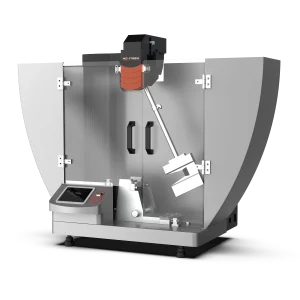
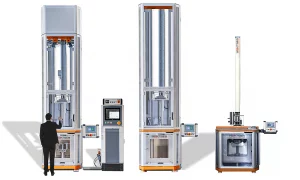
ISO 8256 testing is typically performed on a tensile-impact testing system designed to apply a rapid tensile load and capture the impact response under the method’s requirements. Because the standard includes more than one method, equipment configuration should be selected to match the specific method and specimen style referenced in a customer or internal test plan.
Common equipment: Tensile-impact tester (instrumented system suitable for the required impact velocity range), appropriate specimen grips/fixture for tensile-impact loading, specimen preparation tools (cutting/machining or moulding capability depending on specimen source), and temperature conditioning equipment when testing is performed at controlled temperatures.
If you are specifying a new tensile-impact system or updating an existing setup for ISO 8256 reporting, you can request a detailed quote for a configuration matched to your specimen type and throughput.
How to Read This Designation or Revision
ISO standards are commonly cited with a year that identifies the published edition (for example, ISO 8256:2023). The year matters because method details, definitions, and reporting expectations can change between editions.
Revision sensitivity: ISO 8256 has been published in multiple editions; procurement documents and material datasheets may reference older editions. When you are comparing results or writing a test requirement, align on the exact cited edition and whether the requirement calls for Method A or Method B.
Related Standards, Methods, or Frameworks
ISO 8256 is often used alongside other plastics impact and definitions standards, depending on how a lab organizes its materials test plan and how a specification is written.
Common related references: ISO 179 series and ISO 180 for other plastics impact methods, and ISO 472 for plastics terminology and definitions used when describing material rigidity and related terms.
Talk to our team about ISO 8256 testing
If you need to match an ISO 8256 requirement to the right test method, specimen approach, or equipment package, talk with our team about your material, thickness range, and reporting needs.