ISO 6892-2 is an ISO tensile test method for metallic materials when the test temperature is higher than room temperature. It is used when material strength and ductility need to be characterized under service-relevant heat exposure.
Because elevated-temperature tensile testing depends heavily on temperature measurement, soak control, and strain measurement approach, setup details can change between labs and between product specifications. If you need help aligning your test setup to a cited edition, talk with our team about your temperature range, specimen geometry, and measurement requirements.
ISO 6892-2 — Metallic materials — Tensile testing — Part 2: Method of test at elevated temperature
ISO 6892-2 provides a standardized approach for running uniaxial tensile tests on metallic materials at temperatures above room temperature. It is commonly used to generate comparable tensile property data when temperature effects are a key part of the engineering requirement.
This document is a test method (not a material specification). Material acceptance criteria typically come from a separate product specification, code, or purchase requirement that cites ISO 6892-2 for the test procedure.
Quick definition
What it is: A tensile testing method for metallic materials performed at elevated temperature.
What it helps determine: Tensile behavior and reportable strength/ductility-type results at a specified temperature (the exact reportables depend on the test program and what the purchasing/specification document requires).
What drives equipment choices: Temperature capability, temperature uniformity at the gauge length, strain measurement at temperature, and grip/furnace integration on a universal testing machine.
What this standard covers
ISO 6892-2 addresses how to conduct a tensile test on metallic materials when the specimen is heated above room temperature. In practice, this means controlling and verifying the test temperature, conditioning (soak) at temperature, and measuring force and extension/strain while the specimen is inside a furnace or high-temperature chamber.
The standard is typically applied to qualify or characterize metals and alloys intended for elevated-temperature service, where room-temperature tensile results alone are not sufficient.
Why this standard matters in testing
At elevated temperature, metals can show significantly different tensile response compared with room temperature. ISO 6892-2 gives a common framework so results from different labs and different programs are more comparable when the same temperature and method expectations are used.
For many organizations, the biggest practical risks are not the load frame itself, but temperature-related variables (temperature measurement location, uniformity, and stabilization) and how strain is measured in a hot zone. These details often drive whether results are acceptable for a customer, audit, or qualification program.
Common materials, product types, or applications covered
ISO 6892-2 is used across metallic materials where tensile properties are needed above room temperature. Common examples include:
- High-temperature steels and stainless steels
- Nickel-based and cobalt-based alloys used in hot environments
- Heat-resistant cast or wrought alloys used in furnaces, power generation, and high-temperature process equipment
- Qualification or comparison testing for materials intended for elevated-temperature service
Specific specimen types, acceptance criteria, and test temperatures are usually defined by the governing product specification, engineering standard, or procurement document that cites ISO 6892-2.
Common test or verification workflow
Elevated-temperature tensile programs commonly follow a workflow like:
- Select the required temperature(s) and test conditions from the governing specification or customer requirement.
- Prepare specimens to the required geometry and mark/define the gauge length per the applicable tensile program.
- Install the specimen in high-temperature grips and bring the furnace/chamber to temperature.
- Stabilize the specimen at temperature (soak) and verify temperature at the required measurement point(s).
- Run the tensile test while recording force and extension/strain using a suitable high-temperature measurement approach.
- Report results and the key test conditions (test temperature, measurement method, and any required machine/instrumentation details).
Because temperature control is central to data quality, many labs treat furnace tuning, thermocouple placement, and soak practices as controlled procedures tied to the cited edition and the purchasing requirement.
Equipment commonly used for this standard
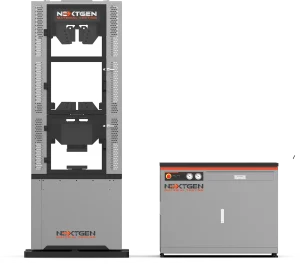
ISO 6892-2 testing is typically performed on a universal testing machine configured for elevated-temperature work. Common equipment elements include:
- Universal testing machine (UTM): Servo-hydraulic or electromechanical frame sized for the required force range and specimen type.
- High-temperature furnace or chamber: Integrated or stand-alone furnace sized for the specimen and grips, with appropriate temperature controller capability.
- Grips and pull rods: High-temperature tensile grips (often with cooling provisions where needed) and alignment-appropriate load train components.
- Temperature measurement: Thermocouples and associated instrumentation suitable for the temperature range and the lab’s control/verification practice.
- Strain/extension measurement: A high-temperature extensometer or a non-contact strain measurement approach designed for operation in or near the hot zone.
- Test software and data acquisition: Control and recording of force, extension/strain, and temperature-related channels as required by the test plan.
Equipment selection is usually driven by (1) required temperature range, (2) whether strain must be measured directly on the gauge length at temperature, and (3) specimen geometry and grip style. If you are comparing furnace sizes, grip options, and strain measurement packages, you can request a detailed quote for a configuration matched to your target temperature range and force capacity.
How to read this designation or revision
Designation: ISO 6892-2 identifies Part 2 of the ISO 6892 tensile testing series (the elevated-temperature method). When a year is included (for example, ISO 6892-2:2018), it refers to a specific published edition.
Revision sensitivity: Elevated-temperature tensile results can be sensitive to edition-specific expectations for temperature control, measurement, and reporting. For contractual or compliance work, match the exact edition cited in the controlling specification or purchase order.
Related standards, methods, or frameworks
ISO 6892-2 is part of a broader tensile testing framework for metallic materials. Depending on your testing scope, related documents commonly used alongside ISO 6892-2 include:
- ISO 6892-1 for tensile testing at room temperature
- ISO 6892-3 for tensile testing at low temperature
- Calibration/verification standards that support force and strain measurement quality in uniaxial testing programs
Discuss your ISO 6892-2 testing setup
If you need help selecting a load frame, furnace, grips, and strain measurement approach for ISO 6892-2—especially when you have a defined temperature range and specimen type—contact our team to review your application and quoting requirements.