EN 480-1 defines how to prepare reference concrete and reference mortar used when evaluating the performance and compatibility of admixtures used in concrete, mortar, and grout.
It is commonly used by admixture manufacturers, independent test labs, and QA/QC teams to standardize mix ingredients and mixing procedure so that results from downstream EN 480 test methods can be compared on a consistent basis. If you need help aligning your lab’s reference mixes with a cited edition, contact our team.
EN 480-1: Admixtures for concrete, mortar and grout — Test methods — Part 1: Reference concrete and reference mortar for testing
EN 480-1 is a test-methods support document: it focuses on defining the reference materials and preparation approach for making a reference concrete and a reference mortar used during admixture testing programs.
Because many admixture evaluations depend heavily on the base mix design and mixing procedure, EN 480-1 is often treated as a “foundation” step that labs apply before running other EN 480 parts that measure specific properties.
Quick Definition
EN 480-1 specifies the constituents, composition, and mixing procedure for preparing reference concrete and reference mortar used to test admixtures for effectiveness and compatibility within the EN 934 admixtures framework.
What This Standard Covers
EN 480-1 addresses how reference mixes are made and controlled so that admixture test results are meaningful and repeatable.
- Defines reference constituent materials used to prepare the reference concrete and reference mortar.
- Defines the reference mix composition(s) used for testing programs.
- Defines a mixing procedure for preparing the reference concrete and the reference mortar.
- Supports testing of admixture effectiveness and admixture compatibility as used within the EN 934 series.
Why This Standard Matters in Testing
Admixture performance is highly sensitive to the base cementitious system, aggregate characteristics, water content, and mixing energy/time. Without a defined reference mixture, results from setting time, bleeding, absorption, air-void characterization, or other property-focused methods can become difficult to compare between labs, projects, or product batches.
Using EN 480-1 helps teams separate “mix variability” from “admixture effect,” which is particularly important for product development, incoming QC, and qualification programs where repeatability and traceability matter.
Common Materials, Product Types, or Applications Covered
EN 480-1 is used in admixture testing programs across many cement-based construction products where admixtures are evaluated against a controlled reference mix.
- Concrete admixtures evaluated in standardized laboratory reference concrete.
- Mortar admixtures evaluated in standardized laboratory reference mortar.
- Testing programs supporting conformity and performance evaluation activities associated with EN 934-series admixture requirements.
Common Test or Verification Workflow
EN 480-1 typically sits at the front of an admixture test plan and defines how the baseline mixes are produced before property measurements are performed under other methods.
Typical workflow: Select and condition the defined reference constituents → batch and mix the reference concrete and/or reference mortar using the specified procedure → introduce the admixture dosage(s) as required by the broader test plan → run the relevant EN 480 property test methods using the prepared mixes → document the mix preparation and test conditions in reporting.
Equipment Commonly Used for This Standard
EN 480-1 itself is primarily about reference-mix preparation, so equipment selection is focused on controlled batching, mixing, and basic fresh-mixture handling. The exact test instruments used afterward depend on which EN 480 property method(s) are being performed.
- Batching and measurement: calibrated balances/scales, water dosing/measurement tools, temperature measurement where required by the lab procedure.
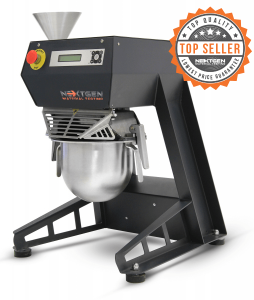
- Mixing: laboratory concrete mixer and/or laboratory mortar mixer suitable for repeatable mixing energy and timing.
- Sample handling: containers, tools for transferring and splitting fresh mixes, and any ancillary equipment needed to support the downstream EN 480 test(s).
If you are configuring a mixer and measurement package to support EN 480-1 and the downstream EN 480 property methods you run most often, you can request a detailed quote matched to your throughput and reporting needs.
How to Read This Designation or Revision
“EN 480-1” identifies Part 1 within the EN 480 test methods series for admixtures for concrete, mortar, and grout.
In procurement documents and test reports, the standard may be cited with a publication year (for example, EN 480-1:2023). National adoptions may include national prefixes and dating formats (for example, DIN EN 480-1:2023-12).
Revision sensitivity: Reference mix constituents and mixing procedure details can change between editions; align your test plan, documentation, and any inter-lab comparisons to the exact cited edition.
Related Standards, Methods, or Frameworks
EN 480-1 is commonly used alongside other EN 480 parts that measure specific performance characteristics, and within admixture evaluation programs connected to the EN 934 series.
| Reference | How it is commonly used with EN 480-1 |
|---|---|
| EN 934 series | Framework for admixture definitions/requirements where reference-mix testing supports effectiveness and compatibility evaluation. |
| EN 480 series (other parts) | Property-focused test methods that often rely on reference mixes prepared in accordance with EN 480-1. |
Talk with our team about an EN 480-1 test setup
If you are building or upgrading an admixture testing workflow around reference concrete and reference mortar preparation, talk with our team about mixer sizing, batching controls, and the supporting instruments needed for the EN 480 methods you run.