EN 413-2 is a European test-methods standard used for laboratory testing of masonry cement in mortar form. It focuses on fresh-mortar properties used to assess conformity with EN 413-1.
It is commonly used by cement producers, QA/QC laboratories, and construction-material suppliers who need consistent, repeatable checks on mortar workability and performance-related fresh properties. If you need help matching your lab setup to the cited edition, talk with our team.
EN 413-2: Masonry cement — Part 2: Test methods
EN 413-2 describes reference and alternative methods used to test masonry cements for conformity with EN 413-1. The test program centers on preparing a standard mortar and measuring key fresh-mortar properties that affect practical use in masonry and rendering/plastering mortars.
This standard is typically applied in factory production control (FPC), incoming-material verification, and product qualification where a consistent mortar preparation and measurement approach is required.
Quick definition
EN 413-2 is a laboratory test-methods standard for masonry cement that specifies how to prepare a standard mortar and determine fresh-mortar consistence (workability), water retention, and air content, using defined reference and alternative methods.
What this standard covers
EN 413-2 provides test methods used to evaluate masonry cement performance in mortar. It includes requirements for laboratory conditions and establishes how results are obtained using defined apparatus and procedures.
Covered property measurements (fresh mortar): Consistence (reference plunger method and an alternative flow-table approach), water retention, and air content (with a reference pressure method and an alternative method).
Related cement tests included in the workflow: Setting time is addressed using two methods, with a designated reference method and an alternative method aligned with EN cement test practices.
Why this standard matters in testing
Masonry cement is selected to deliver workable mortars for bedding masonry units and for rendering/plastering. EN 413-2 focuses on fresh-mortar properties that strongly influence how the mortar mixes, spreads, retains water on absorbent substrates, and achieves a controlled air content.
For buyers and lab managers, the practical value is consistency: the same mortar preparation and test approach supports meaningful comparisons between batches, suppliers, and declared performance targets under EN 413-1.
Common materials, product types, or applications covered
EN 413-2 applies to masonry cement evaluated in mortar form, with use cases that commonly include:
- Mortars for bedding masonry units (brick, block, and other masonry units)
- Rendering and plastering mortars where workability and water retention are important
- Quality control of masonry cement intended for site-mixed or factory-prepared mortar applications
Common test or verification workflow
EN 413-2 is typically run as a fresh-mortar lab sequence tied to EN 413-1 conformity assessment.
Common workflow: Prepare standard mortar to the required consistence, then measure consistence/workability, water retention, and air content using the reference methods (or approved alternative methods where permitted). Where a reference method is specified, it is used for dispute resolution.
Practical caution: Alternative methods may require calibration or correlation against the reference method for the product type being tested, so test planning and equipment selection should reflect whether you must report reference-method results.
Equipment commonly used for this standard
EN 413-2 is equipment-oriented around mortar preparation and fresh-property measurement. Typical lab equipment categories include:
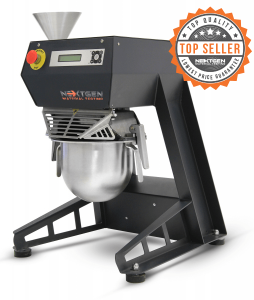
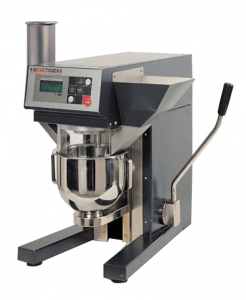
Mortar preparation: Standard mortar mixer and accessories aligned with EN cement mortar preparation practices.
Consistence/workability: Plunger apparatus (reference method) and, where used, a flow table setup (alternative method with established equivalence to the reference target).
Water retention: Water-retention test setup (including the specified filtration/gauze components referenced by the standard’s method).
Air content: Air-content apparatus suitable for the reference pressure method, plus accessories for alternative measurement approaches where applicable.
If you are comparing configurations for mortar preparation and fresh-mortar measurement (including calibration needs for alternative methods), you can request a detailed quote for a system package aligned to your EN 413-2 workflow.
How to read this designation or revision
EN 413 identifies the European standard series for masonry cement.
Part 2 (-2) indicates the test-methods document within the EN 413 series (with Part 1 covering composition/specifications and conformity criteria).
Edition year (for example, EN 413-2:2016) identifies the published edition. Test apparatus, normative references, and precision statements can change between editions, so purchase specifications and lab procedures should reference the exact year cited by your contract or regulatory framework.
Related standards, methods, or frameworks
EN 413-2 is commonly used alongside the following documents because it supports EN 413-1 conformity assessment and references established EN cement and lime test practices:
- EN 413-1 (masonry cement: composition, specifications, and conformity criteria)
- EN 196-1 (cement test methods: strength and standard mortar preparation practices)
- EN 196-3 (cement test methods: setting time and soundness approach referenced as an alternative method)
- EN 459-2 (building lime: includes the flow table method referenced for the alternative consistence approach)
Discuss EN 413-2 testing equipment and lab setup
If you need help selecting mortar preparation equipment, fresh-mortar test apparatus, or confirming whether your lab should report reference-method results for EN 413-2, contact our team to discuss your application and the edition you are working to.