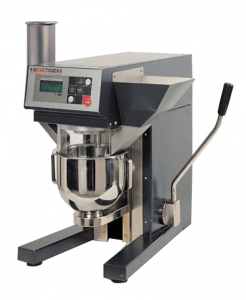
EN 196-3 is part of the EN 196 cement testing series and describes laboratory methods used to determine standard consistency, initial and final setting times, and cement soundness (volume stability).
It is commonly used by cement manufacturers, independent test labs, and QA/QC teams to support product conformity checks and to control day-to-day production variability. If you need help matching the standard to your cement type, apparatus style, or reporting requirements, talk with our team.
EN 196-3: Methods of testing cement — Part 3: Determination of setting times and soundness
EN 196-3 defines reference laboratory procedures for evaluating how cement paste stiffens over time (setting behavior) and whether it remains dimensionally stable during setting and early hardening (soundness).
The standard is frequently cited by cement specifications and procurement documents when setting time limits and soundness acceptance criteria must be supported by a consistent, repeatable laboratory method.
Quick definition
Document type: Test method / laboratory test procedure (methods of testing cement).
What it measures: Standard consistency (water demand for a reference paste), initial and final setting times, and soundness (volume stability) of cement.
Typical outputs: Standard consistency value, initial setting time, final setting time, and a soundness result based on the referenced soundness apparatus/procedure.
What this standard covers
EN 196-3 focuses on cement paste tests used to characterize:
- Standard consistency: a reference paste consistency used as the basis for setting time determinations.
- Setting times: laboratory determination of initial and final set using the referenced penetration approach and timing rules defined by the standard.
- Soundness: a volume stability check intended to identify abnormal expansion behavior under the specified test conditions.
The standard describes reference methods and permits certain alternative procedures and equipment (as indicated within the document) when they have been calibrated against the reference methods; for dispute resolution, the reference procedure is used.
Why this standard matters in testing
Setting time and soundness are practical, high-impact cement properties for both manufacturing control and construction performance. Setting behavior affects workability windows, finishing operations, and early strength development planning, while soundness helps reduce the risk of undesirable expansion that can contribute to cracking and durability issues.
Because EN 196-3 is widely referenced by cement specifications and purchasing requirements, using the correct apparatus configuration and controlled lab environment is important for comparable results across plants, projects, and third-party labs.
Common materials, product types, or applications covered
EN 196-3 is primarily applied to common cements and to other cements or cementitious materials when their governing product standards call up EN 196-3 for setting time and soundness verification.
It is most often used in:
- Cement manufacturing QC: routine release testing and process control trending.
- Incoming material qualification: acceptance testing of cement deliveries for ready-mix, precast, or site batching.
- R&D and troubleshooting: evaluating how formulation changes and additives influence set and volume stability.
Common test or verification workflow
A typical EN 196-3 aligned workflow includes:
- Preparing cement paste using the standard’s specified approach and laboratory environmental controls.
- Determining the standard consistency used for subsequent setting-time measurements.
- Measuring initial and final setting time using the referenced penetration apparatus approach and time rules.
- Running the soundness determination using the referenced soundness apparatus/procedure and recording the required result.
Revision sensitivity: Timing rules, permitted alternatives, and apparatus details can vary by edition; quotes, procedures, and reports should match the exact EN 196-3 edition cited in your contract or product standard.
Equipment commonly used for this standard
EN 196-3 is equipment-oriented and typically points labs toward purpose-built cement physical test apparatus and controlled environmental conditions.
| Test area | Common equipment families |
|---|---|
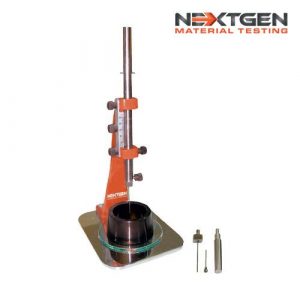
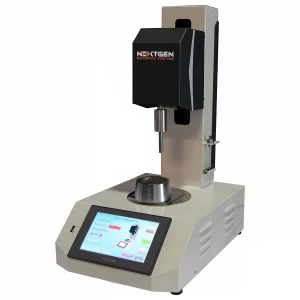
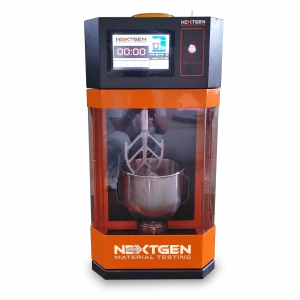
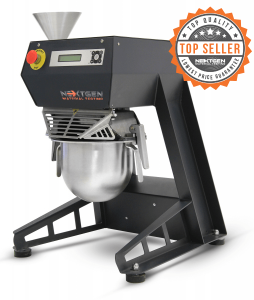
| Standard consistency & setting time | Vicat apparatus (manual or automated versions), Vicat molds/accessories, timing device, balance, paste mixing equipment, controlled-temperature/controlled-humidity conditioning area as required by the method |
| Soundness | Le Chatelier soundness apparatus, water bath/heating arrangement as specified by the method, measuring device for expansion reading, molds and handling accessories |
When specifying equipment, pay close attention to whether your lab needs a reference configuration (for contractual disputes and inter-laboratory comparability) versus an alternative apparatus that the standard permits only when calibrated against the reference method.
If you are equipping a cement physical testing area or upgrading from manual to automated penetration measurement, you can request pricing for an EN 196-3-ready setup matched to your throughput, conditioning approach, and documentation needs.
How to read this designation or revision
EN 196-3 means “European Standard (EN), EN 196 series (methods of testing cement), Part 3 (setting times and soundness).”
The standard is commonly cited with a year (for example, EN 196-3:2016). In procurement documents and compliance reporting, the cited year matters because procedural details and notes permitting alternatives can change between editions.
You may also see national adoptions that are technically aligned to the EN text (for example, “BS EN 196-3” or “NF EN 196-3”). Where an EN edition is required, ensure the national adoption matches the same EN year/edition referenced by your product specification or contract.
Related standards, methods, or frameworks when useful
EN 196-3 is one part of the broader EN 196 cement test-method series. Cement specifications and QA programs commonly pair EN 196-3 with other EN 196 parts (for example, strength testing and other physical/chemical determinations) to build a complete conformity and release-testing package.
When you are building a full cement lab workflow, selecting equipment that supports multiple EN 196 parts can simplify training, calibration planning, and reporting consistency across methods.
Get help selecting EN 196-3 equipment
If you are planning a new cement physical test area or need to align an existing Vicat/soundness setup with the exact EN 196-3 edition cited in your quality documents, contact our team to review configurations, reference vs. permitted alternative approaches, and practical lab setup details.