EN 10002-1 is a European tensile-test method for metallic materials at ambient temperature. It is commonly referenced when a lab needs to determine tensile properties such as strength and elongation from a uniaxial tension test on a prepared specimen.
If you need help mapping a drawing note or procurement requirement that cites EN 10002-1 to a practical test setup (or to a current replacement standard), talk with our team.
EN 10002-1: Metallic materials — Tensile testing — Part 1: Method of test at ambient temperature
EN 10002-1 is a tensile testing standard focused on how to run and report a uniaxial tension test at ambient temperature. In many organizations it appears in legacy product specifications, technical delivery conditions, and older qualification documents.
Because this document has been withdrawn in many national adoptions, it is important to confirm what edition is cited and whether a current standard (often EN ISO 6892-1) is required for today’s compliance and comparability.
Quick Definition
EN 10002-1 is a test method that describes how to perform tensile testing of metallic materials at ambient temperature and determine mechanical properties from the resulting force–extension / stress–strain behavior.
What This Standard Covers
This standard is used to define the basic “how-to” of an ambient-temperature tensile test on metallic specimens, including the general approach to loading a test piece in tension (typically to fracture) and the types of tensile properties that can be determined.
It is primarily a method-and-reporting document; it does not replace product-specific requirements that may also specify sampling frequency, acceptance criteria, specimen location, heat treatment condition, or directionality (longitudinal/transverse).
Why This Standard Matters in Testing
When a purchase order, drawing, or material certification requirement cites EN 10002-1, it sets expectations for how tensile results are generated and reported—so results are comparable across suppliers, labs, and production sites.
For equipment selection, the key impact is ensuring the test system can apply controlled tensile loading with appropriate force capacity, measurement accuracy, and strain/extension measurement suited to the properties being reported.
Common Materials, Product Types, or Applications Covered
Common materials: Metallic materials (including steels and other metals), tested at ambient temperature.
Common product forms: The standard is commonly used with machined specimens taken from bar, plate, sheet, wire/rod, forgings, castings, and welded products when the controlling specification calls up EN 10002-1 for the tensile method.
Common applications: Incoming material verification, process control testing, product qualification, and comparative material characterization where tensile properties are required at room/ambient conditions.
Common Test or Verification Workflow
Most EN 10002-1 workflows follow a standard tensile-test sequence: prepare a specimen to the required geometry, measure the initial dimensions for area/diameter calculations, mount the specimen with suitable grips, apply tensile loading under defined conditions, record force and extension/strain, and calculate/report the required tensile properties.
Practical caution: Alignment, gripping, and extensometer selection strongly influence results—especially where yield behavior, proof strength, or elongation values are acceptance-critical.
Equipment Commonly Used for This Standard
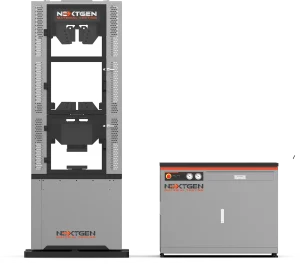
EN 10002-1 tensile testing is typically performed on a universal testing machine (UTM) configured for uniaxial tension. The exact configuration depends on specimen geometry, expected strength, and whether strain must be measured in a defined gauge length.
Common equipment: Electromechanical or servo-hydraulic UTM, calibrated load cell/force measurement, appropriate wedge/screw/pneumatic grips (or specialized grips for wires/flat specimens), and an extensometer or strain measurement system when required by the reported properties.
If you are selecting a frame capacity, grips, and extensometry package around an EN 10002-1 requirement, you can request a detailed quote for a configuration matched to your specimen type and force range.
How to Read This Designation or Revision
Designation logic: “EN 10002-1” identifies Part 1 of the EN 10002 tensile-testing series (ambient-temperature tensile test method for metallic materials).
Common citation formats: It may appear as EN 10002-1 (often with a year, such as EN 10002-1:2001) or as a national adoption (for example, BS EN 10002-1, DIN EN 10002-1, etc.).
Status note: Many national bodies list EN 10002-1 as withdrawn and replaced by EN ISO 6892-1. When updating documentation or comparing historical data, match the exact cited edition and clarify whether results must be generated to the replacement standard.
Related Standards, Methods, or Frameworks
EN 10002-1 is commonly associated with standards that address verification of the tensile testing system and strain-measurement devices. In practice, labs often pair the tensile method with machine force verification and extensometer verification requirements to support traceable results.
Commonly encountered related references: EN ISO 6892-1 (replacement tensile method in many specifications), ISO 7500-1 (verification of static uniaxial testing machines), and EN 10002-4 (verification of extensometers used in uniaxial testing), when these are cited by the customer’s quality system or test plan.
Get help selecting a tensile test setup for EN 10002-1 callouts
If you need to run legacy EN 10002-1 work while also supporting current EN ISO tensile requirements, we can help you define a practical equipment configuration (frame capacity, grips, extensometry, and calibration approach). To move forward, contact our team with your material, specimen geometry, and required properties.