DIN ISO 7619-1 is a standardized durometer (Shore) indentation hardness method used to check the hardness of vulcanized rubber and thermoplastic rubber (TPE). It is widely used for incoming inspection, production QC, and material qualification where a fast, comparable hardness number is required.
Because Shore hardness results can shift with instrument setup, specimen thickness, and measurement technique, it is important to align your durometer type and test setup to the exact cited edition and scale (A, D, AO, or AM). If you want help matching a customer drawing or internal spec to the right Shore scale and setup, talk with our team.
DIN ISO 7619-1: Rubber, vulcanized or thermoplastic — Determination of indentation hardness — Part 1: Durometer method (Shore hardness)
DIN ISO 7619-1 is a test method document used to determine indentation hardness using Shore-type durometers on rubber and thermoplastic rubber materials. It is commonly referenced for specifying “Shore A” or “Shore D” requirements on elastomer components and compounds.
This standard focuses on obtaining consistent, repeatable Shore hardness readings by defining how the measurement is performed and which durometer scales apply to different hardness ranges and specimen conditions.
Quick Definition
What it is: A standardized Shore durometer indentation hardness test method for vulcanized rubber and thermoplastic rubber (TPE).
What it outputs: A Shore hardness value on a defined scale (commonly Shore A or Shore D; other scales may apply depending on range and specimen thickness).
How it is used: Fast QC/acceptance checks, material comparison, and verification against hardness requirements on prints or specifications.
What This Standard Covers
DIN ISO 7619-1 specifies a durometer-based indentation hardness method (Shore hardness) for vulcanized rubber and thermoplastic rubber. It describes how to take readings with durometers and applies different Shore scales based on the hardness range and the type/thickness of the test piece.
Scale selection (typical): Shore A for normal hardness ranges, Shore D for higher hardness ranges, AO for low-hardness and cellular rubbers, and AM for thin rubber test pieces in the normal-hardness range.
Why This Standard Matters in Testing
Shore hardness is often used as a go/no-go property because it is quick to measure and easy to communicate across suppliers, plants, and customer programs. Using a standards-based approach helps reduce disagreements caused by differences in operator technique, durometer condition, or inconsistent specimen support.
For procurement and QA/QC teams, a DIN ISO 7619-1-aligned workflow helps ensure that hardness numbers reported on COAs, inspection records, or PPAP-style documentation are generated in a consistent way.
Common Materials, Product Types, or Applications Covered
DIN ISO 7619-1 is most often applied to elastomer and TPE products where indentation hardness is used to control feel, sealing behavior, assembly fit, or stiffness.
Common examples: Rubber and TPE seals and gaskets, O-rings (when sufficient surface area is available), molded vibration isolators, hoses and boots, cellular/foam rubber parts (where the AO scale may be specified), and test slabs used for compound release/QC.
Common Test or Verification Workflow
Most labs use DIN ISO 7619-1 as a controlled measurement routine within a broader QC plan rather than as a stand-alone qualification. The standard is typically invoked when a part or material specification calls out a Shore hardness value and an acceptable tolerance.
Common workflow: Prepare a suitable flat measurement area (or test slab), condition specimens as required by the controlling specification, verify the durometer is in tolerance using reference blocks, take multiple readings on the specimen (avoiding edges and previously indented spots), then report the Shore scale, the result, and any required test conditions tied to the cited edition.
Equipment Commonly Used for This Standard
DIN ISO 7619-1 primarily drives selection of the correct durometer type/scale and the right measurement setup to control contact and support conditions.
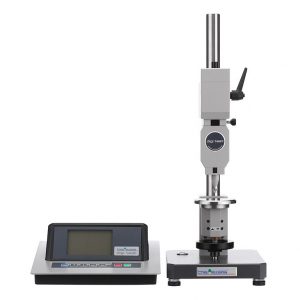
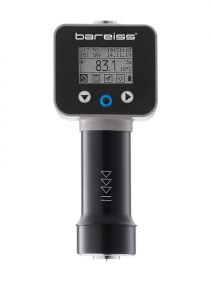
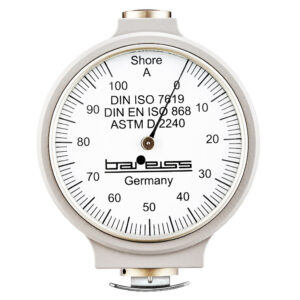
Common equipment: Shore durometers (A, D, AO, AM as applicable), a durometer stand/test stand (often used to reduce operator-to-operator variation), flat anvils/support tables, and Shore hardness reference blocks for routine checks.
If you are choosing between analog vs. digital durometers, adding a stand for improved repeatability, or matching a setup to your mix of parts and test slabs, you can request pricing for a durometer system configured for your workflow.
How to Read This Designation or Revision
DIN ISO 7619-1 indicates a German adoption of ISO 7619-1, where “Part 1” identifies the durometer (Shore) method within the broader indentation hardness topic.
Revision sensitivity: Shore hardness is sensitive to instrument geometry/condition and procedure details, so always match your setup and reporting to the exact edition referenced on the drawing, purchase order, or internal specification. Internationally, ISO 7619-1:2010 has been replaced by ISO 48-4:2018, so mixed citations can occur across legacy and updated documents.
Related Standards, Methods, or Frameworks
Hardness requirements are often specified alongside other elastomer property tests, or an alternate hardness standard may be cited depending on whether the material is rubber/TPE or plastics.
- ISO 48-4: Current ISO framework for durometer (Shore) indentation hardness of rubber and thermoplastic rubber.
- ASTM D2240: Commonly cited durometer hardness method for rubber and plastics in North American supply chains.
- ISO 868: Often referenced for Shore hardness on plastics (and in some cases hard rubber), depending on product scope.
Get help selecting a DIN ISO 7619-1 hardness setup
If you share the Shore scale, target range, specimen form (part vs. slab), and any customer-specific requirements, we can recommend a practical durometer and stand configuration and help you align it to the cited edition—reach out to contact our team.