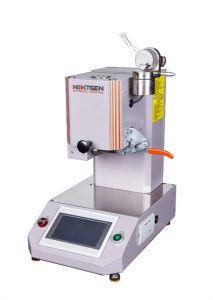
ASTM D1238 is a standard test method used to determine the extrusion flow rate of molten thermoplastic resins using an extrusion plastometer (often called a melt flow indexer). It is widely used to report melt mass-flow rate (MFR) and/or melt volume-flow rate (MVR) at specified temperature and load conditions.
Because melt flow results are highly sensitive to the exact test condition, equipment configuration, and procedure options, it is important to match your instrument setup to the specific D1238 requirements used in your material or customer specification. If you need help confirming the right configuration, talk with our team about your polymer, target condition, and reporting needs.
ASTM D1238: Standard Test Method for Melt Flow Rates of Thermoplastics by Extrusion Plastometer
ASTM D1238 is a test method (not a material specification). It provides a standardized way to measure how readily a molten thermoplastic flows through a defined die under a defined load at a defined temperature using an extrusion plastometer.
The resulting flow-rate value is commonly used for production control and lot-to-lot comparisons when the same conditions are used consistently.
Quick Definition
In practical terms: D1238 measures how much molten polymer extrudes through a standard die in a set time under a prescribed temperature and load, reported as a melt flow rate (by mass and/or by volume) for that specific condition.
What This Standard Covers
ASTM D1238 covers determining the rate of extrusion of molten thermoplastic resins using an extrusion plastometer.
Results are reported for a defined test condition (temperature and load). The standard also supports using more than one condition to calculate a flow rate ratio (FRR) when required.
Why This Standard Matters in Testing
D1238 is commonly used as a fast, repeatable QC indicator for thermoplastics. It helps labs and production teams monitor process consistency, verify incoming resin lots, and check conformance to customer or internal requirements that call out a specific melt flow condition.
Important limitation: melt flow rate is an empirical parameter influenced by polymer structure and test conditions. It is useful for consistency and comparison when conditions are controlled, but it is not a fundamental material property and may not directly predict full-scale processing behavior without correlation to other tests.
Common Materials, Product Types, or Applications Covered
ASTM D1238 is used for molten thermoplastic resins and compounds where flow behavior under standardized conditions is part of purchasing, manufacturing, or product qualification.
Common use cases: resin producer QC, incoming inspection at molding/extrusion facilities, formulation change control (additives, regrind, color masterbatch), and verifying that a material meets a datasheet or procurement requirement tied to a specific temperature/load condition.
Common Test or Verification Workflow
Most D1238 workflows are built around repeatable conditioning, controlled melt temperature, and careful timing/measurement so that results can be compared across lots, suppliers, and sites.
Typical workflow steps: select the specified D1238 condition for the polymer grade; load a measured charge of material into the heated barrel; apply the specified load; allow the melt to equilibrate per the procedure; extrude through the standard die; determine flow rate by mass and/or by volume for the required reporting format.
Common reporting needs: the exact test condition used (temperature and load), whether results are reported as MFR, MVR, and/or FRR, and any procedural options required by a referenced material specification.
Equipment Commonly Used for This Standard
D1238 points most directly to an extrusion plastometer (melt flow indexer) configured to control barrel temperature, apply a defined force/load, and support the applicable measurement approach (mass-based and/or displacement-based).
Common equipment: extrusion plastometer / melt flow indexer, standard die and piston set, calibrated weights or force application system (depending on instrument design), timed cutting device or manual cut-off accessories, analytical balance for mass determination, and temperature verification tools.
Selection cautions for quoting: confirm the required test condition range for your materials (temperature capability and load/force range), whether you need MFR only or both MFR and MVR, and whether your workflow benefits from automation (automatic cut-off, automatic timing, displacement measurement, and data handling).
How to Read This Designation or Revision
“ASTM D1238” identifies the test method. When a year is included (for example, D1238-23), it indicates the edition year being cited.
If a letter suffix is included with the year (for example, “D1238-23a”), it indicates an additional revision designation associated with that same year. When matching a customer requirement, always align to the exact designation cited in the purchase specification or test plan.
Related Standards, Methods, or Frameworks
Depending on the polymer and the procurement/specification context, D1238 may be referenced alongside other documents that control test selection, reporting, or alternate approaches.
- ISO 1133: covers the same general subject (melt mass-flow rate and melt volume-flow rate) but differs in technical content.
- ASTM D3364: cited as an alternative test method for PVC compounds in the D1238 significance and use discussion.
- ASTM D4000: referenced as a classification table that lists ASTM materials standards that may require D1238 (often with specification-driven procedural requirements).
Request pricing for an ASTM D1238 melt flow setup
If you are outfitting a lab for melt flow testing, we can help you select an extrusion plastometer configuration that fits your temperature/load needs and preferred reporting (MFR and/or MVR). To compare options and lead times, you can request a detailed quote for an ASTM D1238-ready system.