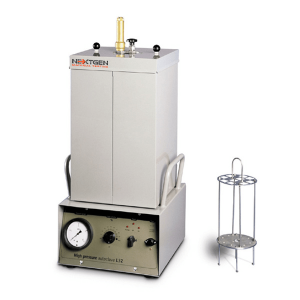
ASTM C151/C151M is the ASTM test method for measuring autoclave expansion of hydraulic cement. It is used to evaluate the expansion of hardened cement paste after exposure to specified autoclave conditions and serves as an index of potential delayed expansion associated with free lime or magnesia in cement.
This standard is commonly used in cement quality control, product qualification, and comparative lab work when expansion stability matters. If you need help matching this standard to the right autoclave, comparator, or cement testing setup, Contact Us.
ASTM C151/C151M: Standard Test Method for Autoclave Expansion of Hydraulic Cement
ASTM C151/C151M is a focused cement test method rather than a broad product specification. Its purpose is to measure autoclave expansion under a defined accelerated condition and provide a consistent laboratory result for comparison and control.
For laboratories and procurement teams, this standard most often affects equipment selection through the need for a suitable cement autoclave, compatible length-change measurement equipment, and the supporting tools required for specimen preparation and handling.
Quick Definition
Document type: Test method.
Quick definition: ASTM C151/C151M measures the expansion of hardened cement paste after exposure to the autoclave conditions defined by the method.
Why it is used: The result provides an index of potential delayed expansion related to CaO or MgO in hydraulic cement.
What This Standard Covers
ASTM C151/C151M covers determination of the expansion of a hardened cement paste specimen exposed to the autoclave conditions specified by the method. The current designation uses dual units, so SI and inch-pound values are both provided, but they are not intended to be mixed within one result set.
This standard is narrow in scope. It addresses the autoclave expansion result itself, not the full set of physical and chemical properties used to characterize hydraulic cement.
Why This Standard Matters in Testing
ASTM C151/C151M matters because it gives labs an accelerated way to screen for expansion behavior that can be associated with hydration of free lime or magnesia in hydraulic cement. That makes it useful when stability, consistency, and lot-to-lot comparison are important.
It is best understood as an index test. In practice, labs and specifiers usually interpret the result together with the cited project requirements, material type, and other cement property data.
Common Materials, Product Types, or Applications Covered
ASTM C151/C151M applies to hydraulic cement and is commonly encountered in cement manufacturing laboratories, independent construction materials labs, and technical programs evaluating portland or blended hydraulic cements.
Common applications: Cement quality control, qualification testing, comparative product development, incoming verification, and investigation of unusual expansion behavior.
Common Test or Verification Workflow
A typical ASTM C151/C151M workflow starts with preparing the cement paste specimen required by the method and establishing the required initial measurement. The specimen is then exposed in a cement autoclave under the prescribed conditions, followed by the post-exposure measurement used to calculate expansion.
Common workflow outputs: Expansion result for the tested specimen, comparison against internal limits or referenced acceptance criteria, and reporting tied to the exact cited edition of the standard.
Because acceptance, reporting, and specimen details can vary by the cited document, labs should match their procedure and report format to the edition named in the purchase order, project specification, or quality manual.
Equipment Commonly Used for This Standard
ASTM C151/C151M points most directly to a cement autoclave and a length-measurement setup suitable for expansion readings. In many labs, the measurement side of the workflow is paired with comparator apparatus addressed by ASTM C490/C490M, along with the specimen preparation and handling accessories needed to support the method.
Common equipment families: Cement autoclaves, length comparators, specimen molds and preparation tools, curing or storage accessories, and general cement laboratory support equipment.
When selecting equipment for ASTM C151/C151M work, it is important to confirm autoclave capacity, control capability, comparator compatibility, utility needs, and how the setup will fit into the rest of the cement testing workflow.
How to Read This Designation or Revision
The current active ASTM listing is ASTM C151/C151M-23. The designation identifies the standard, and the trailing year identifies the edition being cited.
Older project documents may still use legacy citations such as ASTM C151-05 or ASTM C151-00. When matching equipment, reports, or internal procedures to a customer requirement, the exact edition should be checked carefully.
Related Standards, Methods, or Frameworks
A few related references are especially useful when ASTM C151/C151M is part of a broader cement testing program.
- ASTM C490/C490M covers apparatus used for determination of length change in hardened cement paste, mortar, and concrete and is relevant when selecting comparator equipment for this workflow.
- AASHTO T107 is the transportation-sector counterpart associated with autoclave expansion of hydraulic cement.
Talk With Us About ASTM C151/C151M Equipment
If you are building or upgrading a cement lab for ASTM C151/C151M work, we can help you align the autoclave, comparator, and supporting accessories with your throughput and standards needs. Request a Quote.