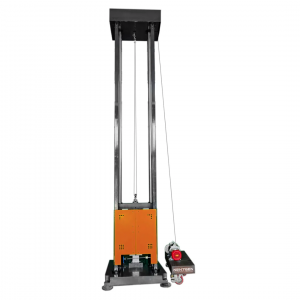
UL 1 is a UL Standard for Safety covering flexible metal conduit (FMC) intended to serve as a metal raceway for wires and cables in electrical installations.
It is commonly referenced when manufacturers qualify conduit construction and performance for UL Listing, and when project specifications call out FMC that aligns with National Electrical Code (NEC) expectations. If you need help translating a UL 1 callout into a practical test plan or documentation package, talk with our team.
UL 1: Flexible Metal Conduit
UL 1 provides safety requirements for flexible aluminum, steel, and stainless-steel conduit designed for use as a metal raceway for wires and cables. It is typically used by conduit manufacturers, private-label brand owners, and supply-chain QA teams supporting UL Listing and code-driven procurement.
Because UL 1 is a product safety standard, it is usually applied as a combination of construction requirements, performance testing, and marking/identification rules rather than a single “one-test” method.
Quick Definition
What it is: A UL Standard for Safety for flexible metal conduit (FMC) used as a metal raceway for conductors.
What it supports: Product qualification for UL Listing and spec-driven purchasing where FMC is required to meet UL 1.
What it is not: An installation code. Installation details are governed by applicable electrical codes (for example, NEC/NFPA 70) and the project authority having jurisdiction.
What This Standard Covers
UL 1 addresses flexible metal conduit intended to protect and route electrical wiring where flexibility is needed (for example, vibration-prone equipment connections, movable machinery interfaces, or tight routing where rigid conduit is impractical).
In typical use, UL 1 coverage includes requirements tied to:
- Conduit construction and materials (including metallic construction types within the standard’s scope)
- Performance expectations intended to support safe use as a wiring raceway
- Marking and identification needed for traceability and compliant field selection
Why This Standard Matters in Testing
When a datasheet or project specification calls out “UL 1,” it is usually signaling that the conduit must meet recognized safety requirements for mechanical protection and suitability as a metal raceway in NEC-aligned electrical installations.
For manufacturers and QA/QC teams, UL 1-driven testing and inspection are commonly used to:
- Demonstrate that production conduit matches a defined safety baseline
- Support UL Listing maintenance and ongoing conformity activities
- Reduce procurement risk when conduit is being sourced across multiple plants or suppliers
Common Materials, Product Types, or Applications Covered
UL 1 is typically applied to FMC products used in commercial, industrial, and institutional electrical systems where metal raceway protection and routing flexibility are needed.
Common product context: Flexible metal conduit supplied in coils, selected by trade size and installed with listed fittings appropriate to the conduit type and the environment.
Common end-use drivers: Mechanical protection of conductors, flexibility at equipment terminations, routing around obstacles, and adaptation to vibration or movement.
Common Test or Verification Workflow
UL 1 is usually implemented as a product qualification and manufacturing control workflow. The exact test sequence and acceptance criteria depend on the product construction and the edition referenced by the certification or project requirement.
Common verification elements: Incoming material checks, dimensional verification, construction review, performance testing appropriate to the conduit design, and marking/label review for traceability and compliance.
Equipment Commonly Used for This Standard
Because UL 1 is a safety requirements standard for a conduit product (not a single bench-test method), equipment selection is typically driven by the specific performance and inspection items needed for the conduit design and trade size range.
Common equipment families: Dimensional metrology tools (calipers, micrometers, go/no-go gauges), mechanical test frames with appropriate fixtures (for pull, deformation, or related mechanical evaluations as applicable), electrical continuity/low-resistance measurement tools for bonding/grounding-related evaluations when required, and marking verification tools for legibility/durability checks.
If you are comparing fixture approaches or need a test setup matched to your conduit type and size range, you can request a detailed quote for an equipment package built around your required UL 1 verification points.
How to Read This Designation or Revision
Document identification: The standard is commonly cited as UL 1 or ANSI/UL 1.
Revision sensitivity: Requirements and allowable constructions can change across editions and revisions, and procurement documents may specify a particular edition date. For UL 1, an active edition includes revisions posted over time, so matching the cited edition/revision date is important when aligning test plans, labels, and compliance statements.
Code alignment: UL 1 is explicitly scoped for conduit designed for use in accordance with NEC (NFPA 70), and recent revisions may reflect updates tied to newer NEC cycles.
Related Standards, Methods, or Frameworks
UL 1 is commonly encountered alongside installation-code and accessory/fitting requirements that affect the complete conduit system.
Often-associated references: NEC/NFPA 70 (installation context) and UL standards used for conduit fittings (for example, UL 514B for conduit, tubing, and cable fittings).
Get help selecting a UL 1 test and inspection setup
If you need to align a lab workflow to a specific UL 1 edition/revision or want help mapping your conduit design to practical inspection and test equipment, contact our team and share your product description, trade sizes, and any UL Listing or project specification details.