NF P15-431 is a French standard used to determine the setting time of hydraulic binders (cement testing) based on a standard mortar preparation. It is commonly referenced when producers and labs need a consistent, repeatable way to compare “time to set” behavior for quality control and product development.
If you are unsure whether your internal method should be run on paste (common in other frameworks) or on standard mortar as required here, you can contact our team to align equipment, accessories, and the correct edition for your test plan.
NF P15-431 — Liants hydrauliques — Méthodes d’essais des ciments — Détermination du temps de prise sur mortier normal
NF P15-431 is an AFNOR (NF) standard describing how to determine setting time using a standardized mortar. In practice, it supports comparable results across batches, plants, and laboratories when evaluating how quickly a binder transitions from workable to set.
Quick Definition
What it is: A cement / hydraulic binder test standard for setting time determined on standard mortar.
What it’s used for: Routine QC trending, conformity-style checks, and R&D comparisons where mortar-based setting behavior is required.
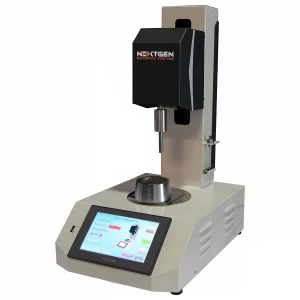
What it points to: A Vicat-type setting-time apparatus and supporting preparation and conditioning equipment suitable for mortar testing.
What This Standard Covers
This standard covers determination of the setting time of hydraulic binders using a mortar prepared in a defined, repeatable way (often referred to as “standard mortar”). The outcome is typically used to characterize binder behavior and support acceptance, comparison, or troubleshooting decisions.
Important scope note: Because NF P15-431 is mortar-based, laboratories should not assume it is interchangeable with paste-based setting-time approaches without checking the exact cited requirement in project or product documentation.
Why This Standard Matters in Testing
Setting time is a practical performance indicator that influences handling, placement windows, finishing operations, and early-age process timing. A mortar-based method can be especially helpful when a customer specification, producer practice, or internal legacy requirement expects results tied to standardized mortar preparation rather than cement paste alone.
From a lab management standpoint, this standard also drives consistency in operator workflow—mixing, timing discipline, conditioning, and a defined penetration-based endpoint—so the result is more comparable from run to run.
Common Materials, Product Types, or Applications Covered
NF P15-431 is used in cement and hydraulic-binder testing contexts where setting behavior must be demonstrated or monitored on a standardized mortar basis.
- Cement and hydraulic binder production: Batch release checks and process adjustments tied to set control.
- R&D / formulation work: Comparing admixture or binder changes that shift setting characteristics.
- Third-party laboratories: Independent reporting where a client specification calls out NF P15-431.
Common Test or Verification Workflow
Most labs treat NF P15-431 as a time-sensitive procedure where disciplined preparation and conditioning have a major effect on results.
Common workflow: Prepare the standard mortar → start timing at the defined reference point → maintain required conditioning environment → perform scheduled penetration checks with a Vicat-type apparatus → record the specified setting-time endpoints and test conditions.
Common reporting needs: Identification of the binder, the cited edition of NF P15-431, conditioning temperature/humidity details as required, and the measured setting times.
Equipment Commonly Used for This Standard
NF P15-431 is commonly supported with cement/mortar preparation tools and a penetration-based setting-time instrument. Exact accessory choices depend on the edition and the lab’s throughput (manual vs automated readings).
Common equipment: Vicat setting-time apparatus (manual or automatic), penetration needles/plungers as required, standard mortar mixing equipment, molds/rings and base plates used with the apparatus, timing device/data capture, and a controlled conditioning environment (temperature/humidity) suitable for mortar setting-time work.
If you are comparing manual versus automatic Vicat systems, or building a complete station (mixer + conditioning + Vicat + accessories), you can request a detailed quote for a configuration matched to your lab throughput and reporting needs.
How to Read This Designation or Revision
Designation: “NF P15-431” is the French NF reference for this setting-time test on standard mortar.
Edition sensitivity: Equipment configuration and reporting expectations can vary by edition (for example, details around conditioning, timing references, and acceptance endpoints). When a contract, spec, or customer drawing cites NF P15-431, labs should run the edition that is explicitly referenced (or the edition required by the governing quality plan).
Legacy citations: This standard has older editions in circulation, so it is good practice to capture the cited edition/date in the test report and in internal work instructions.
Related Standards, Methods, or Frameworks
Setting time is also covered in other national and international cement-testing frameworks, and some organizations use paste-based approaches while others specify mortar-based approaches. When a project references multiple standards, confirm whether results must be comparable across methods or strictly compliant to the cited document.
Practical note: If your customer specification references both NF and EN/ASTM-style methods, make sure your lab plan states which method governs for acceptance versus informational testing.
Talk with a lab equipment specialist
If you need help matching a Vicat setup, accessories, and conditioning equipment to NF P15-431 (including the edition your customer cites), talk with our team about your binder type, throughput targets, and reporting requirements.