ISO 9290:1990 is a textiles test method for determining tear resistance of woven fabrics using a falling (ballistic) pendulum tear tester.
Because ISO 9290 is withdrawn and often referenced in legacy specifications, edition and citation details matter when you are setting up a test program—if you need help aligning the requirement to a current method, contact our team.
ISO 9290:1990 — Textiles — Woven fabrics — Determination of tear resistance by the falling pendulum method
ISO 9290 is focused on one specific tear test approach: a dynamic pendulum method commonly associated with “Elmendorf-type” tear testing for woven fabrics. The result is used to compare tear resistance between materials, constructions, directions, or production lots under defined test conditions.
| Item | Details |
|---|---|
| Standard | ISO 9290:1990 |
| Document type | Test method |
| Publication date | 1990-11 |
| Status | Withdrawn |
| Replaced by | ISO 13937-1:2000 |
Quick Definition
In plain terms: ISO 9290 describes how to measure woven fabric tear resistance using a falling pendulum tear tester, where the instrument’s pendulum energy is used to propagate a tear from a pre-cut slit.
What This Standard Covers
ISO 9290 addresses tear resistance testing of woven fabrics using a pendulum-based (dynamic) tearing action. This type of method is commonly used when a fast, comparative tear resistance metric is needed for woven materials.
Important scope note: ISO 9290 is a withdrawn document. Many organizations now cite later ISO tear standards for fabrics, so the correct target method depends on what the contract, specification, or regulatory file actually calls out.
Why This Standard Matters in Testing
Tear resistance is often a practical durability check for woven fabrics where cuts, snags, or initiated tears can occur in service. When ISO 9290 is referenced, it typically functions as an acceptance or comparison method for lot release, supplier qualification, product development benchmarking, or process change validation.
In procurement and QA/QC settings, the key risk is using an unintended tear method (pendulum vs. tensile-driven tear methods), since different tear methods can produce different performance rankings depending on fabric construction and direction.
Common Materials, Product Types, or Applications Covered
ISO 9290 is centered on woven fabrics. It is most commonly associated with general textile material evaluation where tear resistance is a relevant durability metric.
- Woven textile fabrics used for apparel, workwear, and uniform materials
- Woven industrial textiles where tearing from an initiated cut is a concern
- Woven fabrics used in consumer or technical products where minimum tear resistance is specified
Common Test or Verification Workflow
A typical ISO 9290-style workflow is built around repeatable specimen cutting, controlled tear initiation, and instrument setup consistent with the cited method.
Common workflow: Condition specimens as required by the controlling textile test program, cut specimens to the required geometry, introduce the required slit/notch, mount in the pendulum tear tester clamps, release the pendulum to propagate the tear, and record the tear resistance result for the specified direction(s) and number of replicates.
Common reporting needs: Fabric identification and direction tested, specimen details, test conditions used by the lab program, instrument configuration/range, and the reported tear resistance values with any required statistics.
Equipment Commonly Used for This Standard
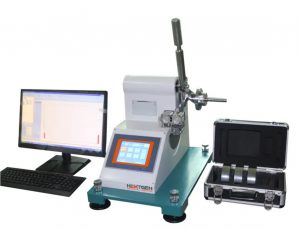
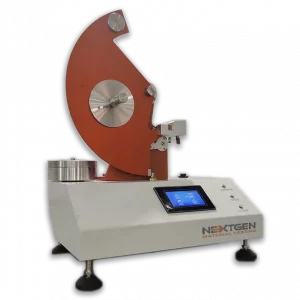
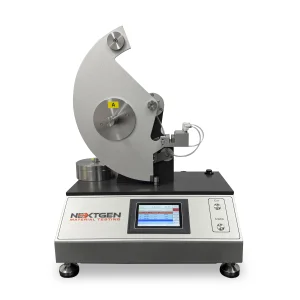
ISO 9290 points most directly to a pendulum tear tester setup rather than a universal testing machine.
Common equipment: Elmendorf-type falling pendulum tear tester (with appropriate pendulum capacity/range for the fabric), specimen cutting dies/templates for the required geometry, a cutting press (as needed for repeatable die cutting), and routine verification/calibration accessories appropriate for the instrument.
For labs that handle multiple tear methods (pendulum and tensile-based), it is common to maintain both a pendulum tear tester and a universal testing machine with suitable textile grips, depending on what the customer specifications cite.
If you are selecting a pendulum tear tester range or building a repeatable specimen-prep kit for ongoing production testing, you can request a detailed quote matched to your fabric types and throughput.
How to Read This Designation or Revision
ISO 9290:1990 identifies ISO standard number 9290 with a publication year of 1990.
Status sensitivity: ISO 9290:1990 is withdrawn, and ISO’s catalog indicates a newer version available (ISO 13937-1:2000). When a customer requirement cites “ISO 9290” without a year, it is important to clarify whether the requirement is truly legacy ISO 9290:1990 or whether it intends the current replacement method.
Related Standards, Methods, or Frameworks when useful
In many technical files, ISO 9290 appears as a historical reference for pendulum tear testing of fabrics. The ISO catalog lists ISO 13937-1 as the replacement for this method.
- ISO 13937-1:2000 (pendulum/Elmendorf-type tear force for fabrics)
- ISO 13937-2:2000 (trouser-shaped specimen, single tear method)
- ISO 13937-4:2000 (tongue-shaped specimen, double tear method)
Talk with us about ISO 9290 testing and equipment configuration
If you need to match a legacy ISO 9290 callout to the correct modern equivalent, or you want help selecting a pendulum tear tester configuration that fits your fabric range and reporting needs, talk with our team.