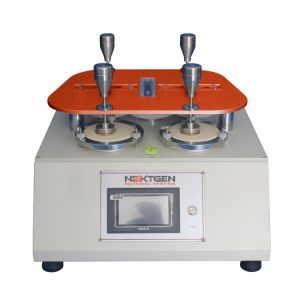
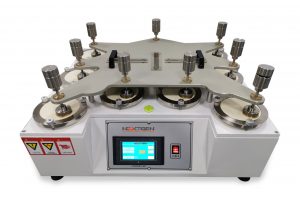
ISO 5470-2 is an ISO test method for assessing the abrasion resistance of the coated surface(s) of rubber- or plastics-coated fabrics using a Martindale abrader, with procedures for both dry abrasion and wet abrasion.
It is commonly referenced for coated textiles used in industrial covers, protective fabrics, flexible membranes, and other coated-fabric products where surface wear is a performance and durability concern. If you need help matching the right edition and setup to your coated fabric and end-use, talk with our team.
ISO 5470-2: Rubber- or plastics-coated fabrics — Determination of abrasion resistance — Part 2: Martindale abrader
ISO 5470-2 focuses specifically on abrasion resistance of the coated face(s) of a coated fabric when evaluated on a Martindale abrasion platform.
Because coated fabrics can have abrasion behavior that differs from uncoated textiles, ISO 5470-2 is typically used when the performance requirement is tied to the coating layer (e.g., PU, PVC, rubber, or other polymeric coatings) rather than the base fabric alone.
Quick Definition
Standard type: Test method (abrasion resistance evaluation by Martindale abrader).
What it measures: Resistance of coated surfaces to abrasion under defined rubbing conditions, including dry and wet abrasion options.
Typical outcome: A practical pass/fail or comparative abrasion-performance result based on agreed evaluation criteria and the specified number of abrasion cycles (where required by the product specification or buyer requirement).
What This Standard Covers
ISO 5470-2 specifies two separate methods for determining abrasion resistance: one for dry abrasion and one for wet abrasion.
It applies to the coated surface or surfaces of coated fabrics. It is not intended for evaluating abrasion behavior of an uncoated surface of a coated fabric; in those cases, abrasion methods for uncoated textiles in the ISO 12947 series are typically used.
Why This Standard Matters in Testing
For many coated-fabric products, abrasion damage is a common in-service failure mode that can affect appearance, barrier performance, cleanability, and functional life. ISO 5470-2 provides a controlled way to compare abrasion resistance across materials, coating formulations, suppliers, or production lots.
Because the method includes both dry and wet abrasion options, it can also support evaluations where moisture exposure (cleaning, condensation, outdoor use, or wet handling) is part of expected service conditions.
Common Materials, Product Types, or Applications Covered
ISO 5470-2 is most often applied to coated fabrics where the coating layer is the surface under wear.
- Rubber-coated fabrics and membranes
- Plastics-coated fabrics (for example, PU- or PVC-coated textiles)
- Industrial covers, flexible barriers, and coated protective textiles where surface durability is specified
- Coated fabric components where abrasion performance is part of QA/QC release criteria or supplier qualification
Common Test or Verification Workflow
A typical ISO 5470-2 workflow uses a Martindale abrasion tester configured for coated-fabric surface abrasion evaluation.
Common workflow steps: Condition specimens as required, mount the coated surface(s) appropriately, run either the dry abrasion method or wet abrasion method (as specified), and evaluate coating wear using the acceptance criteria defined by the controlling specification, contract requirement, or internal test plan.
Practical tip: For coated fabrics, the key decision is usually whether the requirement is tied to dry abrasion, wet abrasion, or both, and what constitutes “failure” (for example, coating breakthrough, unacceptable surface change, or other product-specific criteria).
Equipment Commonly Used for This Standard
ISO 5470-2 points to a Martindale abrader-based setup rather than a universal testing machine.
Common equipment: Martindale abrasion tester (Martindale abrader), coated-fabric specimen holders/clamping rings, specified abradant materials, loading weights, and (for wet abrasion) a controlled wetting approach consistent with the method.
What to confirm when selecting a system: The number of work stations needed (throughput), available specimen holder options for coated materials, how wet abrasion is implemented on the instrument, and how your lab will define and document the endpoint criteria for your product.
If you are planning a new Martindale abrasion testing capability or expanding throughput, you can request a detailed quote based on your specimen sizes, reporting expectations, and daily test volume.
How to Read This Designation or Revision
ISO 5470-2 identifies Part 2 of the ISO 5470 series, which covers abrasion resistance for rubber- or plastics-coated fabrics using a Martindale abrader.
Revision year matters: ISO standards are commonly cited with a year (for example, ISO 5470-2:2021). Test setup details and referenced normative documents can change between editions, so purchasing, quoting, and compliance work should follow the exact edition stated in the requirement.
Related Standards, Methods, or Frameworks
ISO 5470-2 is part of the ISO 5470 abrasion-resistance series for coated fabrics.
- ISO 5470-1: Abrasion resistance for rubber- or plastics-coated fabrics using a Taber abrader (often chosen when a rotating abrasive-wheel approach is specified).
- ISO 12947 series: Martindale abrasion methods for uncoated textiles; commonly referenced when abrasion behavior of the uncoated textile face is the intent rather than the coated surface.
Get help selecting the right abrasion test setup
If you need to align a Martindale abrasion tester configuration to ISO 5470-2 (including dry vs. wet abrasion, specimen holding, and throughput planning), contact our team and we’ll help map the equipment and accessories to your requirement.