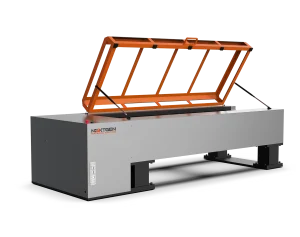
ISO 3108 is an ISO test method for determining the measured (actual) breaking force of a steel wire rope by tensile testing to destruction. It is commonly used to verify rope performance against required minimum breaking-force values specified in rope requirement documents.
Because wire-rope breaking tests depend heavily on end terminations, test length, and machine capacity, many labs treat ISO 3108 as both a test method and a setup/validation reference for their rope break-test capability. If you need help matching the standard to your rope type, diameter range, or termination approach, you can talk with our team.
ISO 3108:2017 — Steel wire ropes — Test method — Determination of measured breaking force
ISO 3108:2017 describes a destructive tensile test used to determine the measured breaking force of steel wire ropes referenced by ISO rope requirement standards (for example, ISO 2408). The measured breaking force is typically used for acceptance, quality control, and comparative evaluation of rope constructions or production lots.
The standard is also used in other rope contexts when a rope product standard does not provide a different breaking-force test method.
Quick Definition
Document type: Test method.
Primary result: Measured (actual) breaking force of a steel wire rope from a tensile test to destruction.
Typical use: Verification that a rope meets a required minimum breaking force stated in the applicable rope requirements document and/or purchase specification.
What This Standard Covers
ISO 3108 focuses on how to perform a full-size rope tensile break test and how to obtain a valid breaking-force result. In practice, this includes how the rope specimen is prepared for testing and how it is terminated so the rope can be loaded in a tensile test machine until failure.
The method is intended to produce a measured breaking force that can be compared to a required minimum breaking force given in the relevant rope requirements standard or contract documentation.
Why This Standard Matters in Testing
Steel wire ropes are safety-critical components in lifting, hoisting, tensioning, and load-handling systems. Breaking-force verification is often a required release test for production, incoming inspection, or supplier qualification.
ISO 3108 helps reduce ambiguity around break-test execution, especially where different termination approaches can change whether the rope breaks in a representative location and whether the result is accepted by customers or auditors.
Common Materials, Product Types, or Applications Covered
ISO 3108 is used for steel wire rope products where measured breaking force is a required property, including many general-purpose rope constructions referenced by ISO rope requirements standards.
Common applications: Crane and hoist ropes, lifting and rigging rope products, industrial wire rope supplied against minimum breaking-force requirements, and other steel wire rope products where a destructive break test is specified for verification.
Common Test or Verification Workflow
Most ISO 3108 workflows follow a straightforward sequence: select a representative rope specimen, prepare/terminate both ends for gripping, apply axial tensile loading in a calibrated tensile test system, and load the rope to failure while recording the maximum force reached.
Common reporting outputs: Rope identification and size, test setup details (including termination method), and the measured breaking force result for comparison to an acceptance criterion stated elsewhere (for example, in a rope requirements standard or purchase specification).
Equipment Commonly Used for This Standard
ISO 3108 testing is equipment-intensive because full-size wire ropes can require high force capacity and robust terminations to avoid grip slip or premature termination failure.
Common equipment: High-capacity tensile testing machines (universal or dedicated horizontal/vertical rope test frames), calibrated force measurement (load cell), and appropriate rope end-termination tooling (for example, socketing systems or wedge-type grips appropriate to the rope and load range).
Common accessories and options: Safety guarding for high-energy failures, specimen handling and alignment aids, fixtures sized for rope diameter range, and data acquisition/control suited for break testing and peak-force capture.
If you are specifying capacity, gripping approach, or guarding for ISO 3108 break testing, you can request a detailed quote for a configuration matched to your rope sizes and required force range.
How to Read This Designation or Revision
Designation format: ISO 3108:2017.
What the year means: The “2017” identifies the published edition year. Test setup details and reporting expectations can vary by edition, so procurement documents and customer specifications should cite the full designation including the year.
Practical tip: When you are quoting equipment or writing a lab procedure, match the cited ISO 3108 edition and the rope requirements document being used for acceptance so the termination and acceptance logic align.
Related Standards, Methods, or Frameworks
ISO 3108 is commonly used alongside rope requirement and designation documents that define the required minimum breaking force and how a rope is identified.
Common related ISO references: ISO 2408 (steel wire rope requirements, including breaking-force requirements) and ISO 17893 (vocabulary, designation, and classification for steel wire ropes).
Discuss ISO 3108 testing for your rope products
For most labs, the key decision points are maximum force capacity, end-termination method, and guarding/containment for safe break testing. If you want help scoping a rope breaking-force test setup around ISO 3108 and your cited acceptance requirements, contact our team.